








Introduction
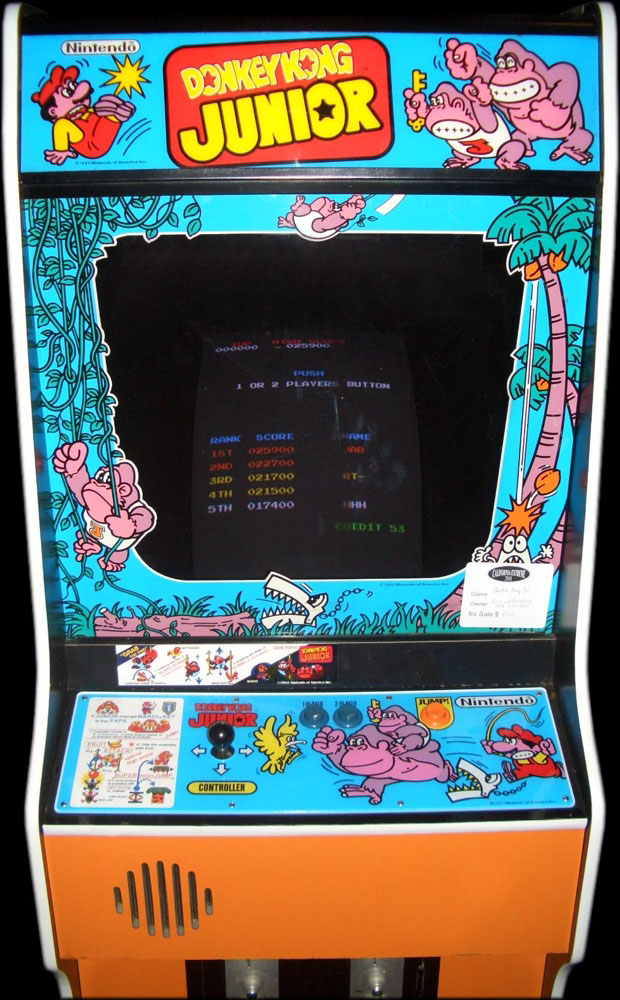
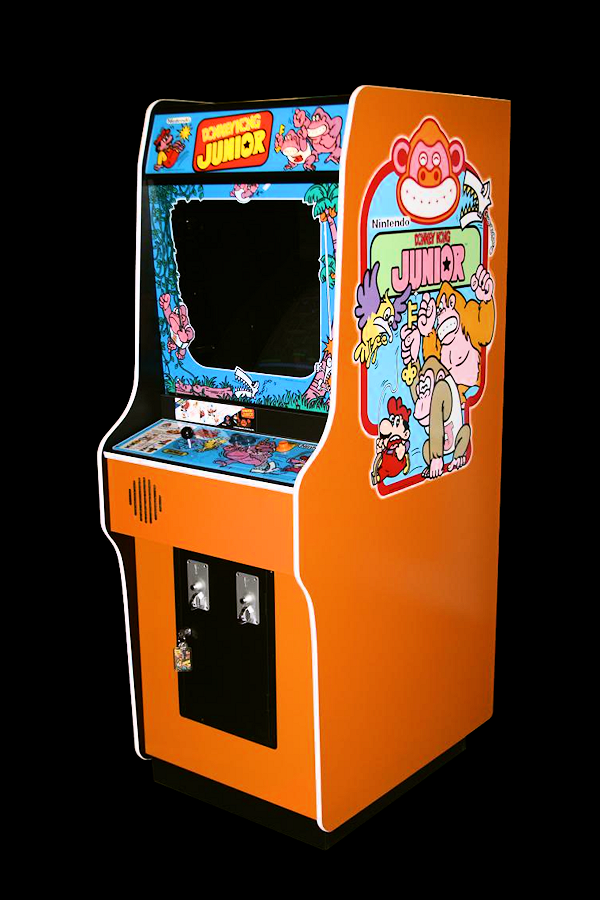
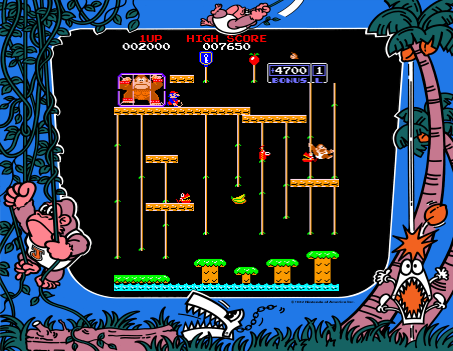
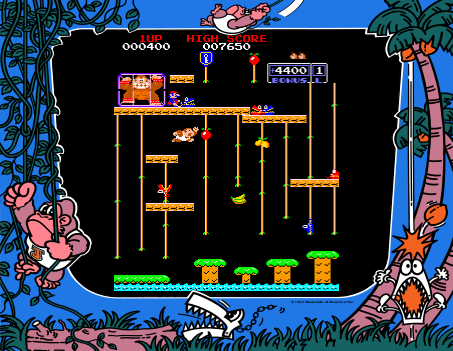
Released in 1982 by Nintendo of America, this classic arcade game serves as a sequel to the original Donkey Kong game. It stands out for flipping the roles from its predecessor, allowing players to step into the shoes of Donkey Kong’s son, aiming to rescue his father from captivity.
Gameplay
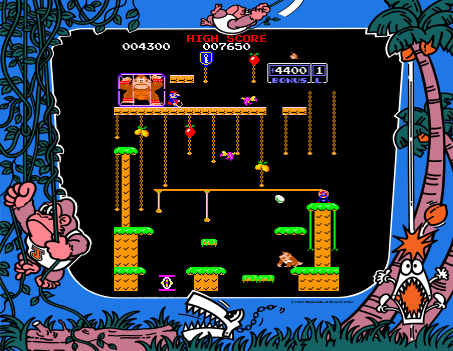
The game features four distinct stages, each presenting unique challenges and obstacles. Players navigate vines while avoiding traps and enemies, including the notorious Snapjaws and Birds. The main objective is to retrieve keys held by Mario and ultimately free the captured Donkey Kong. The game tests players’ strategic thinking and platforming skills, ensuring an engaging experience with increasing difficulty.
Development
Notably developed at a time when Nintendo was establishing itself as a leader in video game entertainment, this installment showcases early creative prowess. It was among the first games allowing players to control a character with more diverse movements, enhancing the dynamic nature of gameplay.
Historical Significance
This game holds a special place in video game history as one of the early instances where a character from a game became the protagonist in another. It illustrates Nintendo’s early innovation in character design and storytelling within games, setting the stage for many beloved franchises that followed.
Legacy
Despite being overshadowed by more famous titles, it remains cherished by retro gaming enthusiasts and is often included in compilations of classic Nintendo games. Its influence is seen in the way subsequent games treat character roles and narratives, marking a significant contribution to game design.