

Historical Context & Trivia
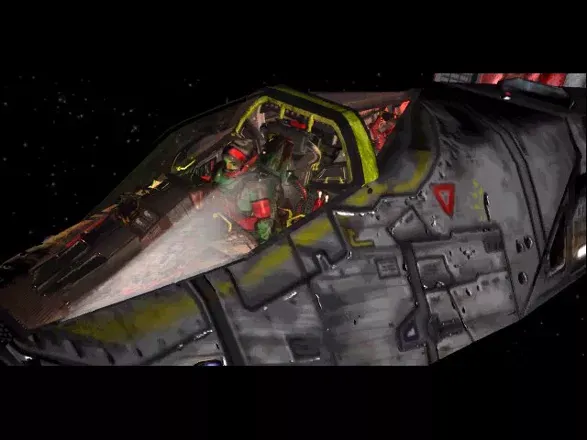
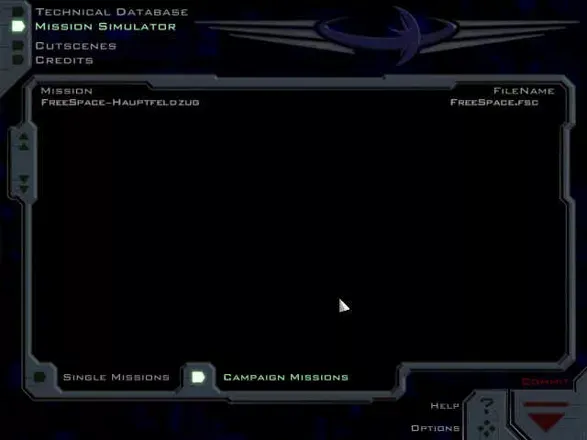
Descent: FreeSpace – The Great War was released in 1998 as a Windows space combat simulation from Volition, Inc. and Interplay Entertainment, and it arrived as Volition’s first major project after splitting from Parallax Software. The game is widely remembered as a defining late-1990s PC space-sim, building a large-scale human-versus-alien war narrative around cinematic mission structure and ambitious presentation.
Its place in retrogaming history is strengthened by its connection to the broader Descent lineage, while still standing apart as a distinct intellectual property rather than a direct tunnel-combat continuation. The title also circulated in Europe under the name Conflict: FreeSpace – The Great War, and later received a separate Amiga port by Hyperion Entertainment, which extended its preservation footprint beyond the original PC release.
Gameplay & Technical Features
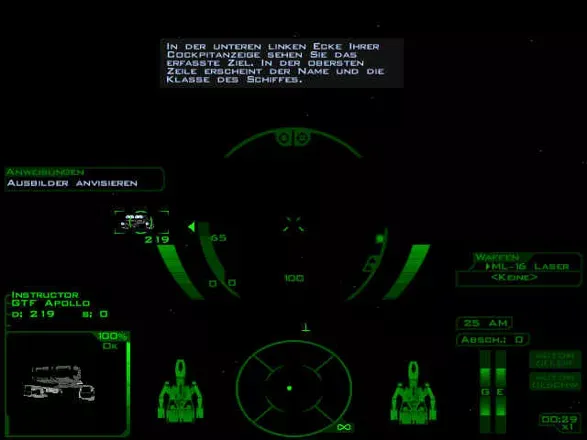
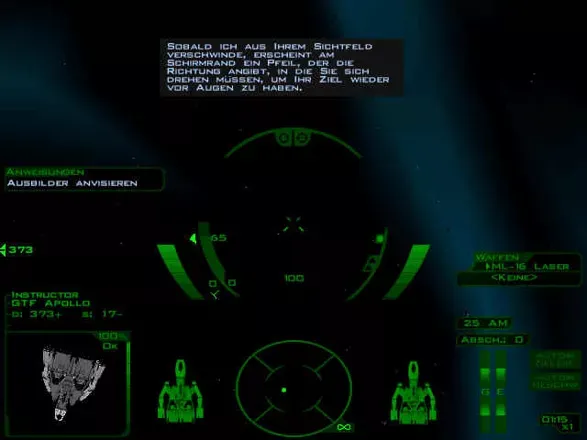
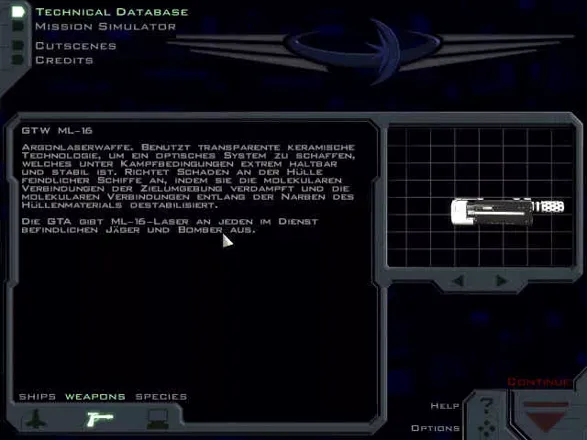
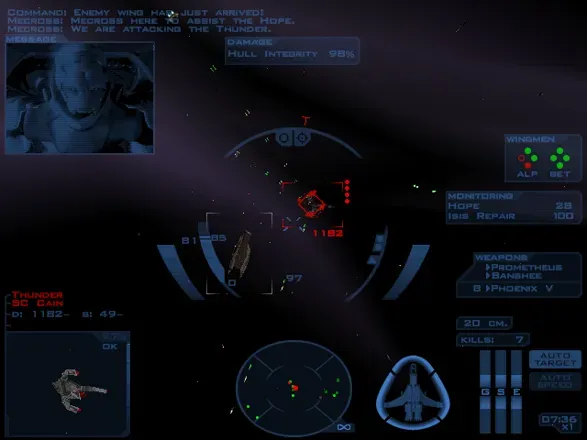
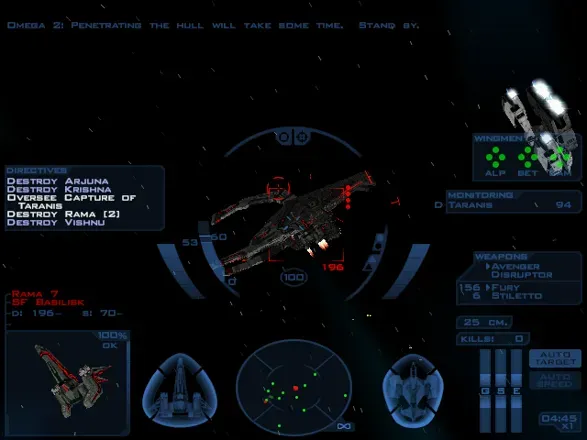
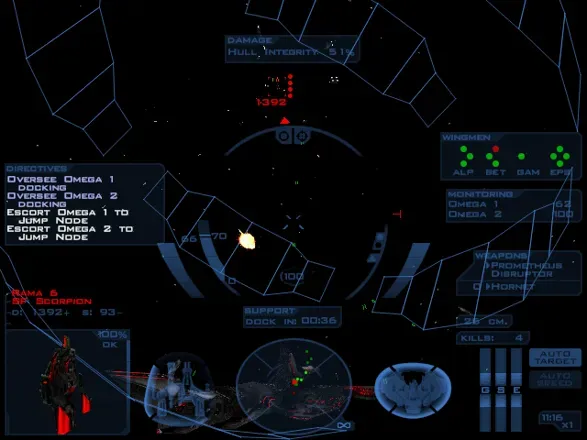
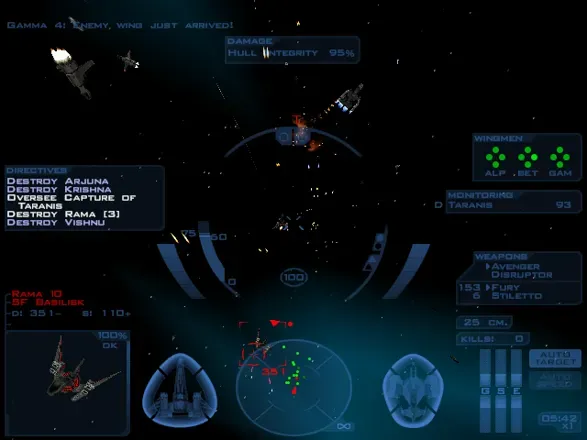
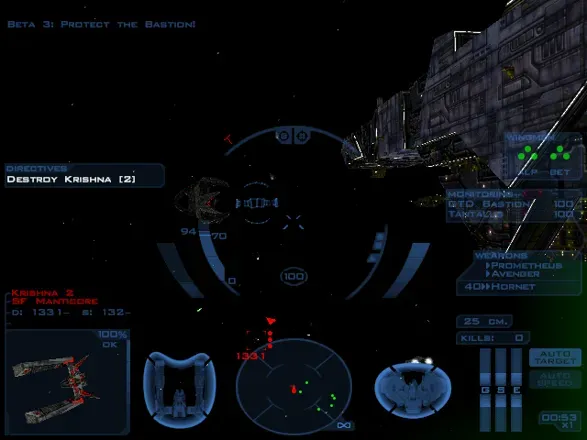
This space combat simulation centers on fast-paced starfighter engagements, objective-driven missions, capital-ship battles, escort duty, and squadron tactics. The design emphasizes weapons management, target prioritization, and situational awareness, with mission variety that moves beyond simple dogfighting into coordinated fleet warfare.
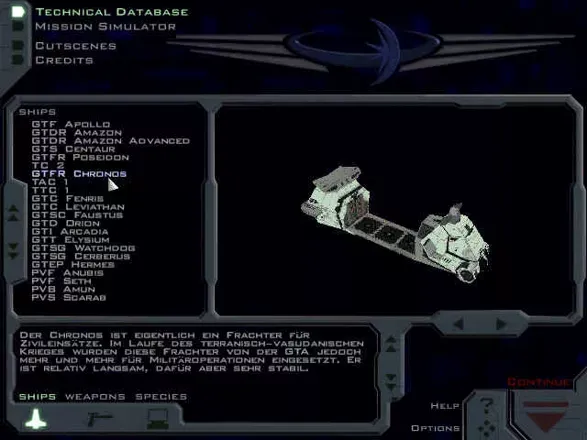
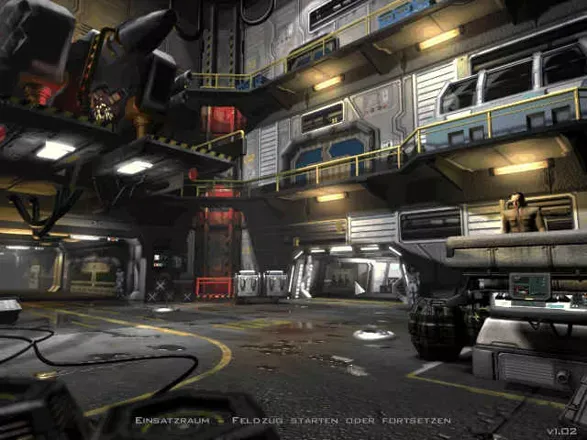
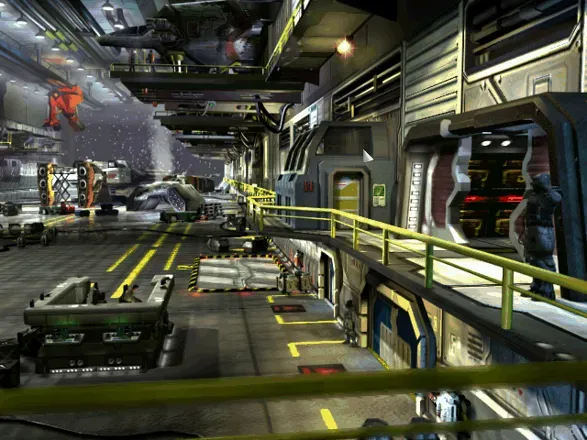
On Windows, the game reflected the era’s high-end PC ambitions with 3D acceleration support, detailed space environments, and effects-heavy combat presentation. Its audio-visual framework leaned into dramatic mission briefings, atmospheric sound design, and technically advanced rendering for the period, helping it feel expansive even on late-1990s hardware.
Collector’s Value & Rarity
Original PC copies are not generally treated as ultra-rare collector’s trophies, but they remain desirable to genre collectors because of the game’s reputation, franchise lineage, and historical importance within the PC space-sim scene. Market interest is strongest in complete, well-preserved copies tied to the original retail release rather than later digital editions.
Collector value increases when the set includes the original jewel case, manual, registration materials, and intact retail inserts, since period-correct PC packaging is often the main differentiator for enthusiasts. Regional naming differences tied to Conflict: FreeSpace – The Great War and the later Hyperion Entertainment port can also matter to preservation-minded collectors seeking variant documentation.