




Historical Context & Trivia
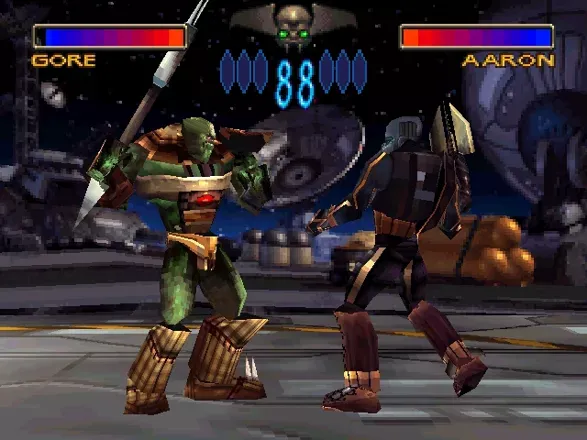
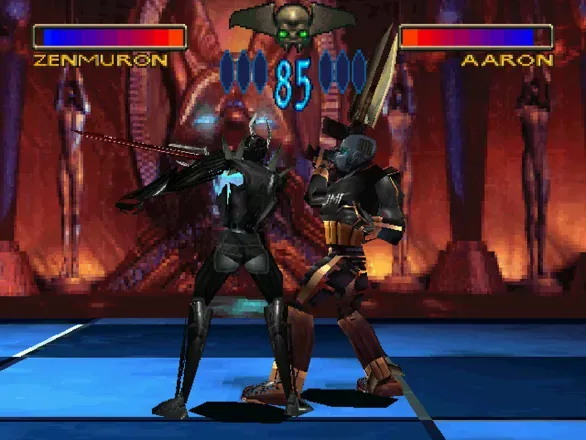
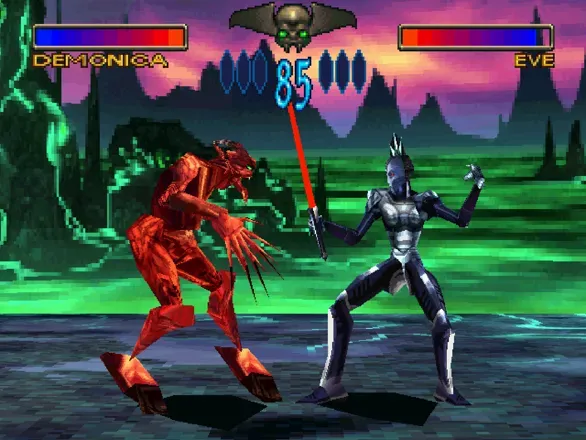
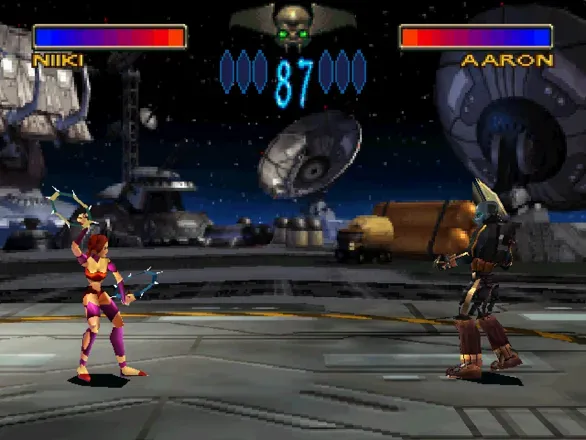
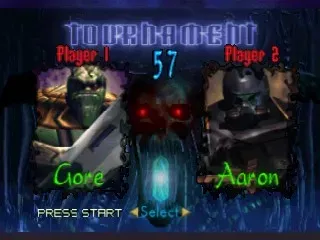
Dark Rift (1997) is a 3D fighting game that arrived on Windows after its original Nintendo 64 release, placing it within Kronos Digital Entertainment’s short but memorable run of visually ambitious late-1990s fighters. The game was part of a sci-fi lean-on-the-tournament formula that aimed to stand out through alien character designs, gore, and a faster presentation than many of its contemporaries.
Kronos Digital Entertainment developed the game and Vic Tokai handled the original publishing, with later digital availability tied to Piko Interactive LLC on modern storefront releases. The Windows version was released in North America in October 1997, which makes it a straightforward PC adaptation of a console fighter rather than a separate redesign.
Gameplay & Technical Features
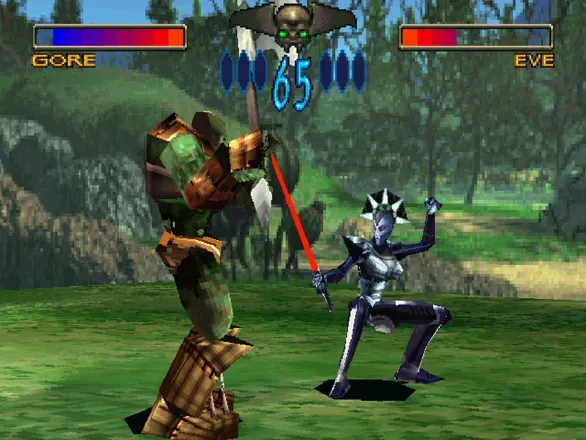
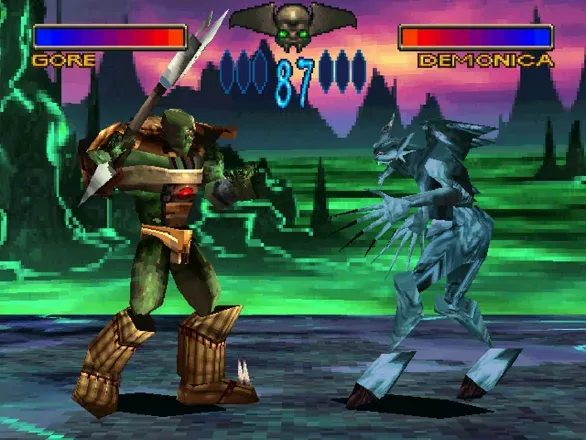
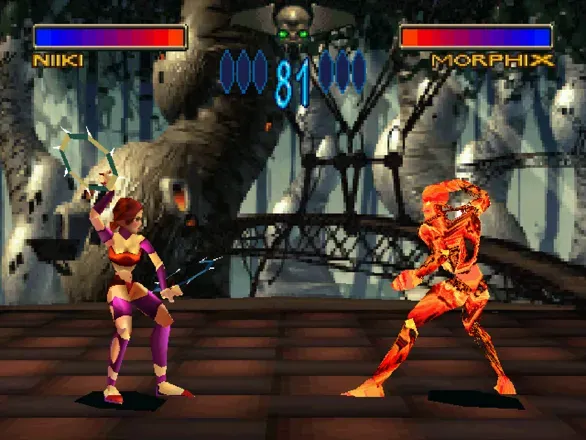
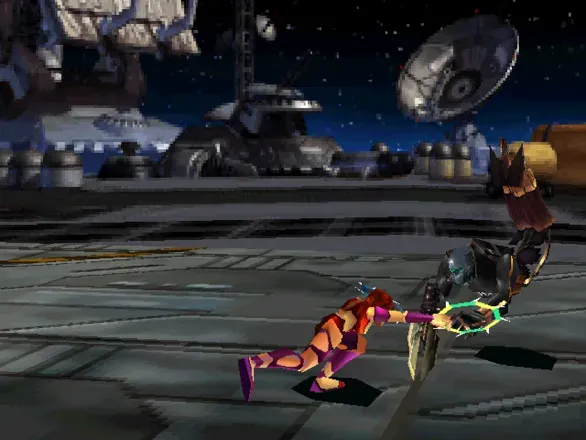
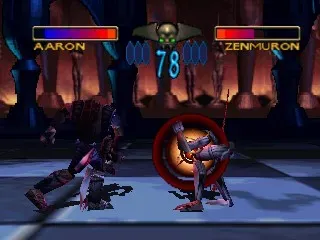
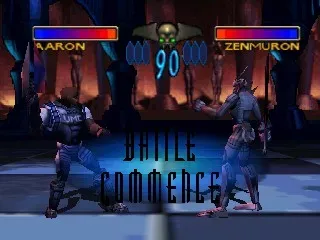
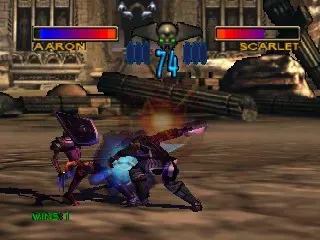
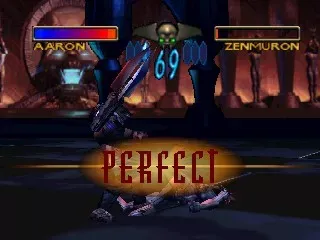
Dark Rift is a fighting game built around one-on-one battles in a 3D arena, with side-stepping, projectiles, throws, and combo-heavy character move sets. Its roster mixes alien and human combatants, and the match flow emphasizes spacing, counters, and movement as much as raw attack strings.
On Windows, the game preserved the core 3D presentation and sci-fi arena style associated with the original release, with visuals and animation reflecting the era’s early polygonal fighting-game standards. The PC edition is historically notable as a late-1990s port of a console fighter, and its modern reissue packaging has helped keep the title accessible to current PC players.
Collector’s Value & Rarity
Dark Rift is not generally considered a top-tier rarity, but original late-1990s PC copies and console-era releases can still attract interest from collectors focused on early 3D fighters and niche sci-fi combat games. Its market appeal is driven more by genre curiosity and platform history than by mass-market fame.
For collectors, the most relevant variations are the original Windows release materials and later digital distribution editions associated with Piko Interactive LLC. Physical completeness matters, especially if the original case, disc, and printed inserts are present, since those pieces are often what distinguish a standard copy from a preservation-focused set.