



Overview
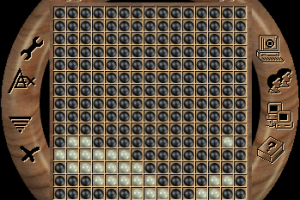
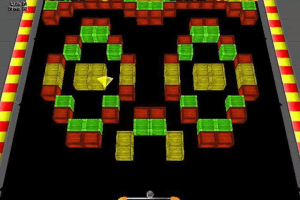
Released in 1978 by Atari, Inc., this arcade classic was a significant evolution in the gaming industry. Set within the confines of a simplistic yet engaging interface, the player is tasked with using a rudimentary paddle to bounce a ball against a wall of bricks, with the objective of breaking them all. The game’s simple mechanics and ever-increasing speed create a thrilling challenge.
Historical Significance
The game was an innovative twist on the classic Pong, and it became highly influential in the action game genre. Its creator, Nolan Bushnell, inspired by the ideas of arcade cabinets bringing entertainment to homes, spearheaded this project. Notably, Steve Jobs and Steve Wozniak were involved in its development, with Wozniak focusing on creating a streamlined, efficient version that used fewer computer chips.
Development Insights
During its development, the technology limitations of the time posed considerable challenges. Wozniak’s involvement led to a design that radically reduced the number of chips required, a testament to brilliant engineering and innovation. This collaboration would later become a stepping stone in the founding of Apple Inc., turning the project into a legendary tale of tech history.
Gameplay Dynamics
The gameplay, while simple, was highly addictive. As players progressed, they were met with an increase in difficulty that demanded quick reflexes and strategic timing. The addictiveness of the game spawned numerous clones and inspired future brick-breaking games. Its enduring appeal is evident through its continued presence in modern gaming environments, from retro arcade machines to mobile platforms.
Legacy
This title remains a cherished piece of gaming history, often cited as a pioneer in gaming design and development. Its influence is seen in countless games that adopted and adapted its core mechanics, cementing its status in the gaming pantheon as a quintessential example of accessible and engaging game design.