

Historical Context & Trivia
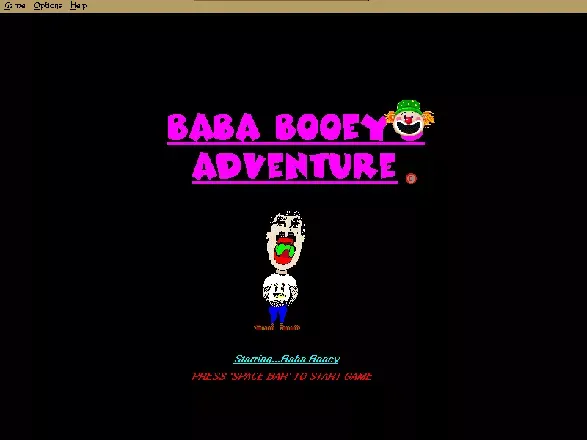
Baba Booey’s Adventure is presented here as a 1994 Windows 16-bit action title, but the available evidence points to a privately made fan game rather than a commercial retail release. The only substantial historical account describes it as an early, “very primitive” project created with Klik & Play and later removed because of legal problems, which strongly suggests limited circulation and unofficial distribution.
The documented creator appears to be Mark Mercer, who says he built the game while experimenting with Windows 3.11-era authoring tools and even sent copies to Fred Norris and Gary. That account is the clearest verified background currently available, while the listed “various distributors” and “expert designers” do not match any corroborated commercial credits in the sources provided.
Gameplay & Technical Features
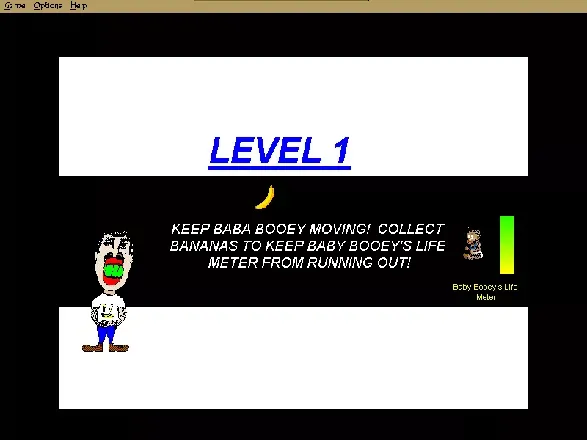
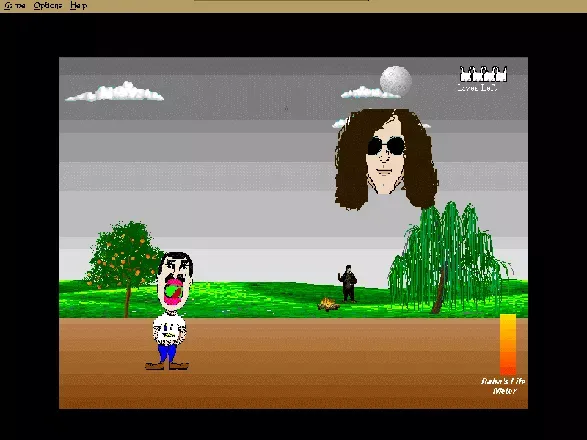
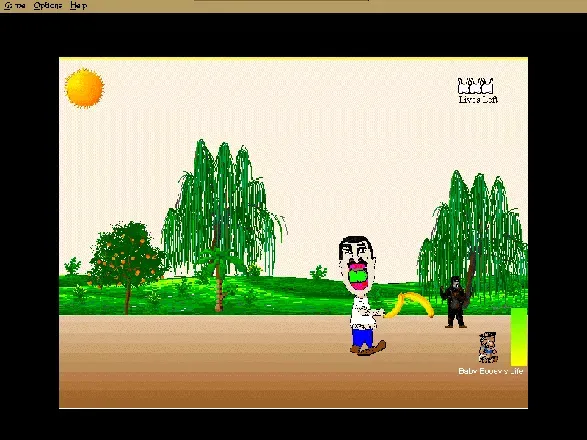
Based on the surviving description, the game was a simple side-scrolling or arcade-style action project built around avoiding hazards rather than deep combat systems. The only specifically described gameplay element is the player controlling a cartoon version of Gary while dodging “snots” coming from a floating head, which places it firmly in the category of lightweight novelty gameplay.
Its technical identity is tied to the Windows 3.11 ecosystem and the Klik & Play creation tool, which explains the small-scale animation and primitive presentation. The source material does not document sound design, resolution, or broader engine capabilities, so the safest historical reading is that it was a modest 16-bit Windows prototype-level release rather than a polished commercial product.
Collector’s Value & Rarity
Baba Booey’s Adventure appears to be effectively lost or at least extremely difficult to verify in preserved form, with the creator noting that it is “no longer available because of legal problems.” That combination of unofficial origin, legal suppression, and lack of cataloged retail distribution makes it a preservation curiosity rather than a conventional collectible title.
No reliable evidence in the provided material confirms boxed packaging, regional variants, manuals, or distributor-specific editions. If any physical copies existed, they were most likely informal floppy-disc shares rather than standardized retail media, which would make surviving examples exceptionally scarce and highly dependent on private archives.