


Introduction to 3D-Pinball (1989)
3D-Pinball is a classic pinball simulation game that offers an immersive experience that brings the fun and thrill of an arcade pinball machine directly to your computer screen. Released in the late 1980s, this game was well-received for its innovative approach to a digital representation of a beloved arcade pastime.
Gameplay and Features
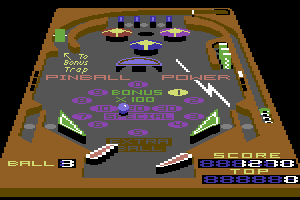
The game captures the essence of traditional pinball. Players are tasked with controlling flippers to direct the ball within a simulated pinball machine layout. The objective is to score points by hitting various targets and navigating tricky obstacles.
- Realistic Physics: The game was celebrated for its realistic ball physics, bringing an authentic feel of a real-life pinball table.
- Diverse Challenges: Included a variety of challenges and bonuses to keep players engaged, ensuring every game was a unique experience.
- Vibrant Sound Design: Accompanied by engaging sound effects reminiscent of the buzzing arcade halls, heightening the gaming experience.
Historical Context and Significance
During the time of its release, 3D-Pinball was innovative due to its use of graphics and physics that pushed the boundaries of what video games could accomplish. The late ’80s marked a time when developers were exploring the capabilities of emerging personal computer technology, and this game stood as a testament to those pioneering efforts. Its impact is seen in the way modern pinball simulations continue to adopt similar physics engines and gameplay mechanics.
Legacy
This simulation set a precedence in the genre, influencing subsequent pinball games across various platforms. Despite newer, technologically advanced games in the genre, it remains a nostalgic piece for enthusiasts and represents an important step in video game evolution.
Whether you’re a fan of classic arcade games or enjoy the thrill of mastering pinball strategies, this title remains a must-experience for any gaming aficionado interested in the genre’s history.