



Introduction
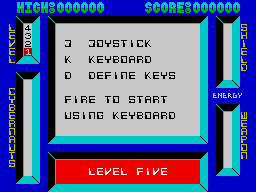
Released in 1987, Level 5 is a classic video game that emerged during the vibrant era of arcade and home console gaming. Developed for early computer systems, this game is a reflection of the technological and creative aspirations of its time.
Gameplay Overview
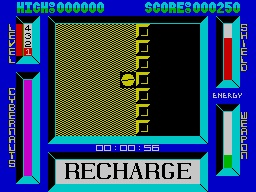
The game is a puzzle/strategy hybrid that challenges players to navigate complex levels filled with various obstacles and challenges. Each level increases in difficulty, requiring players to think critically and employ strategic planning to progress. The interface is simple yet effective, reflecting the design limitations of the era while offering a surprisingly deep gameplay experience.
Technical Aspects
Employing the 8-bit graphics typical of its time, the visuals are characterized by vibrant colors and pixelated artwork that exudes nostalgia. The sound design features catchy chiptune music and sound effects that complement the on-screen action, enhancing the overall experience.
Cultural Impact
While not as widely recognized as some of its contemporaries, the game holds a special place in the hearts of retro gaming enthusiasts. It represents a significant period in gaming history where innovation was at the forefront, and developers were beginning to explore more complex game mechanics and storytelling techniques.
Legacy
Today, the game is considered a hidden gem among retro gaming communities. Its influence can be seen in modern puzzle games that echo its simplistic yet challenging approach. Emulators and retro gaming consoles have allowed a new generation of players to experience this classic, keeping its legacy alive in the gaming world.
Development and Trivia
The game’s development was a testament to the creativity and ingenuity of its creators, who worked within the constraints of the technology available at the time to deliver an engaging and memorable experience. A lesser-known fact about the game is that parts of its code were reused and adapted in other projects by the same developers, showcasing the resourcefulness typical of 1980s game development practices.