

Overview
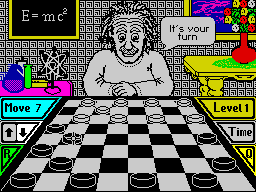
Released in 1987, Draughts Genius is a classic digital interpretation of the strategic board game commonly known as checkers. Designed for single-player experiences, it provided enthusiasts with the opportunity to test their skills against computer opponents, effectively serving as both a learning tool and a source of entertainment for draughts enthusiasts.
Gameplay
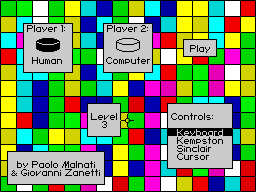
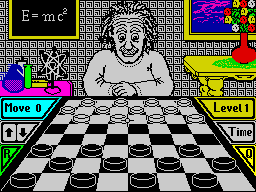
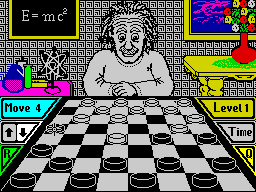
The game offered a conventional representation of draughts, featuring an 8×8 checkered board and allowing players to engage in strategic duels against AI. The goal, as in traditional draughts, was to capture all of the opponent’s pieces or block them so they could not move. The inclusion of multiple difficulty settings provided both beginners and seasoned players with an appropriate level of challenge.
Development and Legacy
While not widely known for revolutionizing the genre, the game holds a special place among retro gaming enthusiasts. Its simplistic yet engaging gameplay mirrored the essence of traditional draughts, making it a reliable digital companion for fans of the classic board game. Despite its straightforward presentation, the game contributed to the rise of interest in digital board game adaptations during the late 1980s.
Technical Features
The game was developed for early personal computers, offering a minimalist visual design typical of its era. The user interface was utilitarian, focusing on functionality and ease of use. Its programming and AI capabilities, though limited by today’s standards, were considered advanced for the time, providing a challenging opponent for players without access to human competitors.
Conclusion
Though it may not have attained critical acclaim or widespread recognition, this game remains a noteworthy footnote in the history of digital board game adaptations. For those with an appreciation for classic strategic challenges, it serves as a nostalgic reminder of the early days of computer gaming.