

Overview
Released in 1995, Sid Meier’s CivNet represents a significant entry in the famed Civilization series, offering players the chance to dive into the thrilling realm of strategy through an innovative multiplayer experience. Developed by MPS Labs, CivNet was designed to build on the success of the original Civilization game, with a particular focus on delivering multiplayer capabilities.
Gameplay Features
This version stays true to the series’ core mechanics, where players take on the role of a civilization leader tasked with building an empire. Keep your citizens content and manage resources effectively while competing with others for global dominance. CivNet was pivotal in bringing networked multiplayer matches to the Civilization franchise, allowing for up to eight players to compete against one another via local area networks or the internet.
Historical Significance
As one of the pioneering games in the multiplayer strategy genre, CivNet highlighted the potential for online and networked play, paving the way for future iterations. The game provided a glimpse into the future of gaming, where connectivity and online experiences would become integral to the gaming landscape.
Technical Details
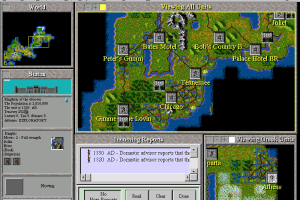
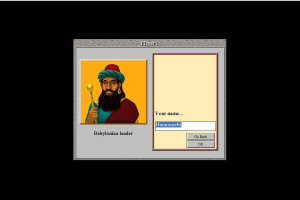
CivNet used enhanced graphics compared to its predecessor, featuring a Windows-based interface that was an upgrade from the DOS-only visuals of earlier entries. The game allowed for both collaborative and competitive play modes, including email-based “play by mail” games, which emphasized strategic planning over long periods.
Curiosities
- The game was not just a mere multiplayer adaptation but included improvements such as animated units and a refined graphical interface.
- CivNet included a chat functionality, considered a novel feature at the time, which enhanced player interactions.
- The incorporation of multiplayer elements marked a significant shift for the series, influencing the development of future Civilization titles.