



An Overview
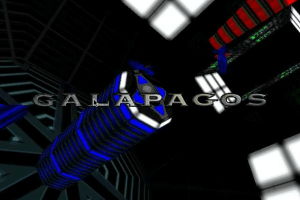
Galapagos, released in 1997 and developed by Anark Corporation, is a unique puzzle-platformer that emerged during a period of experimental game design. It presents itself as both a technical marvel and a challenging experience, pushing the boundaries of player interaction through a dynamic gameplay environment.
Gameplay Mechanics
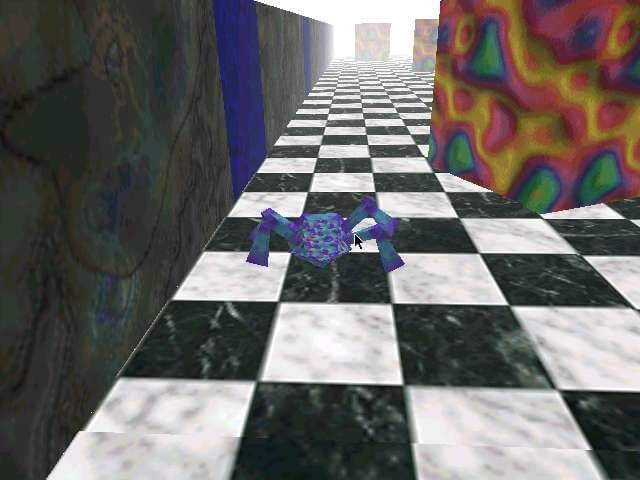
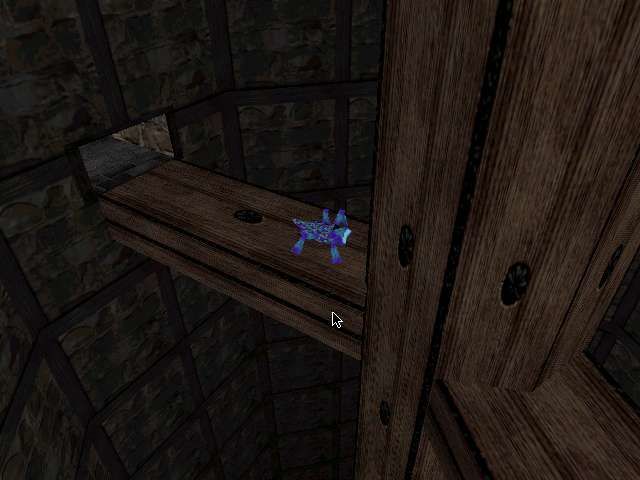
The game features an AI-controlled creature named Mendel, whose movements and actions the player must influence indirectly to navigate through various levels. Rather than controlling Mendel directly, players manipulate the environment to guide Mendel safely to exit points. This creates a unique and challenging experience, as players must anticipate Mendel’s reactions to the changing surroundings.
Technical Innovations
Anark Corporation made significant strides in AI technology with Galapagos. The game’s development is noted for its use of adaptive learning techniques, which allowed Mendel to alter its behavior based on player interactions. This adaptive mechanism was groundbreaking at the time, offering a dynamic gaming experience that differed with each playthrough.
Historical Context and Development
The late 1990s saw a surge in innovative game development, with Galapagos being a part of this creative wave. Anark Corporation’s focus on AI-driven gameplay distinguished it from contemporaries that primarily relied on scripted actions and player-dependent tasks. Despite its innovative nature, Galapagos remained a niche title, appreciated for its pioneering approach rather than mainstream commercial success.
Legacy and Impact
While Galapagos may not have achieved widespread acclaim, it provided valuable insights into the potential of integrating AI within interactive entertainment. The game’s approach to AI-driven mechanics has influenced subsequent game developers exploring non-traditional control schemes and dynamic AI environments.