

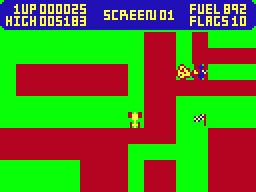
Overview
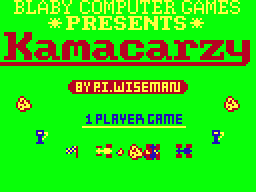
In 1985, the gaming world saw the release of Karma Carzy, a unique title that combined racing with strategic decision-making. This avant-garde game challenged players to navigate through a series of increasingly difficult tracks, all while managing their “karma” levels, which influenced the game’s outcome.
Gameplay Mechanics
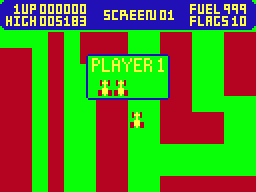
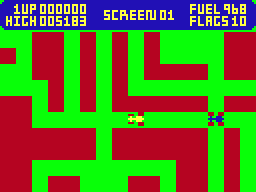
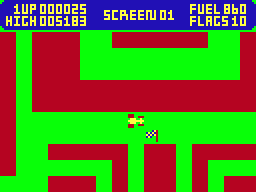
Karma Carzy distinguished itself with innovative gameplay mechanics for its time. Players controlled vehicles with the goal of reaching the finish line, but success depended on much more than speed. Each choice in the game, from the route taken to interactions with other characters, affected the player’s karma. Positive karma rewarded players with boosts and shortcuts, while negative karma could lead to penalties and obstacles.
Historical Significance
Though not achieving the commercial success of more prominent titles from the same era, Karma Carzy has become a cult classic, appreciated for its early exploration of moral choices in gaming. It stands as a precursor to many modern games that incorporate player choice as a significant element influencing game outcomes.
Development and Legacy
Developed by a small team of passionate enthusiasts, the game boasted an impressive array of features for its time. The notion of a moral compass in a racing game was groundbreaking, influencing how future developers approached storytelling and player engagement. Today, Karma Carzy is often cited in retrospectives as a pivotal title that blended gaming genres and laid the groundwork for future innovations in interactive storytelling.