


Overview
This 1989 game is a digital rendition of the classic board game that has its roots deeply embedded in Indian culture. Often considered the national game of India, the traditional version of this game has been enjoyed by players for centuries and has been known to have similarities to the modern game of Ludo.
Gameplay
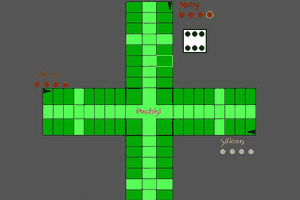
The game is based on classic board mechanics where players attempt to move their pieces around the board based on the roll of a dice. The objective is to get all of your tokens to the end point before your opponents. Though simple in design, it demands strategic movement and a fair amount of luck with the dice rolls.
Historical Context
While not particularly revolutionary in terms of digital gaming innovation, the release of this game in 1989 can be appreciated for bringing a beloved and traditional game from physical board to digital screens, allowing a broader audience exposure to an integral part of Indian gaming history. This digital version permits players from all over the world to experience the a timeless pastime in a fresh, accessible format.
Curiosities
One interesting historical tidbit about the original board game is that it was said to have been a favorite of Emperor Akbar during the Mughal era, who famously played it with live pieces on courtyards floored with painted boards.
Conclusion
Overall, the 1989 version serves not only as a game but also as a cultural ambassador, introducing players worldwide to a traditional Indian board game. While it may not have the complex graphics or deep storytelling of other video games from its era, it holds a unique position due to its cultural heritage and straightforward, engaging playstyle.