



“`html
Introduction
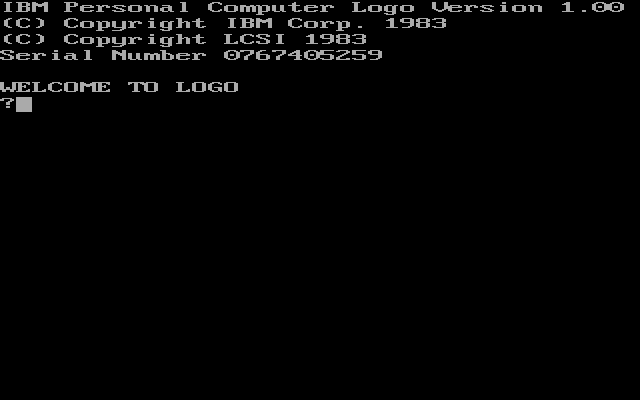
In 1983, IBM developed and released a unique video game designed to engage users in an educational experience. Created during an era marked by rapid technological advancements, this game stood out as an innovative tool intended to make learning computing concepts more approachable and enjoyable.
Gameplay and Features
The game focused primarily on teaching programming through an interactive and hands-on approach. It utilized a user-friendly interface to introduce fundamental coding concepts, making it accessible to a wide range of players. This educational intent was backed by the inclusion of exercises and challenges aimed at reinforcing the player’s understanding of programming fundamentals.
Historical Significance
Although not widely known as a commercial success, the release served as a stepping stone in the use of video games for educational purposes. IBM’s commitment to integrating learning with entertainment laid the groundwork for future developments in educational gaming.
Development Insights
Conceived at a time when home computing was becoming more prevalent, the development by IBM aligned with the company’s broader strategy to appeal to an emerging market of personal computer users. This alignment showcased IBM’s vision of transforming computers into tools not only for business or scientific functions, but also for personal development and education.
Legacy and Impact
The impact of the game can be seen in its role as an early example of using interactive media for educational purposes, inspiring subsequent generations of educational software design. It highlighted the potential of blending technology with learning, a concept that continues to be explored and expanded upon today.
“`