

Overview
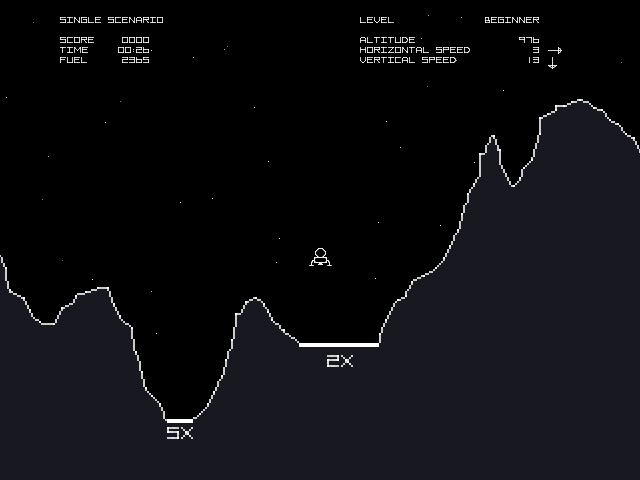
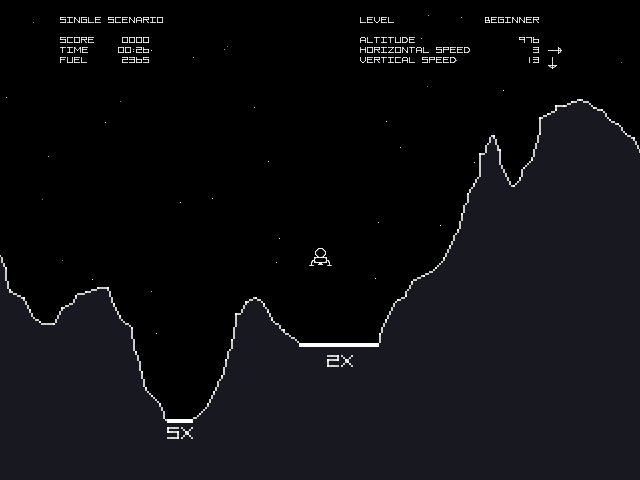
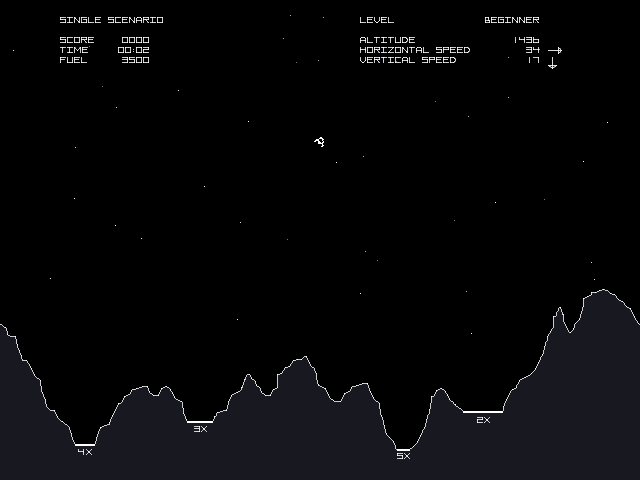
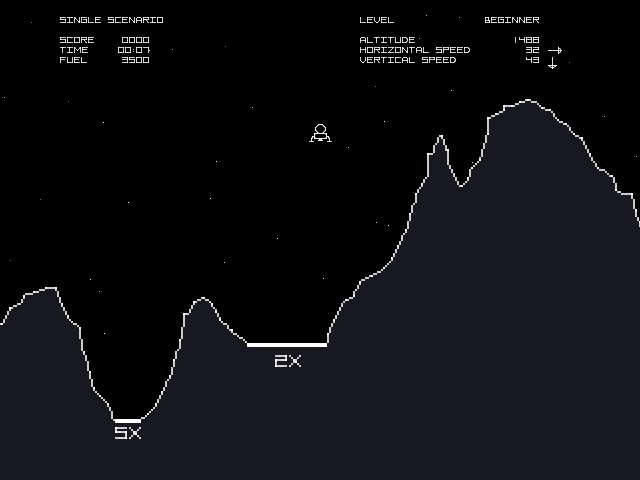
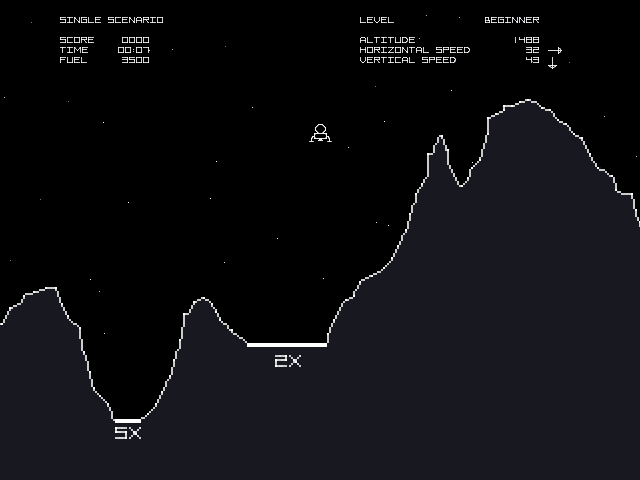
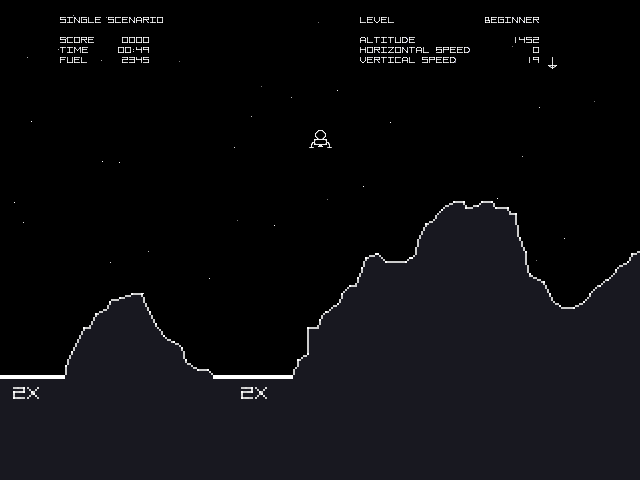
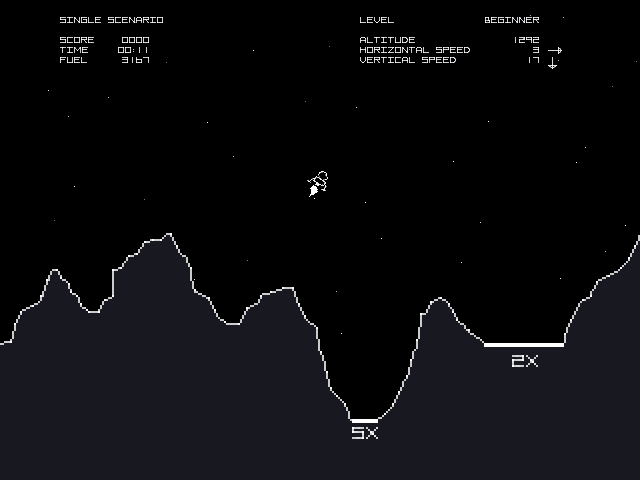
Released by Atari, Inc. in 1979, this classic arcade game challenges players with the task of landing a lunar module safely on the surface of the moon. Known for its realistic physics simulation, the game requires players to utilize thrust controls effectively while managing fuel consumption to achieve a successful landing.
Gameplay Mechanics
The game simulates the lunar module’s descent with precise gravity effects, requiring careful manipulation of altitude, velocity, and fuel. Players must balance each of these elements while dealing with the challenging topography of the moon’s surface, navigating craters and uneven terrain to find a suitable landing spot.
Historical Significance
Considered a precursor to modern physics-based games, this title was among the first to focus heavily on realistic physics simulations, making it an important milestone in gaming history. It played a role in the emergence of simulation-style games which would grow more popular in the following decades.
Development and Impact
The creation of this game was inspired by the space race and the moon landings of the late 1960s and early 1970s, capturing the public’s fascination with space exploration. Atari’s adaptation into an arcade setting allowed players to engage directly with these themes, combining entertainment with an educational aspect of physics-based problem-solving.
Cultural Legacy
Although technology has evolved substantially since its release, the gameplay remains iconic, and it continues to be appreciated for its contribution to the art of game design. The legacy of this pioneering game persists in the continued development and popularity of space and flight simulators.