




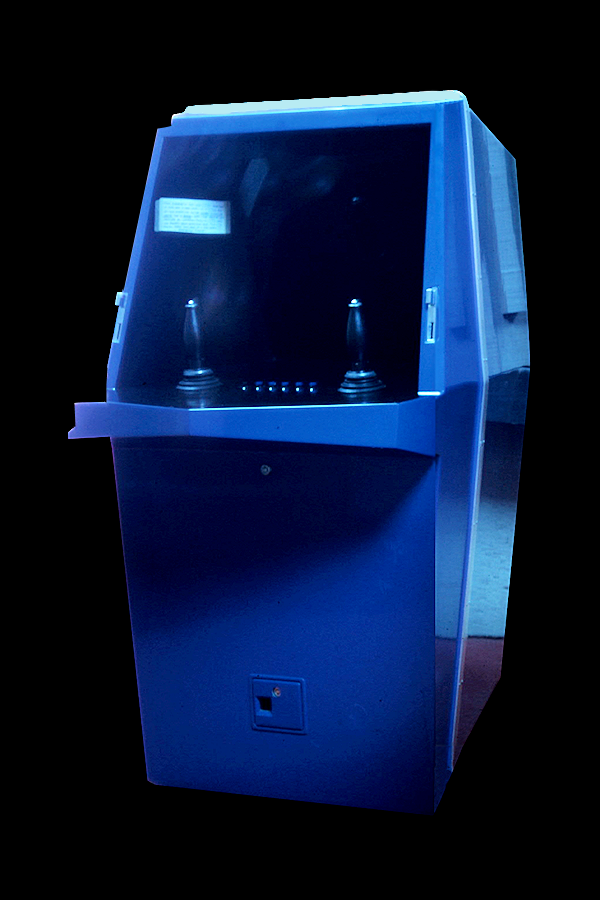


Overview
In 1971, Galaxy Game became one of the earliest arcade video games ever created. Developed by Computer Recreations, Inc., it was a pioneering endeavor in the world of digital gaming, setting the stage for future innovations in the industry.
Gameplay
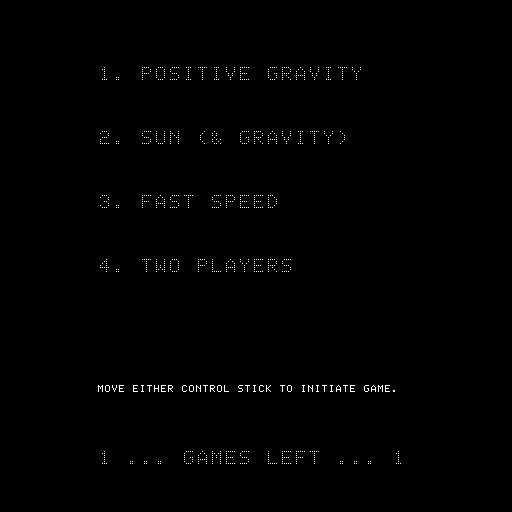
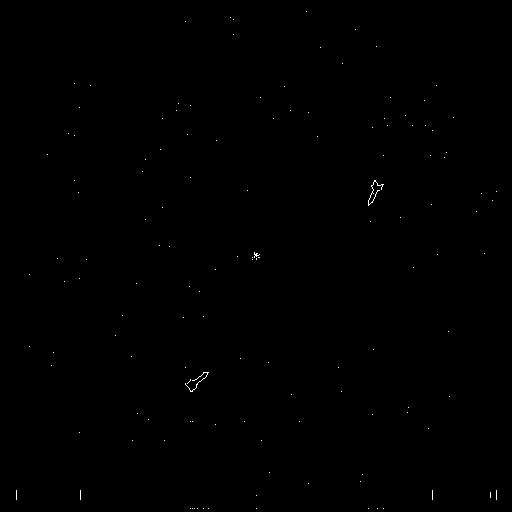
The game was a version of the classic Spacewar!, originally designed in 1962 by Steve Russell. Players control ships armed with missiles and engage in a space battle, navigating gravity wells and avoiding collisions. The competitive element lies in defeating an opponent by outmaneuvering and outshooting their spacecraft.
Historical Significance
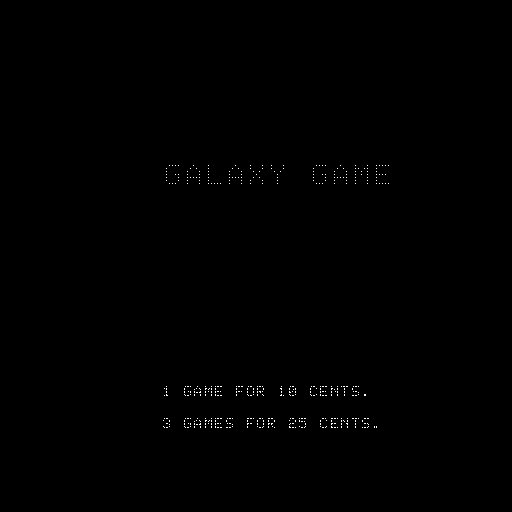
This game holds a significant place in gaming history as it was one of the first coin-operated video games. Installed at the Stanford University’s Tresidder Union, it could entertain players for ten cents per game or three games for a quarter. While it was not commercially mass-produced, its presence in a public space signaled the dawn of interactive gaming available to a broader audience.
Development and Legacy
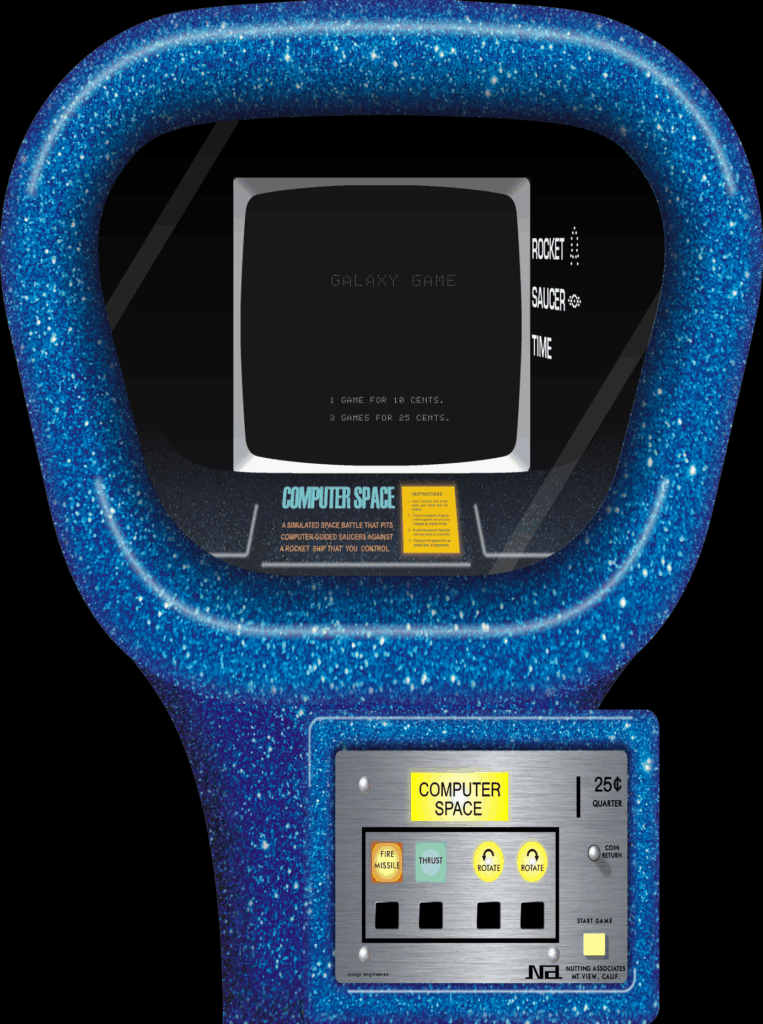
Designed and programmed by Bill Pitts and Hugh Tuck, the game was housed within a custom console that used a DEC PDP-11 computer and vector displays. This innovative use of technology showcased the potential of video games and inspired other developers, leading to the rapid growth of the arcade industry in the following years.
Fascinating Trivia
The game was created during a time when the concept of video gaming was mostly restricted to academic environments. Its establishment in a social hub like Stanford’s campus opens a chapter in gaming history where interactive entertainment begins to touch mainstream culture, hinting at the expansive future lying ahead.