

Introduction to a Revolutionary Chess Program
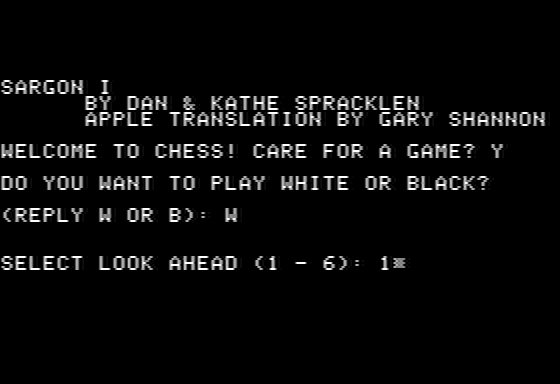
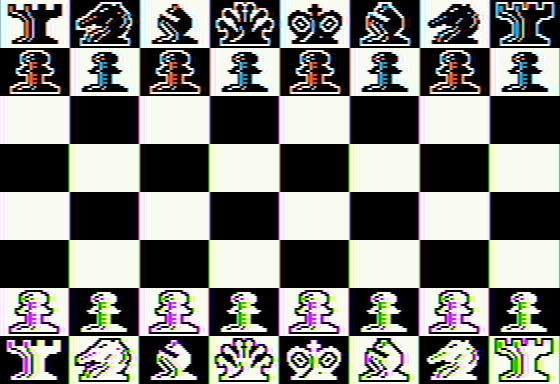
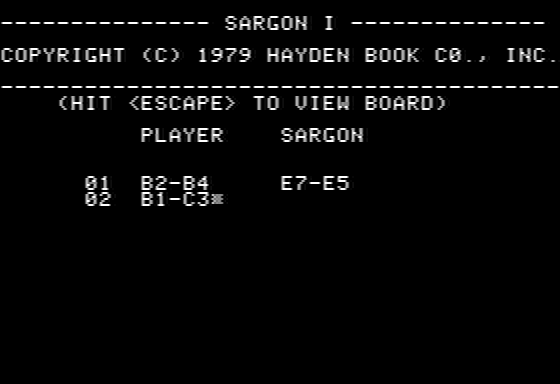
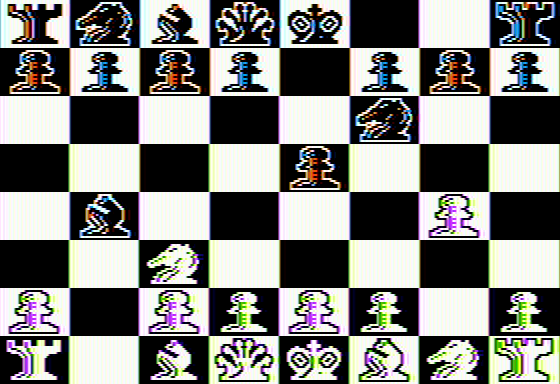
In 1979, the world of computer games witnessed a remarkable development with the release of Sargon, an innovative chess program designed specifically for home computers. It marked a significant leap in the realm of computer chess programs during the early days of personal computing, offering a challenging opponent for chess enthusiasts.
Development and Impact
Created by Dan and Kathleen Spracklen, Sargon was initially developed for the Zilog Z80 microprocessor. The program quickly gained traction and set the benchmark for future chess software. What made it stand out was its sophisticated artificial intelligence, which was capable of analyzing up to three moves ahead, a considerable achievement for its time.
The development process was fueled by a passion for both chess and computer programming, which resulted in a product that was both engaging and surprisingly adept at simulating human-like strategic thinking. The success of Sargon laid the groundwork for subsequent titles and versions, as it was improved and ported to other computer systems over the following years.
Legacy and Influence
The influence of Sargon in the domain of electronic chess was profound. It not only sparked interest in computer-based chess among enthusiasts but also inspired developers to push the boundaries of what computer programs could achieve. Its success was a catalyst for future innovations, leading to more advanced chess engines that would eventually challenge and even surpass the abilities of human players.
Fun Fact
One of the most interesting facets of Sargon‘s history is its entry into the first West Coast Computer Faire in San Francisco, where it won the best hobby software award in 1978, a testament to its superior design and programming excellence. This accolade was instrumental in boosting its popularity, leading to the commercial release the following year.
Conclusion
Sargon’s legacy is a testament to its innovative nature and its role in the evolution of computer chess programs. It remains an important part of the history of video games, illustrating how digital innovation can revolutionize traditional games, making them accessible and engaging across digital platforms.