

Overview
Released in 1982, the video game is a lesser-known title from the early era of computer gaming. It provides players with a unique puzzle-solving experience, where strategic thinking and clever solutions are key to progress. The game transcends traditional gameplay by offering a cerebral challenge with each level.
Gameplay
The game involves navigating through intricate mazes, solving a variety of puzzles that increase in complexity as the player progresses. Each scenario is designed to test the player’s problem-solving skills, demanding patience and ingenuity. The objective is to overcome obstacles by utilizing the limited resources available, testing both foresight and adaptability.
Graphics and Sound
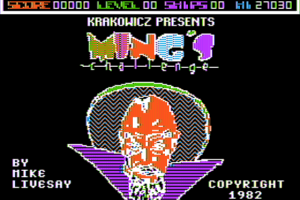
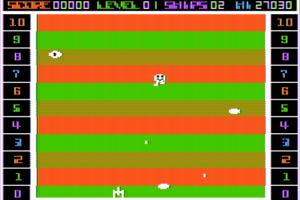
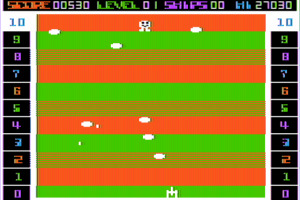
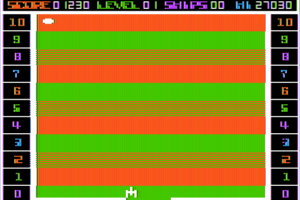
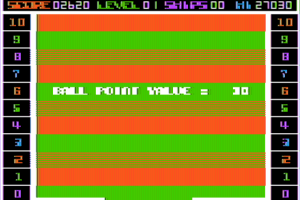
Reflective of its era, the graphics are simple yet functional, featuring pixelated visuals that serve their purpose of outlining the game’s environment. Sound effects are minimalistic, focusing instead on enhancing the immersive experience of solving complex puzzles. The absence of elaborate graphics and sound places the emphasis squarely on gameplay and mental acuity.
Historical Context
Though it didn’t achieve critical acclaim or widespread recognition at the time, the game’s design showcases early attempts at creating intellectually engaging video game experiences, setting a precedent for future puzzle games. It represents a snapshot of an era where experimentation and creativity were central to game development.
Legacy
While not a commercial success, the game’s approach has influenced indie developers in later years, inspiring a new generation of puzzle-centric titles. Its legacy lies in its contribution to the formation of puzzle gaming, serving as an early archetype for games focused on mental challenges rather than action or narrative.