

Overview
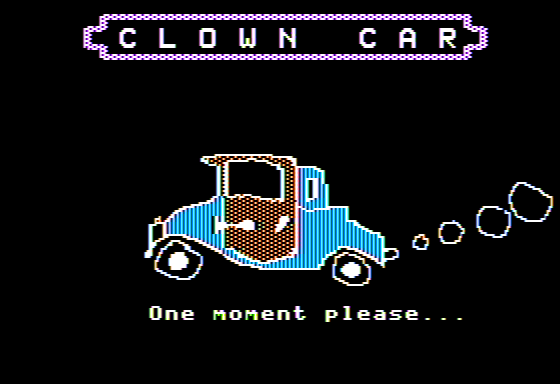
The 1982 educational video game was developed with the intention of making learning fun for children, integrating basic arithmetic operations with playful circus-themed activities. This simple yet engaging game aimed to hone basic skills in addition and subtraction through visually appealing graphics and interactive gameplay.
Gameplay
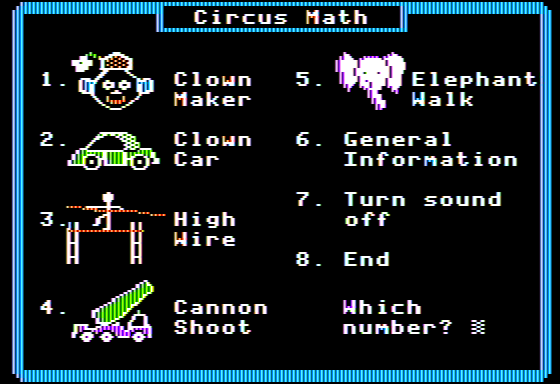
The game features a series of mini-games that present mathematical problems to the player. Each successful completion allows the player to continue through various circus acts such as juggling numbers, balancing equations on a tightrope, or solving puzzles to reveal hidden elements from a big top performance. The colorful, animated graphics and cheerful sound effects contributed to a lighthearted and captivating experience for young players.
Educational Value
A key feature of the game was its ability to adapt in difficulty, ensuring children of different age groups and learning speeds could benefit from and enjoy the challenges presented. The incorporation of positive reinforcement worked to maintain a child’s interest and encourage continuous learning through play.
Historical Context
Released during an early wave of educational software, the game found a place in both home and educational settings as computers started becoming more prevalent in schools and households. Although not one of the most talked-about titles of its era, the game contributed to the burgeoning market of educational video games, inspiring subsequent generations of edutainment content.