

Historical Context & Trivia
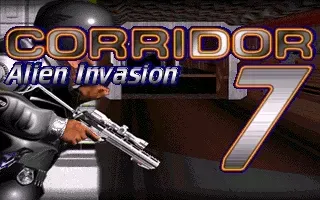
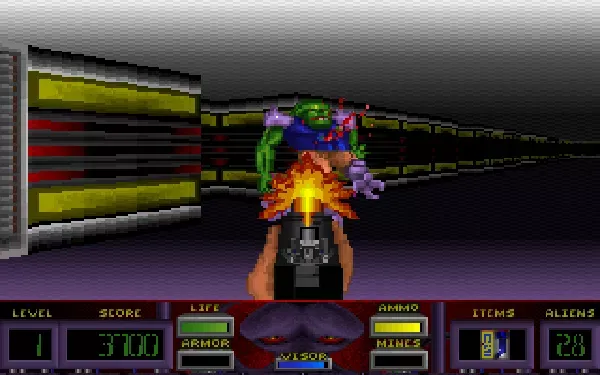
Corridor 7: Alien Invasion (1994) is a mid-1990s first-person shooter that sits in the wave of early DOS action games built around maze-like facilities, hostile alien forces, and a tense military sci-fi setup. It is best understood as a technically ambitious but comparatively lesser-known entry in the post-Wolfenstein 3D shooter boom, with later preservation and re-release efforts helping keep it visible to retro PC audiences.
The game was developed by Capstone Software and originally circulated through DOS-era publishing channels that included Expert Software, Inc.; later digital distribution under Ziggurat Interactive, Inc. kept the title available for modern players. Contemporary listings consistently place the game in 1994 on DOS, and surviving documentation describes it as an enhanced engine-based shooter with a strong sci-fi horror tone.
Gameplay & Technical Features
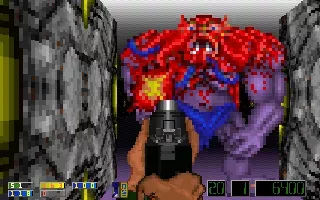
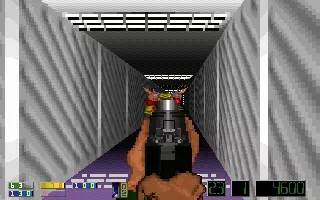
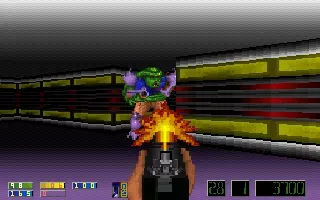
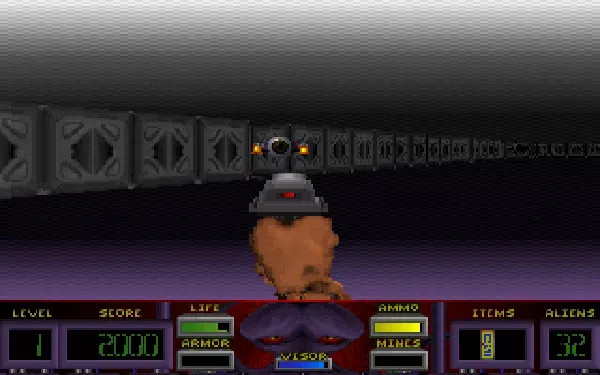
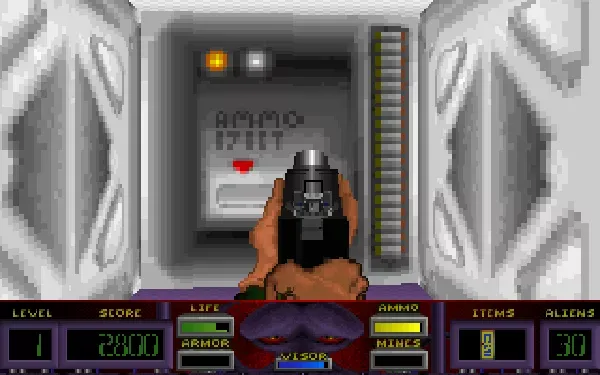
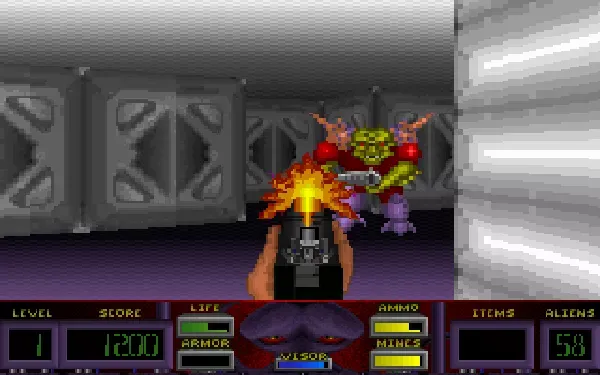
As an Action title, Corridor 7: Alien Invasion centers on corridor-based firefights, exploration through hostile research areas, and progression through layered enemy encounters inside an underground installation. The structure follows the classic early-FPS formula of navigating confined spaces, clearing threats floor by floor, and pushing toward the source of the invasion.
On the DOS platform, the game uses an enhanced Wolfenstein 3D-style framework with features commonly noted for the period, including transparent and animated textures, an automap, and distance shading. Some editions also expanded the experience with additional content, and CD-ROM releases are associated with extra levels, more enemies, multiplayer support, and CD audio presentation.
Collector’s Value & Rarity
Corridor 7: Alien Invasion is not generally treated as a high-end rarity, but it remains a notable preserved DOS shooter with modest collector interest because of its shareware/full-release history and its place in early PC action game history. Surviving copies are more often valued for completeness and historical interest than for extreme scarcity.
Physical release differences matter for collectors: the floppy version and CD-ROM edition are documented as meaningfully different builds, with the CD release adding content and audio enhancements. Boxed DOS packaging, manuals, disks, and any bonus material from the CD edition are the most relevant preservation details when identifying variant copies.