


Historical Context & Trivia
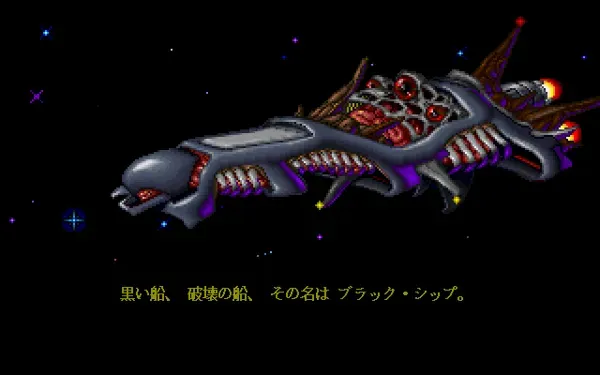
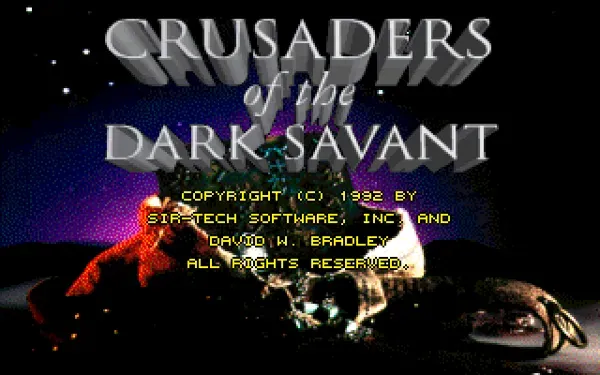
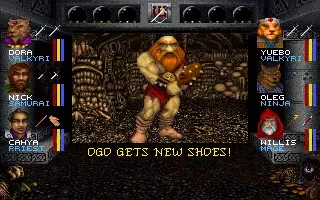
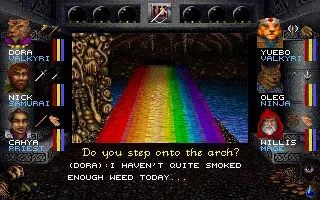
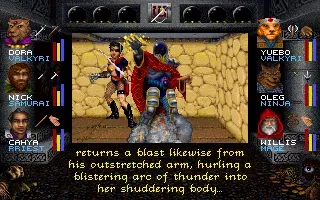
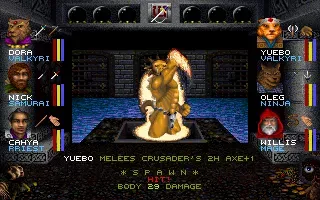
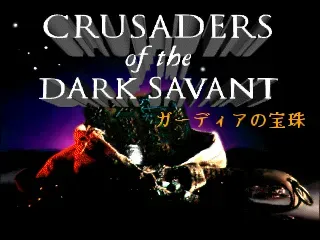
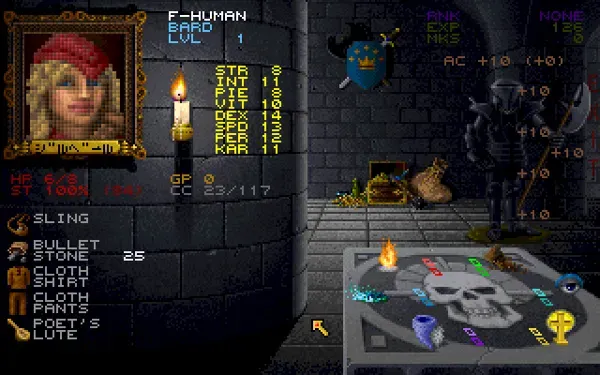
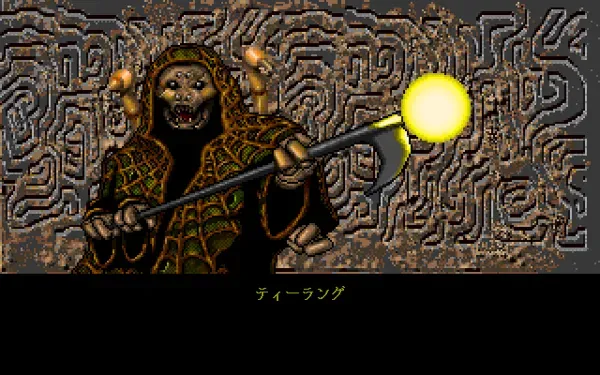
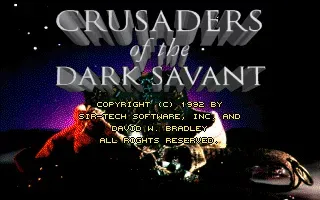
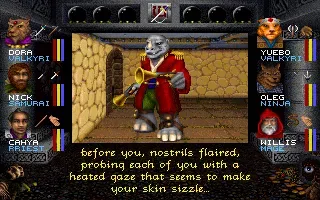
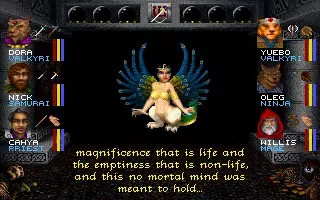
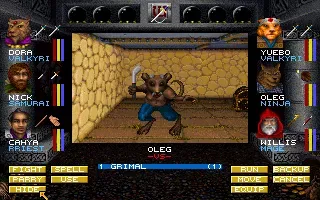
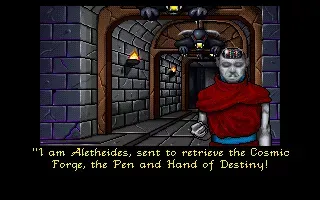
Wizardry: Crusaders of the Dark Savant was released in 1992 for DOS as the seventh main entry in the long-running Wizardry role-playing series, and it is also known as Wizardry VII: Crusaders of the Dark Savant. It stands as a notable late-era computer RPG that extended the franchise’s party-based dungeon-crawling identity into a more ambitious sci-fi-inflected fantasy setting.
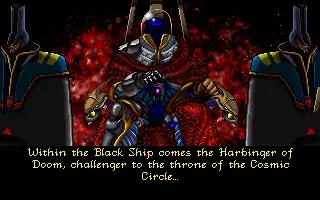
Sir-Tech Software, Inc. developed and published the game, and it is commonly recognized as part of the broader “Dark Savant” storyline that continued the narrative from the previous installment. The title later appeared on additional platforms, but its original DOS release is the version most associated with its 1992 debut and classic PC-RPG lineage.
Gameplay & Technical Features
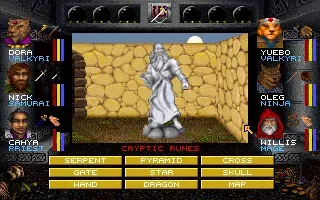
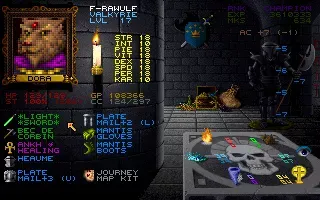
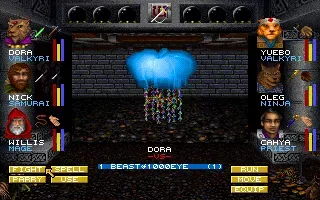
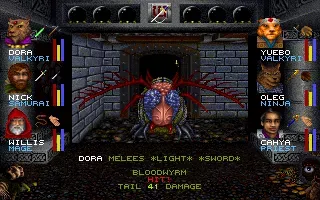
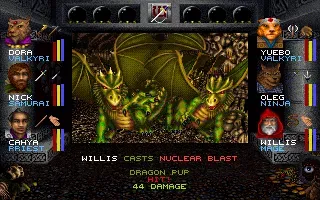
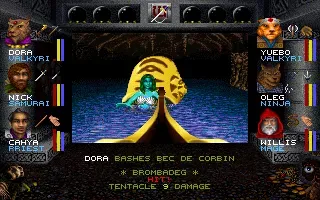
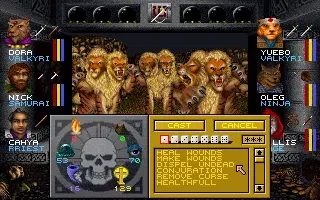
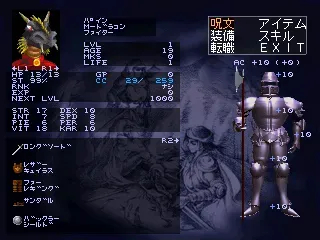
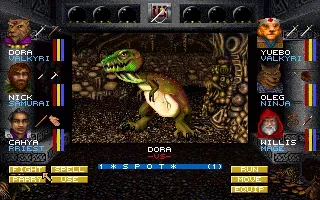
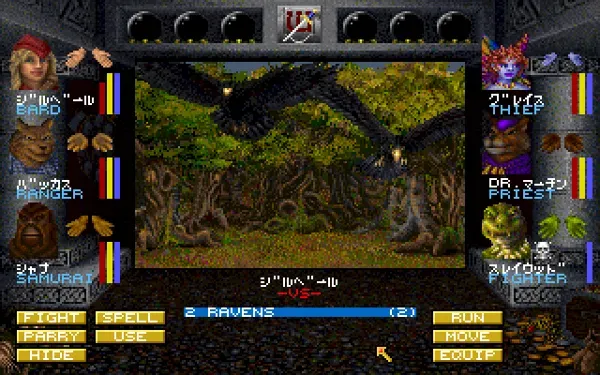
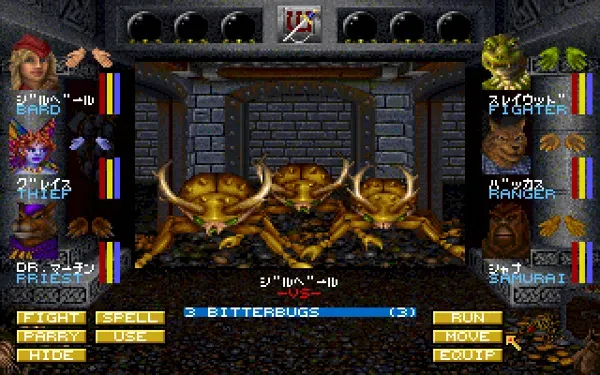
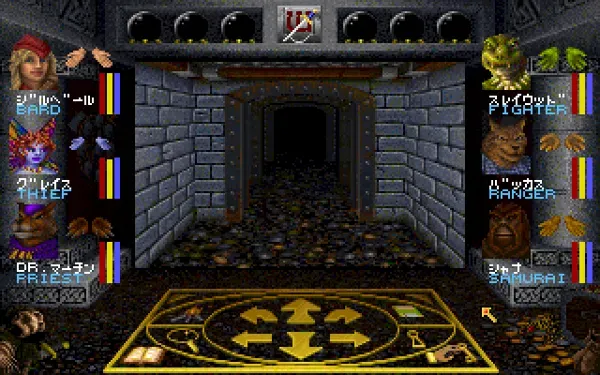
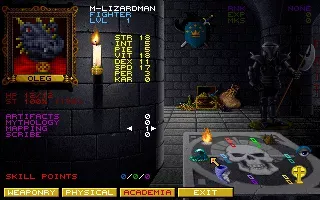
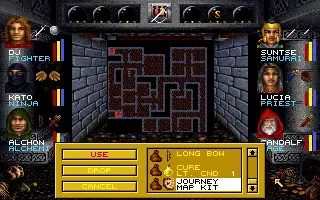
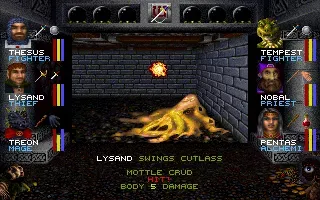
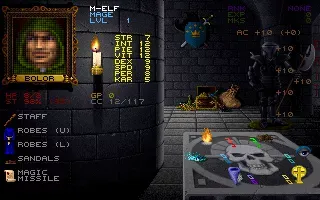
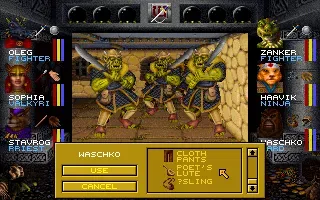
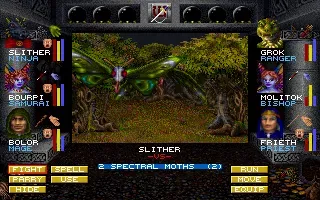
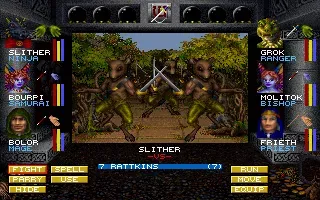
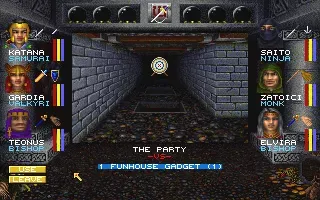
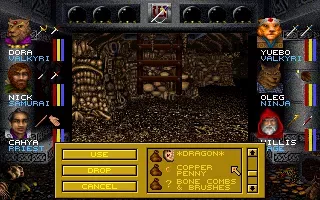
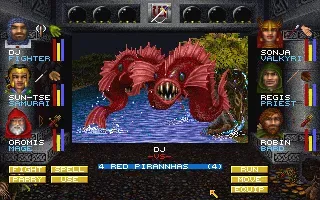
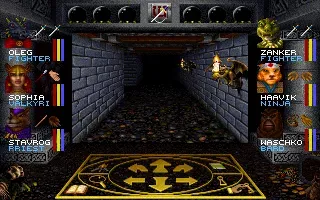
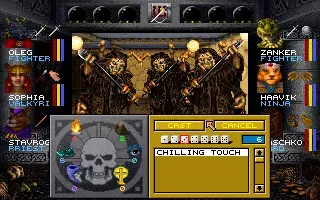
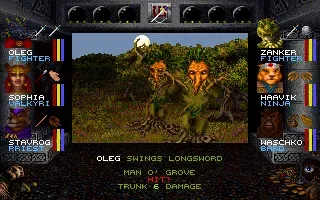
This Role-Playing game follows the traditional Wizardry formula of party management, exploration, combat, and character progression, with a strong emphasis on tactical decision-making and survival rather than fast action. Its structure reflects the series’ old-school design philosophy, where careful resource use and party composition matter throughout the adventure.
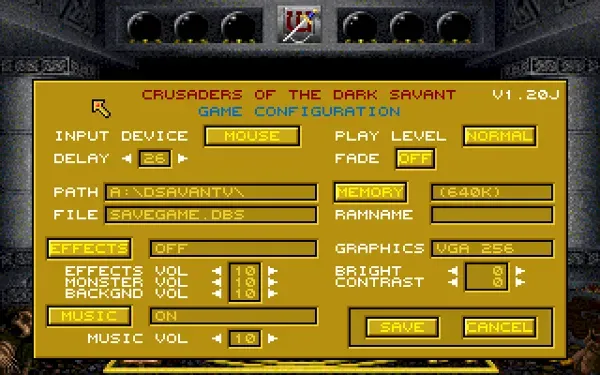
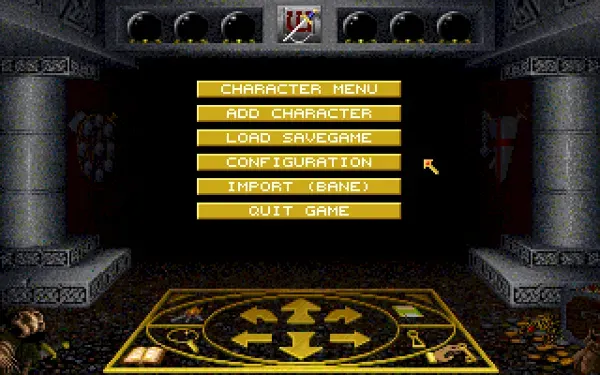
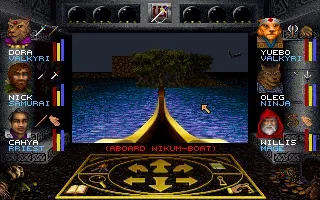
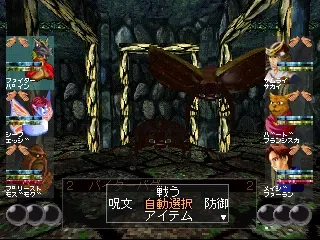
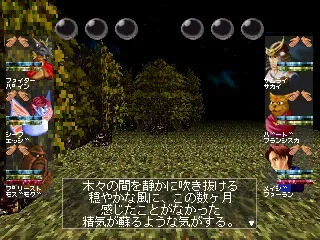
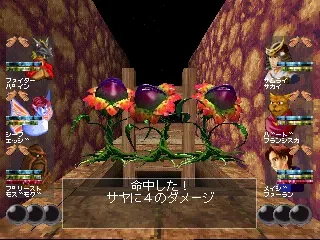
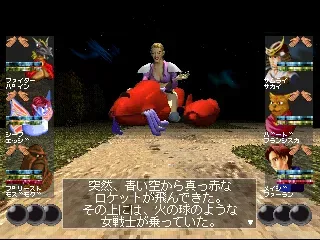
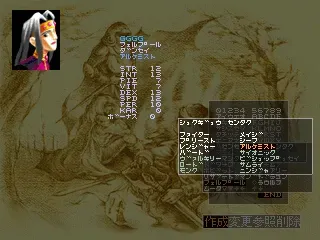
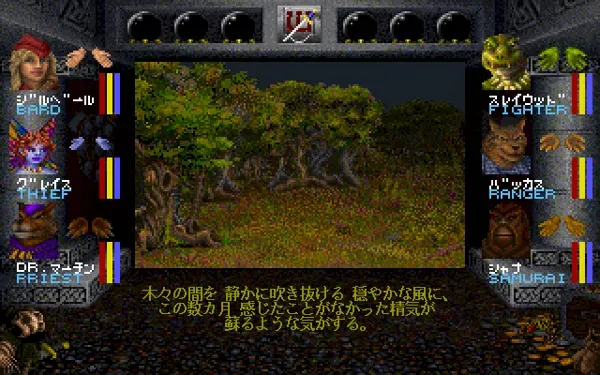
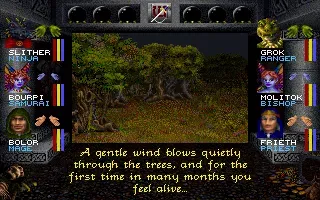
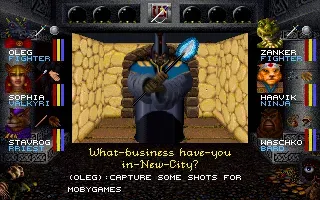
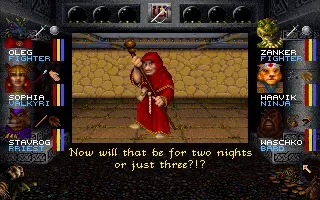
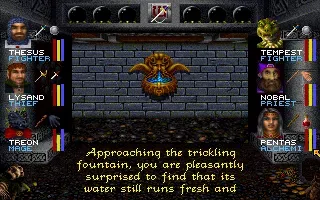
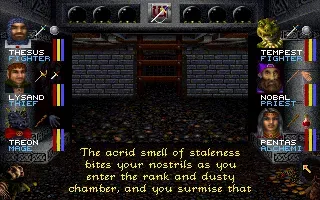
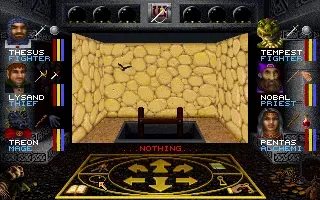
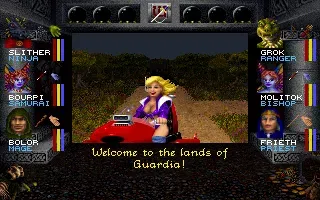
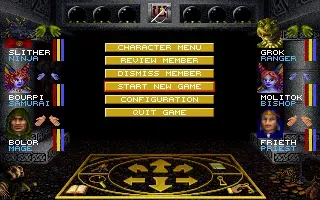
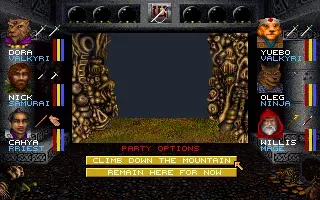
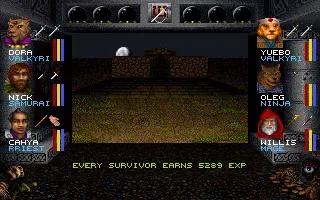
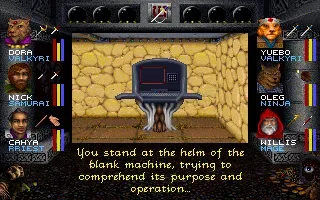
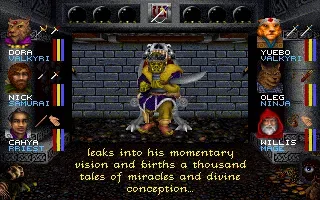
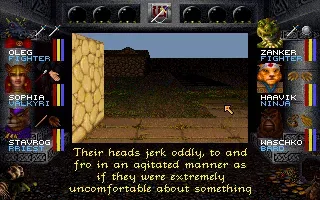
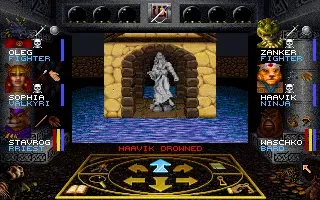
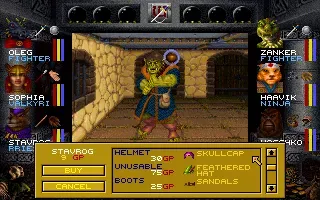
On DOS, the game was built for the late-era MS-DOS ecosystem, using the visual and audio constraints typical of early 1990s PC RPGs. The presentation relies on pre-rendered or static interfaces and text-heavy interaction rather than flashy animation, which fits the era’s technical profile and the series’ reputation for dense systems and demanding progression.
Collector’s Value & Rarity
As an original 1992 PC release, the game has moderate collector interest, especially among fans of classic computer RPGs and the Wizardry series. Physical DOS copies can be sought after when they include original disks, manual, and any copy-protection materials, since completeness matters significantly in retro PC collecting.
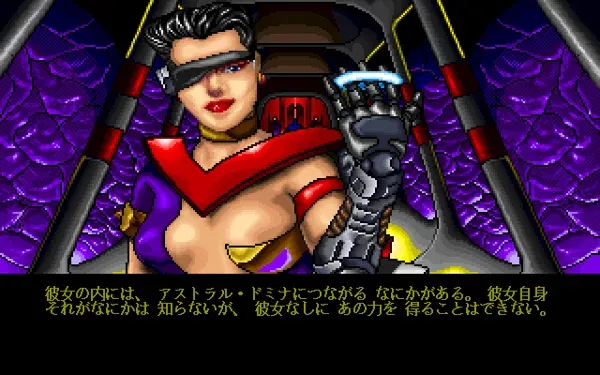
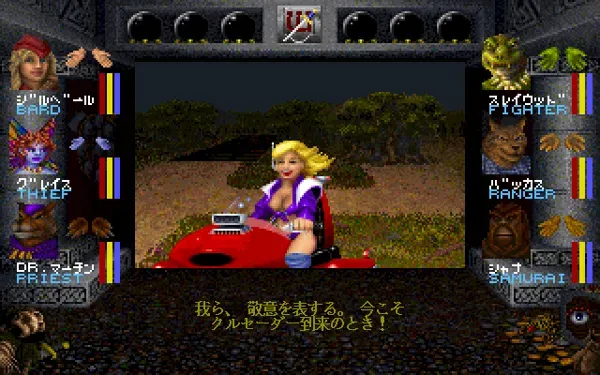
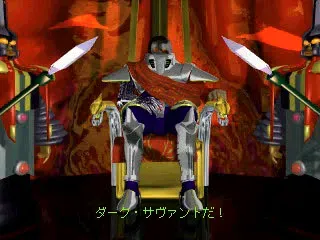
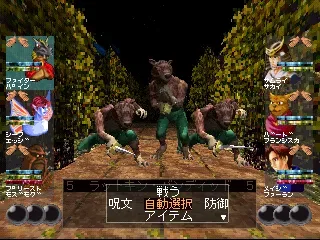
Regional and language variants can affect desirability, particularly boxed editions distributed through different publishers in different markets. Original packaging, documentation, and ancillary items such as a code wheel or manual-based copy protection material are especially important for preservation and value.