











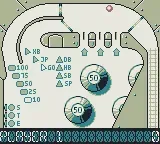
Historical Context & Trivia
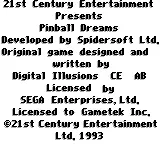
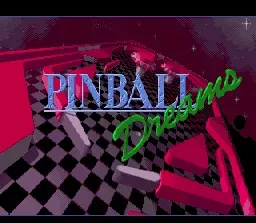
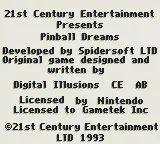
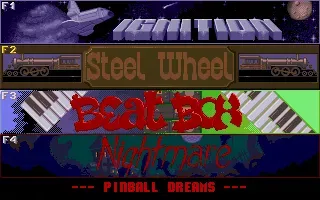
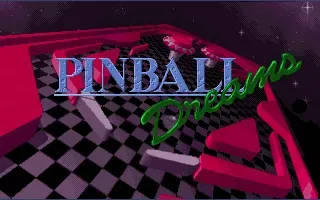
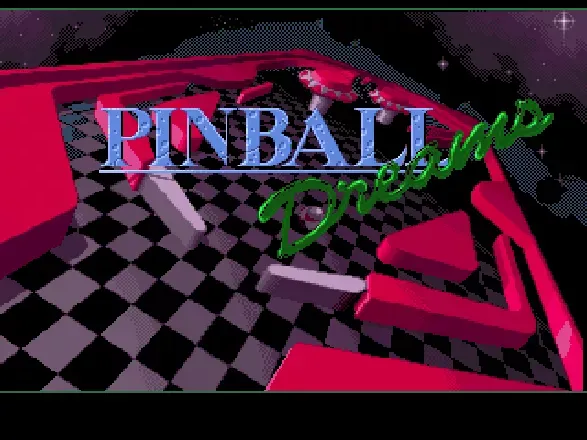
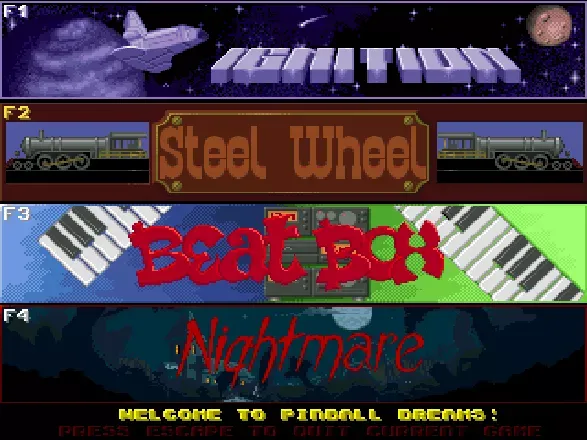
Pinball Dreams arrived on the Amiga in 1992 as a landmark pinball simulation from Digital Illusions, with the original release handled by 21st Century Entertainment. It is widely remembered as one of the defining Amiga arcade-style showcases, pairing tight physics with highly distinctive table themes and helping establish the studio’s early reputation before its later evolution into DICE.
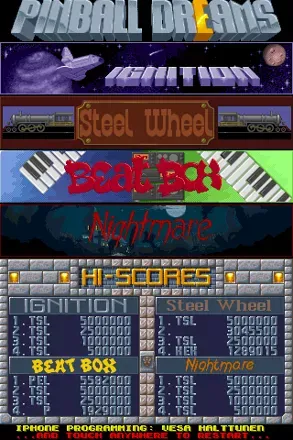
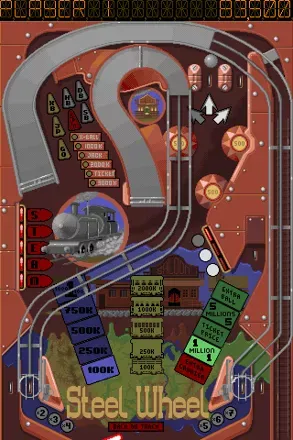
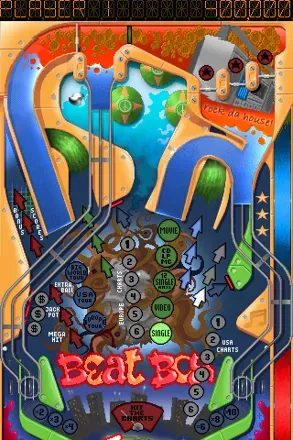
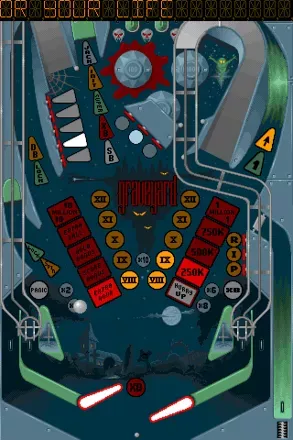
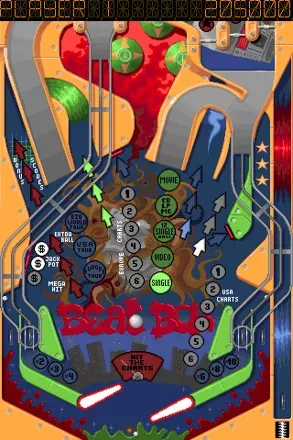
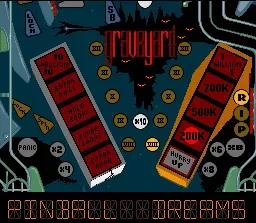
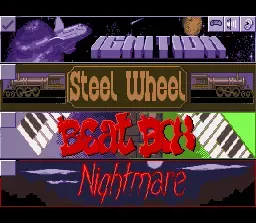
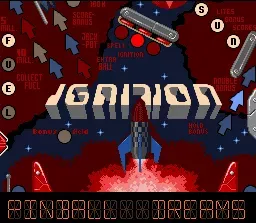
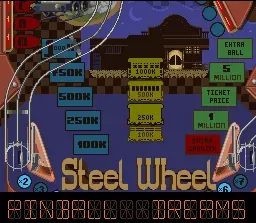
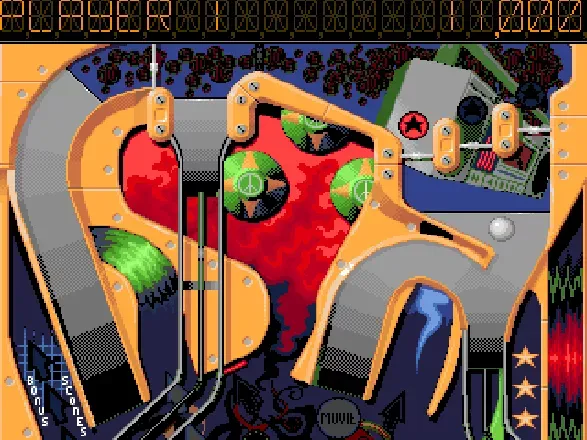
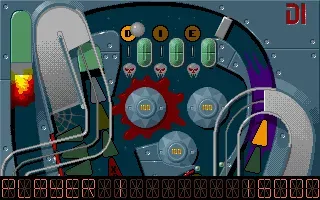
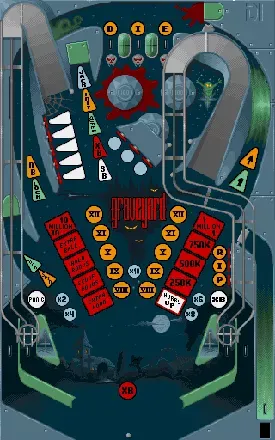
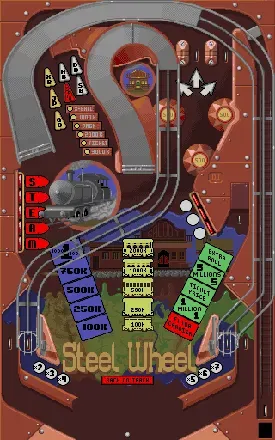
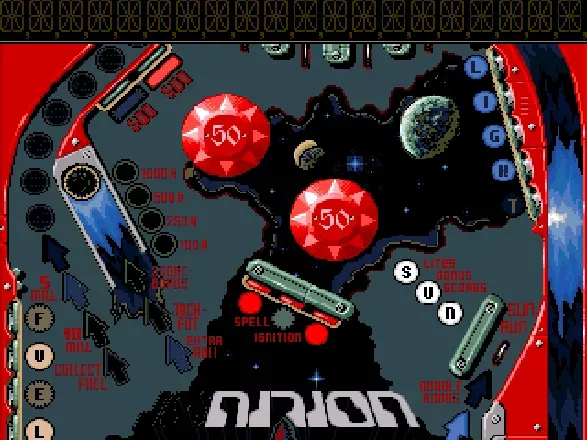
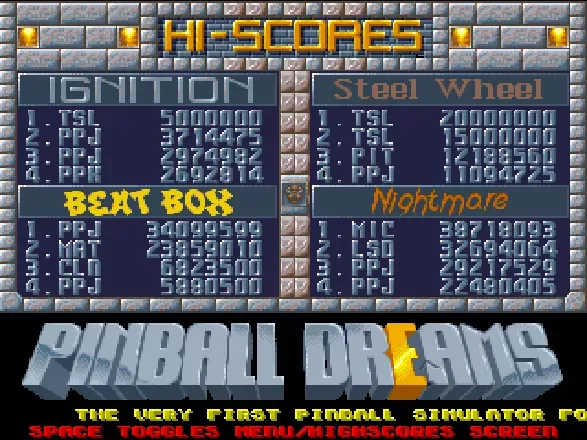
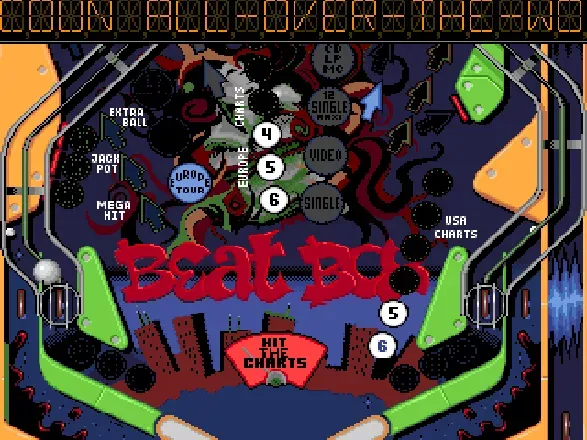
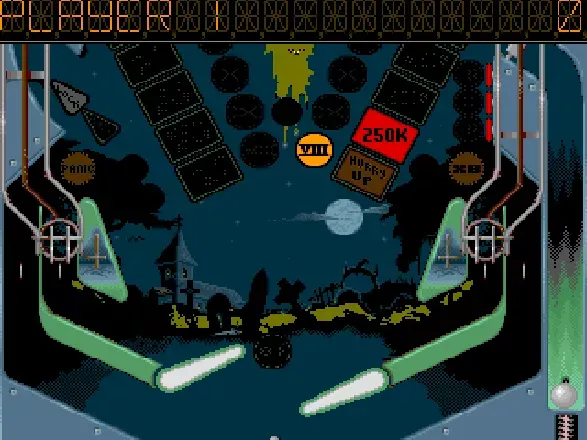
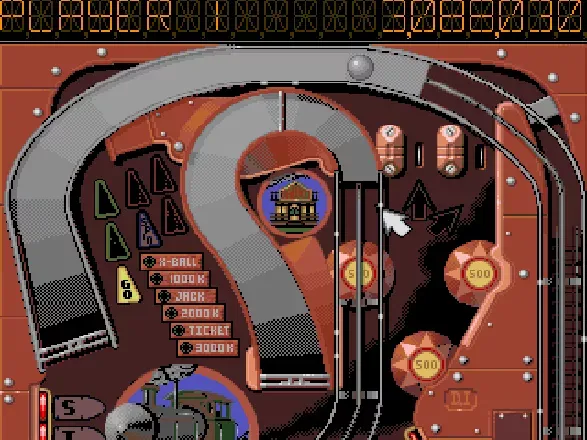
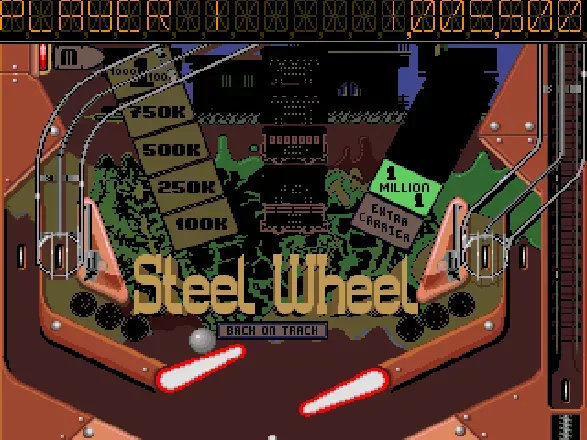
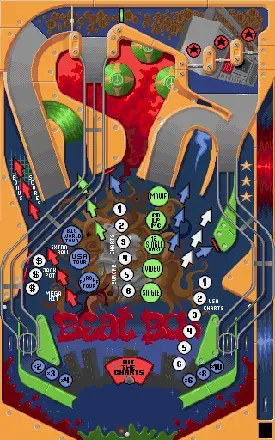
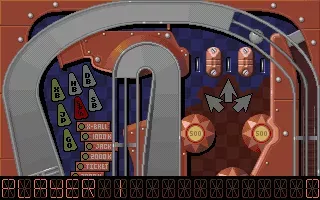
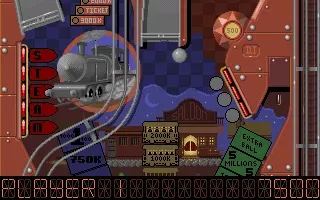
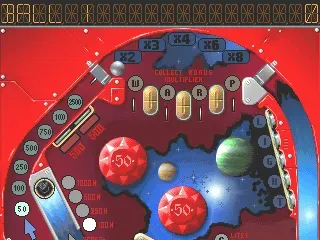
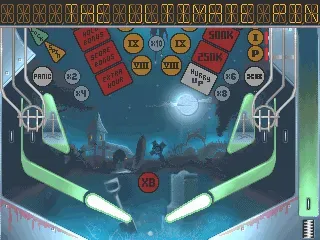
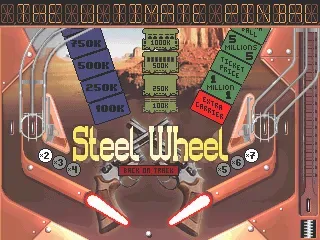
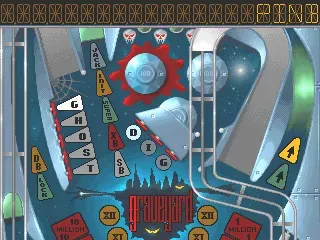
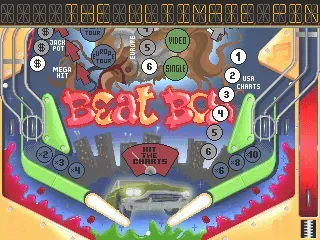
The game’s four-table structure gave it a memorable identity: each board presented a different fantasy of pinball design, from high-energy spectacle to moody atmosphere. Its success led to broader multi-platform publishing for other versions, but the Amiga release remains the version most closely associated with the title’s legacy and the studio’s early breakthrough.
Gameplay & Technical Features
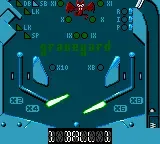
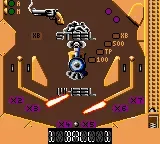
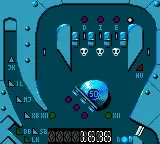
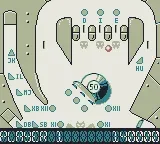
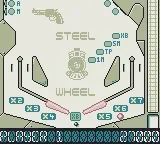
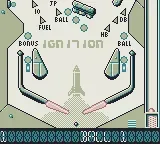
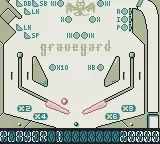
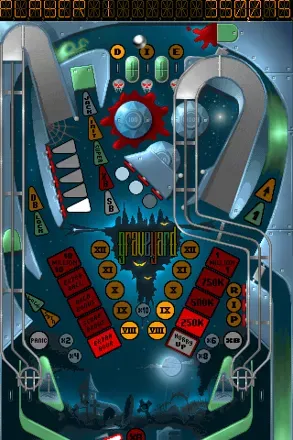
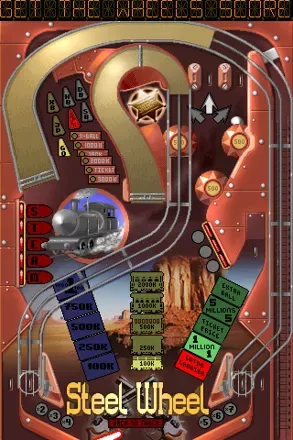
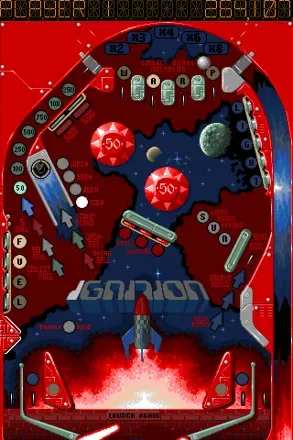
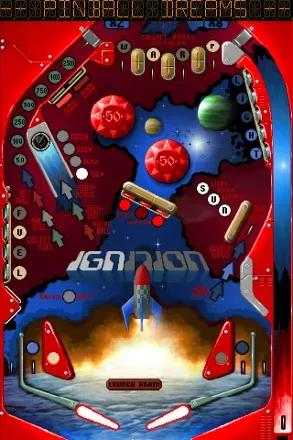
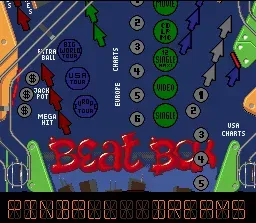
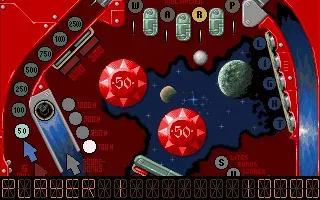
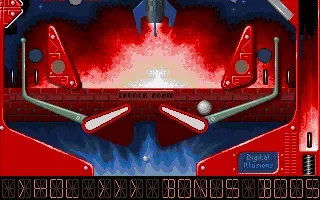
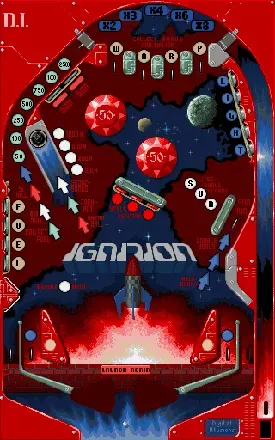
As an Action title built around pinball simulation, Pinball Dreams focuses on fast reflexes, score chasing, and table mastery rather than narrative progression. Each table has its own layout, ramps, bumpers, targets, and rule set, rewarding repeated play through multiball control, bonus triggers, and precision flipper timing.
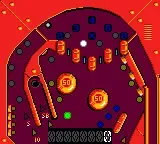
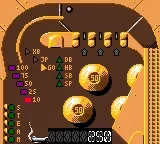
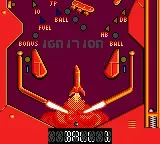
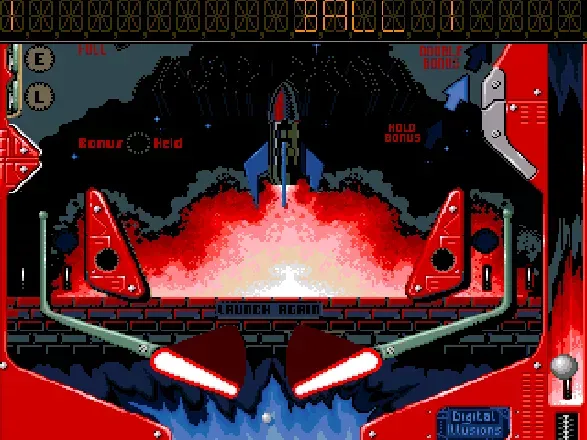
On the Amiga, the game stood out for crisp sprite animation, smooth scrolling, and a presentation that pushed the machine’s arcade credentials. The audio design and table music were a major part of its appeal, while the visual style emphasized bright mechanical detail and strong thematic contrast between the tables.
Collector’s Value & Rarity
Pinball Dreams is not generally considered rare, but authentic complete copies in strong condition remain desirable to Amiga collectors because of the game’s reputation and enduring status as a system classic. Value is typically driven more by completeness, condition, and regional packaging than by extreme scarcity.
Collectors should look for original 3.5-inch floppy disk packaging, publisher-specific inserts, and regional variations tied to 21st Century Entertainment distribution. As with many Amiga releases, boxed examples with manuals and intact labels are more sought after than loose disks, especially for display-worthy sets.