

Historical Context & Trivia
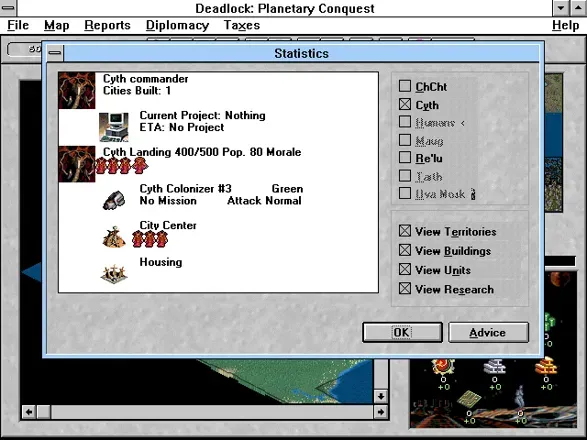
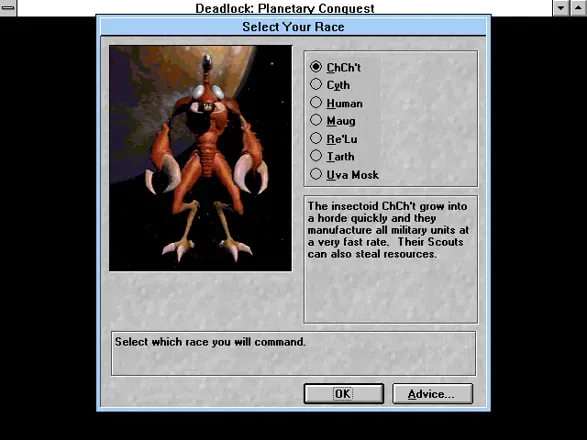
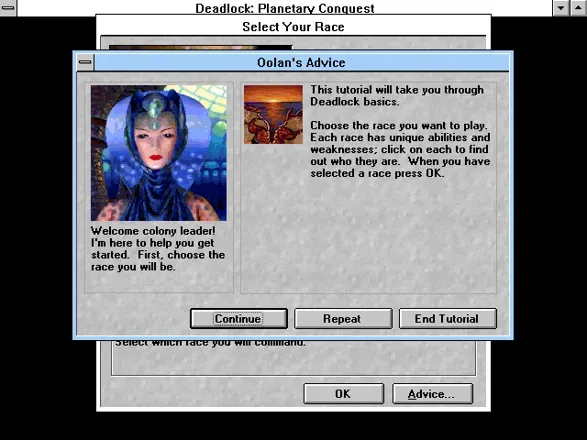
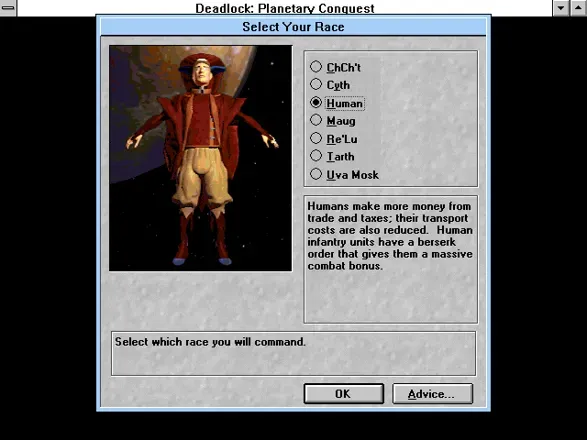
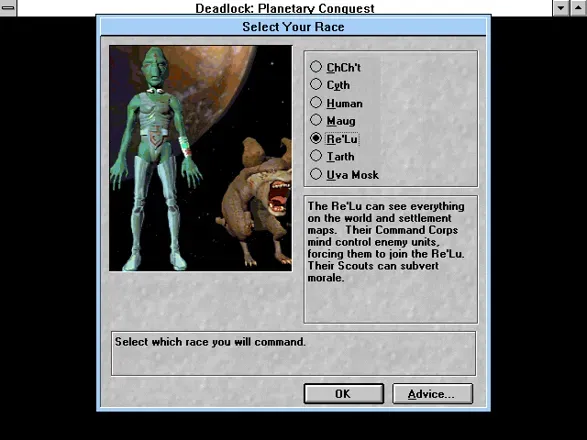
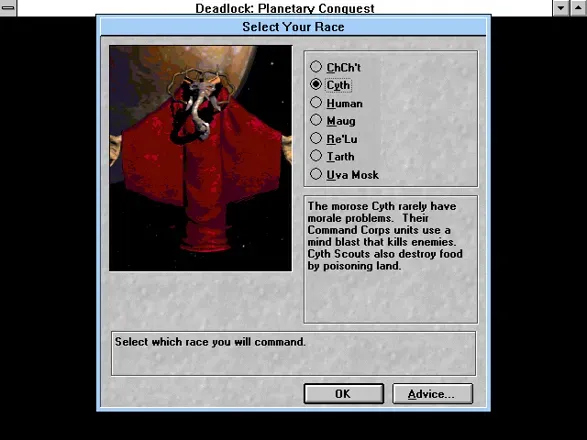
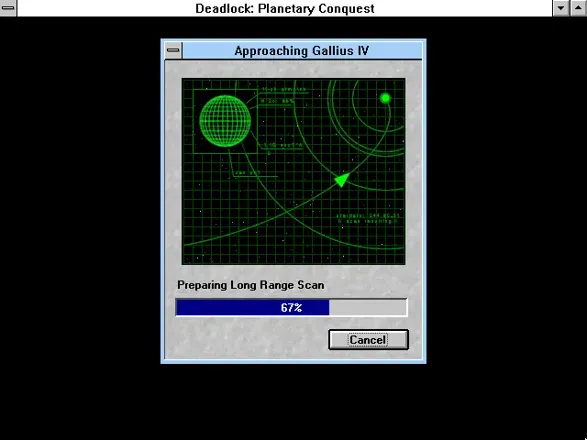
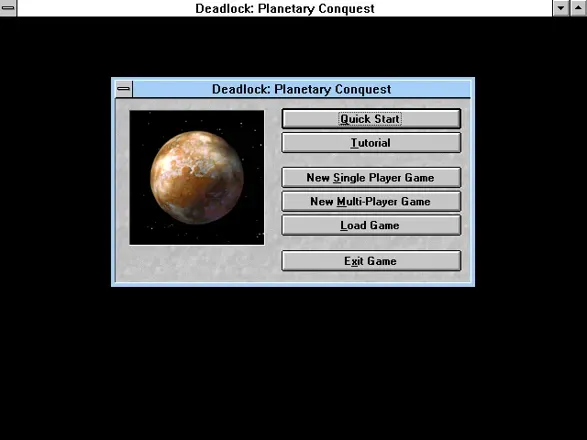
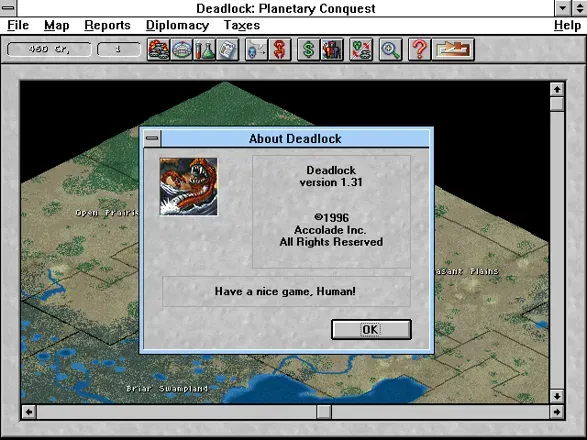
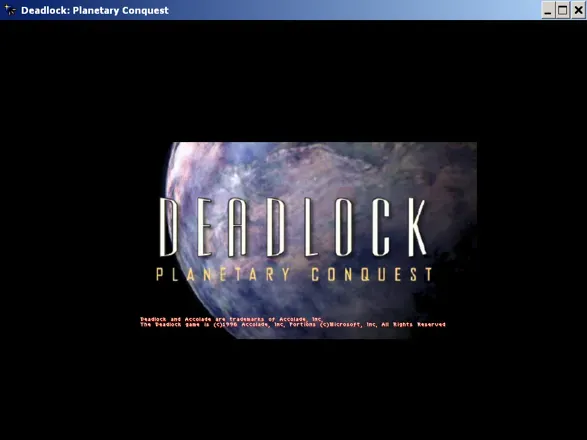
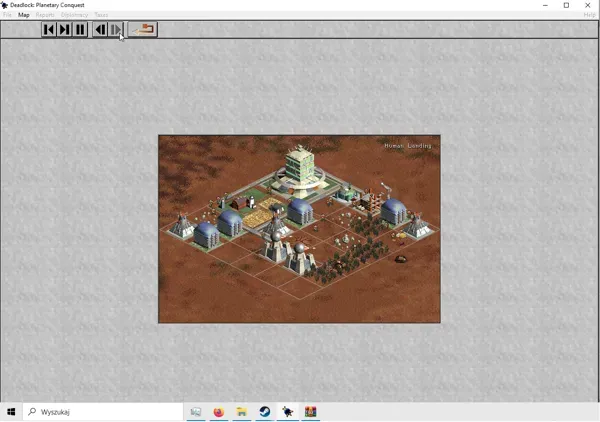
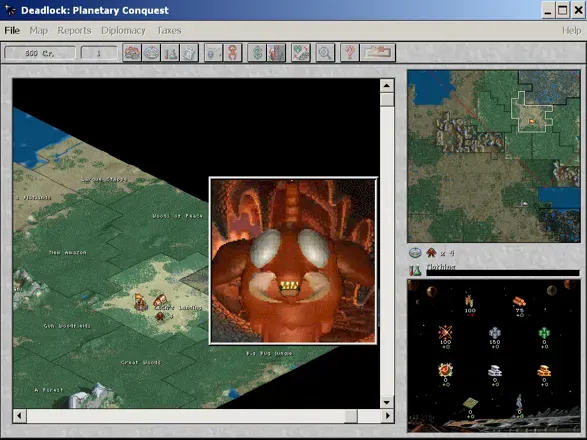
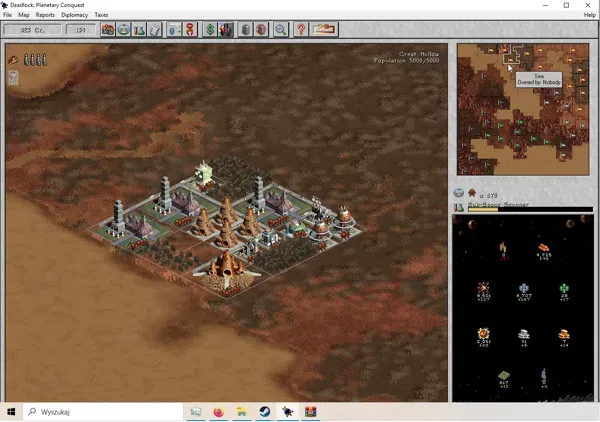
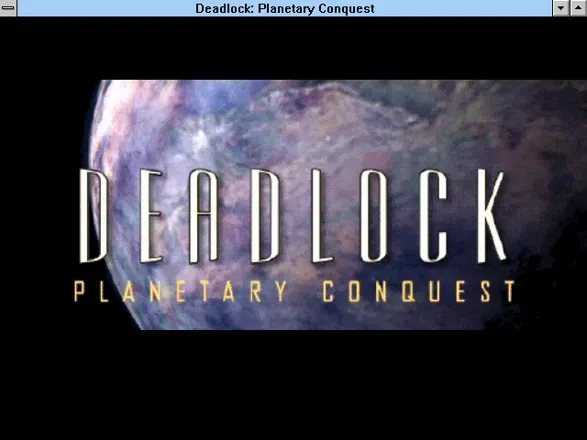
Deadlock: Planetary Conquest (1996) is a Windows-based turn-based strategy game from Accolade that later appeared in digital storefronts through modern re-releases, keeping it accessible well beyond its original CD-ROM era. It belongs to the mid-1990s wave of PC strategy games that blended empire building, territorial expansion, and alien-faction competition on a sci-fi map.
Accolade handled both development and original publishing in North America, with additional regional and later digital publishing tied to labels such as Warner Interactive Europe, Atari, and Nightdive Studios. The game is best documented as a commercial strategy release rather than a cult blockbuster, but its preservation through re-release platforms has kept it visible to collectors and retro-PC historians.
Gameplay & Technical Features
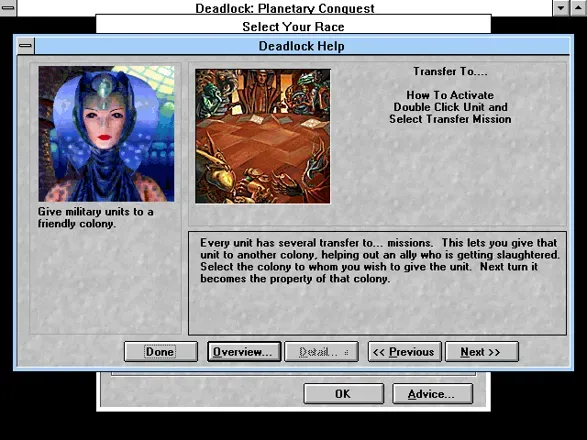
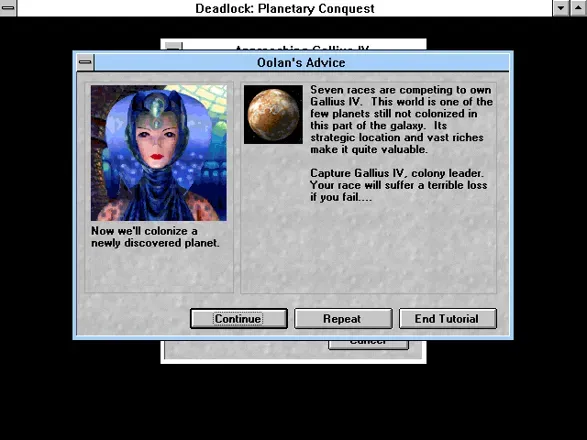
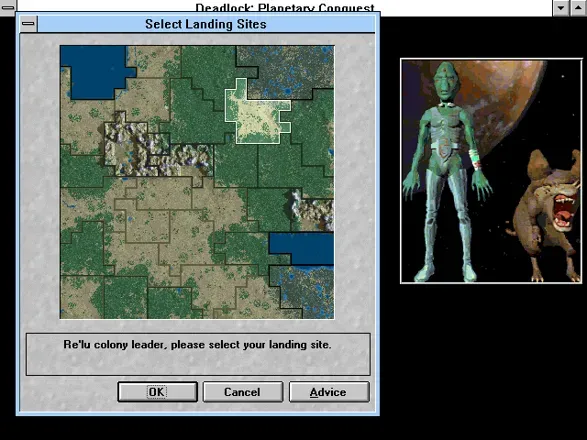
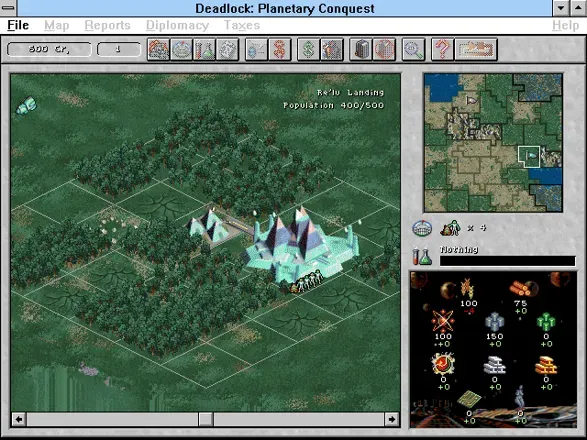
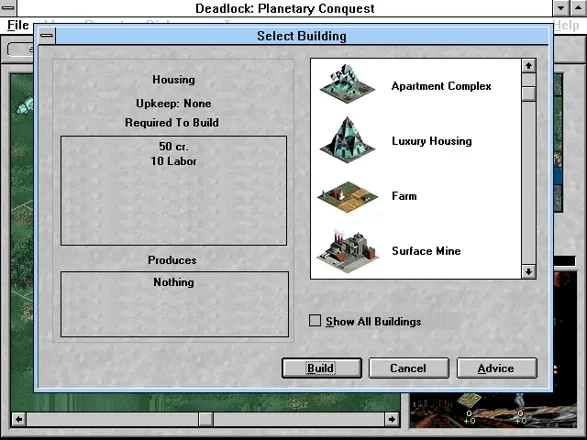
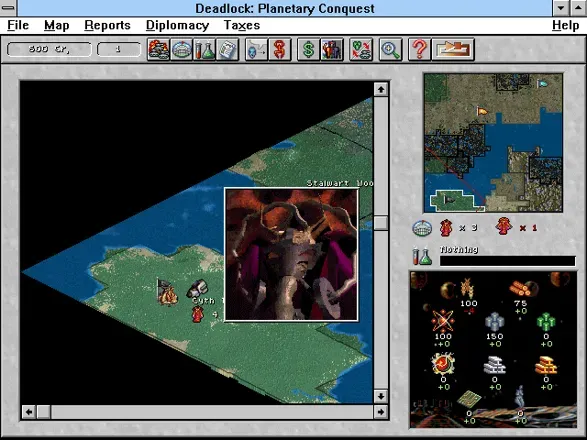
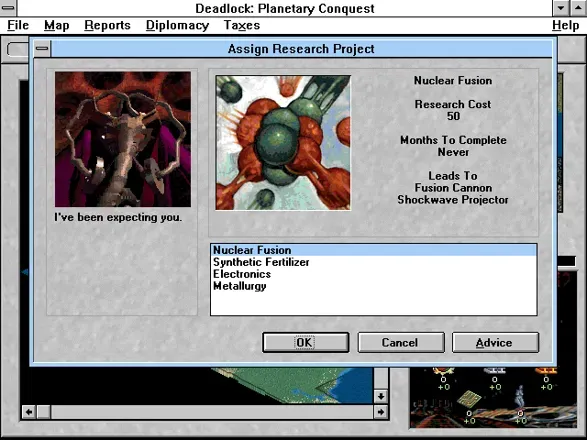
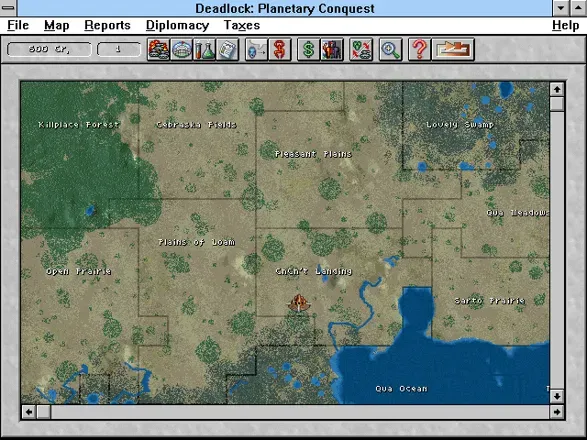
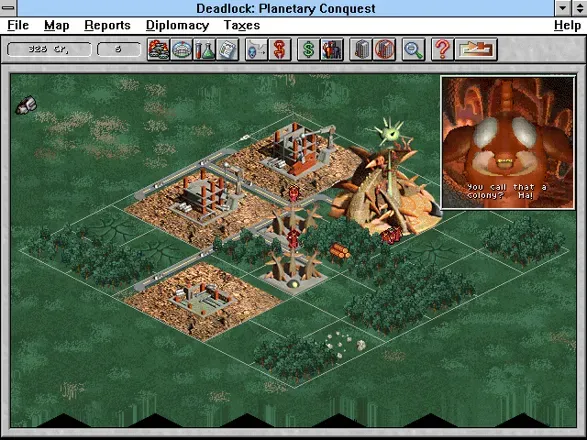
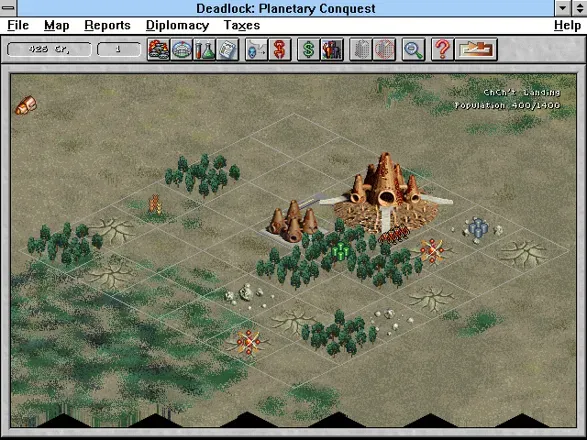
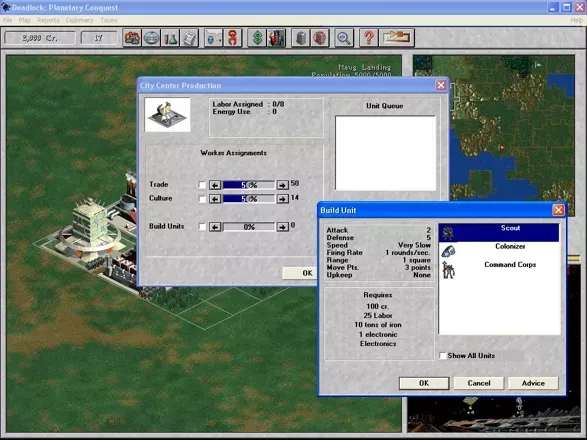
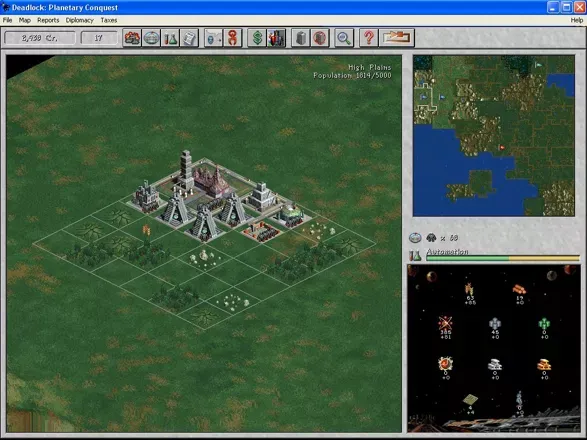
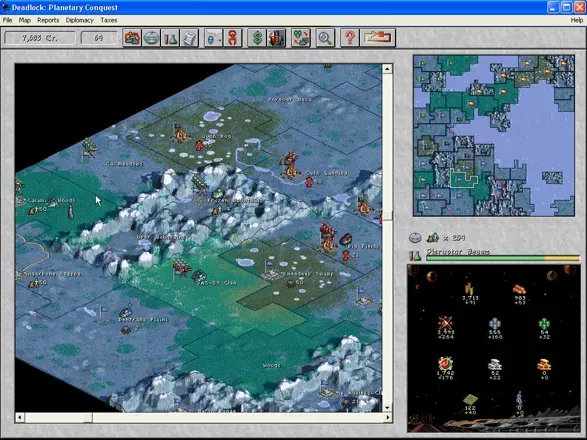
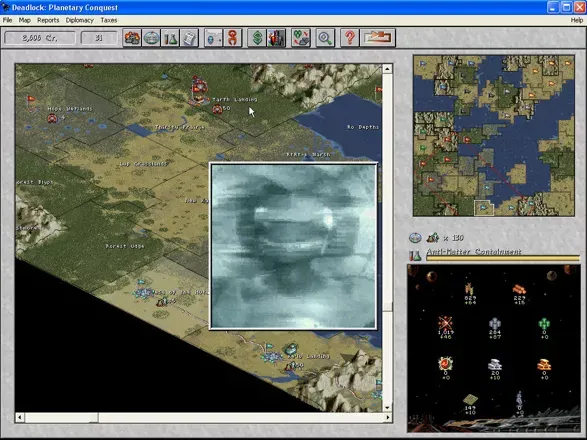
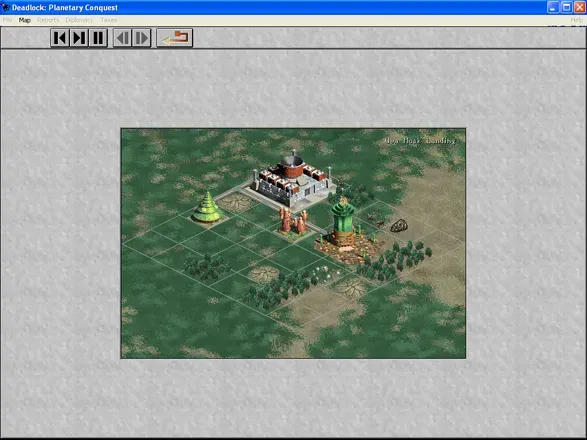
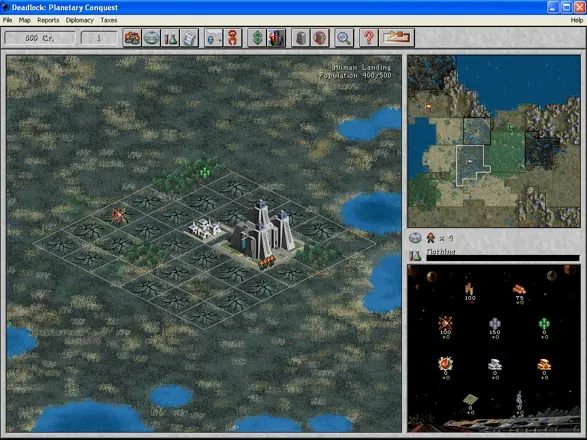
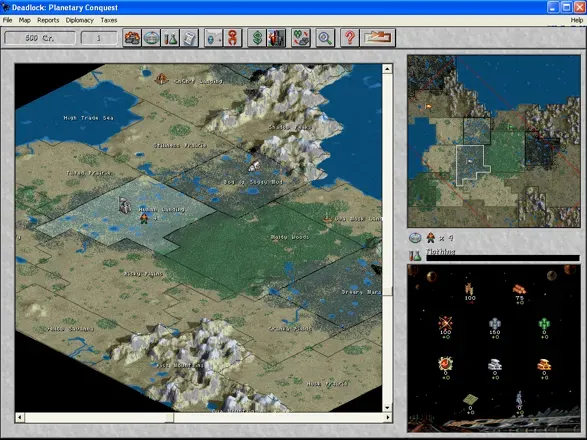
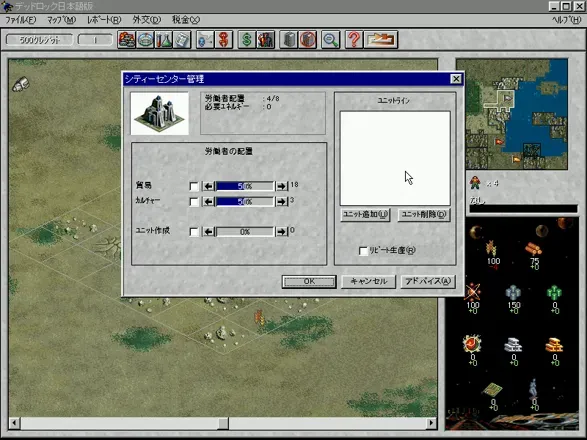
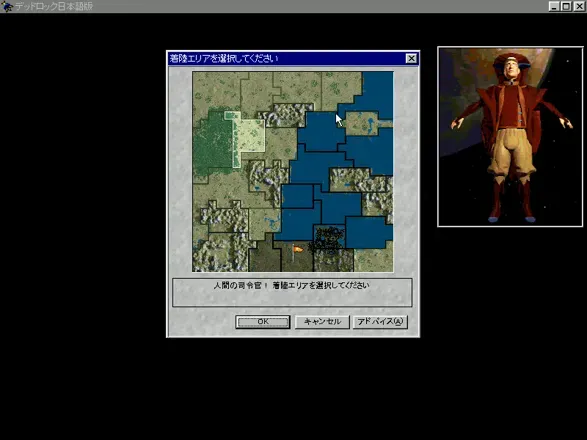
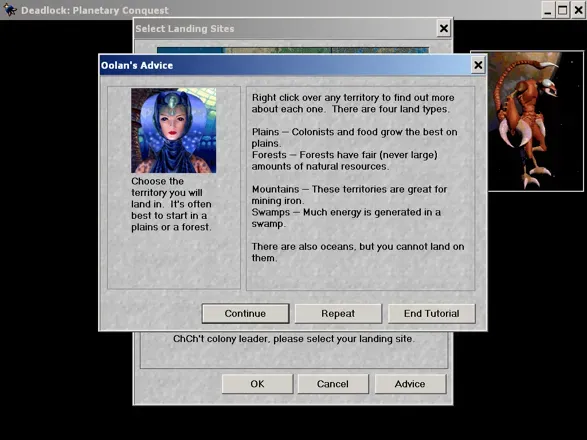
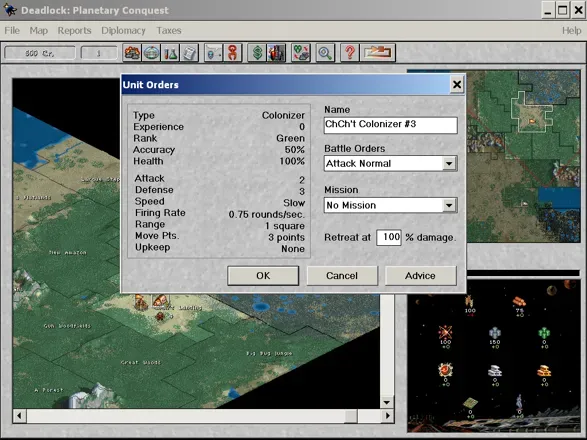
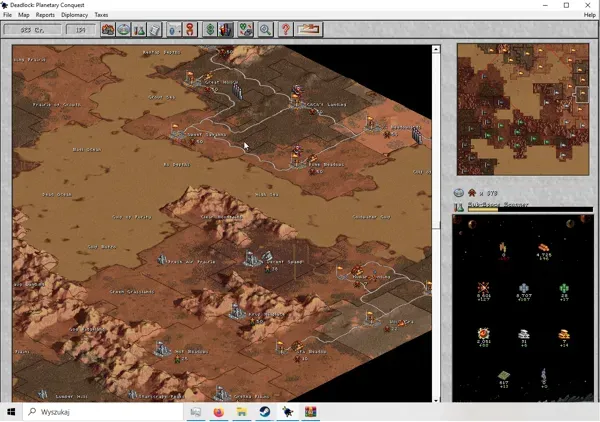
As a turn-based strategy title, Deadlock: Planetary Conquest centers on managing a colony, expanding across territory, and competing against rival alien powers for control of a single planet. Its structure fits the classic 4X-style loop of exploration, expansion, development, and conquest, with victory tied to building up a strong planetary presence or eliminating opponents.
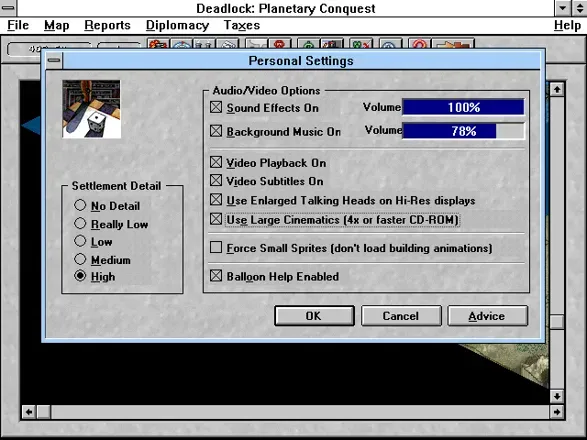
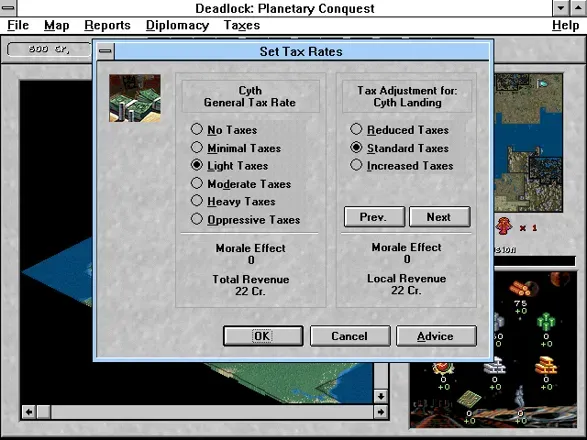
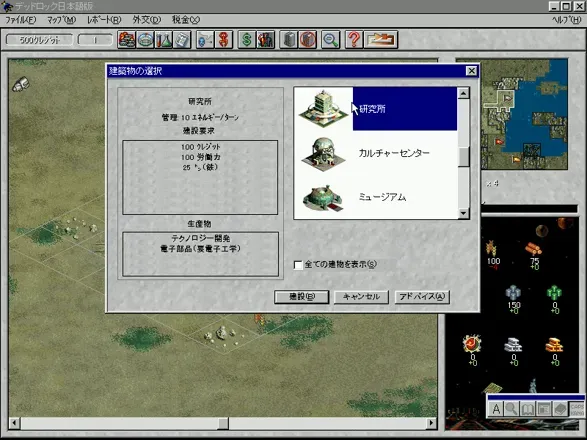
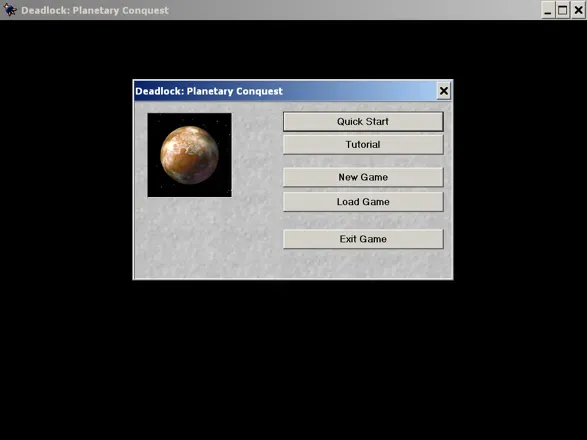
On Windows, the game was built for the mid-1990s PC ecosystem and reflects the era’s hybrid of mouse-driven menus, 2D strategy presentation, and CD-ROM distribution. Available documentation also points to support for Windows 3.x-era systems, which places it firmly in the transition period between legacy GUI computing and more standardized Windows 95 gaming.
Collector’s Value & Rarity
Deadlock: Planetary Conquest is not generally treated as a high-ticket rarity, and surviving copies appear to be relatively obtainable on the secondary market. Preservation is helped by later digital availability, which reduces scarcity pressure even when original boxed copies, manuals, or discs are sought by collectors.
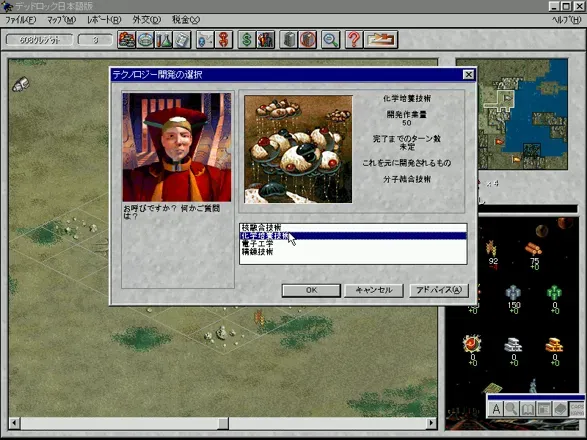
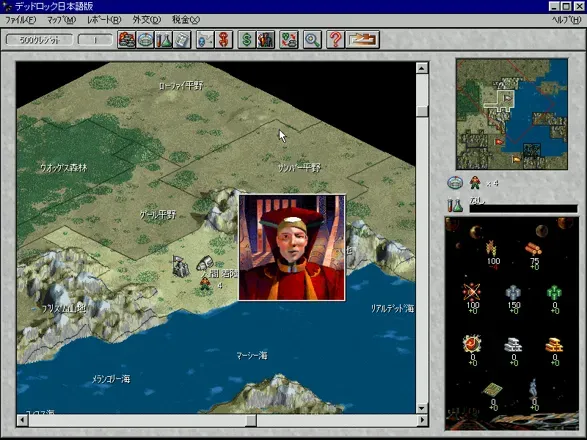
Packaging can vary by region and release channel, with original retail copies most valued when they include the CD-ROM, printed manual, and any big-box or localized materials tied to specific distributors. Regional publishing history is also notable, since the title circulated under multiple labels over time, making edition details more relevant than raw scarcity for serious collectors.