



Historical Context & Trivia
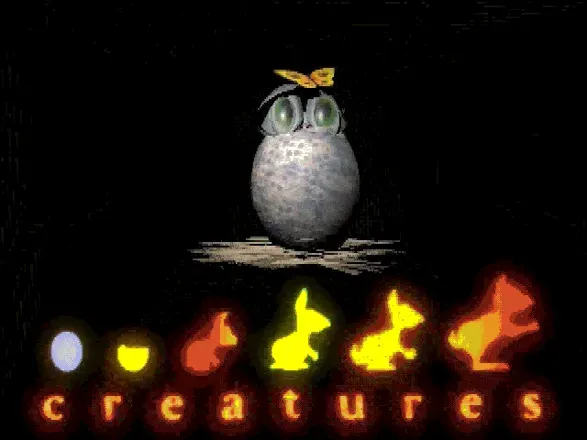
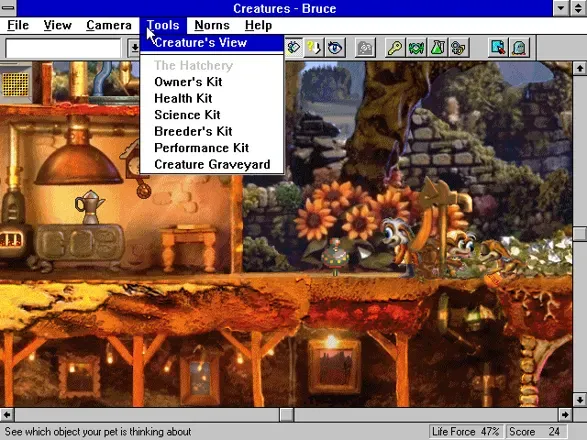
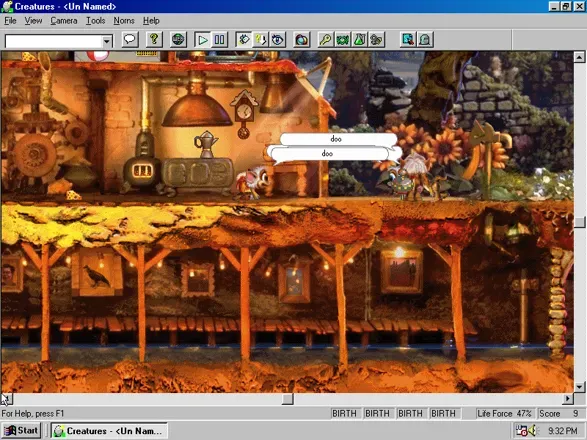
Creatures (1996) is a notable Windows simulation centered on artificial life, with a design that helped define PC experimentation in the mid-1990s. Its premise of raising and observing evolving digital beings gave it a distinctive place in classic gaming history, especially for players interested in systems-driven simulation rather than score-based play.
The game is associated with Cyberlife Technology, Ltd. as the developer, with publishing handled across regions by companies including Warner Interactive Entertainment Ltd., GT Interactive Software Corp., and Mindscape, Inc.. Documentation and preservation sources also show later publishing and distribution ties through Conspiracy Entertainment Corp. and Swing! Entertainment Media AG, reflecting the long commercial life of the title beyond its initial release.
Gameplay & Technical Features
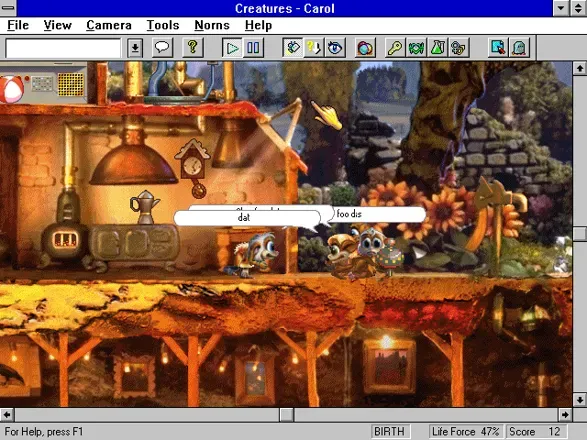
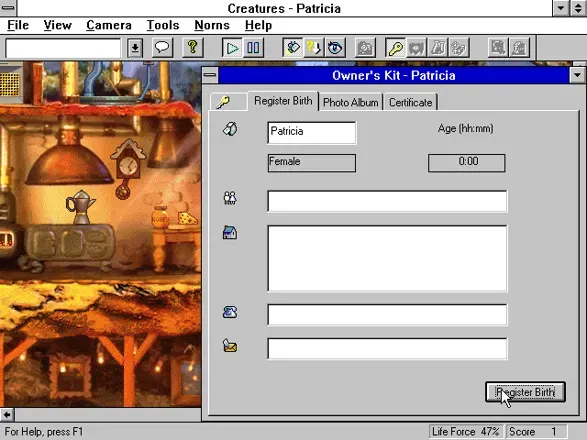
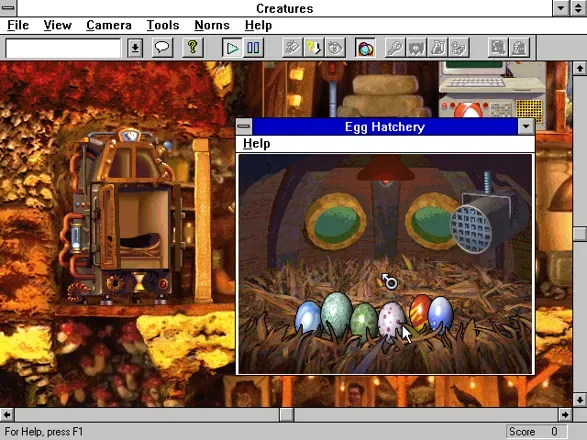
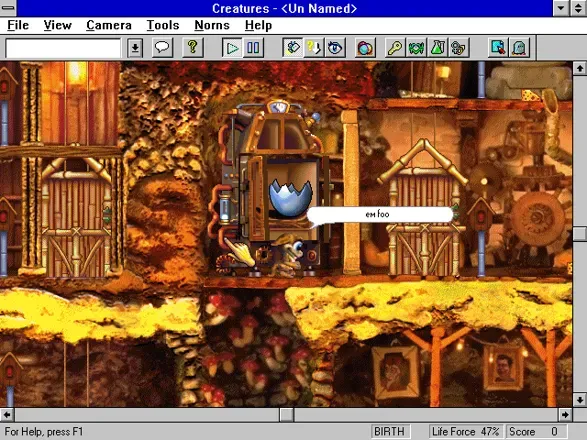
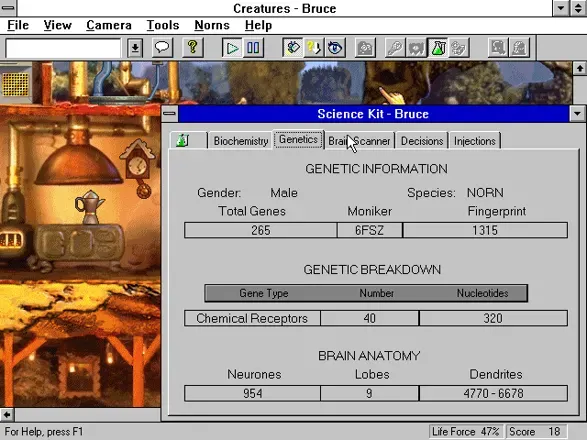
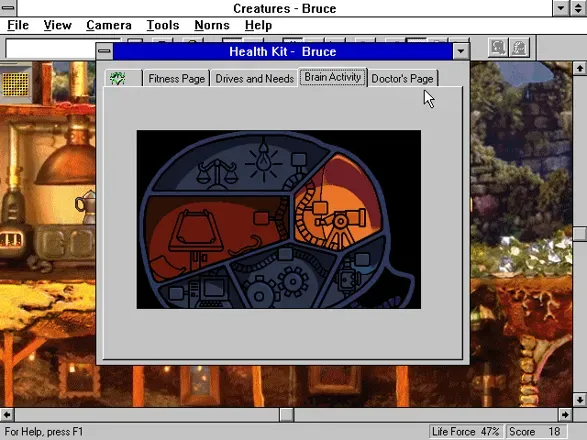
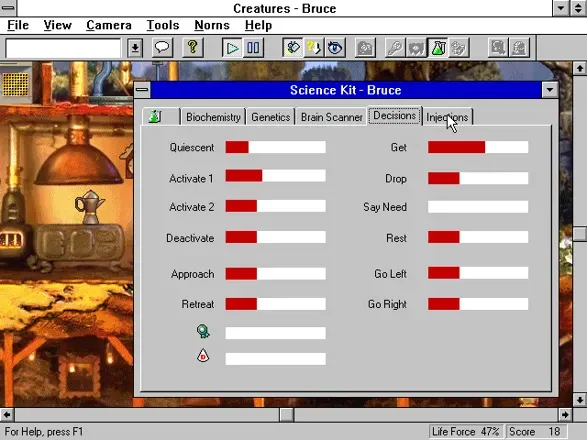
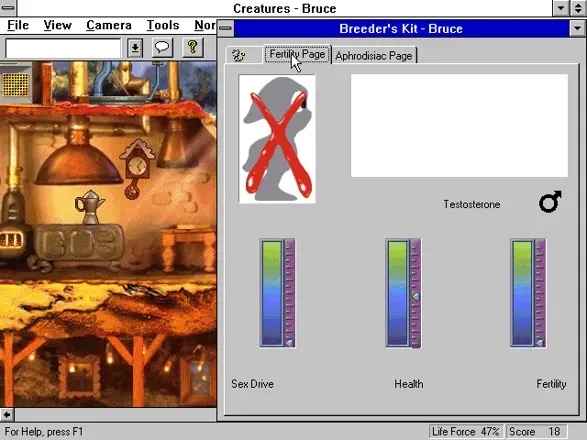
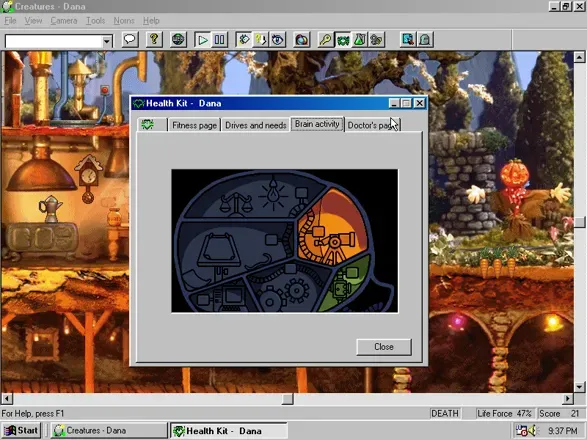
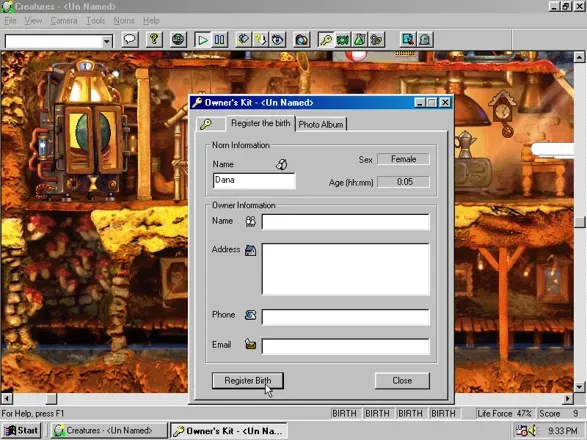
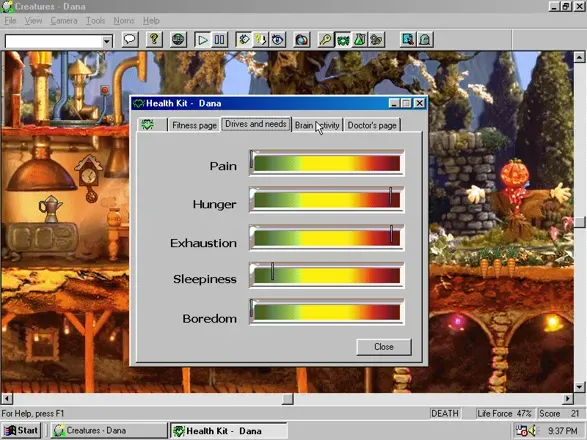
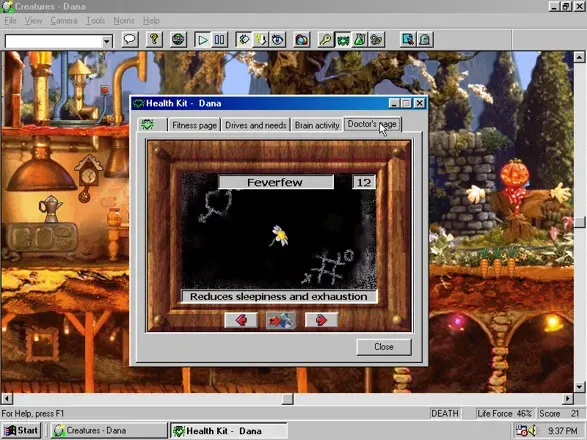
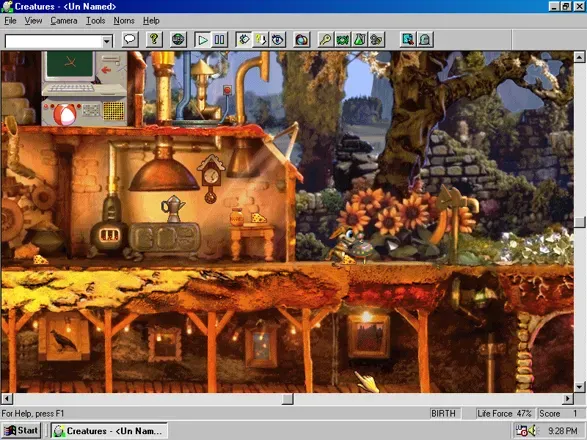
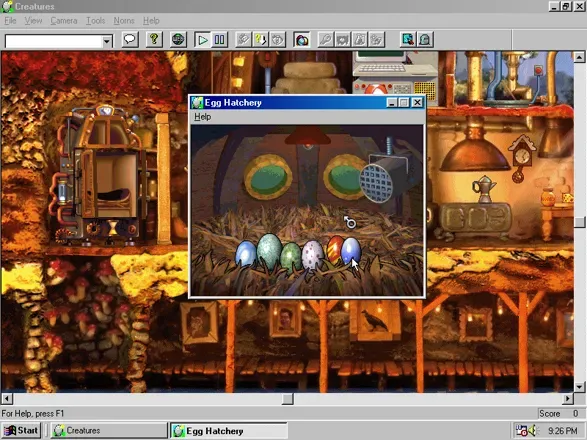
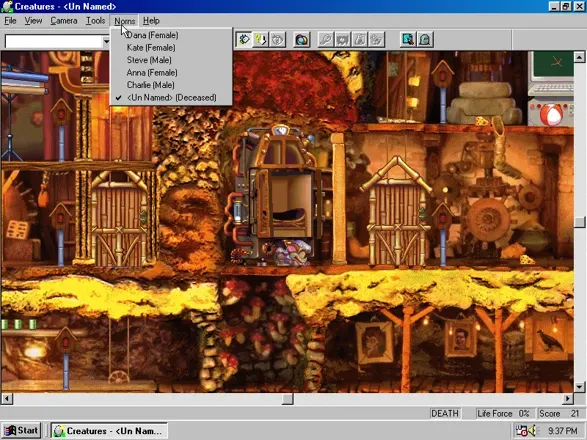
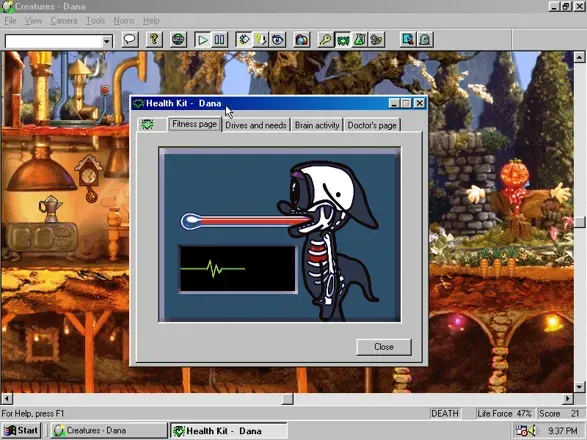
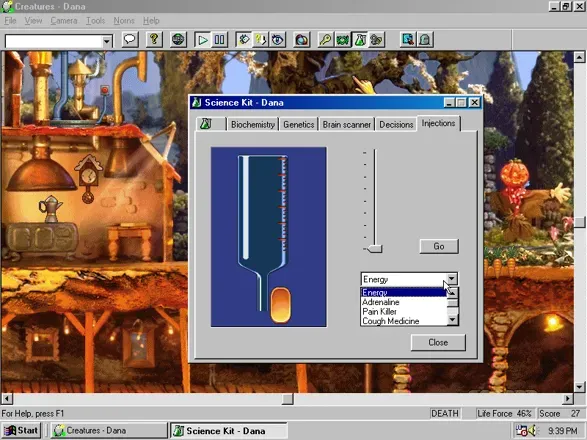
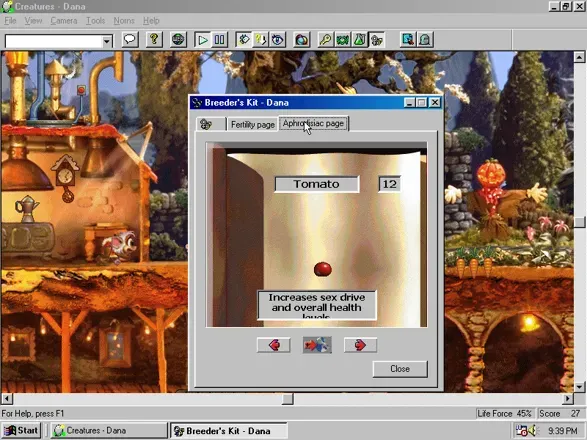
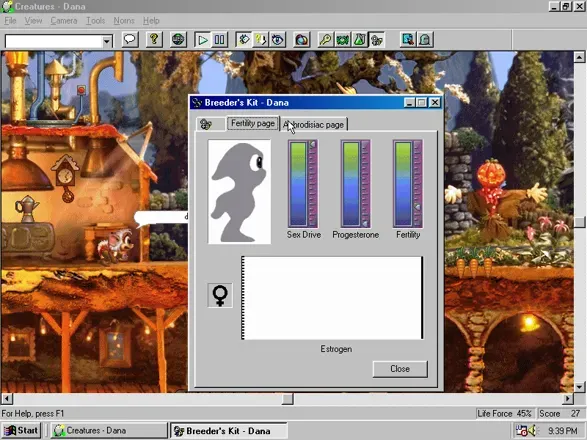
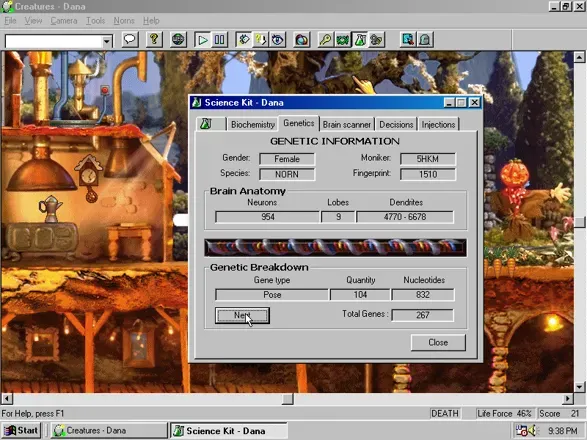
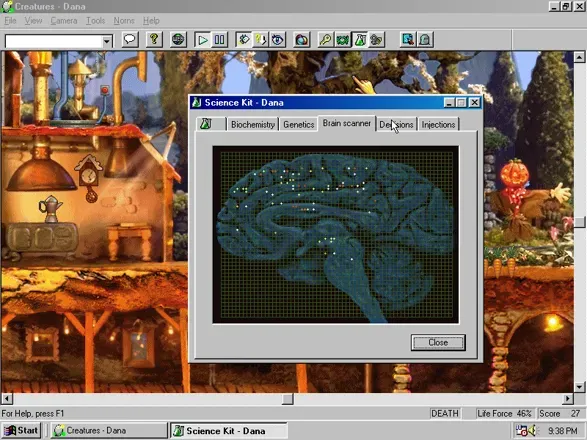
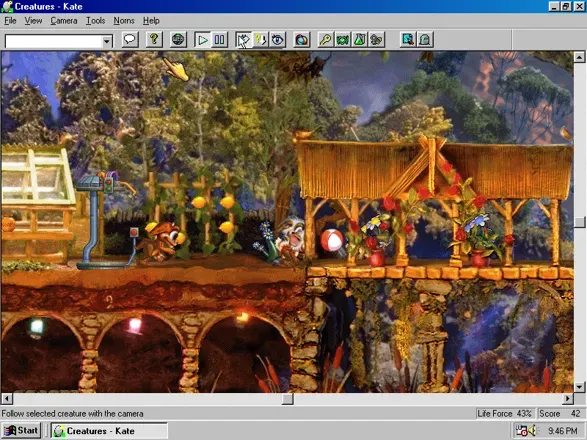
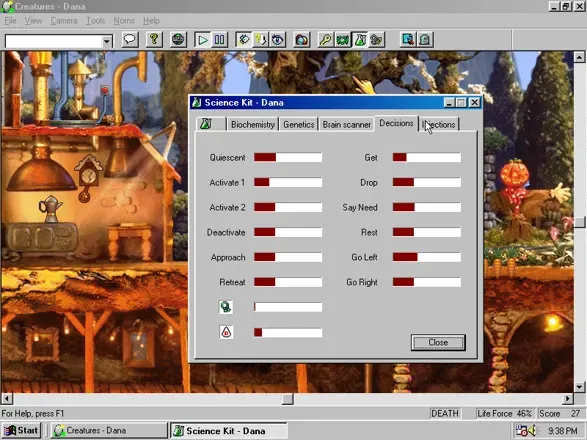
As a simulation, Creatures focuses on nurturing, observation, and emergent behavior rather than direct action. Players interact with artificial lifeforms in a living ecosystem, guiding their development while the creatures learn, adapt, and respond to their environment over time.
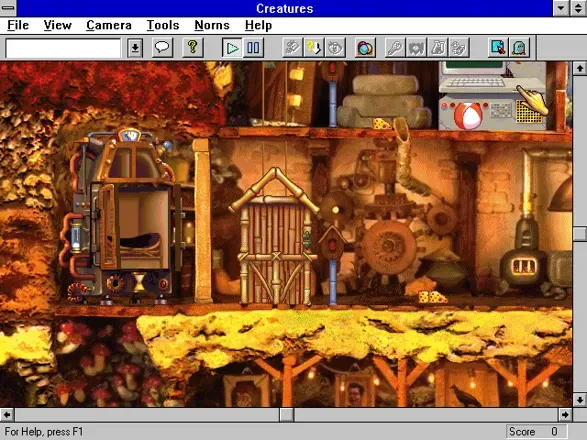
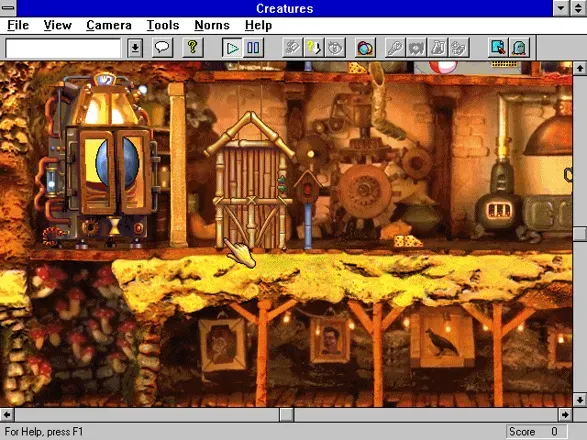
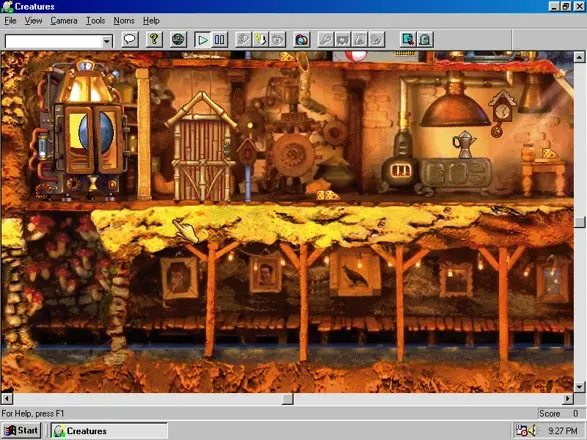
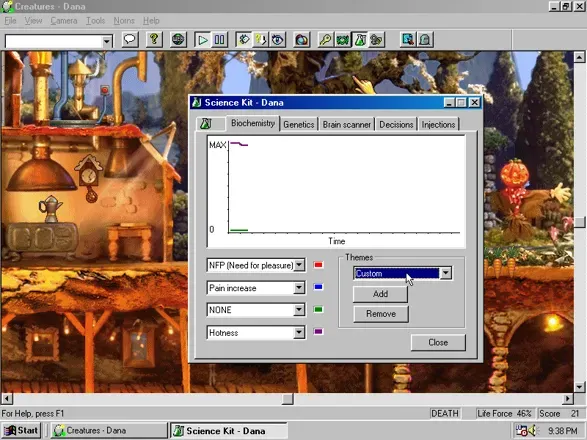
On the Windows platform, the game was distributed as a CD-ROM title and built to run on contemporary Windows 95-era systems. Its presentation combined real-time simulation with a technical framework intended to support artificial life behavior, using audio-visual design that emphasized the creatures themselves and the environment they inhabit.
Collector’s Value & Rarity
Creatures is not typically treated as a high-ticket ultra-rare PC collectible, but it remains a desirable preservation piece because of its cult status, regional releases, and association with early artificial-life simulation on home computers. Surviving copies are generally most interesting to collectors who focus on 1990s PC simulation titles, boxed software, or the history of experimental game design.
Physical copies are most often identified through boxed PC CD-ROM packaging, and some release variants reflect differences in regional publishers such as Warner Interactive, Mindscape, and GT Interactive. The survival of original manuals and inserts adds value, especially for complete-in-box examples, since the game’s instructional material helps document its unusual systems-driven design.