

Historical Context & Trivia
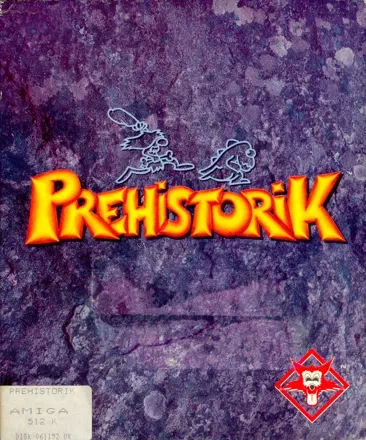
Prehistorik is a 1991 side-scrolling platform game for MS-DOS that helped define the early-90s wave of humorous, cartoon-style prehistoric action titles on home computers. Released in 1991 across Amiga, Atari ST, Amstrad CPC and DOS, it positioned itself as a more light-hearted, food-collecting alternative to the era’s more combat-driven platformers, inviting comparison to games like Chuck Rock while carving out its own identity through slapstick enemy design and an exaggerated caveman protagonist.
The game was developed and originally published by Titus Interactive / Titus France SA, with some PC releases in Western markets also associated with Interplay Entertainment as a distribution partner. Titus built a small franchise around the concept, later revisiting the brand with Prehistorik 2 and Prehistorik Man, ensuring the original DOS game remained a recognizable name among European microcomputer players and early shareware/compilation CD owners.
Gameplay & Technical Features
On DOS, Prehistorik plays as a classic 2D platform-action game where you control a caveman armed with a club, moving horizontally through hostile prehistoric landscapes while hunting for food. Levels are structured around gathering enough food items to fill a meter before time runs out, with meat and other edibles coming both from pickups and from enemies you stun and then collect. The roster of creatures mixes dinosaurs and comic inventions like fire-breathing dragons and oversized turtles; some foes can be clubbed repeatedly until they yield food, while others are indestructible hazards that must be avoided. Stages culminate in boss encounters, and the player can find bombs, enhanced weapons, time bonuses, extra lives, and improved jumping capability to cope with increasingly complex level layouts.
As a DOS release, the game showcases colorful VGA-style graphics in a large, side-view playfield, with detailed sprite work emphasizing exaggerated animation and visual gags over realism. The DOS version supports multiple PC audio configurations typical of the era, offering simple but catchy music and sound effects that complement the cartoon tone. Level themes range from icy fields to caverns and jungle-style areas, giving the PC port visual variety despite relatively modest hardware demands, and making it a frequent inclusion on DOS game collections and later digital storefront rereleases.
Collector’s Value & Rarity
In collecting circles, Prehistorik for DOS is generally considered a moderately common title rather than a high-end rarity, especially in its later-budget and compilation incarnations. The game’s wide distribution in Europe, inclusion in multi-game packs, and later digital reissues have preserved the software itself, making it easy to experience today even if original floppies and packaging have become less frequently seen in the wild.
For physical collectors, the most desirable items tend to be complete-in-box DOS releases with original Titus branding, intact 3.5″ or 5.25″ disks, and the original printed manual or fold-out instruction sheet. Regional packaging differences—such as localized European big-box editions versus more compact PC releases under distributors like Interplay—can influence interest, with early, well-preserved big-box versions typically commanding the most attention among retro PC platformer enthusiasts.