

Historical Context & Trivia
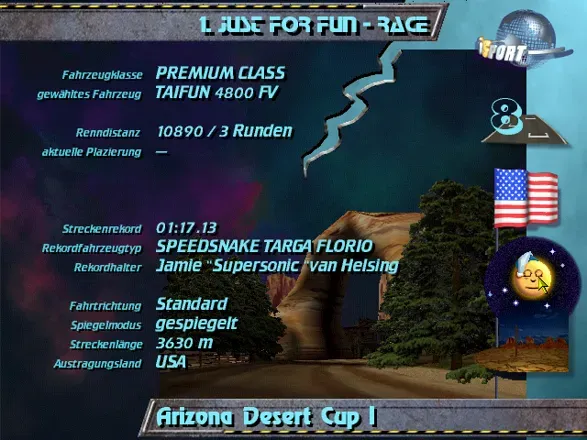
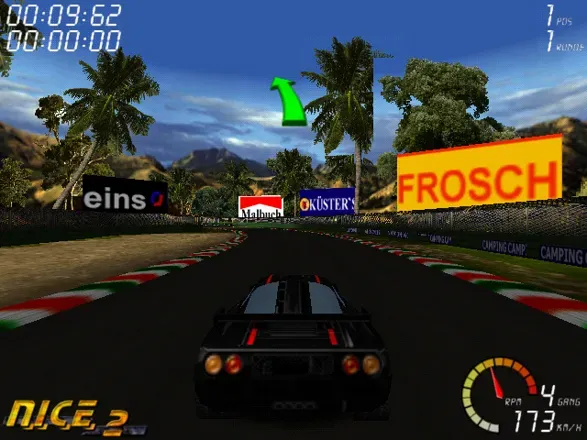
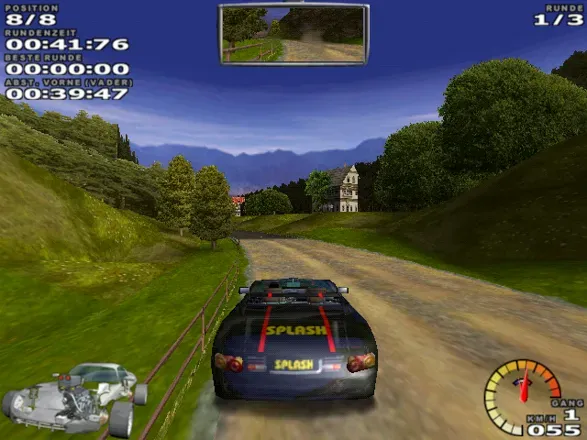
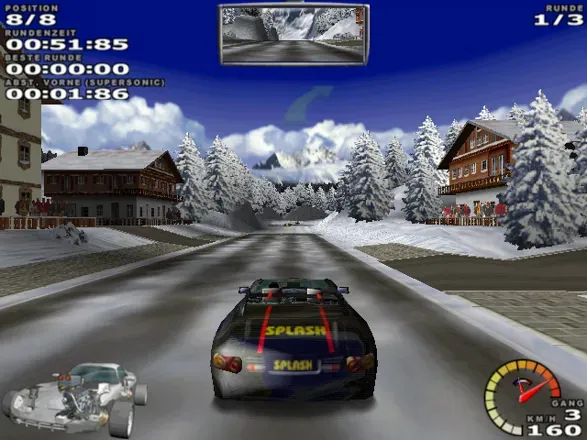
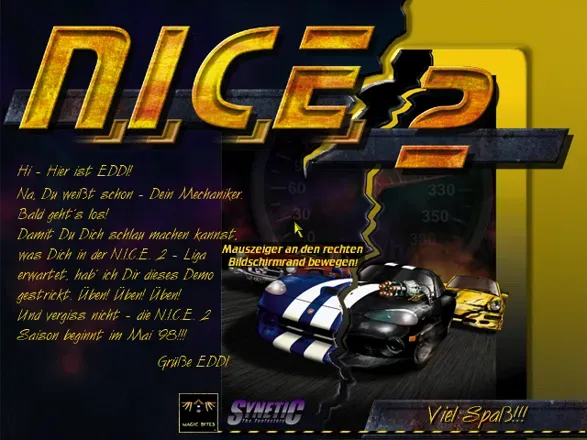
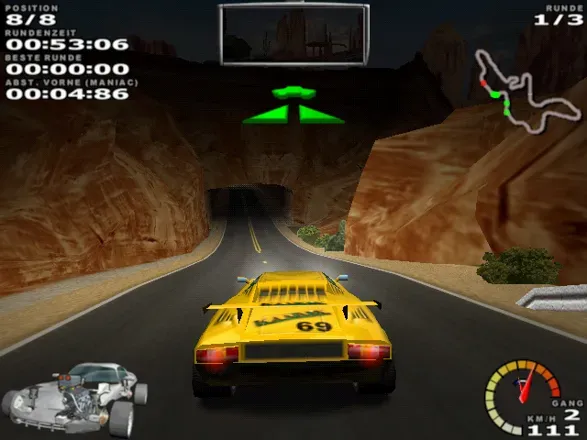
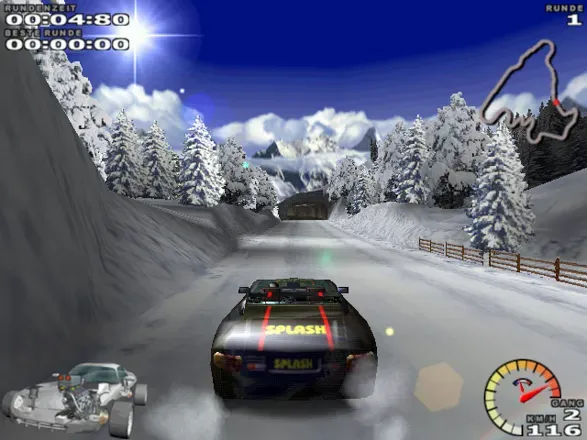
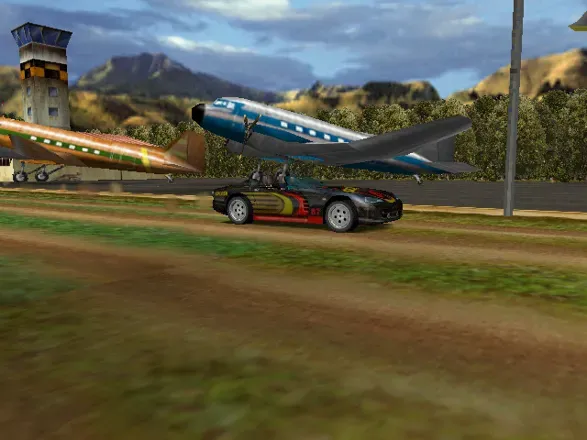
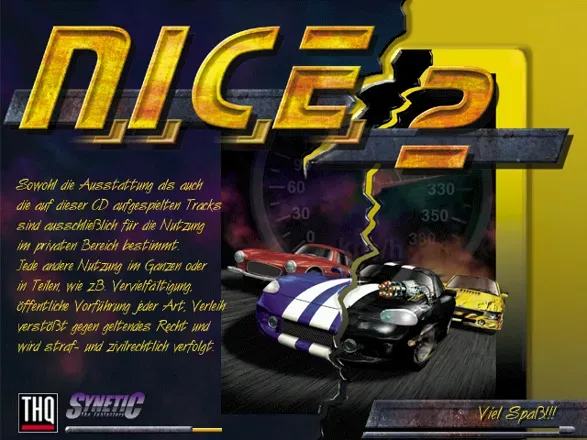
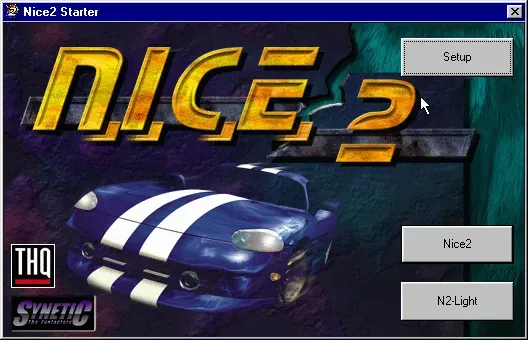
BreakNeck is a 1998 Windows racing game released by Magic Bytes and THQ Inc., and it is best understood as the North American branding of N.I.C.E. 2, a sequel to H.A.V.E. a N.I.C.E. day! developed by Synetic GmbH. The game’s identity centers on high-speed racing mixed with vehicle combat, a formula that was positioned as “spine-crushing speed” in its marketing and press coverage.
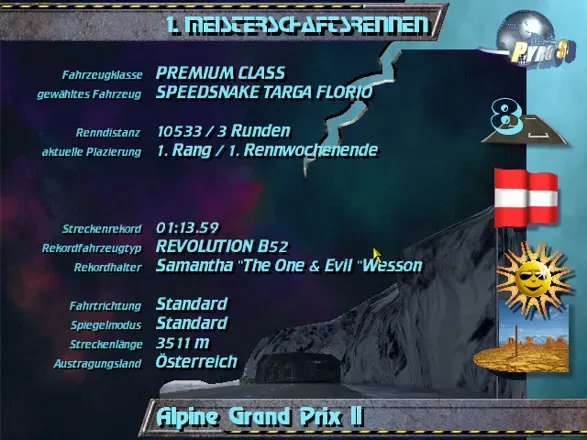
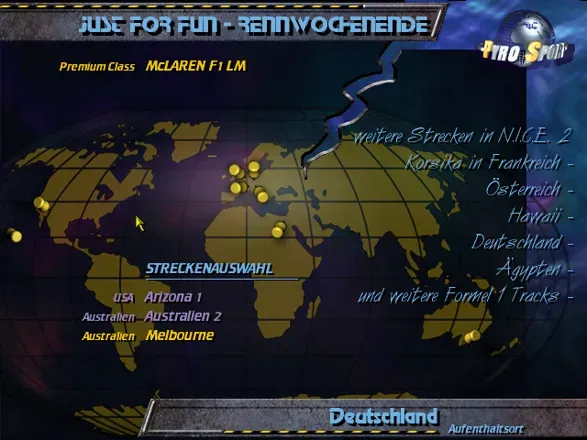
Synetic GmbH expanded the sequel with a much larger car roster, more tracks, and new race modes, while preserving the series’ hybrid of arcade action and racing simulation. Documentation from the period also shows regional release differences, with Germany as the initial market and later publication in other territories, including North America under the BreakNeck name.
Gameplay & Technical Features
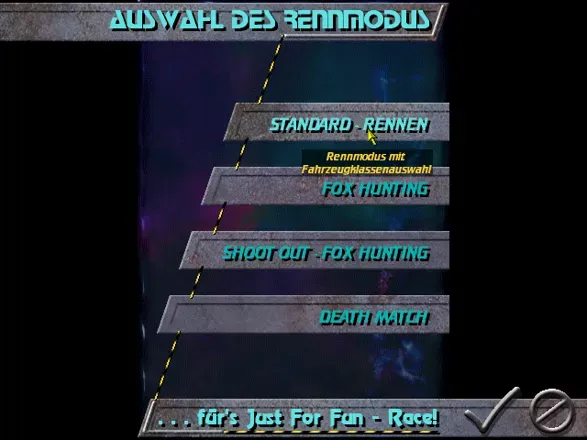
This is a racing and vehicle combat title built around fast laps, weaponized cars, and multiple race formats. Sources describe weapons and tools such as machine guns, oil throwers, nail throwers, missile systems, mines, and other combat options, alongside modes that range from standard racing to shoot-out and deathmatch-style events.
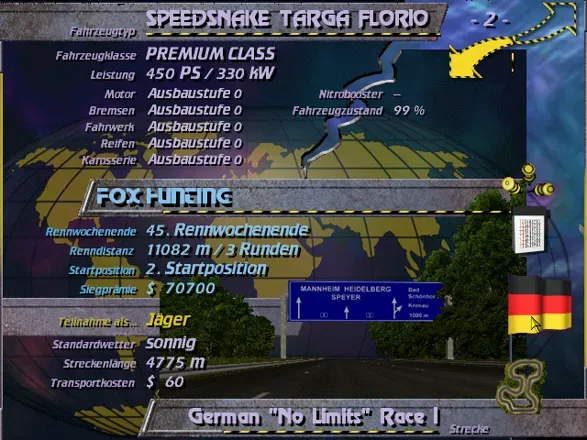
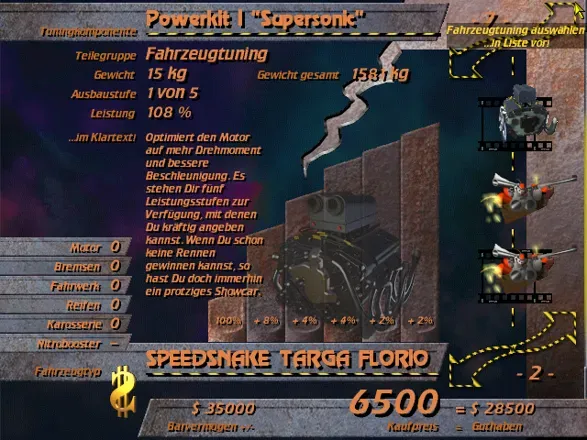
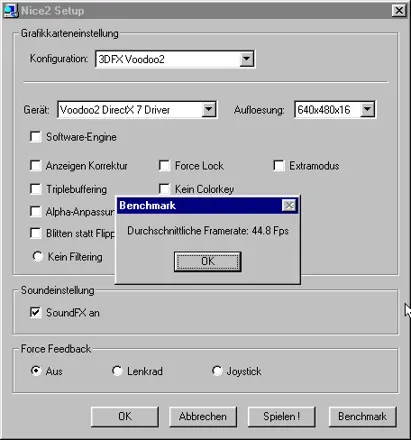
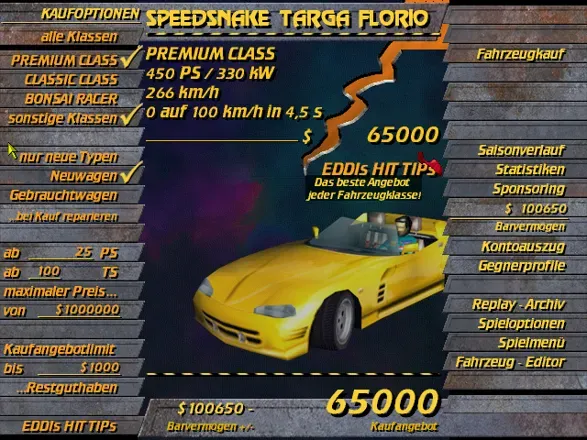
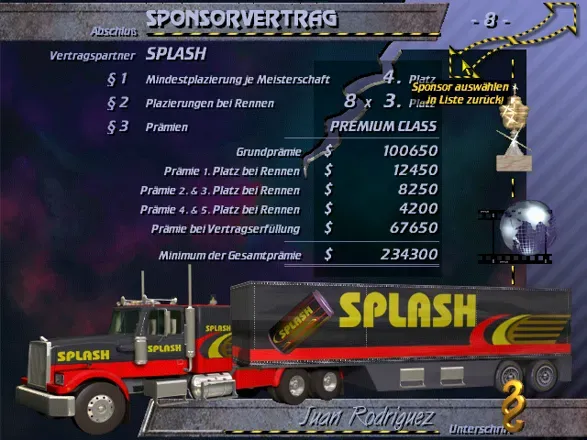
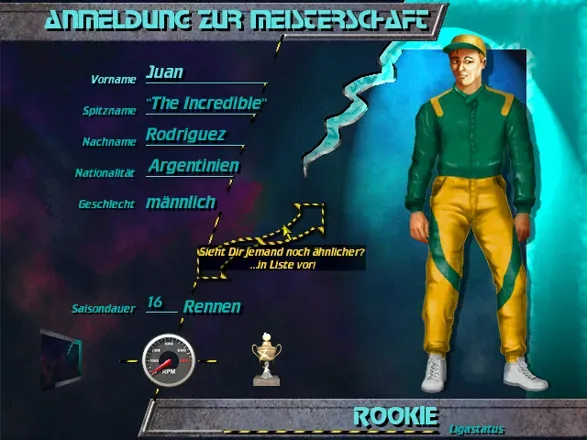
On Windows, the game emphasized its updated 3D engine, higher polygon counts, and 3D accelerator support, which were important selling points for late-1990s PC hardware. Reviews and descriptions also note a large selection of vehicles, multiple track variations, weather effects, and customization options for car parts and paintjobs, all of which helped distinguish it from simpler arcade racers.
Collector’s Value & Rarity
BreakNeck is not generally regarded as a mainstream collector trophy, but it does have modest appeal among PC racing enthusiasts, fans of obscure late-1990s combat racers, and collectors of regional Windows releases. Its value is shaped more by niche interest and preservation status than by broad market demand.
Known release information points to separate regional editions and alternate naming, including N.I.C.E. 2 and BreakNeck: Spine-Crushing Speed, which can matter to collectors tracking packaging differences. Surviving references also suggest that boxed collateral, manuals, and distributor-specific editions vary by territory, but the available documentation is not detailed enough to confirm a single definitive packaging standard for all releases.