








Historical Context & Trivia
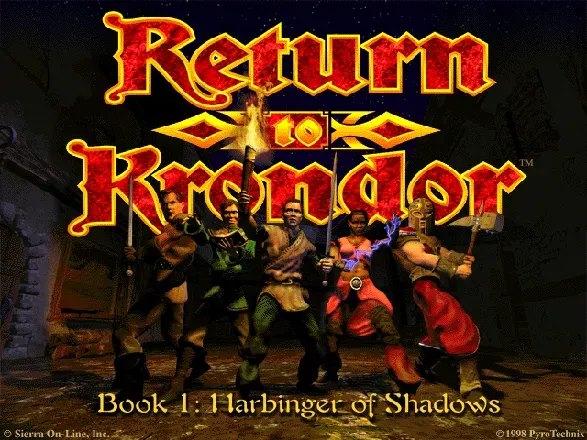
Return to Krondor (1998) is a Windows fantasy role-playing game positioned as a direct sequel to Betrayal at Krondor, drawing from Raymond E. Feist’s Midkemia setting and arriving during Sierra’s late-1990s push to keep classic PC fantasy RPGs visible in a changing market.
The game is associated with PyroTechnix, Inc. as developer and Sierra On-Line, Inc. as publisher, with release data placing it in late 1998 in North America and Europe. Its production is also notable for how it was received as a continuation of an established literary game universe rather than a wholly new franchise.
Gameplay & Technical Features
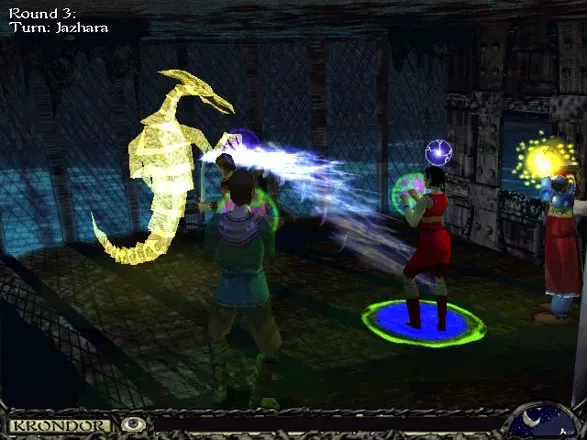
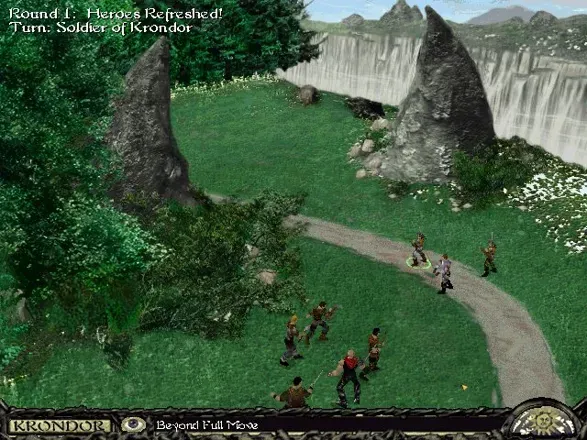
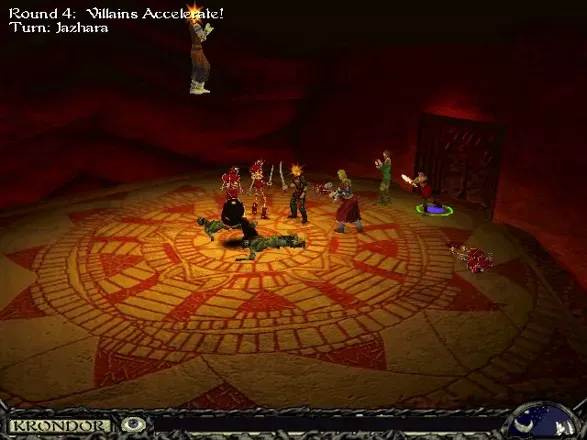
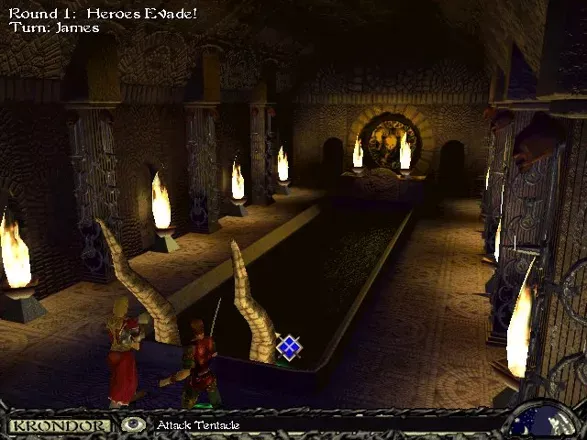
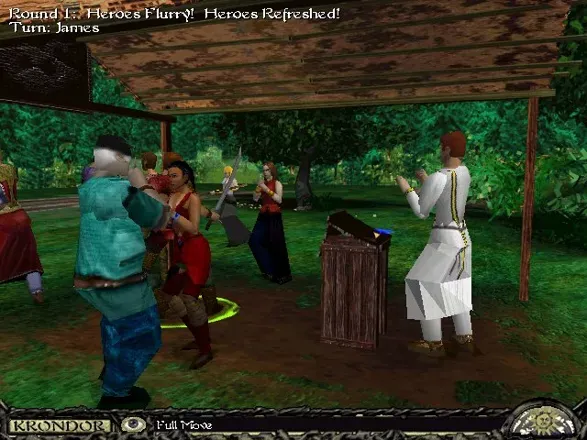
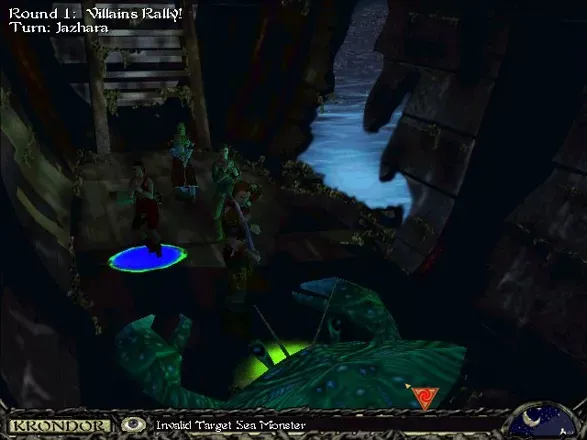
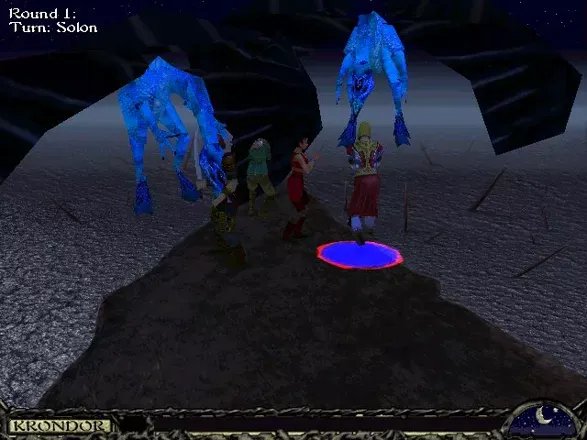
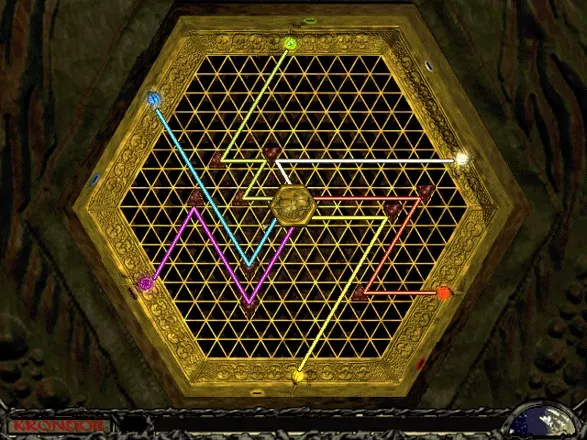
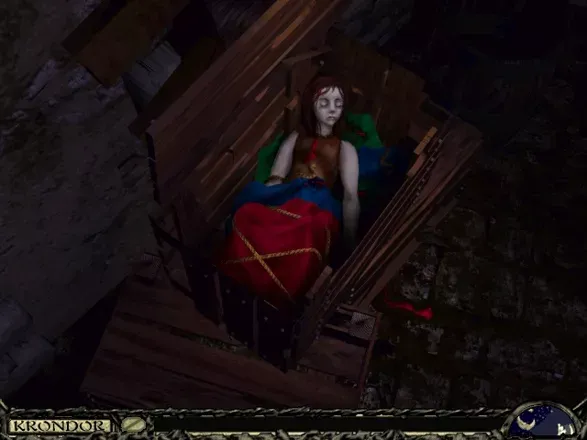
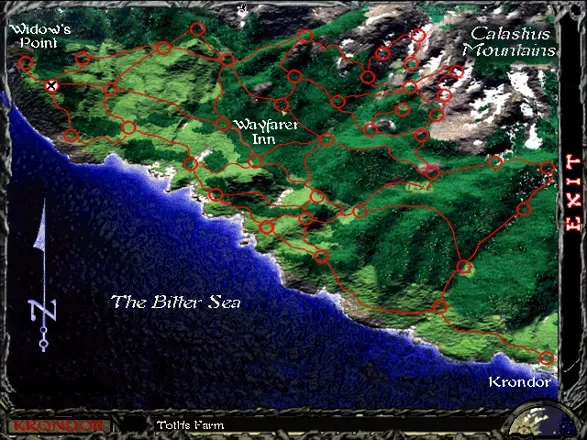
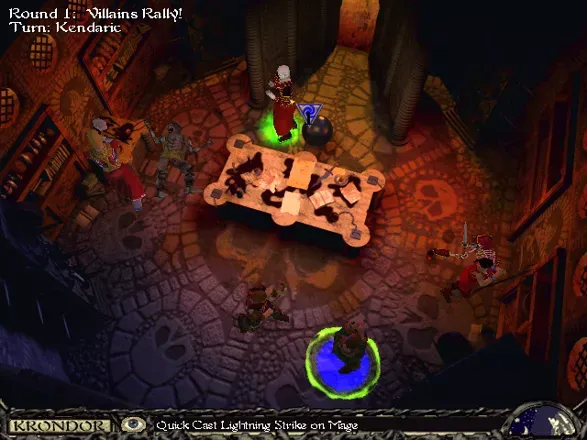
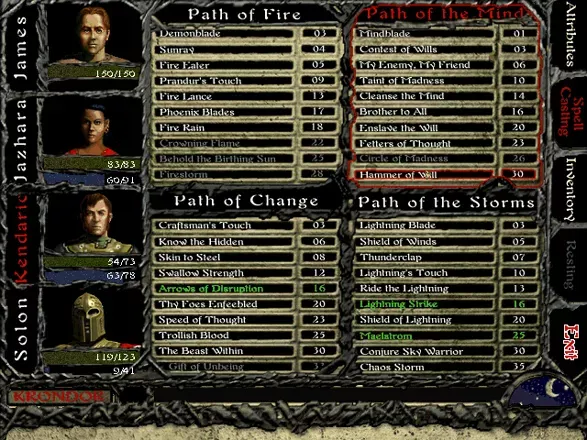
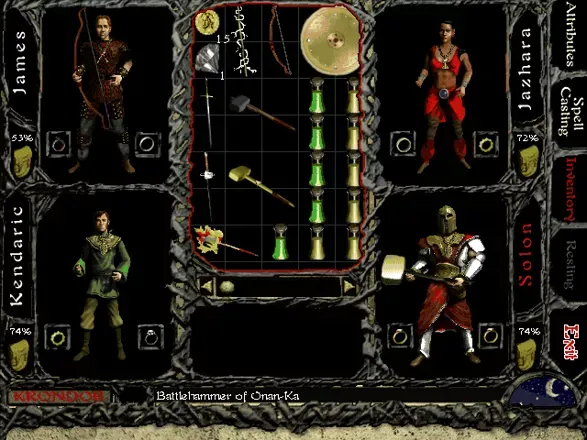
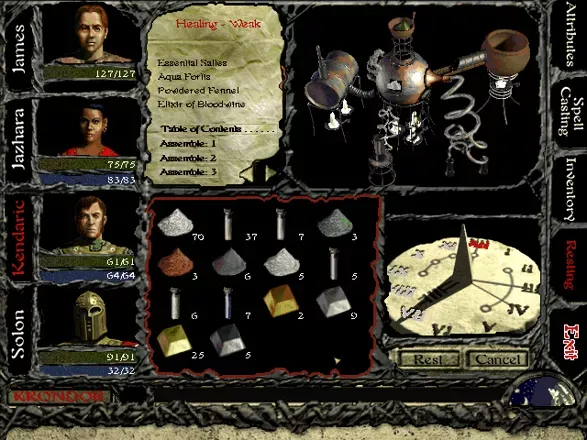
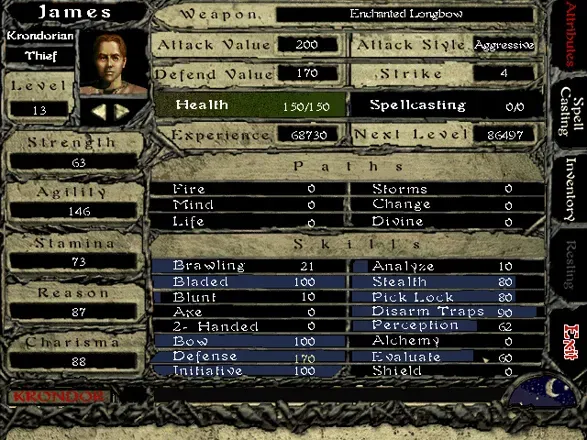
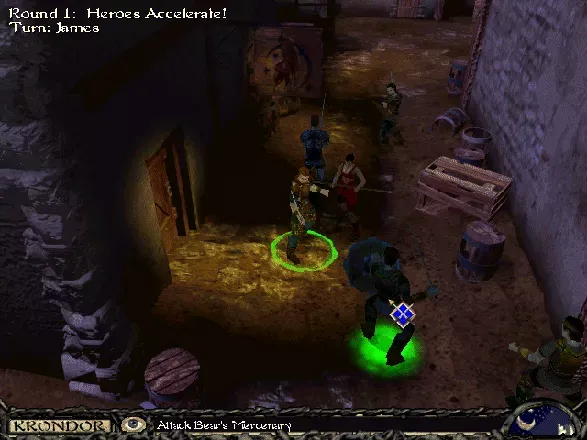
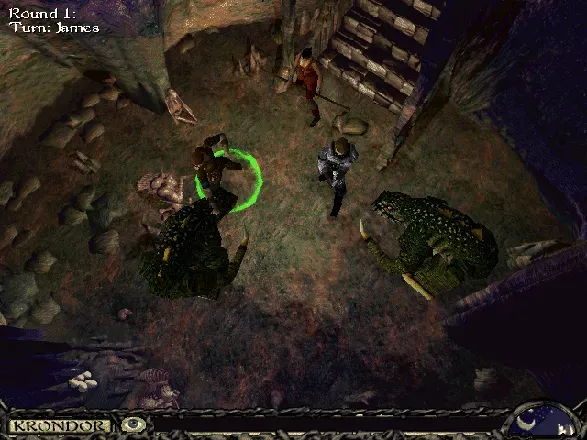
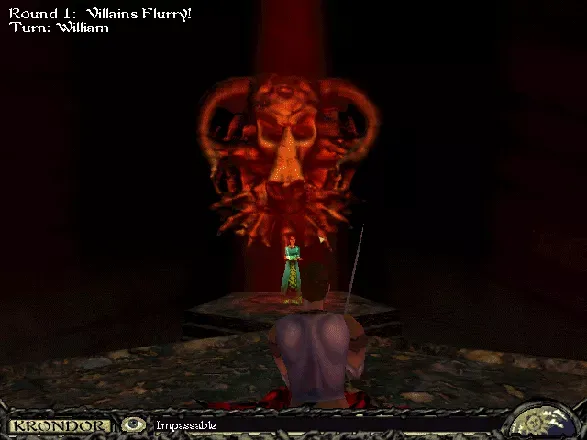
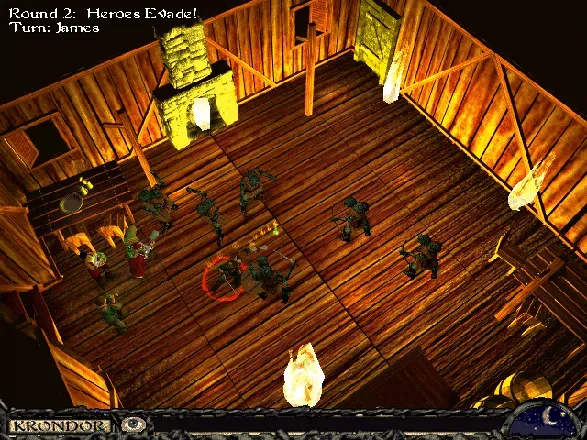
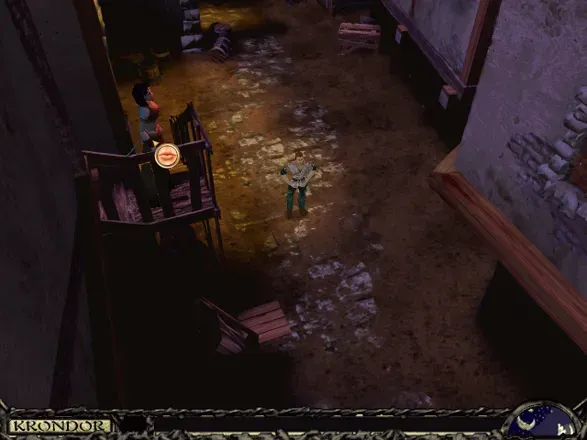
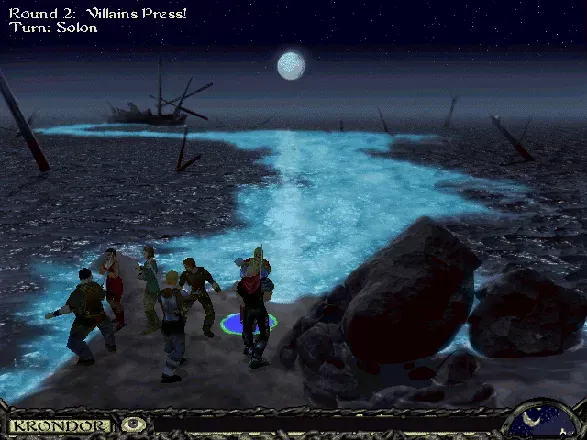
This is a role-playing game built around party-based adventure, exploration, dialogue, investigation, and turn-based combat, with the story centered on the recovery of the sacred relic known as the Tear of the Gods. The structure is more linear than many open-ended CRPGs of the era, emphasizing progression through scripted encounters and scenario-driven missions.
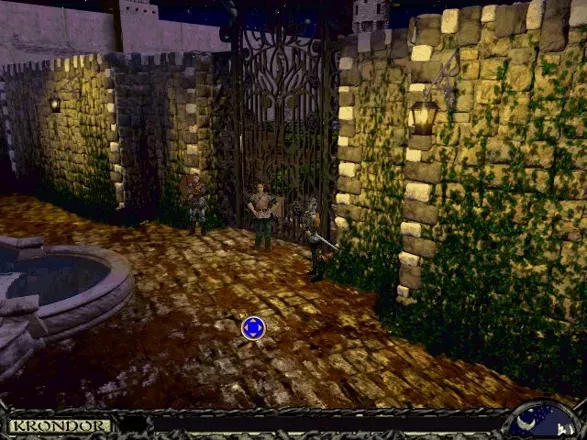
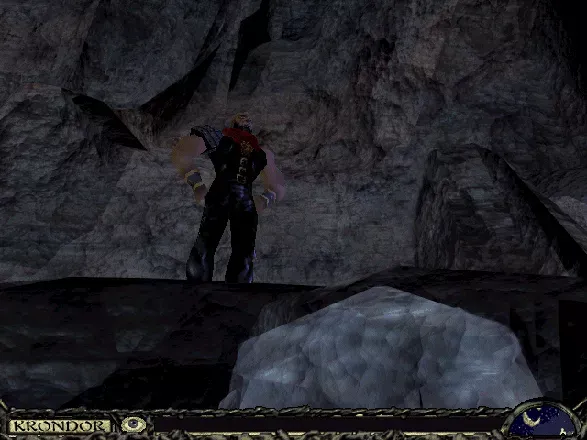
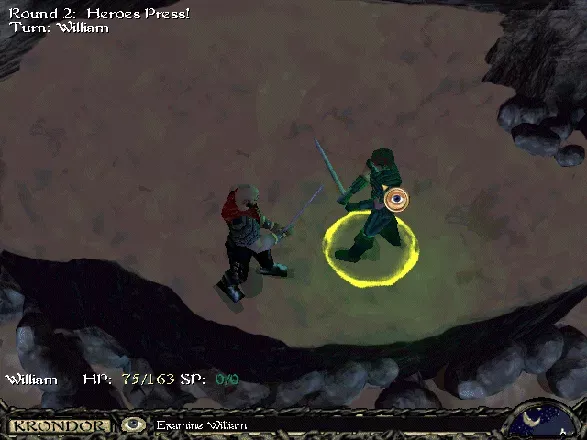
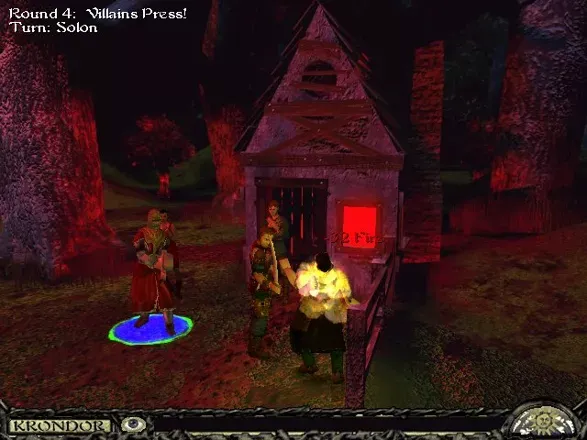
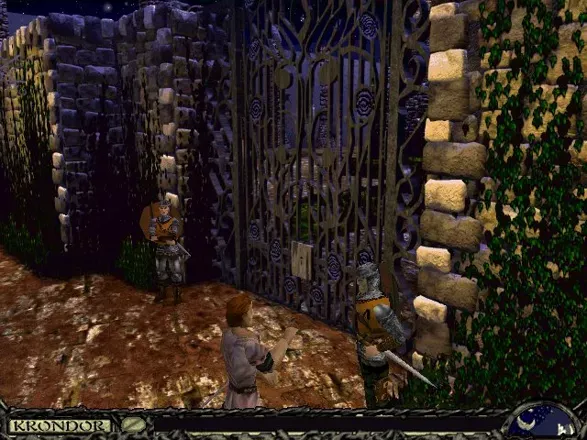
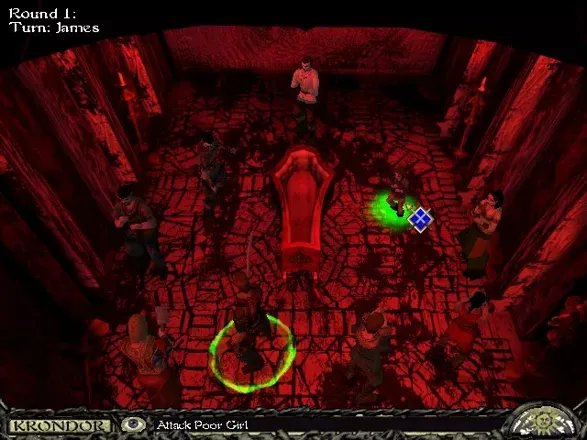
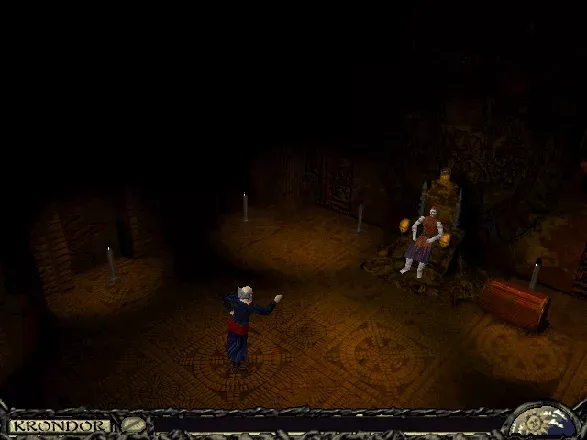
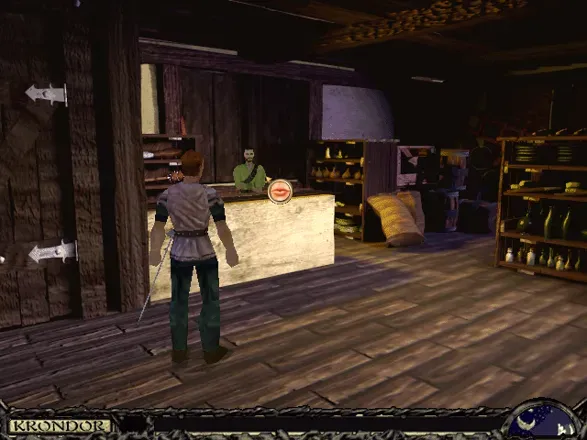
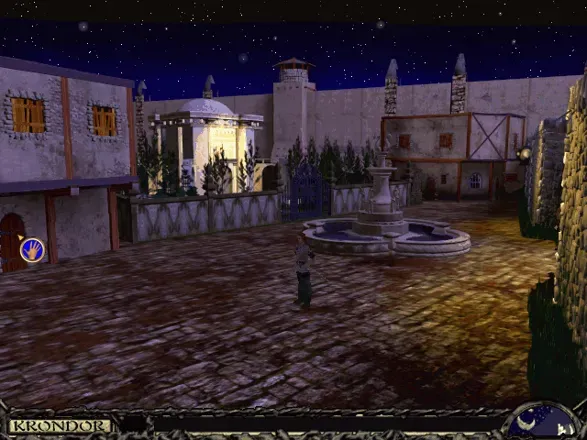
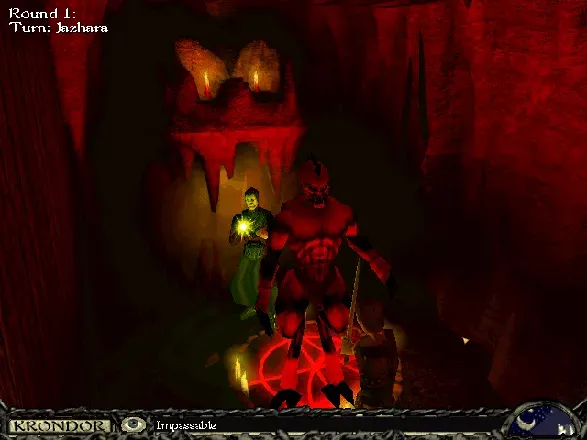
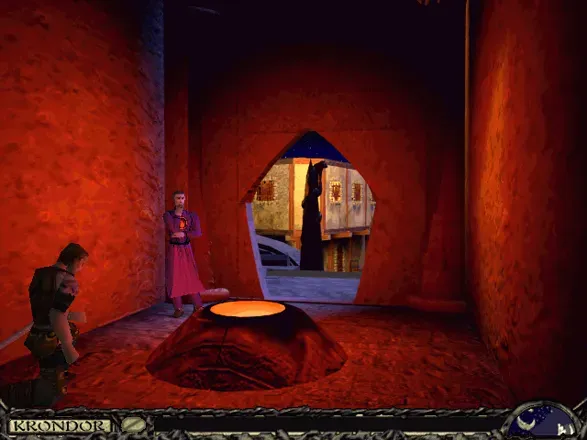
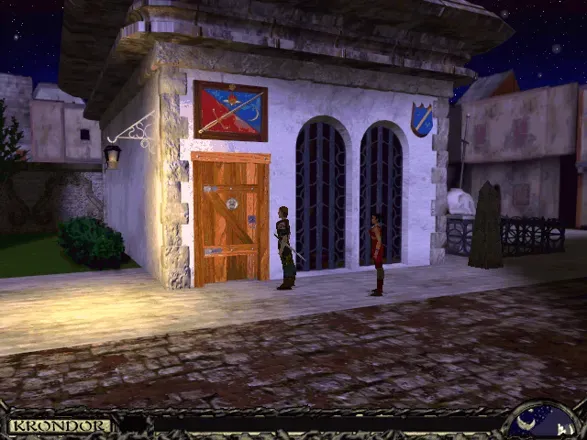
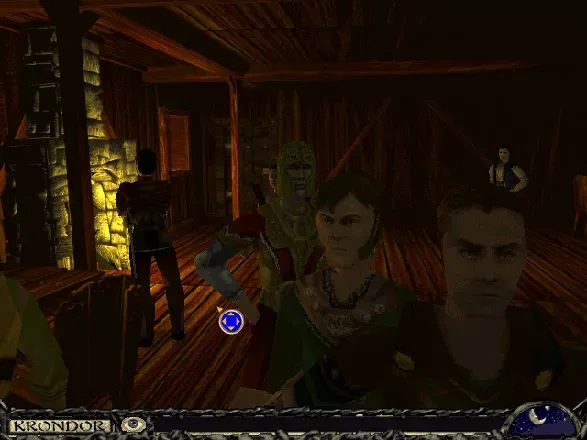
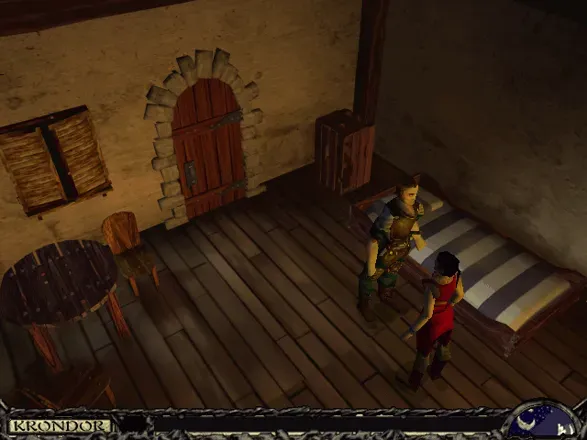
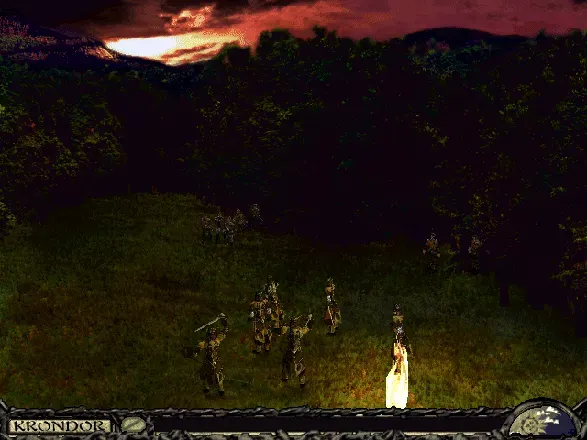
On Windows, the game used a cinematic presentation and 3D-oriented camera style that set it apart from the older, more text-heavy style associated with earlier Krondor entries. The release was designed for late-1990s PC hardware and CD-ROM-era presentation, with contemporary listings noting DirectX-era compatibility and a full audiovisual package tied to Sierra’s adventure/RPG output.
Collector’s Value & Rarity
Return to Krondor is not generally treated as a top-tier ultra-rare PC collectible, but it does sit in the preserved-but-niche category that appeals to Sierra fans, fantasy RPG collectors, and players tracking the Krondor lineage. Its market presence is mainly shaped by age, PC-only availability, and the relative obscurity of its sequel status compared with more famous Sierra releases.
Collector interest is strongest in complete boxed copies that retain the original manual, inserts, CD-ROM media, and regional packaging variations tied to different European and North American releases. Because it was distributed under multiple publisher labels across regions, packaging can vary, but the core collectible value remains tied to complete physical documentation and original retail condition rather than scarcity alone.