



Historical Context & Trivia
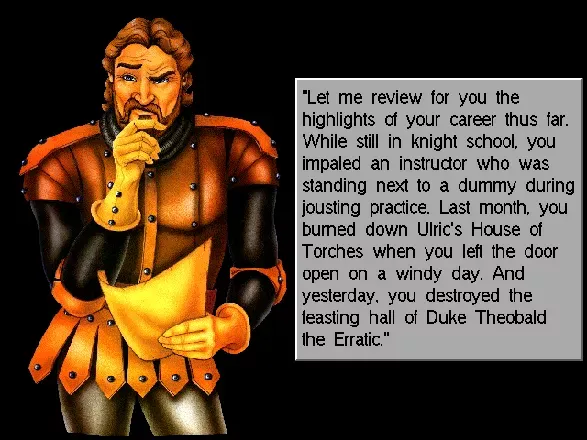
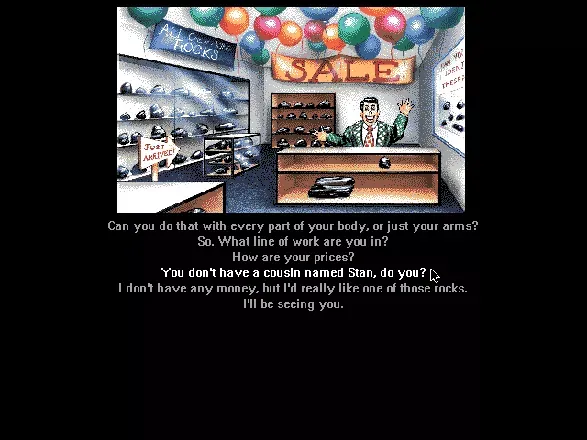
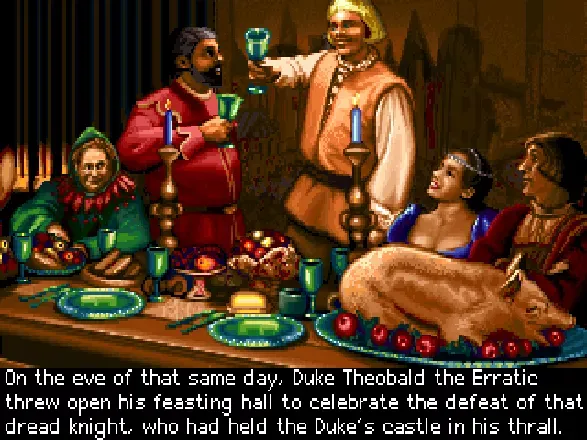
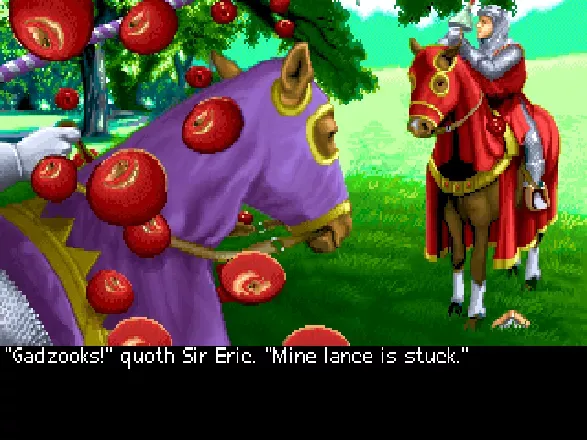
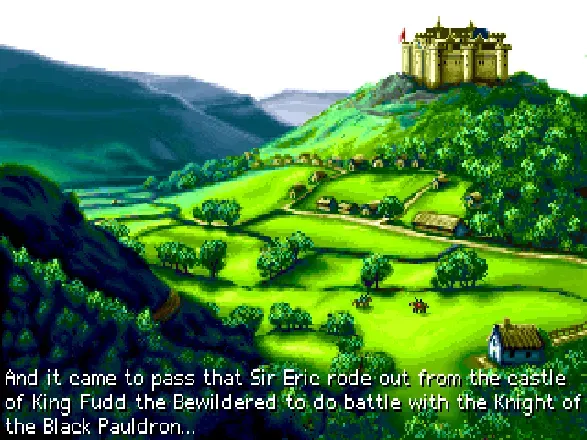
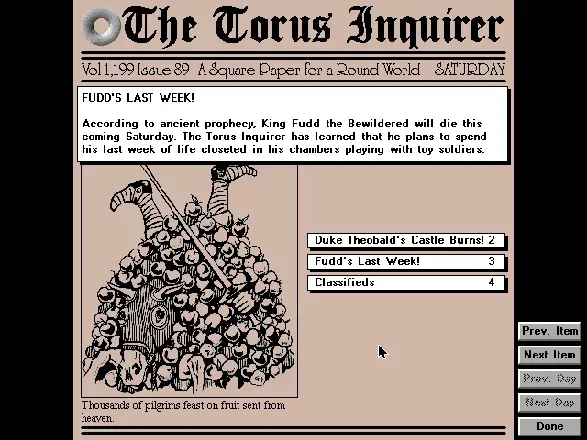
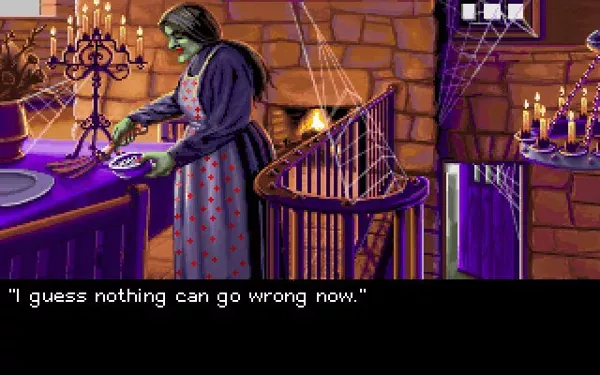
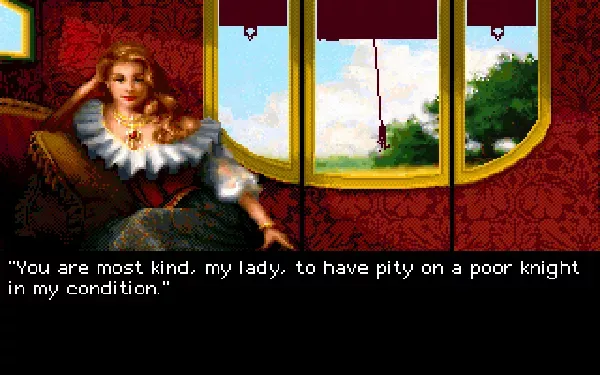
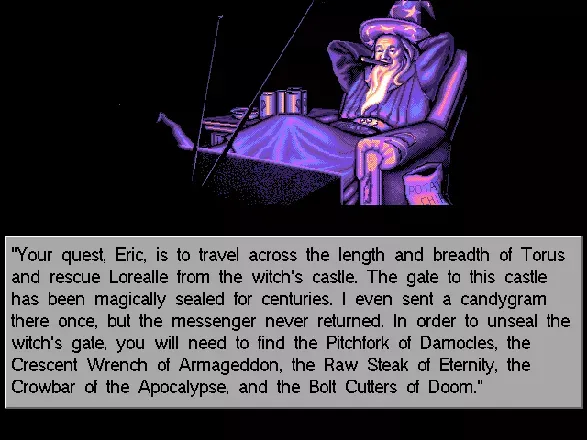
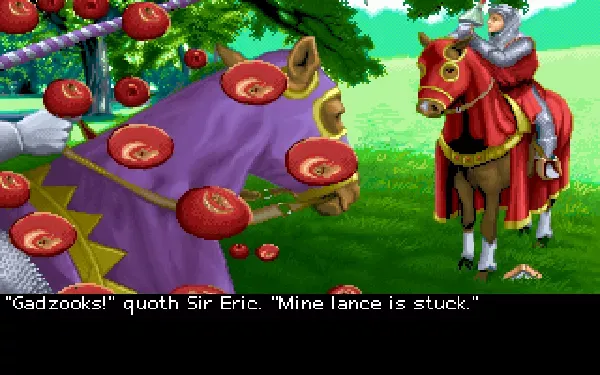
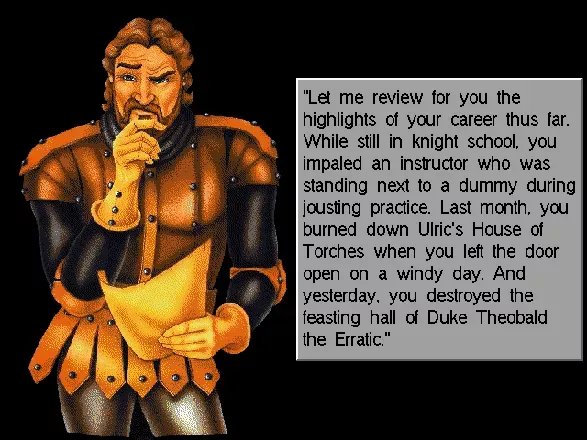
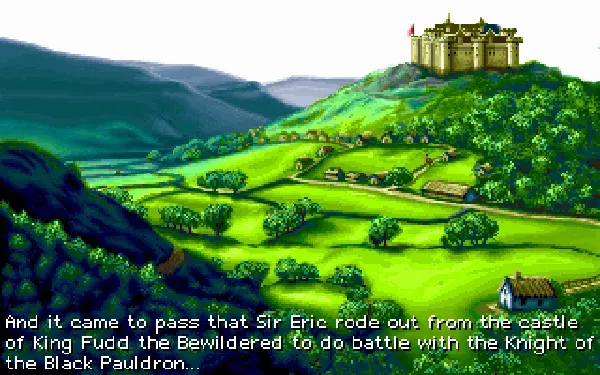
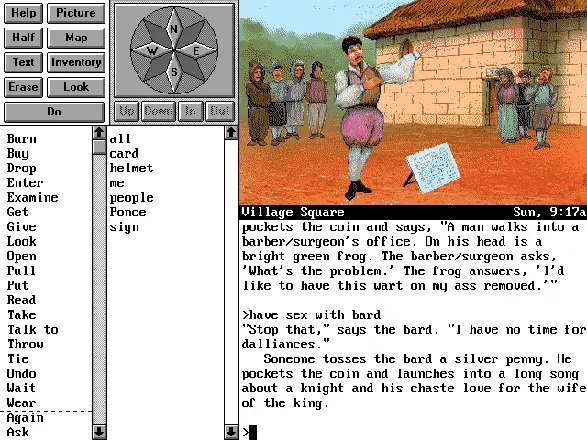
Eric the Unready (1993) is a comedic fantasy adventure from Legend Entertainment Company that arrived on DOS during the last major stretch of the boxed American parser-adventure era. Its reputation rests on parody: the game skewers heroic fantasy conventions with a clumsy knight protagonist, exaggerated villains, and a deliberately absurd tone that helped it stand out in a crowded early-1990s adventure market.
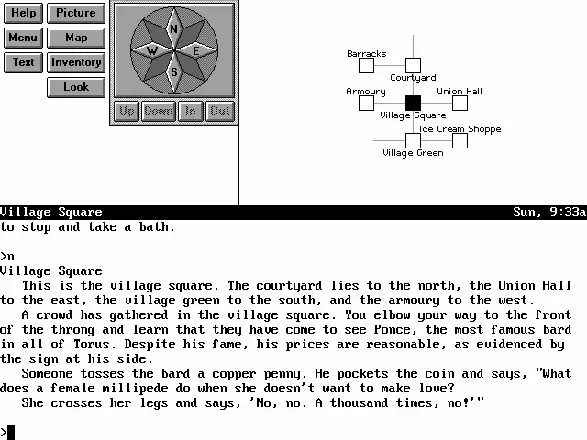
Built and published by Legend Entertainment Company, the game reflects the studio’s signature hybrid style of text-driven storytelling paired with graphics and sound rather than a pure text-only format. Contemporary and retrospective coverage consistently notes that it was designed as a lighter, more forgiving adventure than many earlier Legend releases, with the studio leaning into humor, accessibility, and chapter-based progression.
Gameplay & Technical Features
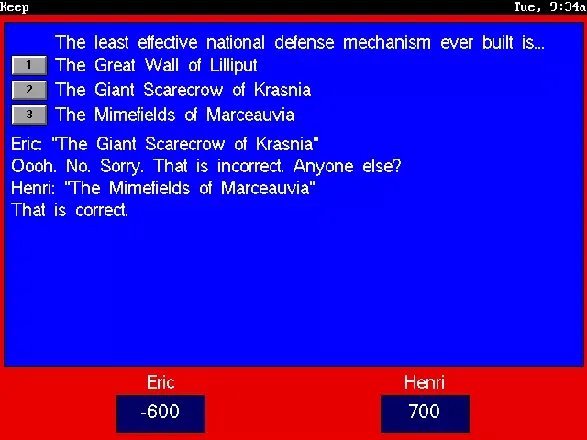
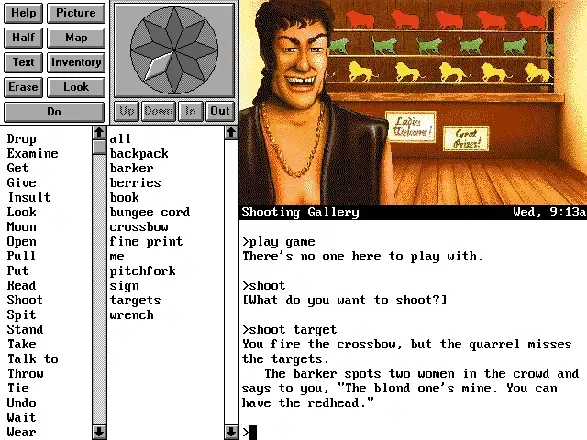
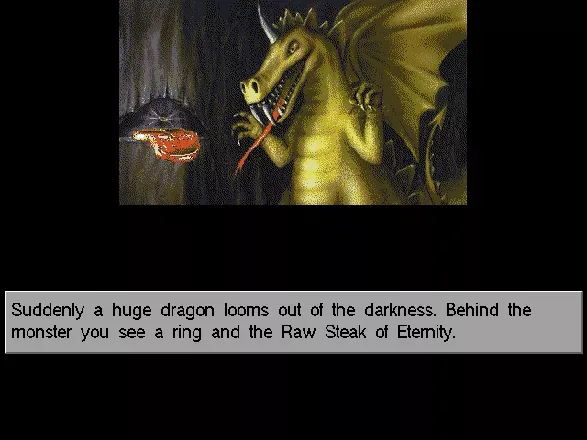
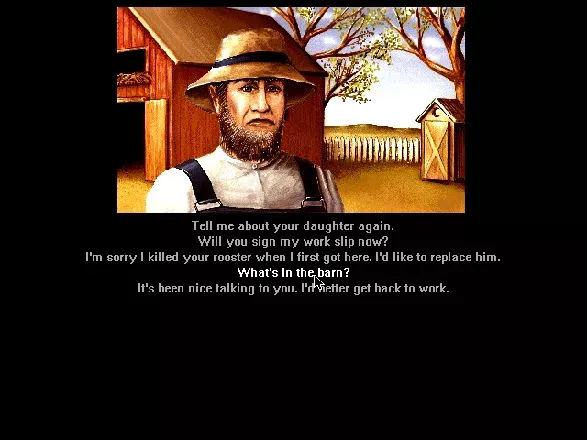
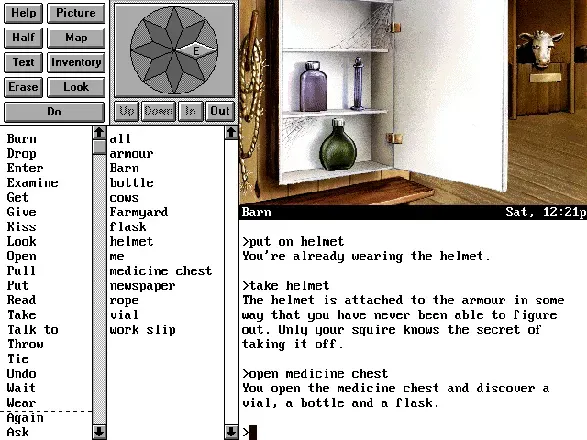
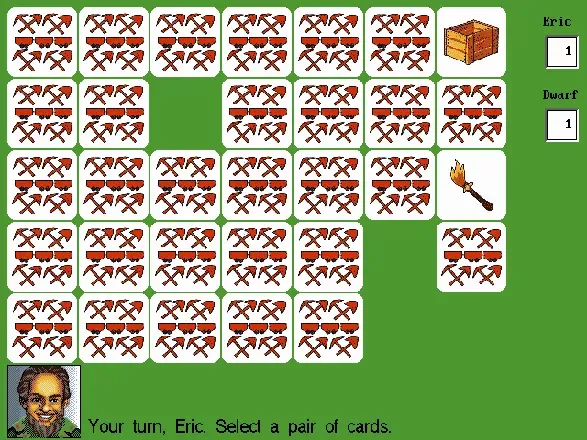
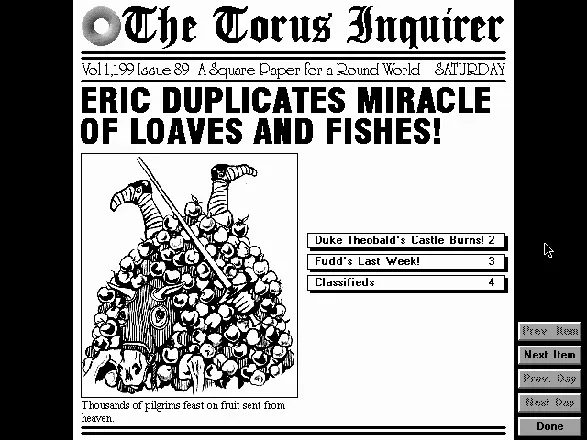
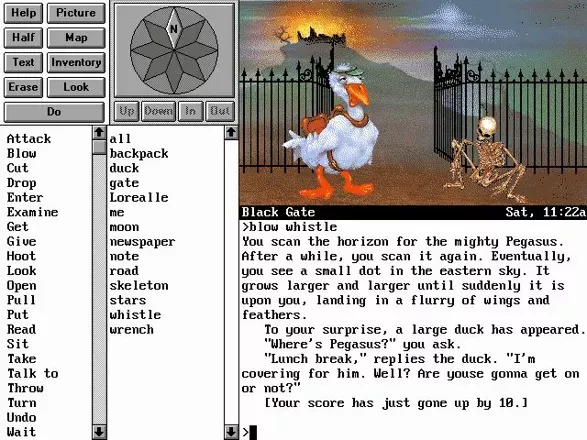
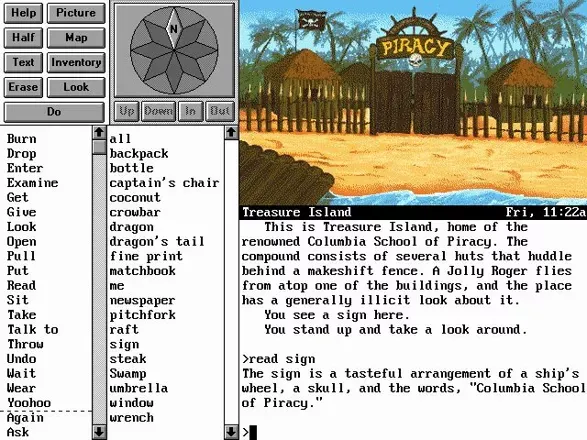
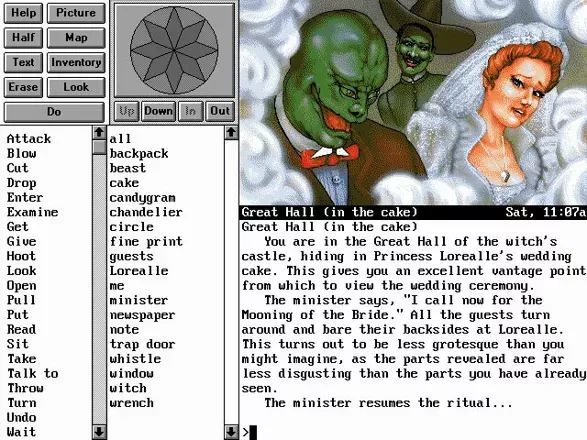
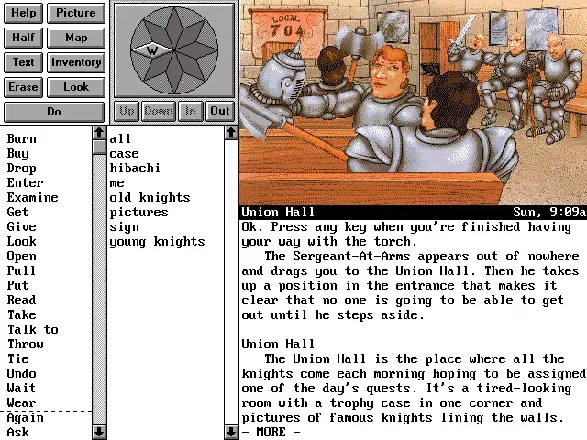
As an Adventure title, Eric the Unready centers on puzzle solving, item use, and narrative progression through a sequence of fantasy scenarios rather than combat-heavy play. The structure emphasizes comedic set pieces, inventory interactions, and puzzle logic wrapped in parody, with the player guiding Eric through a quest that mixes mythic tropes with slapstick writing and elaborate gags.
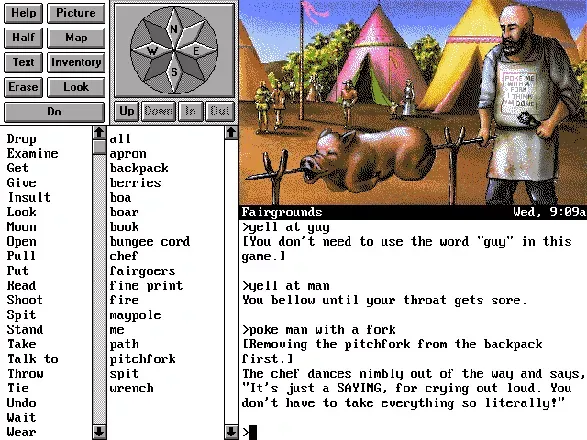
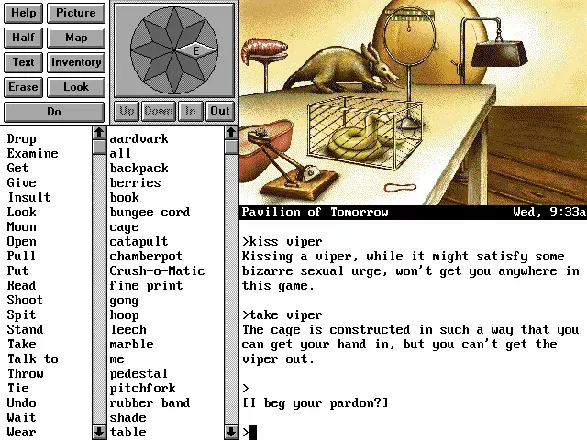
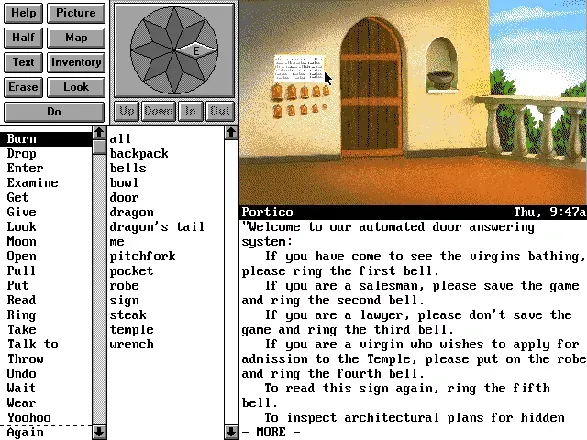
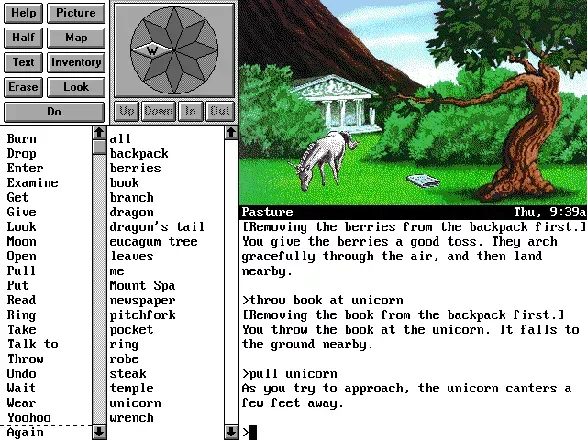
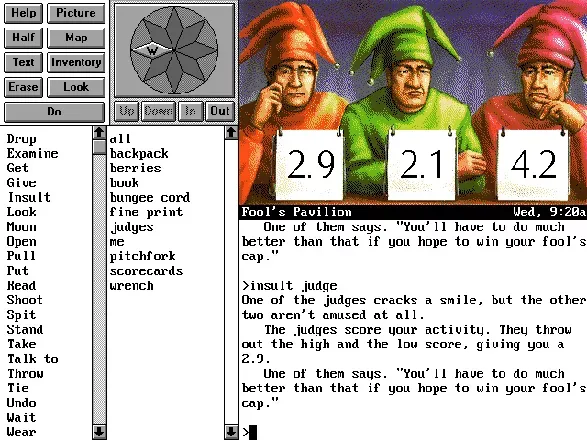
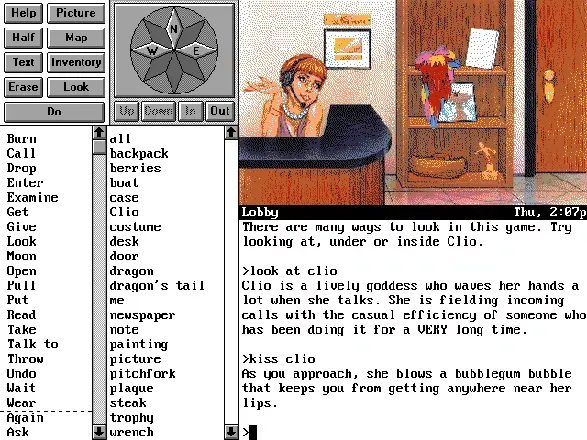
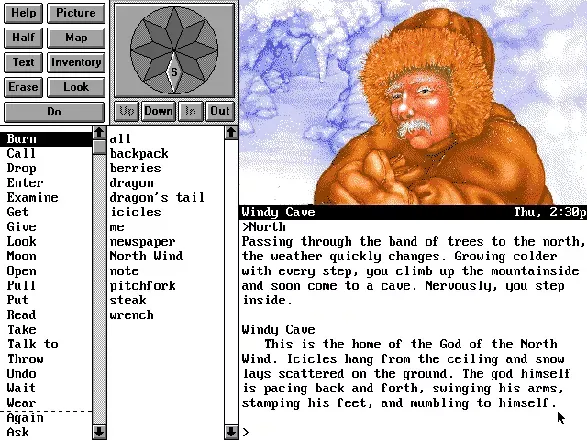
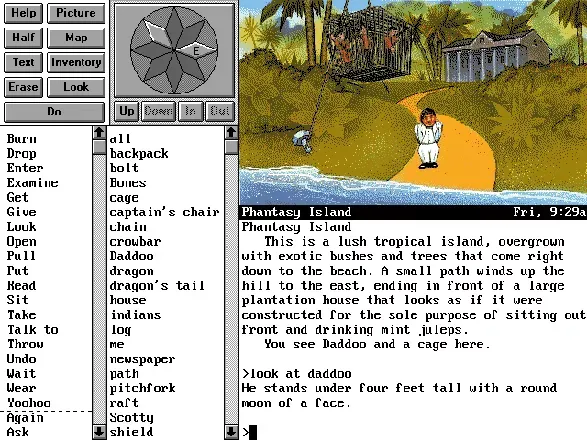
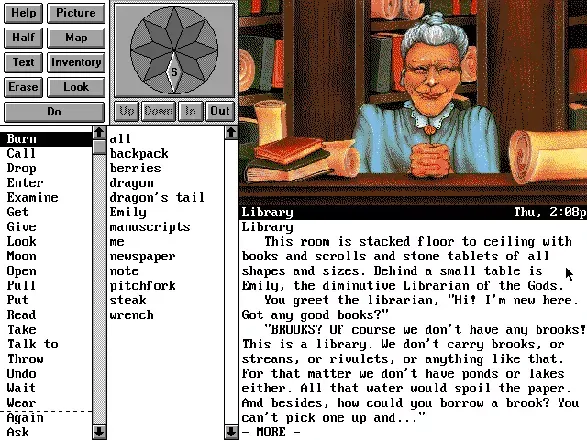
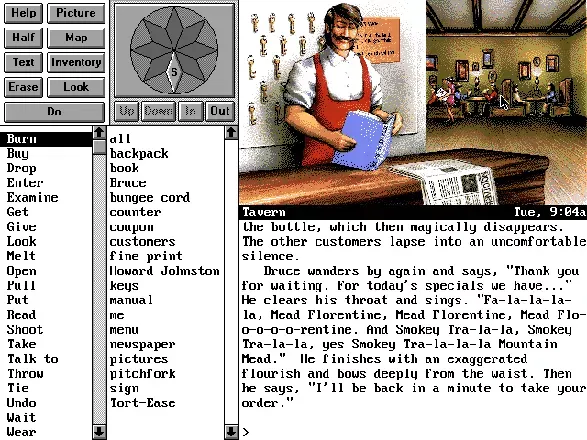
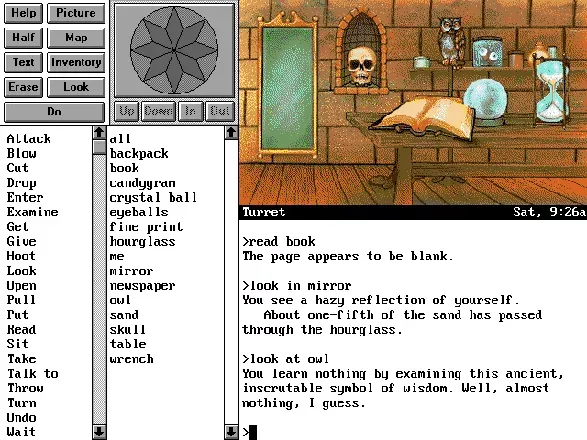
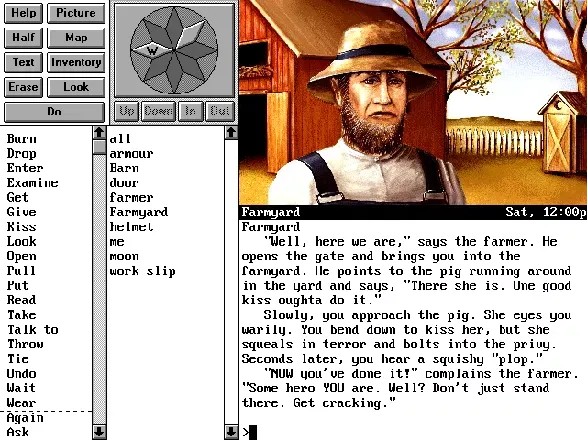
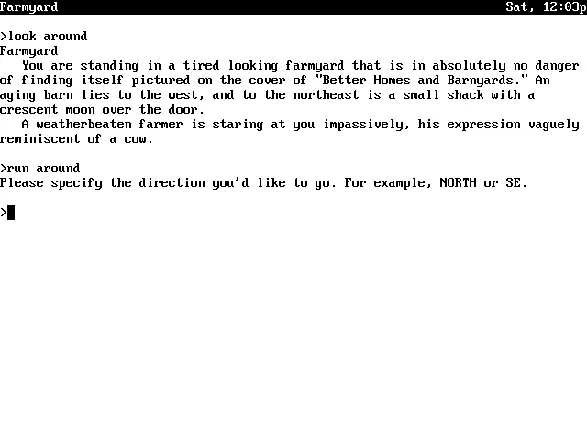
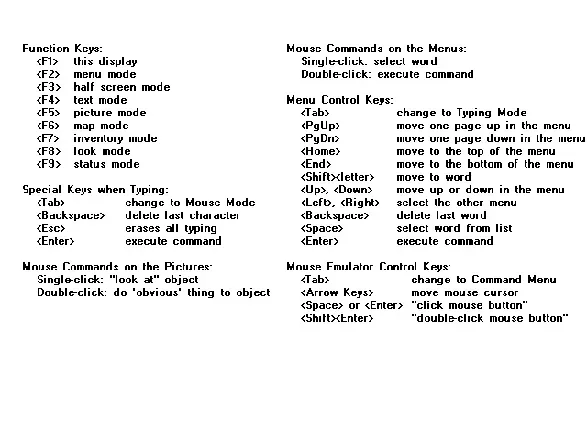
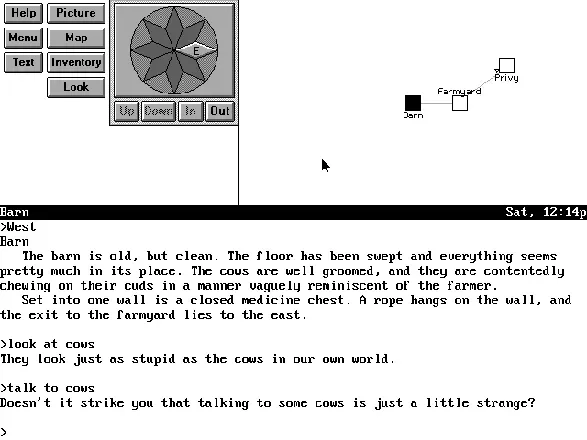
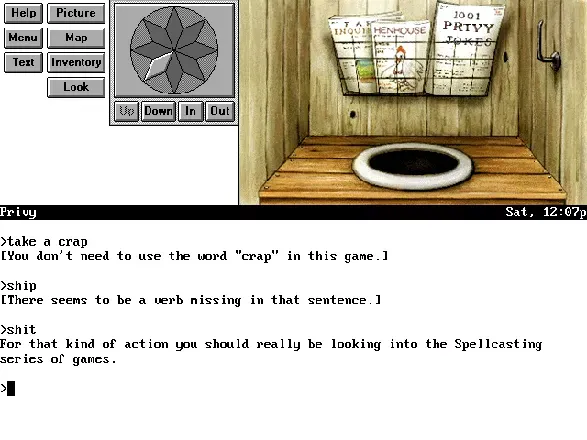
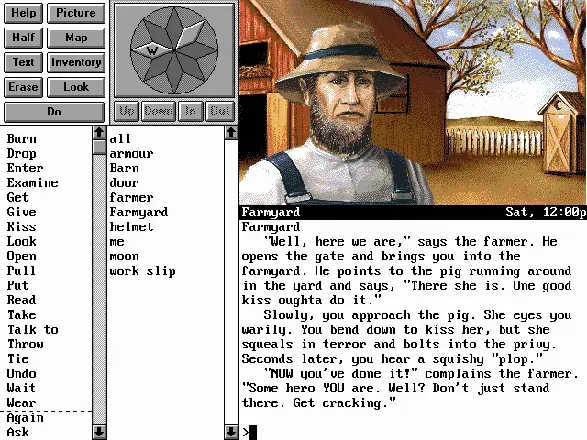
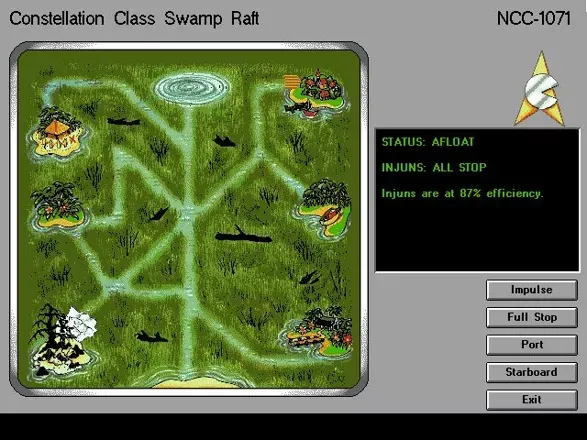
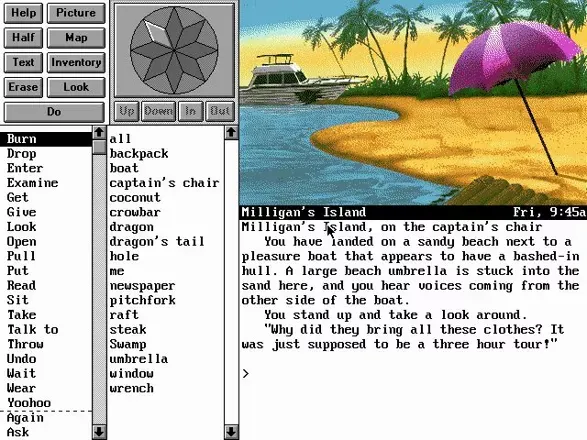
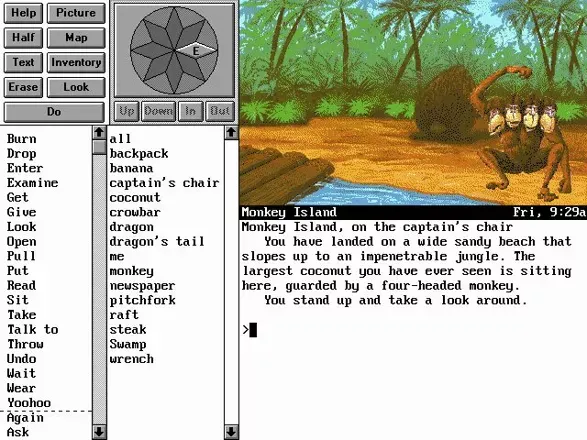
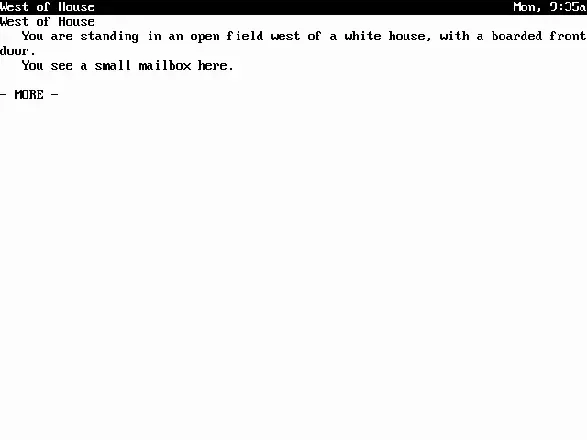
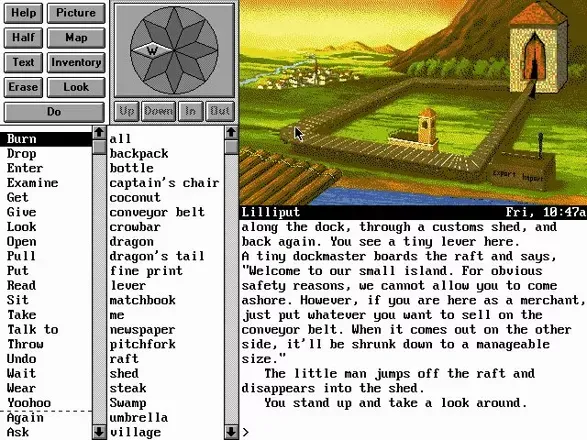
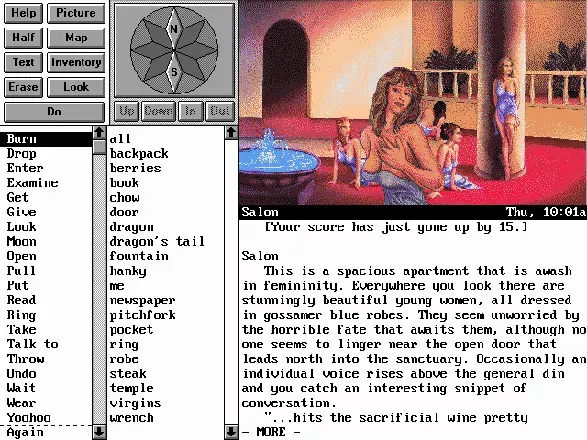
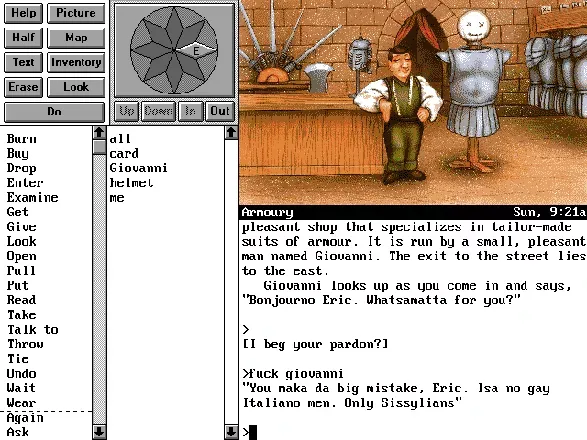
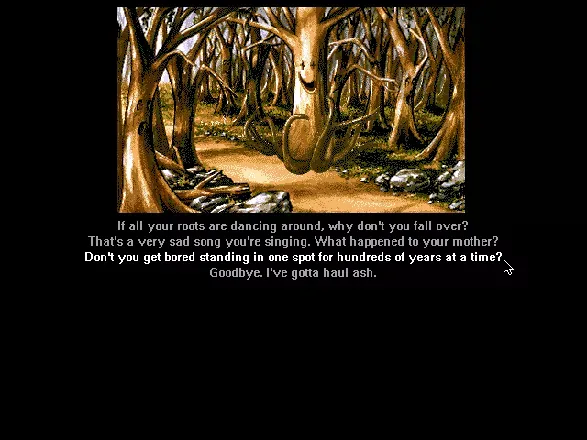
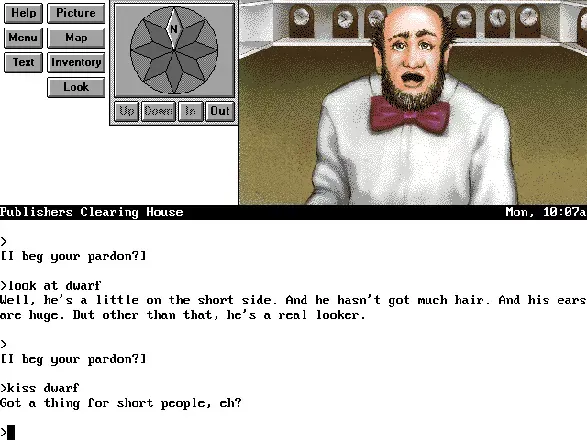
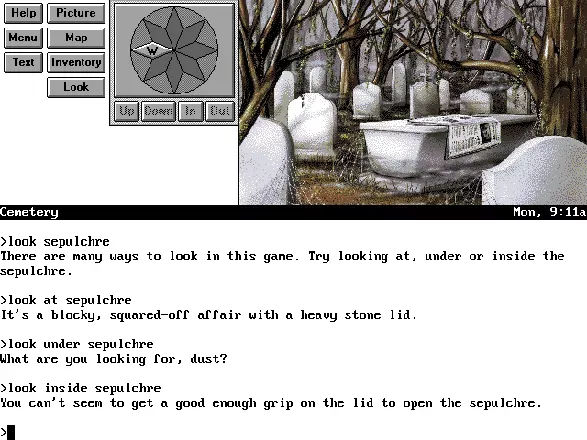
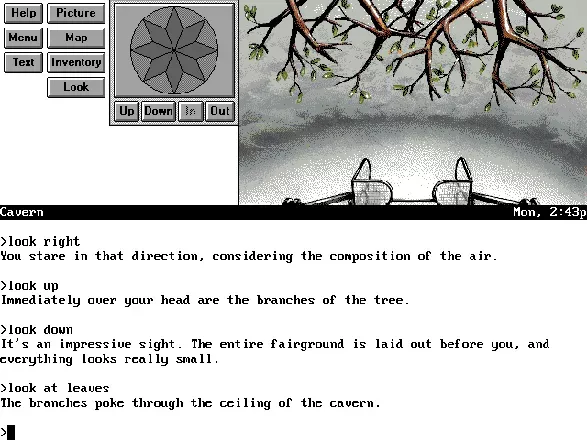
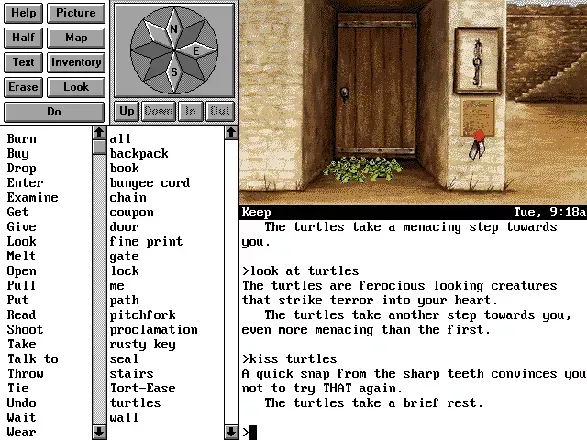
On the DOS platform, the game used Legend’s established interface style, combining text input traditions with graphical presentation, audio cues, and chapter-driven pacing. Accounts of the release describe it as using graphics, music, and sound effects alongside the text adventure framework, with a comparatively approachable design that reduced punishing dead ends and harsh failure states common in older parser adventures.
Collector’s Value & Rarity
Eric the Unready is not generally treated as a top-tier ultra-rare collectible, but original DOS copies remain desirable among adventure-game collectors because of the game’s status as a notable Legend release and its place in the late commercial parser-adventure catalog. Market interest is driven more by preservation, nostalgia, and genre significance than by extreme scarcity, with digital reissues helping keep the title accessible.
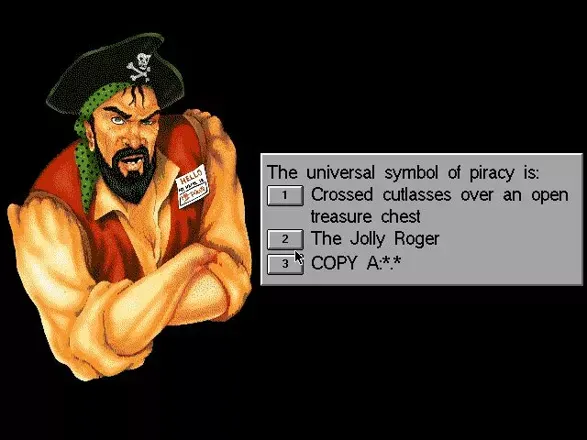
Physical copies are most relevant when complete, especially if they include the original retail packaging and manual material associated with classic DOS adventure releases. Regional and edition differences are not strongly emphasized in the available documentation, so the main collector distinction is typically completeness of the original boxed set rather than variant-heavy publishing history.