














Historical Context & Trivia
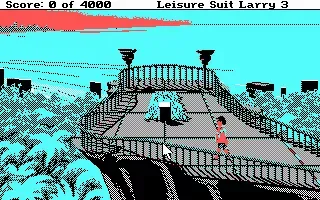
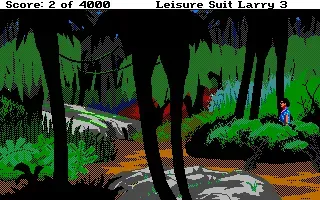
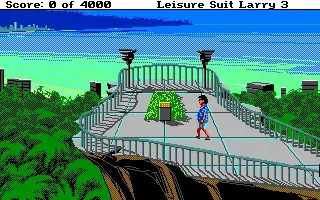
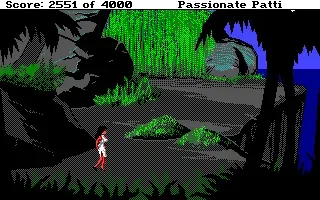
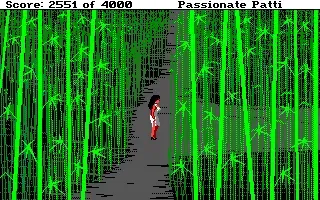
Leisure Suit Larry III: Passionate Patti in Pursuit of the Pulsating Pectorals (1989) is one of Sierra On-Line’s best-known comedy-adventure releases, arriving as the third entry in the Leisure Suit Larry series and extending the franchise’s adult-themed humor and parser-based puzzle design into a more polished late-1980s presentation.
Sierra On-Line positioned the game within its established graphical adventure lineup, with Al Lowe credited as the creative force behind the series and the title released for DOS alongside other personal-computer platforms in the same period. The game is part of the broader wave of SCI-era adventure productions that helped define Sierra’s identity in the home-computer market.
Gameplay & Technical Features
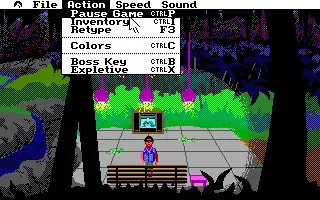
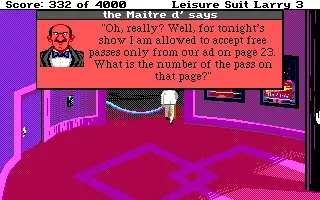
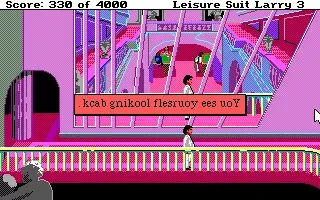
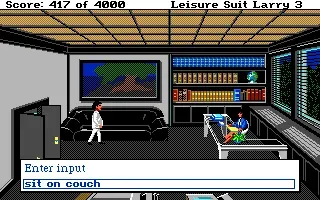
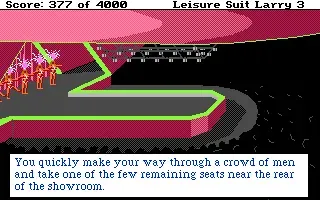
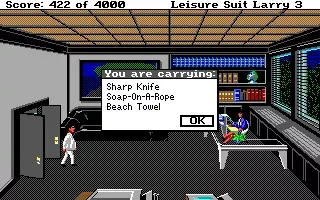
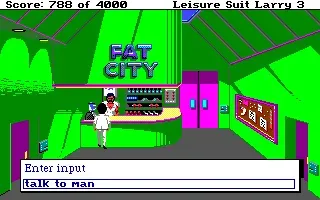
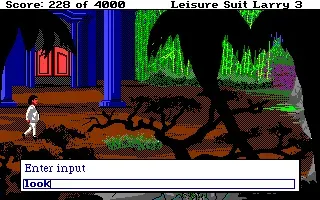
This Adventure game combines exploratory scene navigation, inventory-driven puzzle solving, and text-command interaction, with the series’ trademark mix of social awkwardness, risqué comedy, and obscure puzzle logic. As with many Sierra adventures of the era, progression depends on careful observation, item use, and experimenting with parser commands.
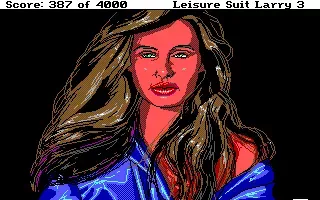
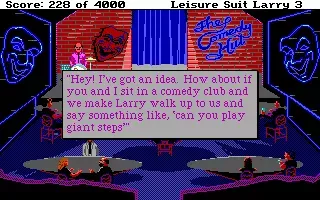
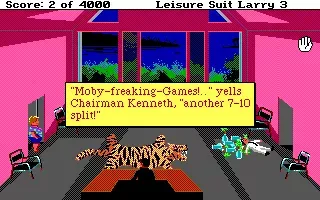
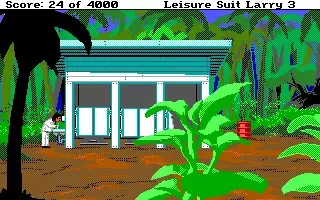
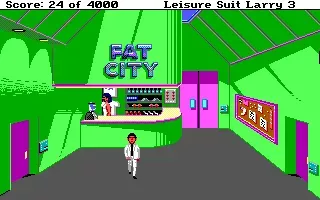
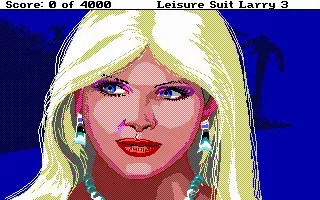
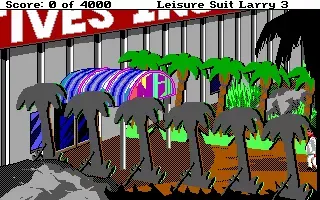
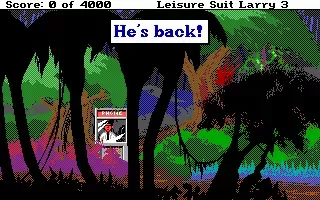
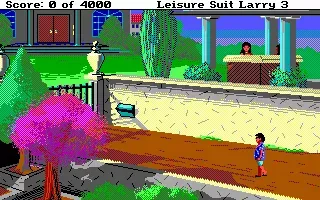
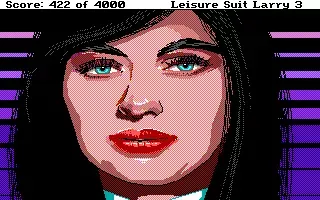
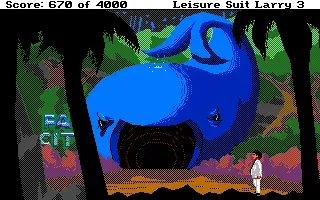
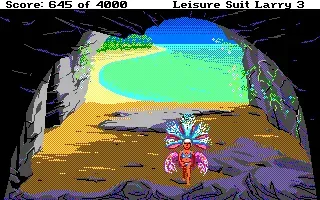
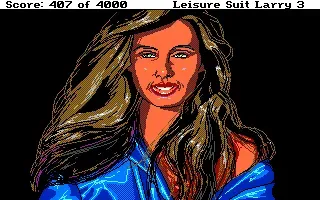
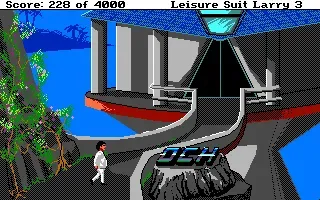
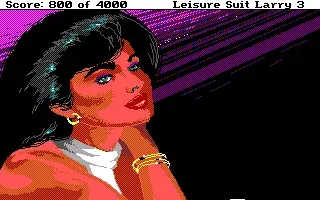
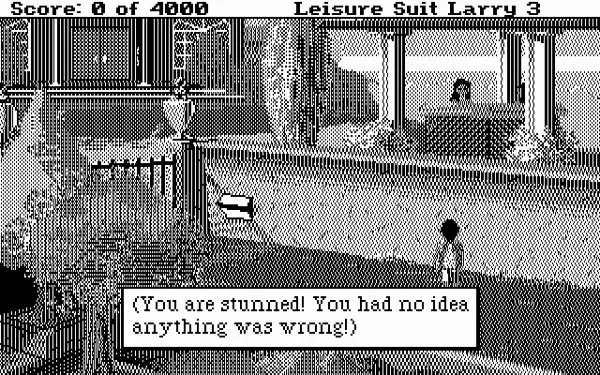
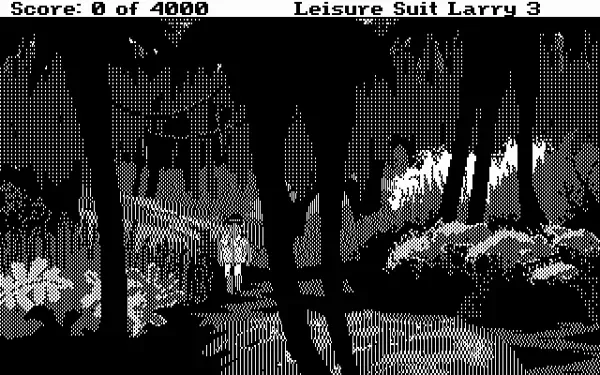
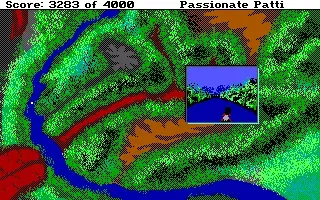
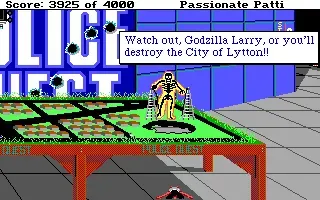
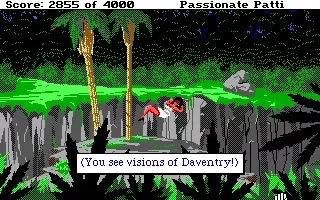
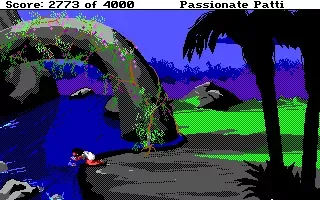
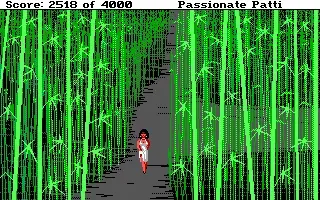
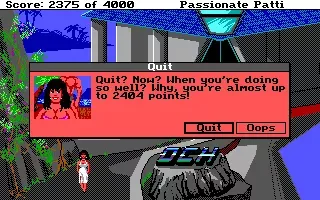
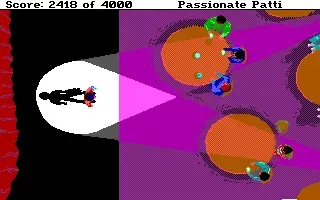
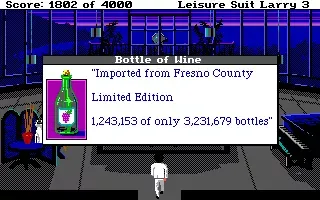
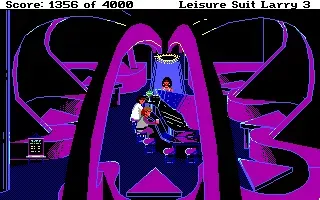
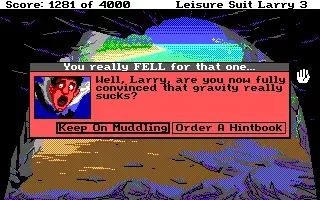
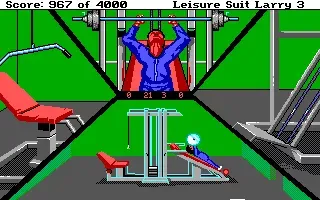
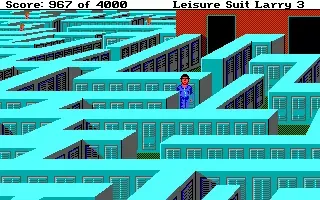
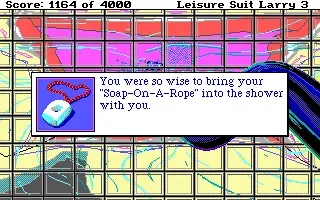
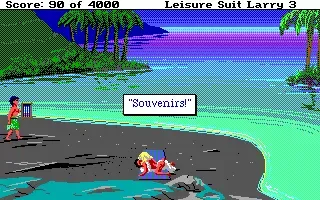
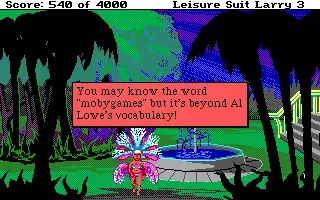
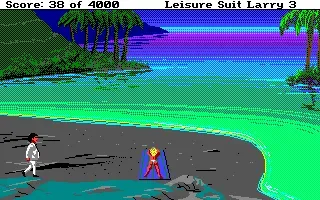
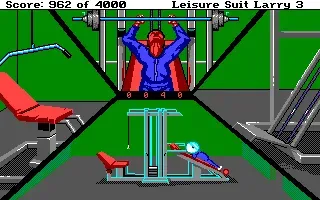
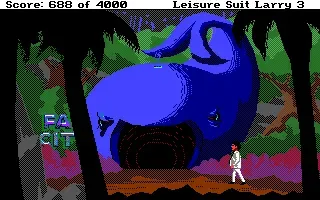
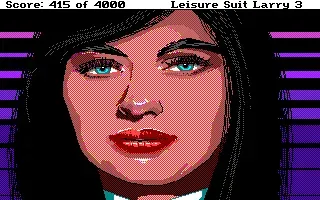
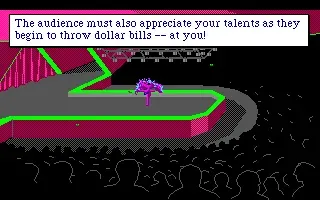
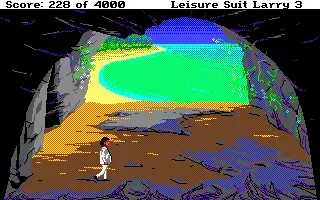
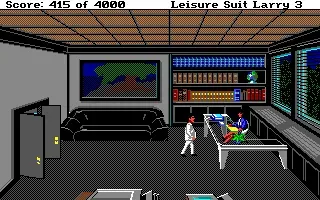
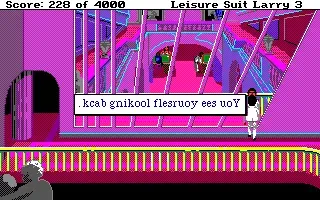
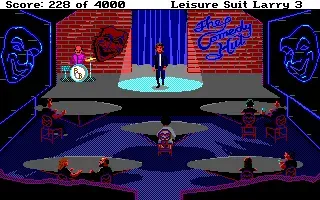
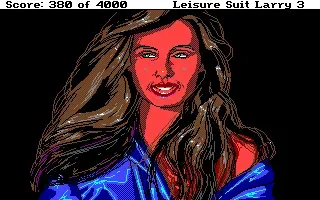
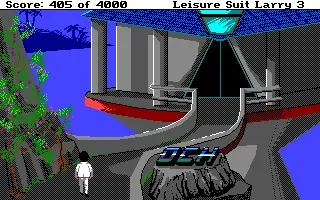
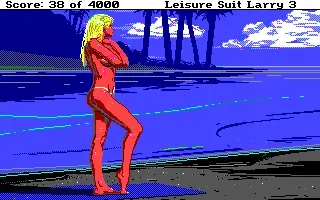
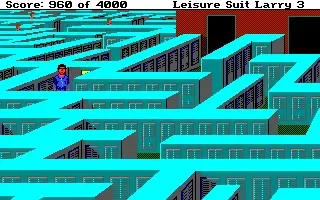
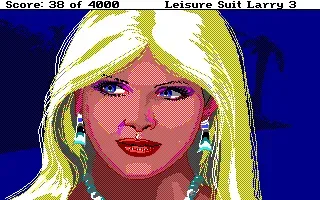
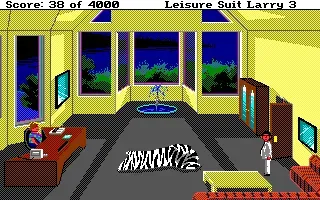
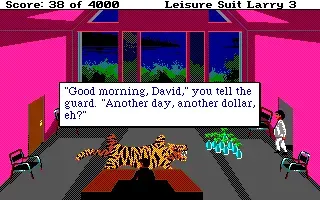
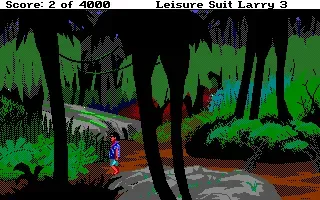
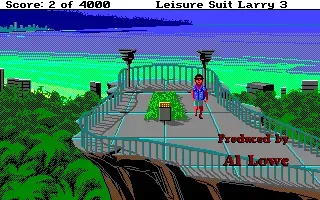
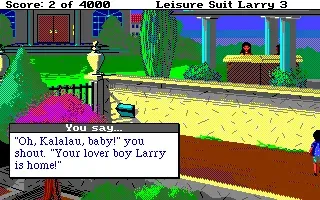
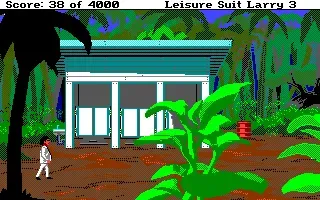
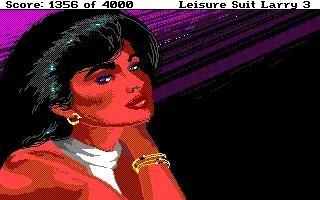
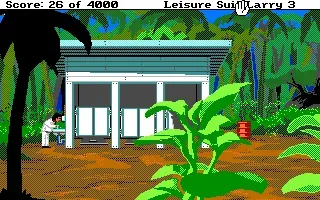
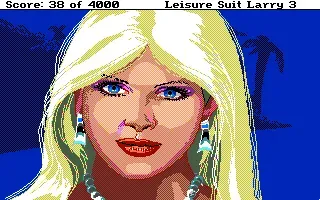
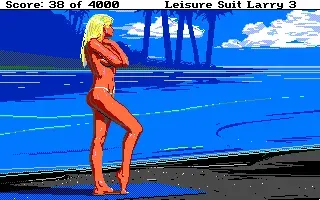
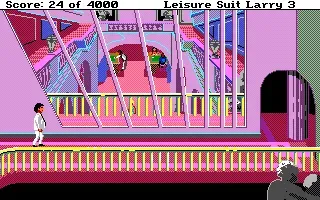
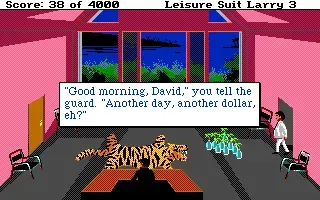
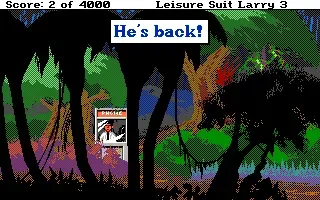
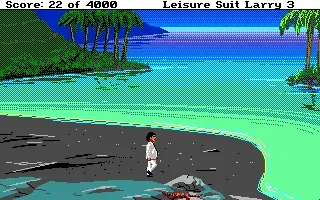
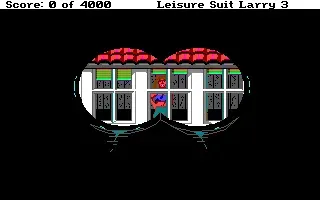
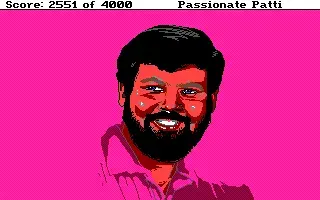
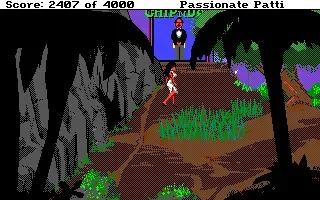
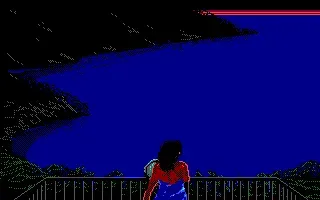
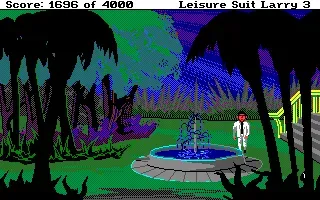
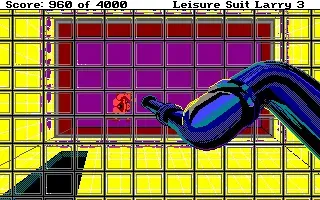
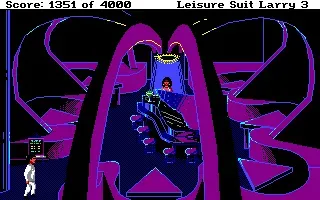
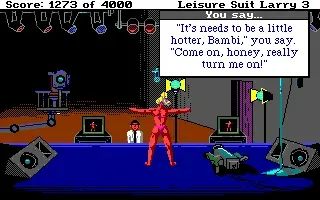
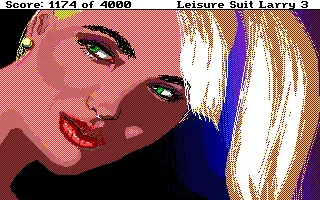
On DOS, the game reflects Sierra’s late-1980s PC adventure workflow, using the company’s graphical presentation style with mouse and keyboard input, character portraits, and detailed 2D environments tailored to IBM-compatible systems. Its audiovisual framework is modest by modern standards but representative of Sierra’s transition into more refined illustrated adventures with improved interface responsiveness and presentation polish.
Collector’s Value & Rarity
As a major mainstream PC adventure from a famous publisher, the title is not rare in the same way as niche homebrew or limited-region releases, but intact original copies still hold steady interest among collectors of Sierra adventure software, especially complete versions with documentation and original media. Preservation is strong because the game remained widely cataloged and widely circulated across DOS communities.
Collector value rises when the set includes the original box, manual, registration material, and platform-specific inserts, since Sierra releases often used distinctive packaging and printed collateral that collectors actively seek. Regional distribution under multiple publishers also makes variant packaging and language editions relevant to serious archive-focused collecting.