


Historical Context & Trivia
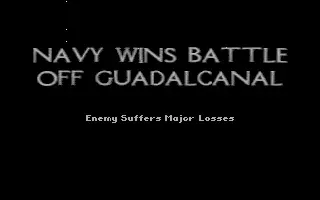
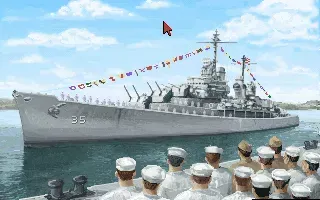
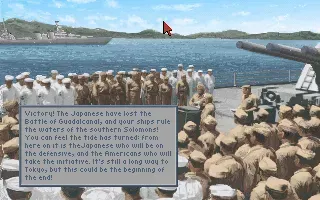
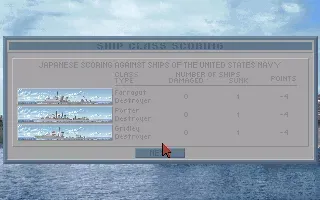
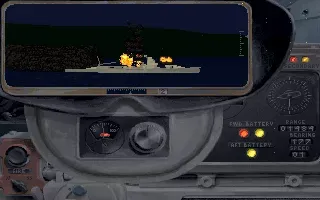
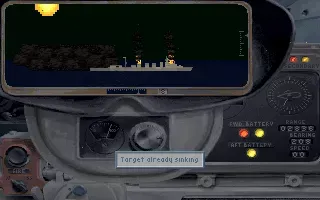
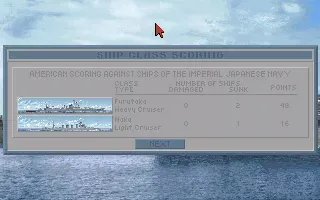
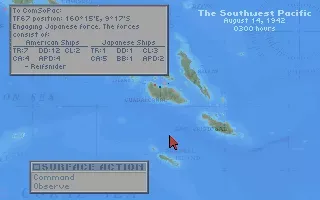
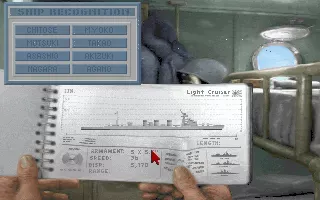
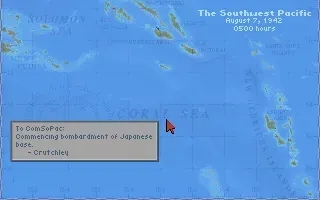
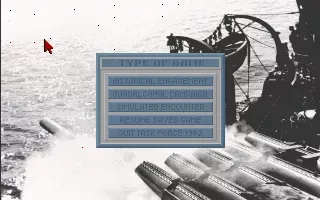
Task Force 1942 (1992) is a MicroProse naval simulation set in the South Pacific theater of World War II, with a focus on surface actions around Guadalcanal and the wider Solomon Islands campaign. It sits squarely in the early-1990s era of detailed military sims, when PC strategy and simulation games often mixed operational planning with real-time tactical command.
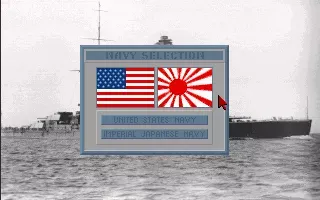
The game was developed by MPS Labs and published under the MicroProse label, a company strongly associated with historically grounded simulation design. The available records describe it as a single-player command experience in which the player can direct American, Australian, New Zealand, or Japanese naval forces, reflecting MicroProse’s long-running interest in accessible but systems-heavy war simulations.
Gameplay & Technical Features
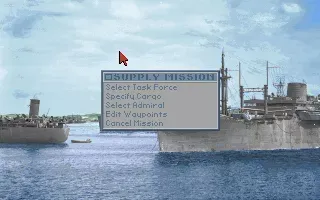
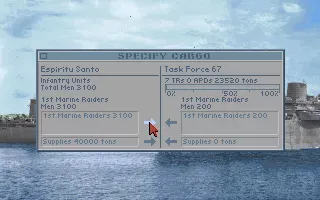
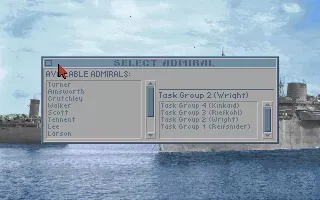
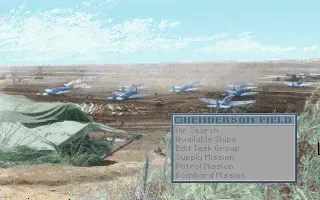
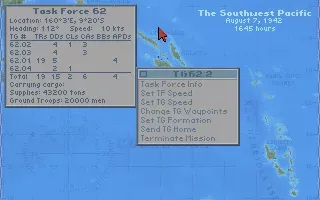
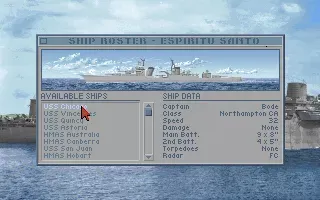
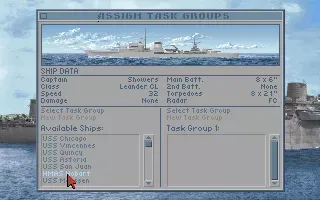
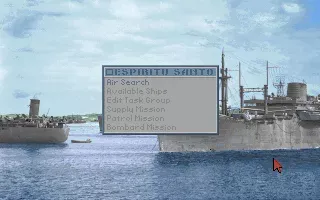
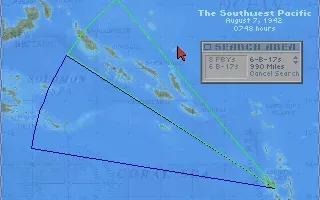
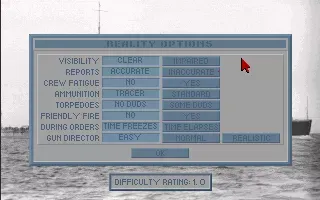
As a simulation with strategy elements, Task Force 1942 centers on ship and task-force management rather than arcade action. Players assign vessels to missions such as patrol, supply, and bombardment, then attempt to manage naval operations in contested waters where positioning, timing, and force composition matter more than reflexes.
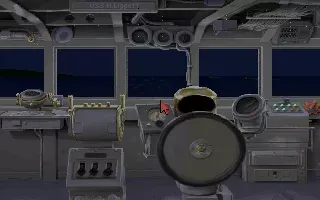
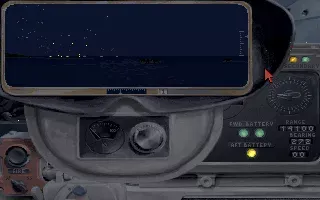
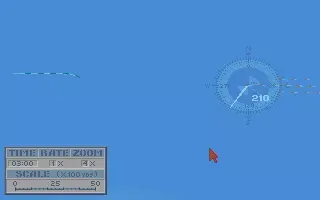
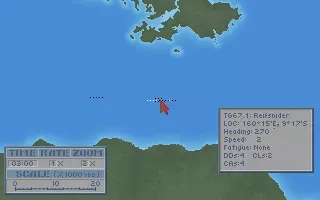
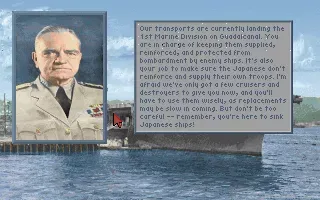
On DOS, the game was built for the MS-DOS PC environment and is documented as requiring DOS 5.0 or later. Its presentation follows the conventional MicroProse style of the period: top-down operational control, functional interface design, and a technical focus on naval command rather than heavy cinematic presentation.
Collector’s Value & Rarity
Task Force 1942 is not generally treated as a mass-market flagship title, so its collector appeal tends to come from being a period-specific MicroProse war sim rather than from broad mainstream fame. Surviving copies appear in the retro-PC market, and the title is also preserved through abandonware and digital archival listings, which suggests moderate historical availability rather than extreme rarity.
Physical examples are commonly associated with the standard MicroProse PC box, manual, and disk release format of the era, and the manual is documented as a substantial illustrated instruction book. Regional or packaging variants are not widely documented in the available material, so the most reliable collector focus is on completeness: original box, disks, and printed documentation.