
















Historical Context & Trivia
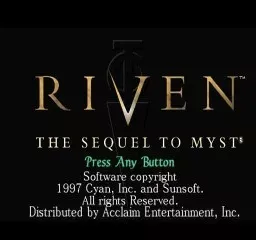
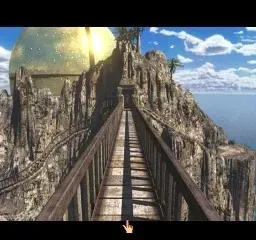
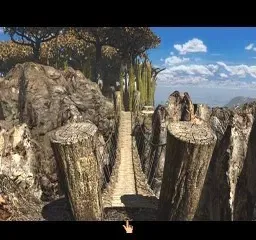
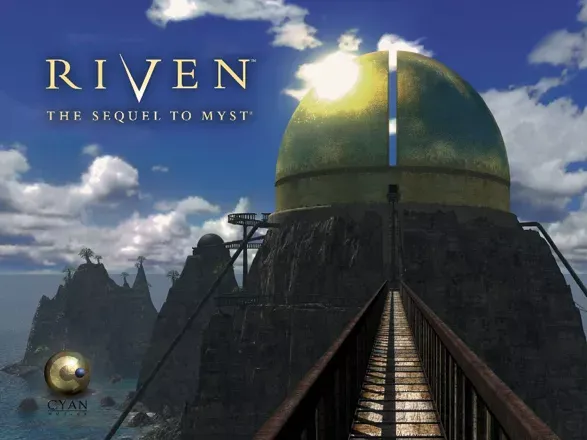
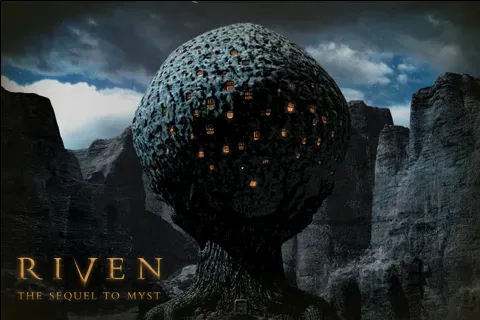
Riven: The Sequel to Myst (1997) arrived as the direct follow-up to Myst, one of the defining blockbuster adventure games of the 1990s, and it carried the weight of immense audience expectation while expanding the series’ signature slow-burn exploration and puzzle design. Its release on Windows positioned it squarely in the late DOS-to-Windows transition era, when rich pre-rendered worlds and CD-ROM presentation were becoming a major part of PC gaming identity.
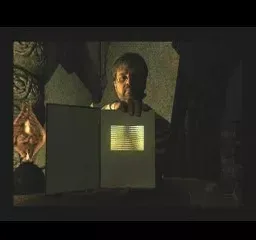
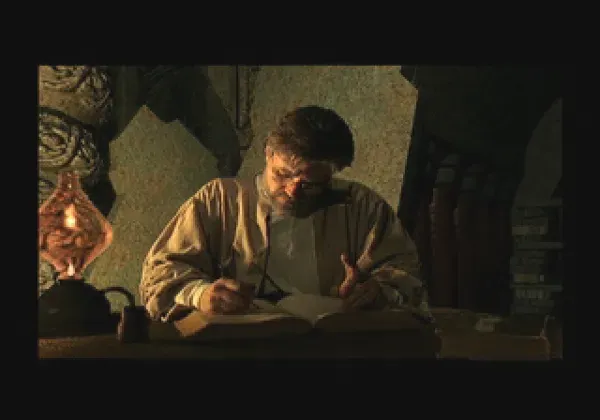
The game was developed by Cyan Productions and originally published through Brøderbund under the Red Orb Entertainment label, with later regional publishing handled by companies including Acclaim Entertainment, Sunsoft, Ubi Soft Entertainment, and others in localized markets. Production began soon after Myst became a hit and stretched across several years, which helps explain the unusually dense worldbuilding, carefully staged environmental storytelling, and film-like production values associated with the title.
Gameplay & Technical Features
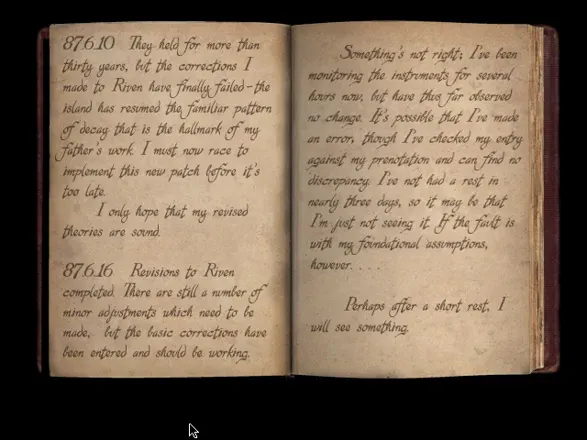
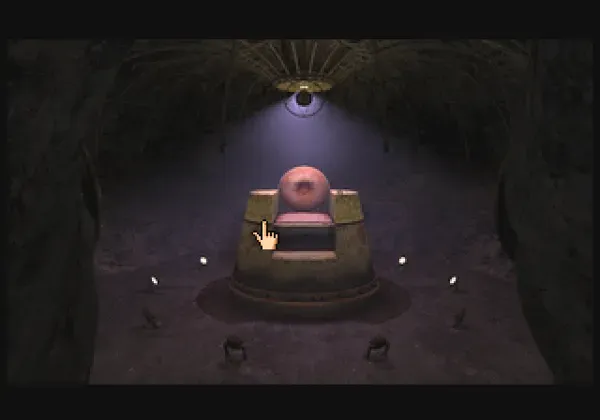
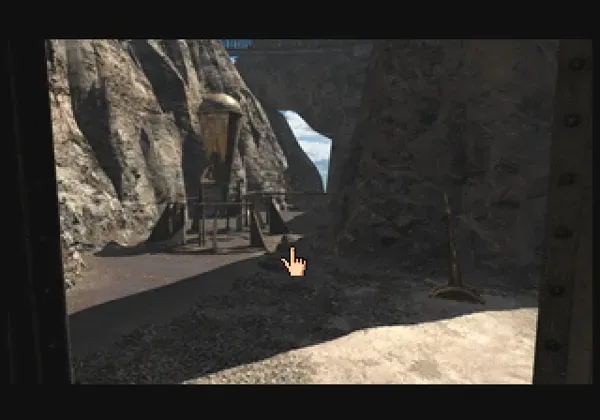
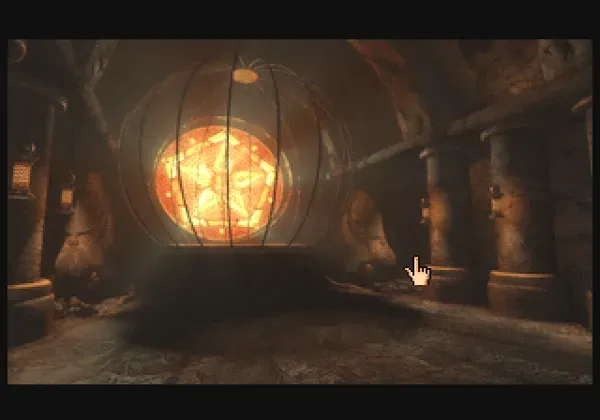
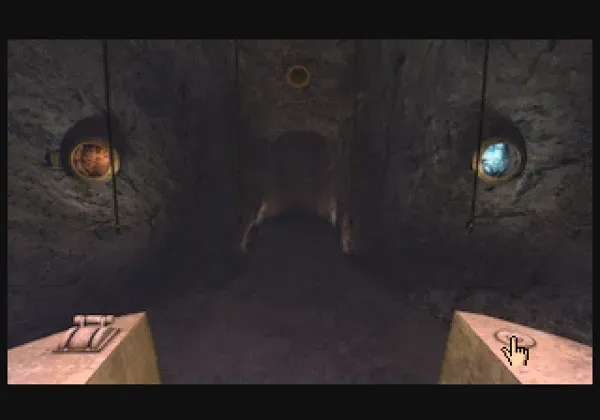
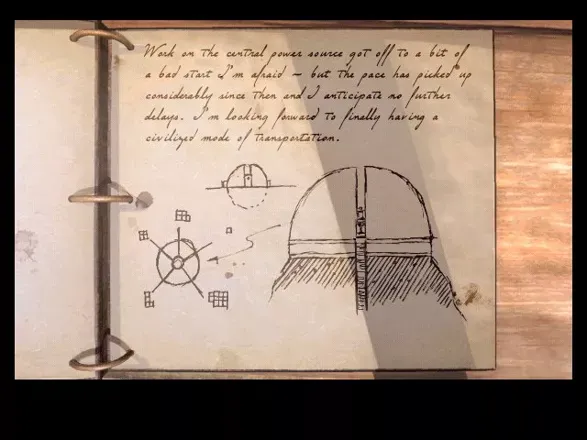
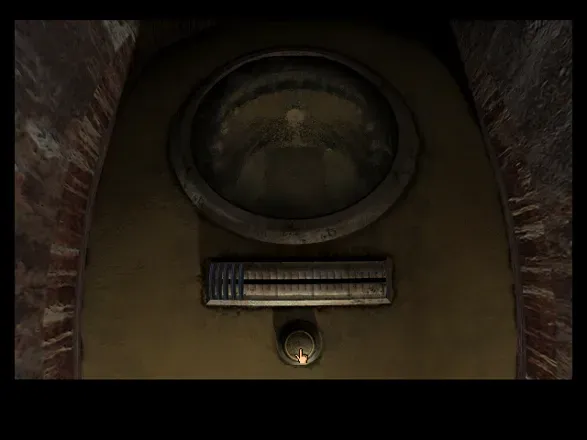
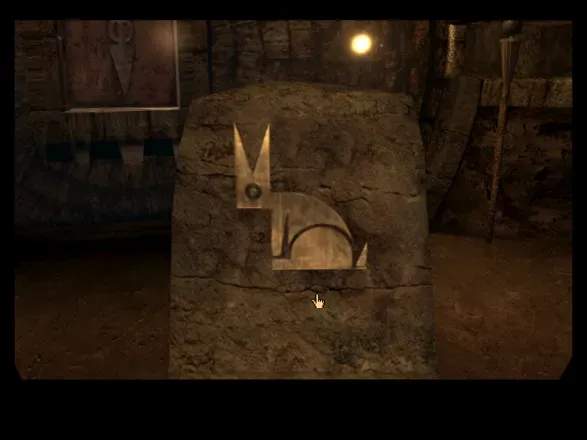
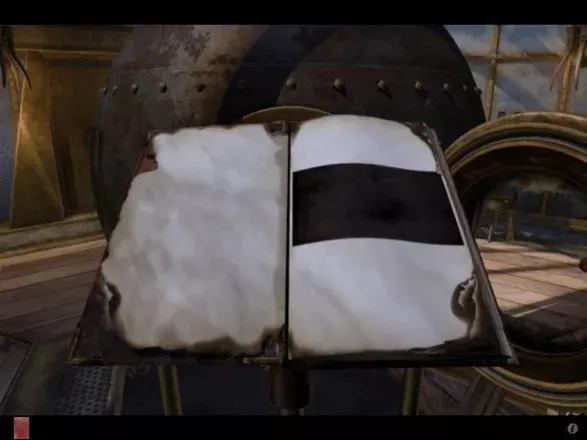
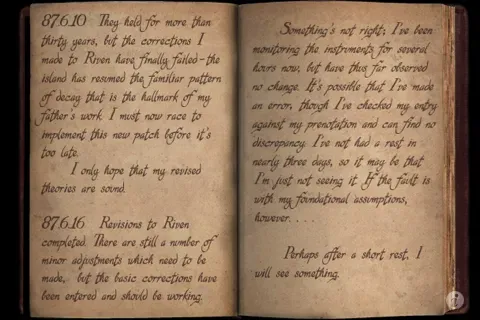
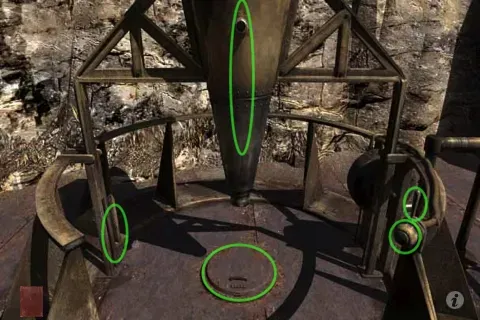
This adventure game centers on first-person exploration, environmental observation, and intricate puzzle solving, with progression driven by deciphering mechanical systems, symbolic language, and the logic of the alien world rather than fast action. Its design rewards patience and note-taking, and the structure is famously nonlinear in the way it asks players to understand a place before they can reliably manipulate it.
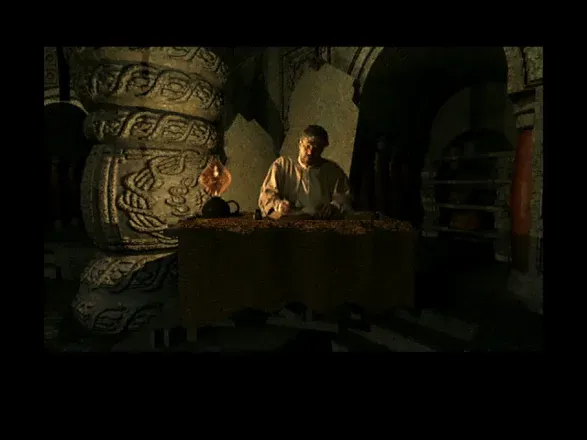
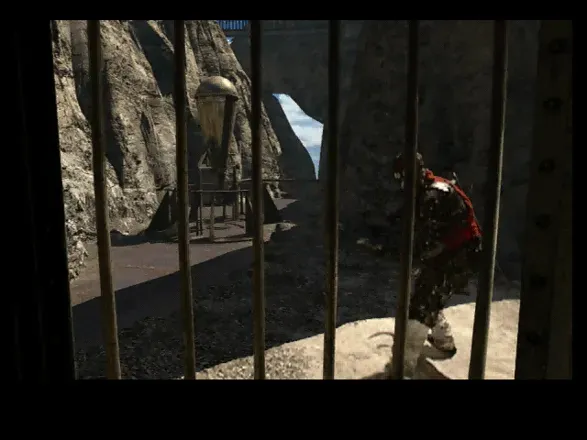
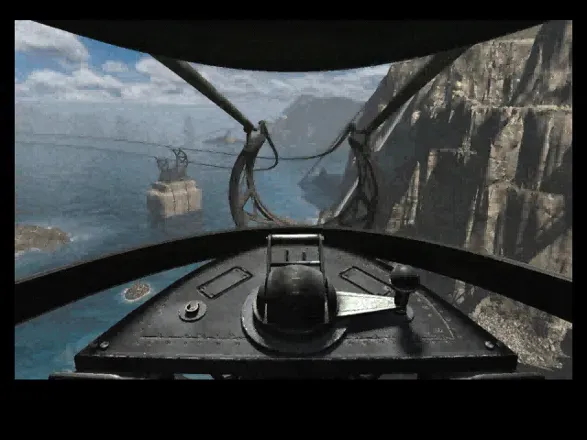
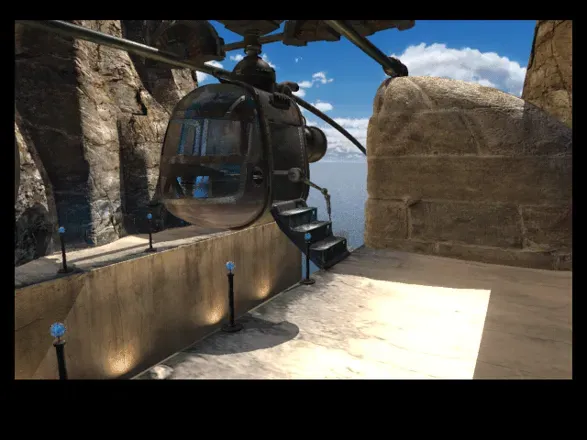
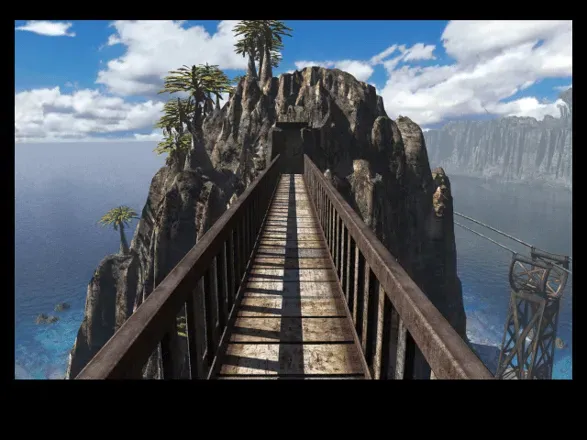
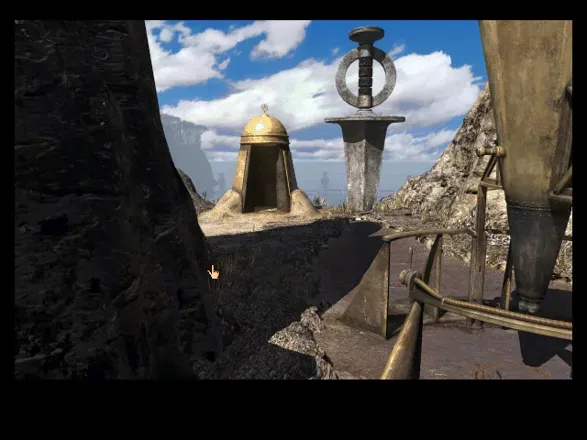
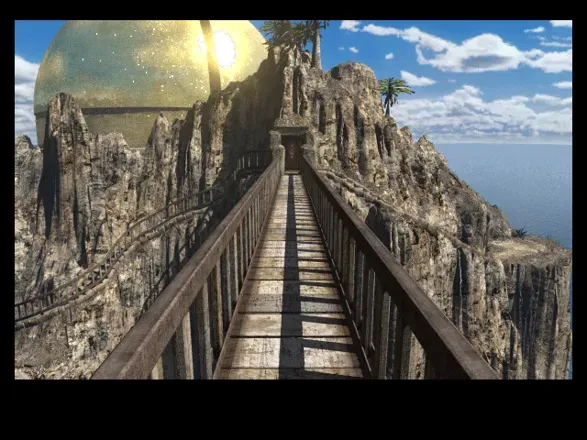
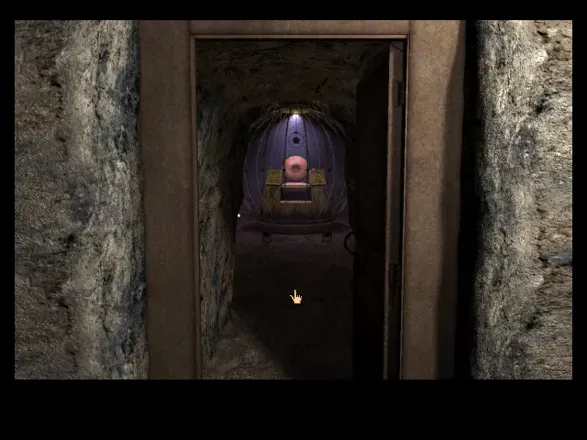
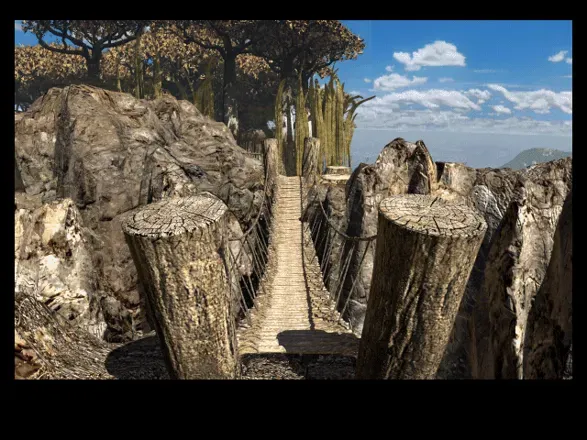
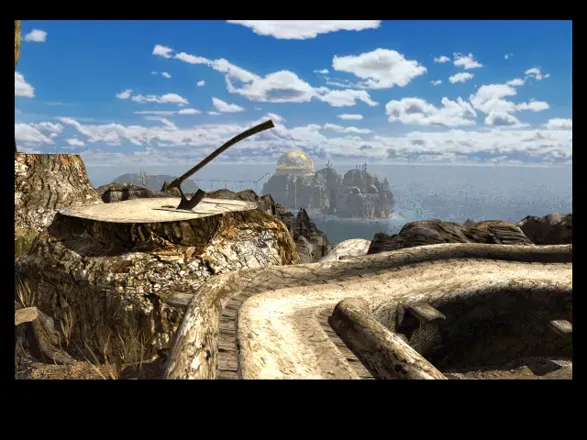
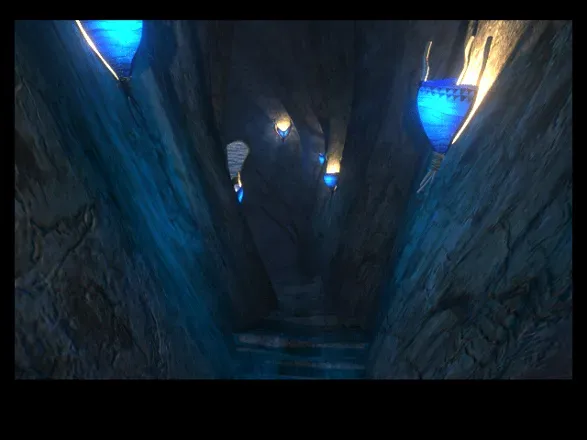
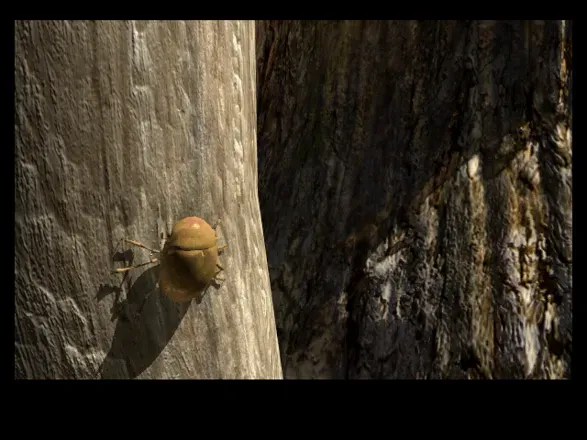
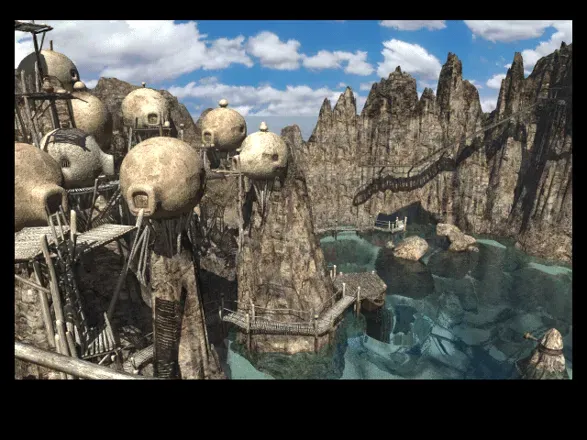
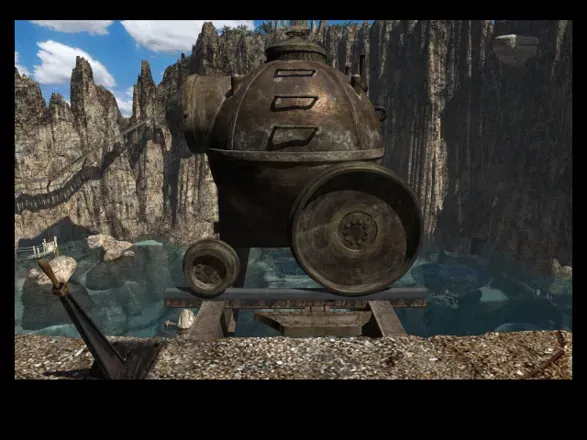
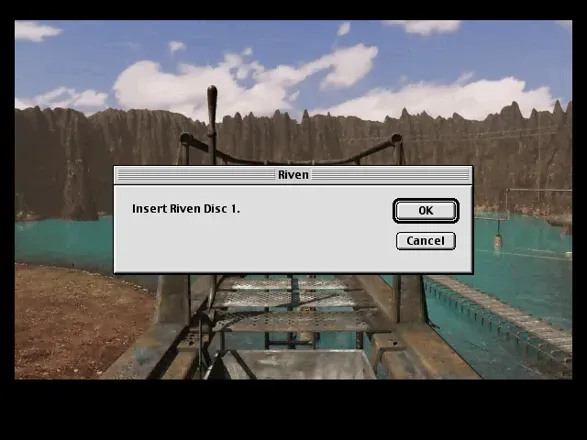
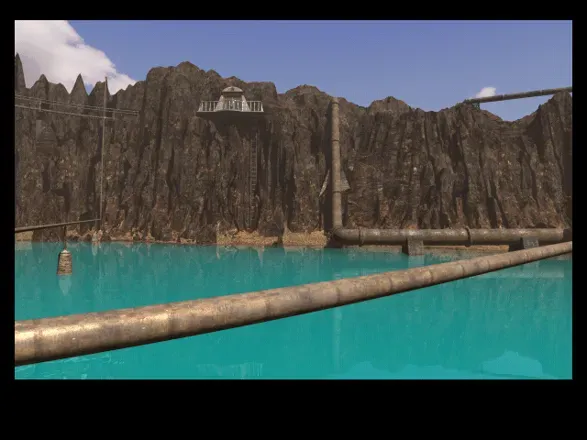
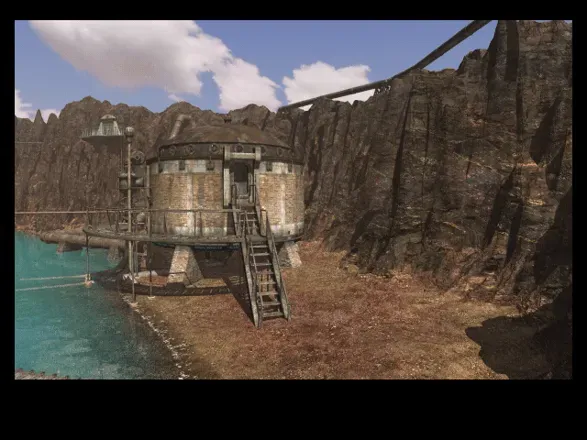
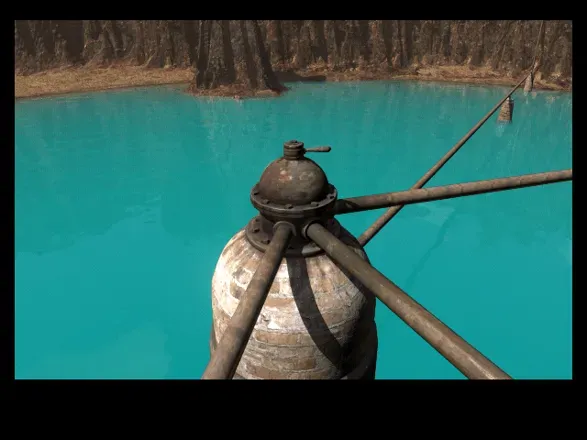
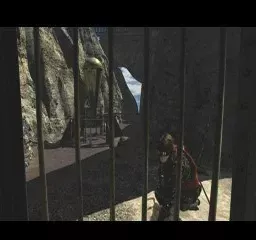
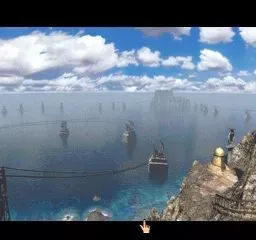
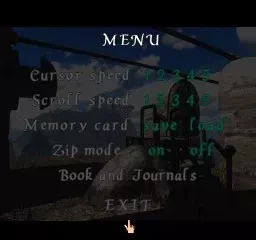
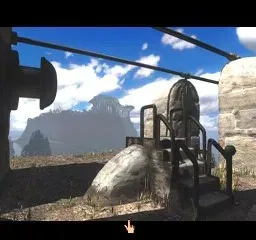
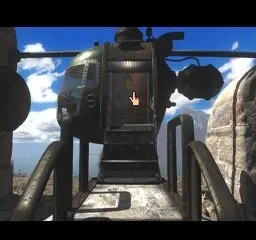
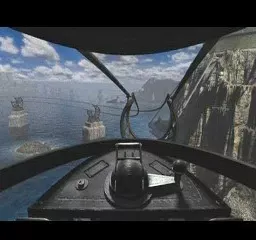
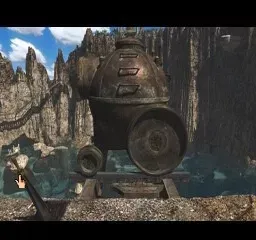
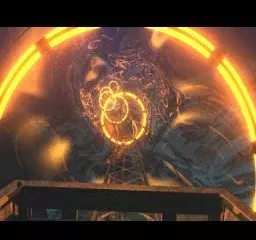
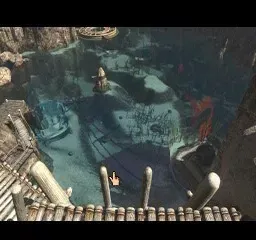
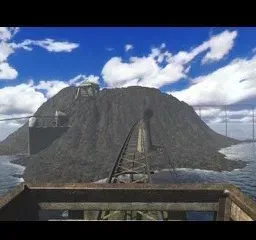
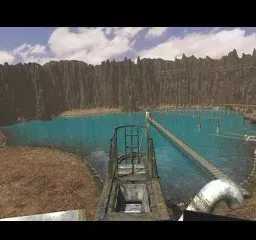
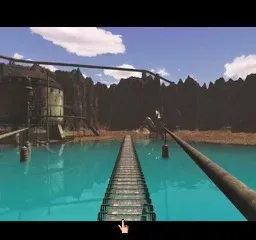
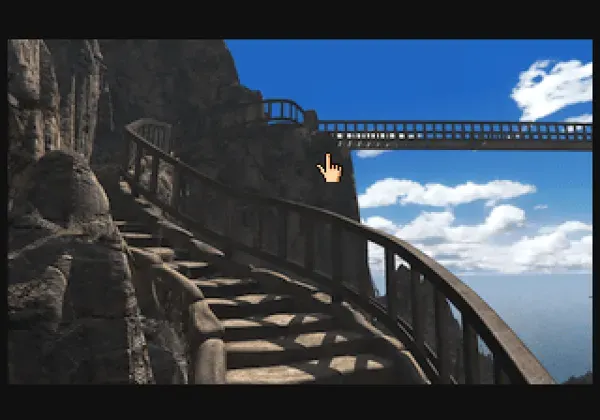
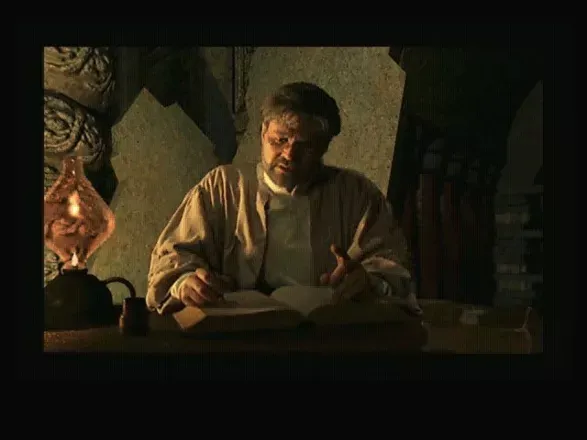
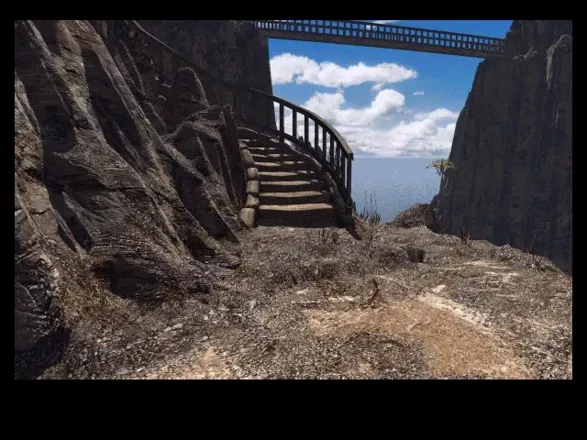
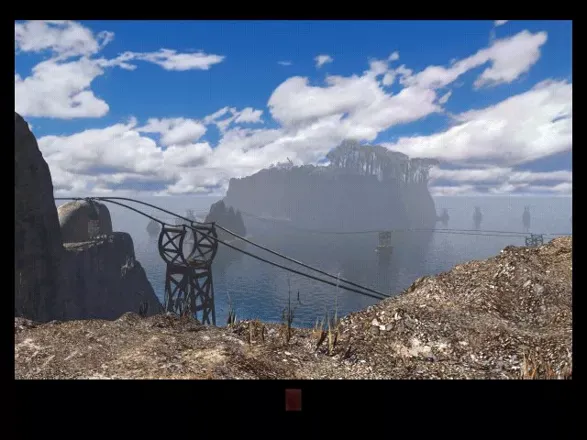
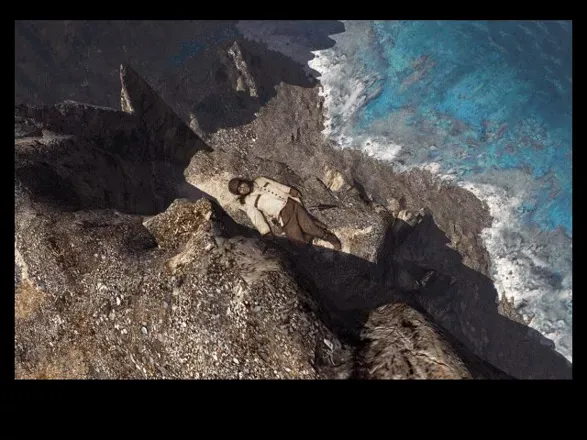
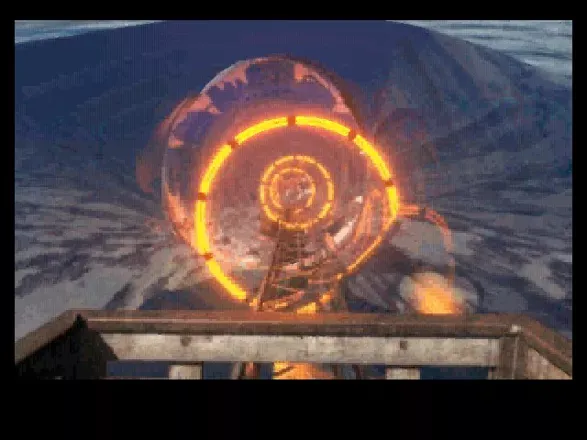
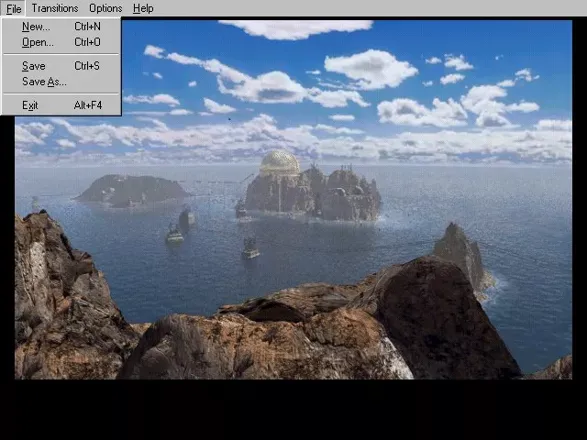
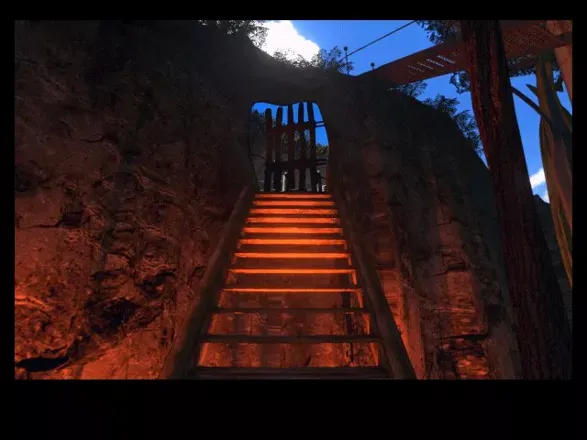
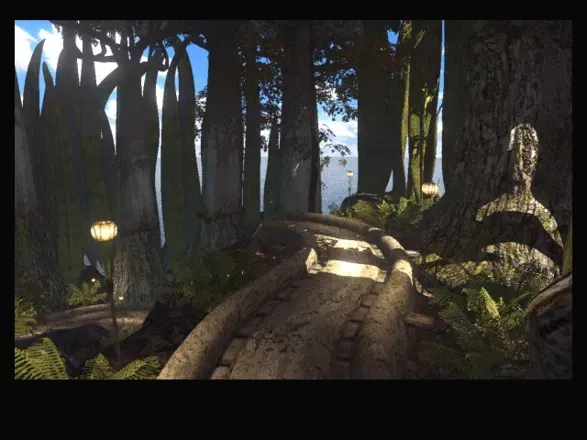
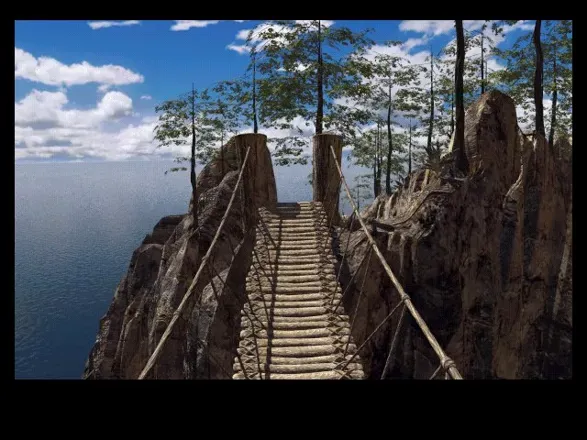
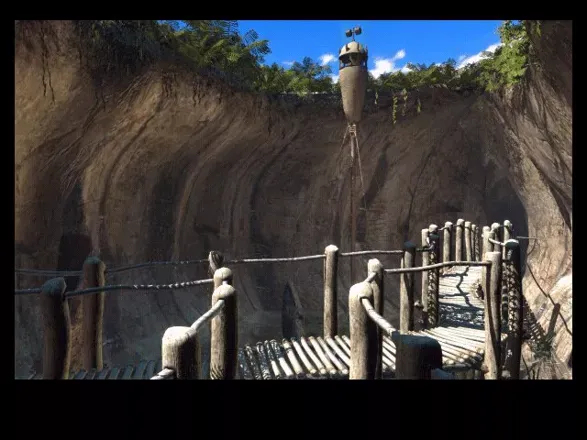
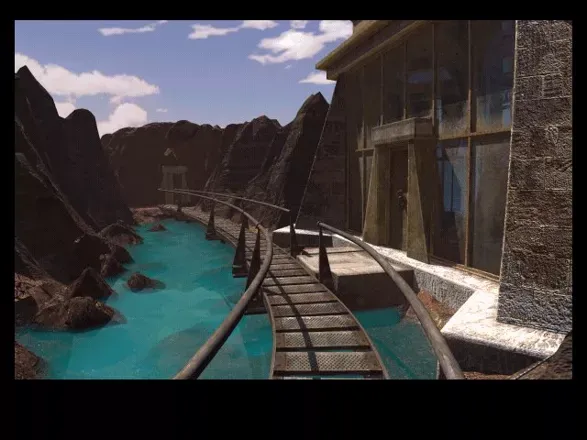
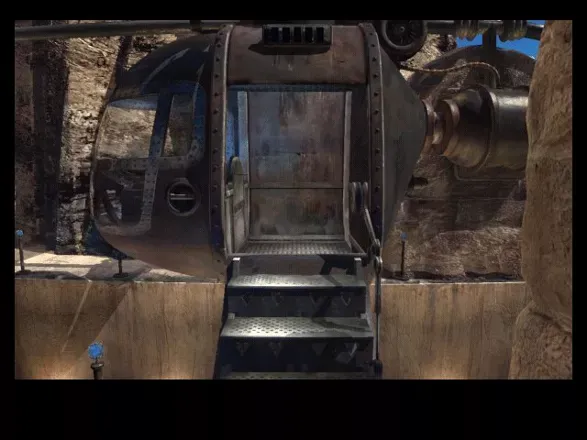
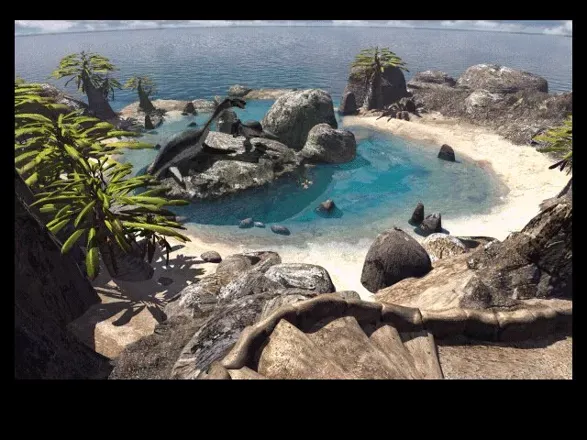
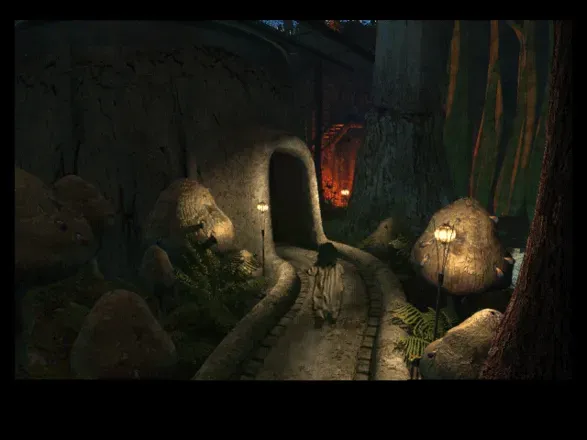
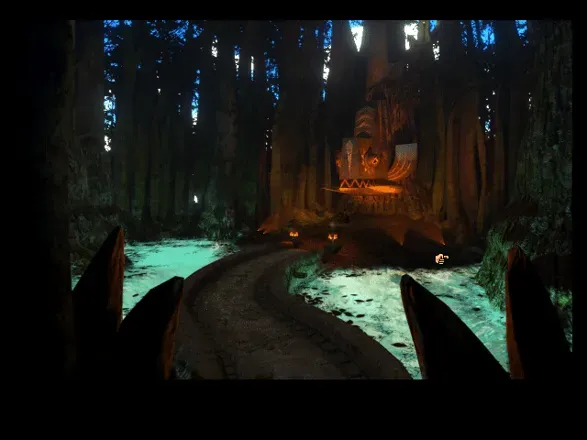
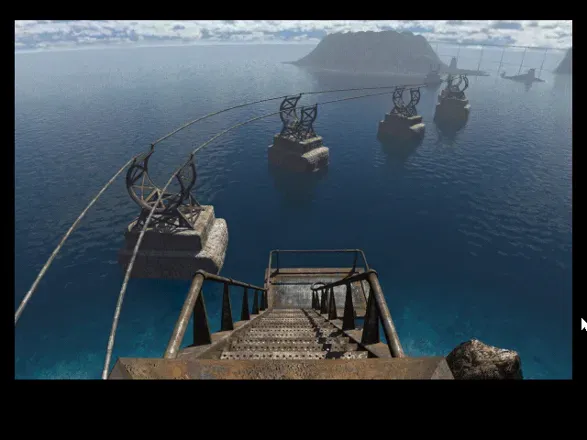
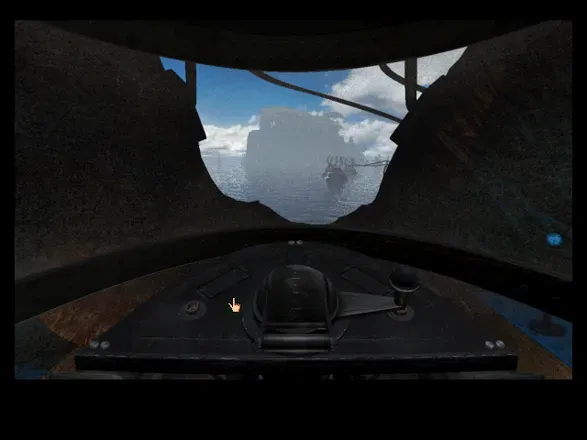
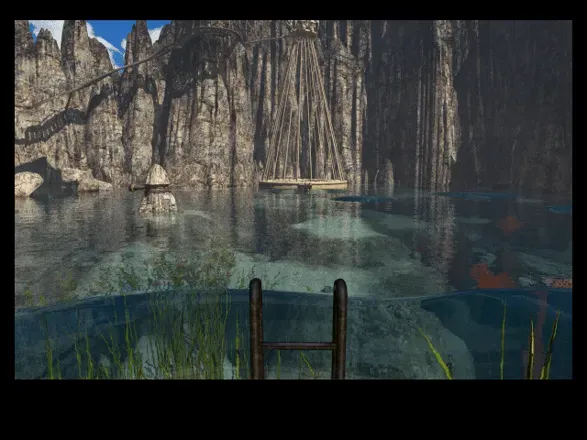
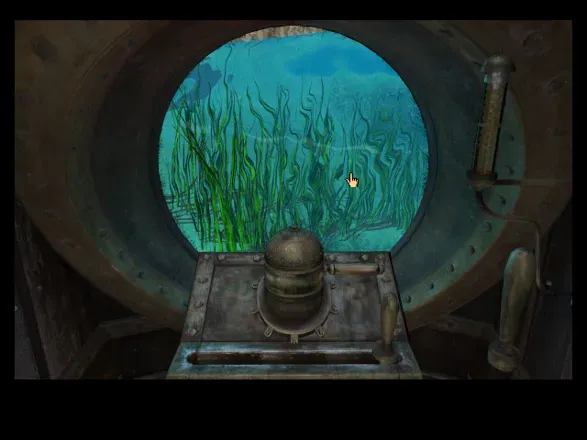
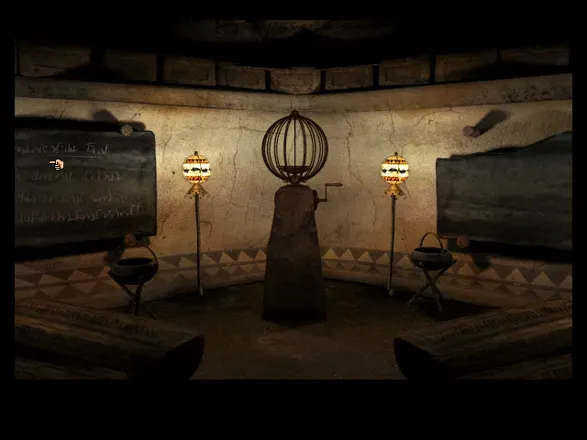
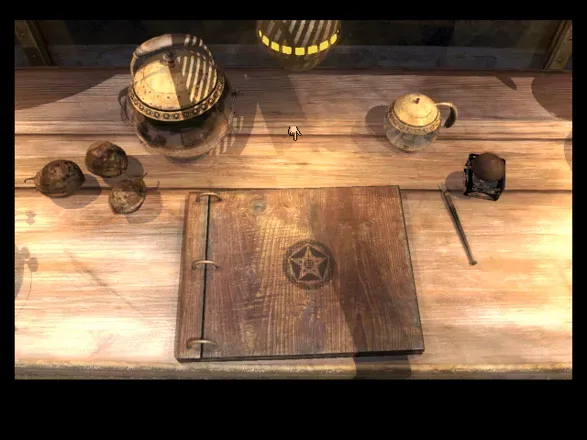
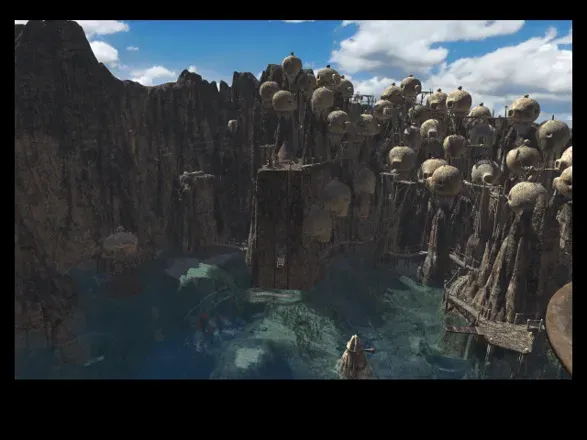
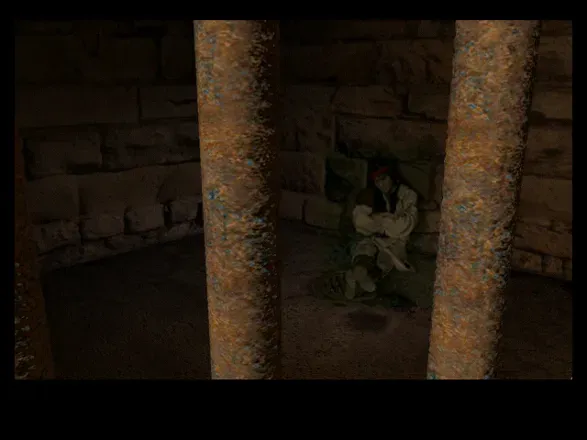
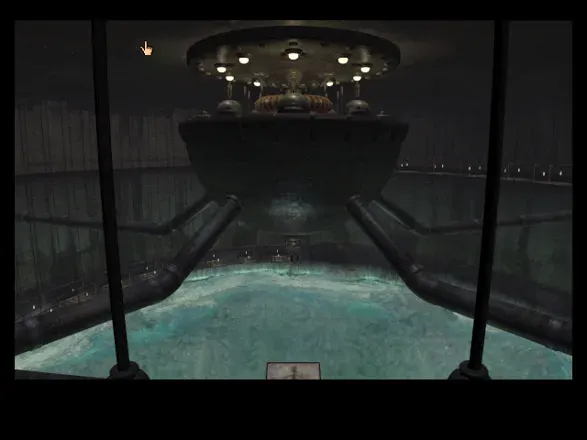
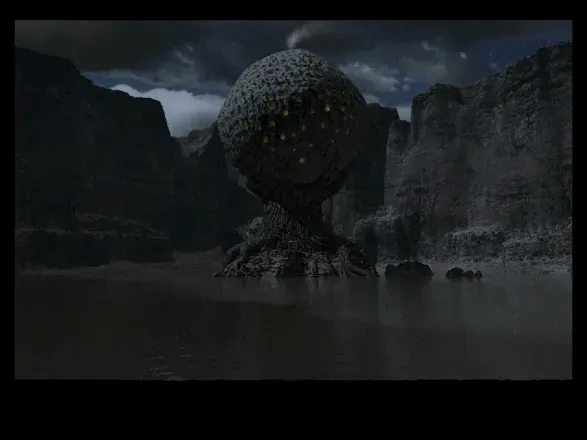
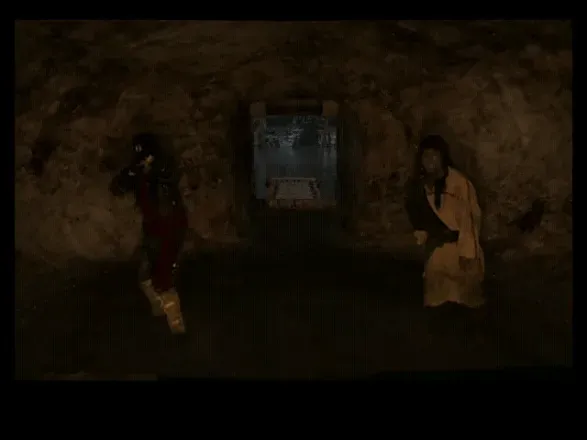
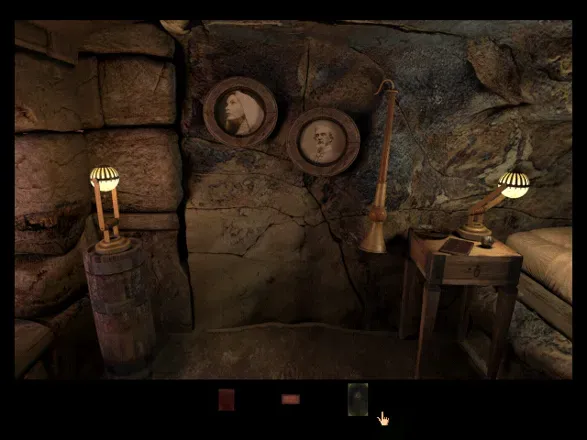
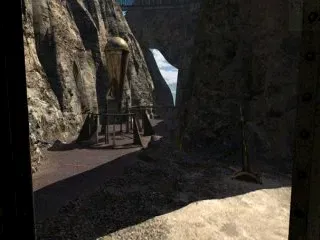
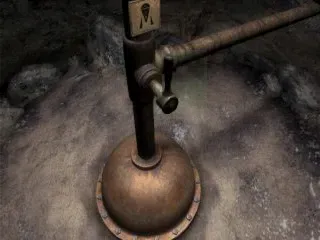
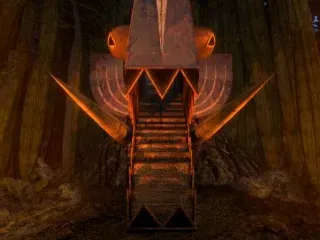
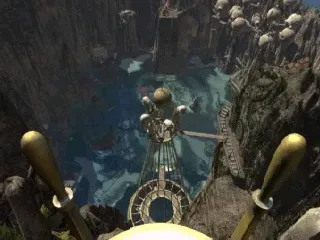
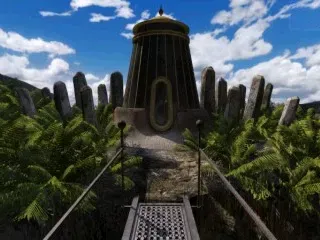
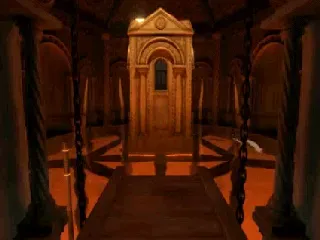
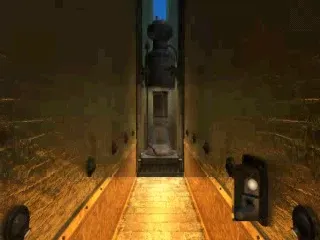
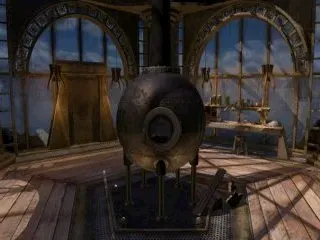
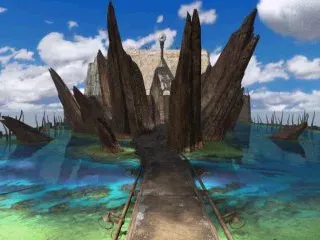
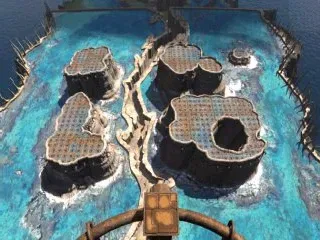
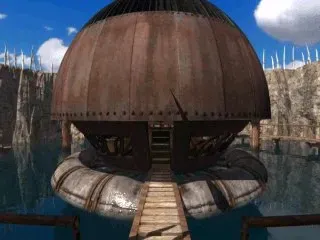
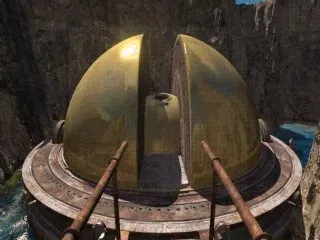
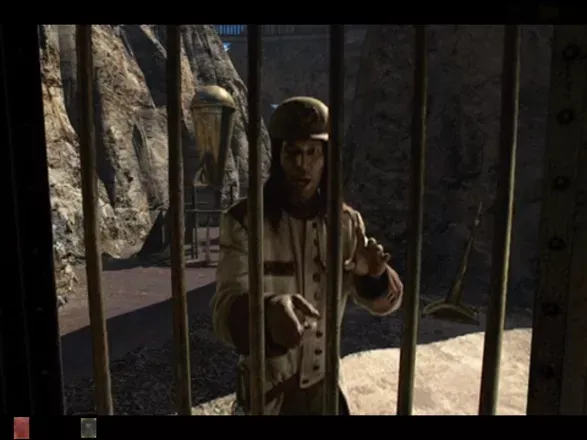
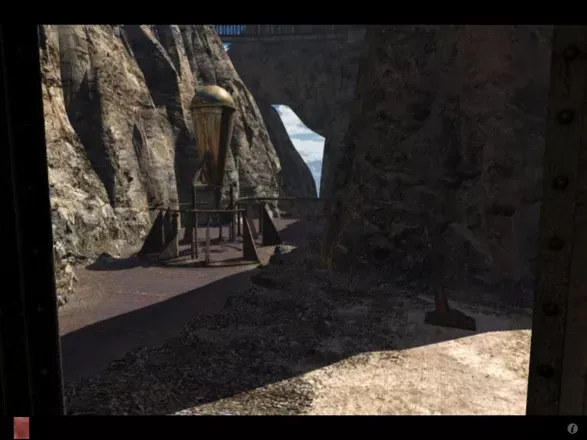
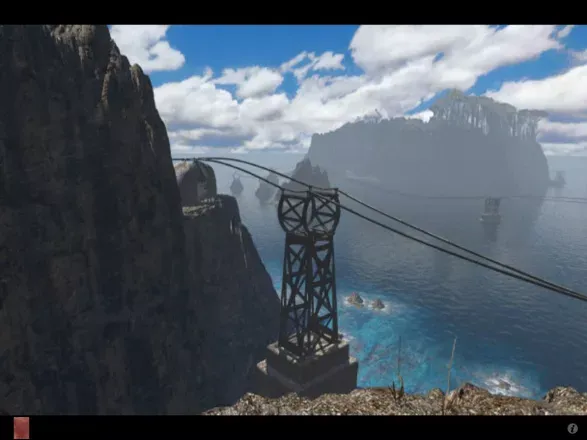
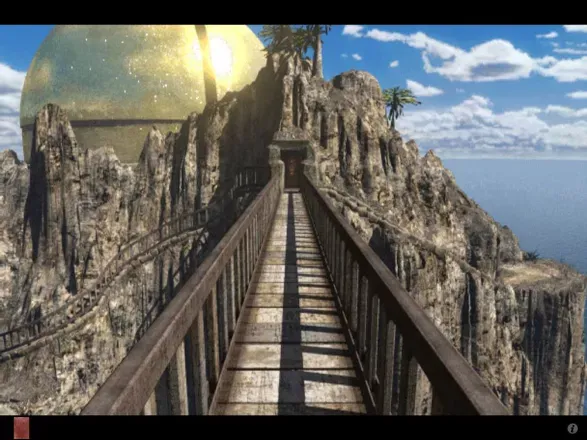
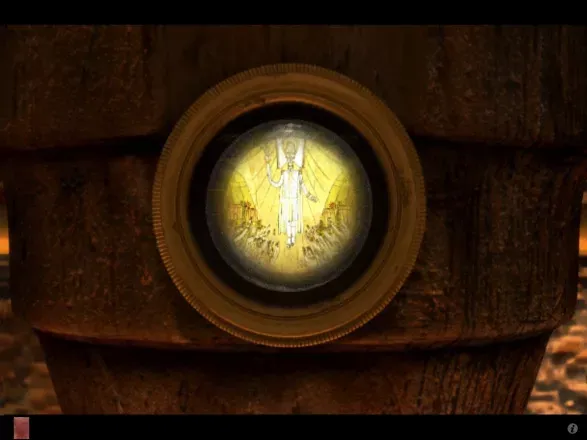
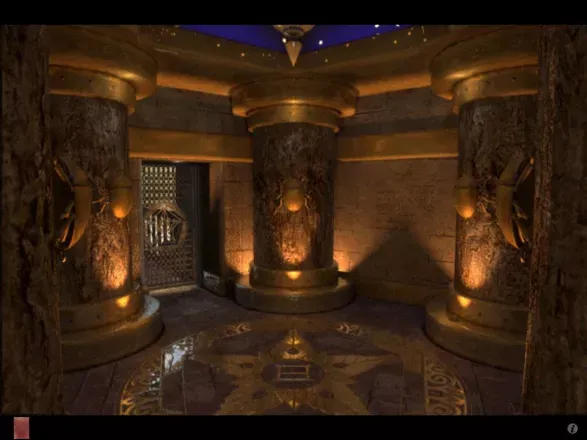
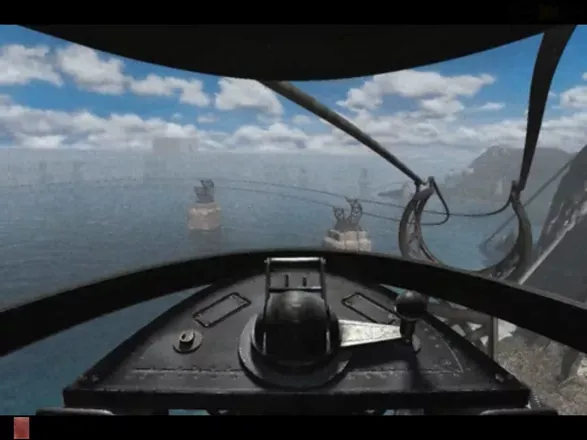
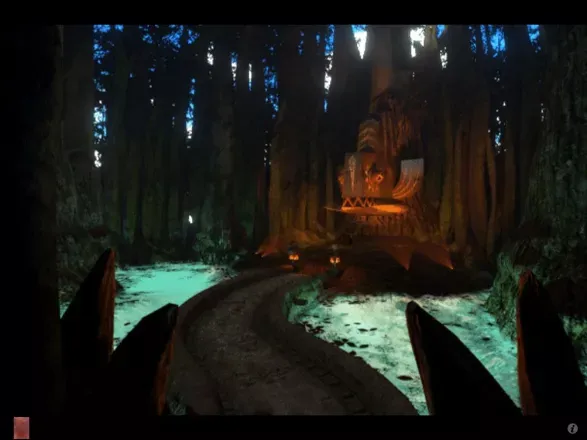
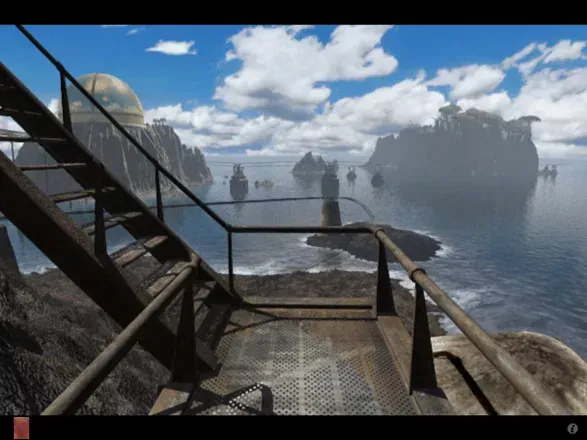
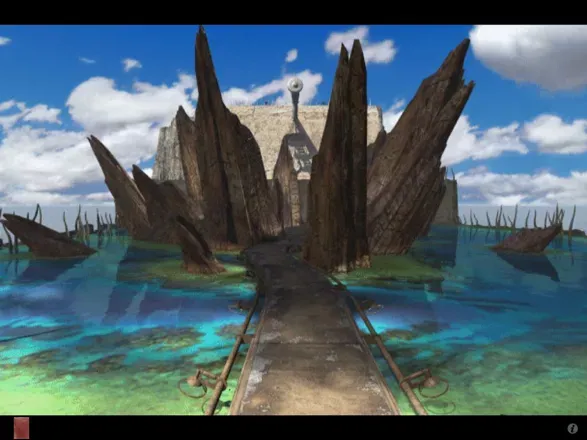
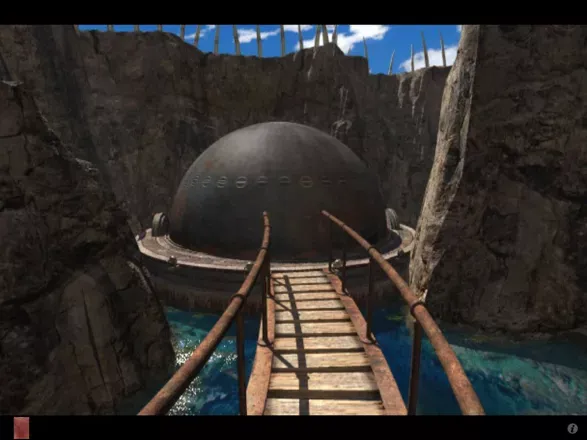
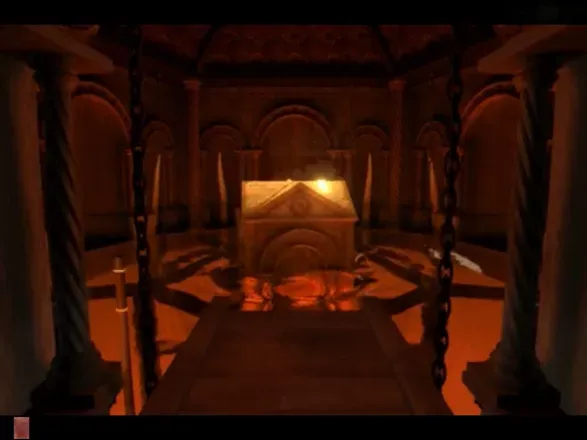
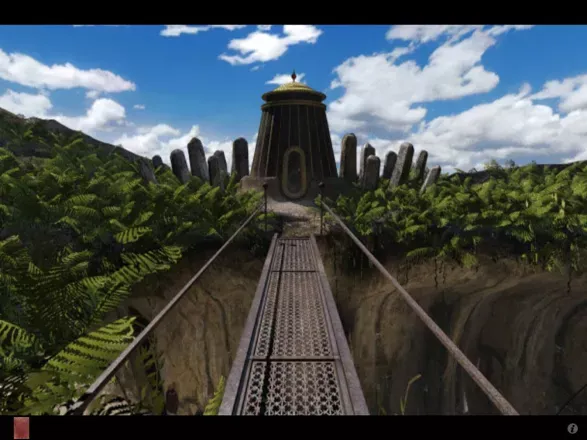
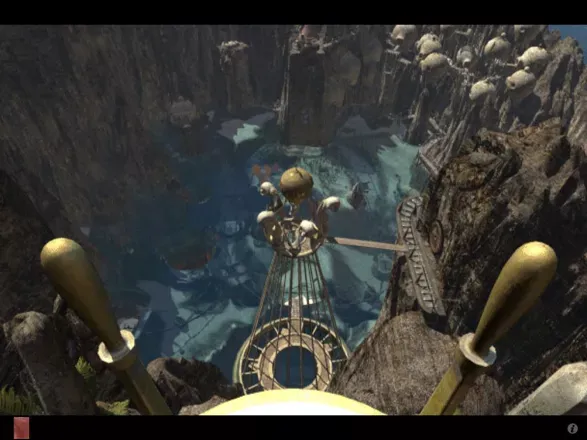
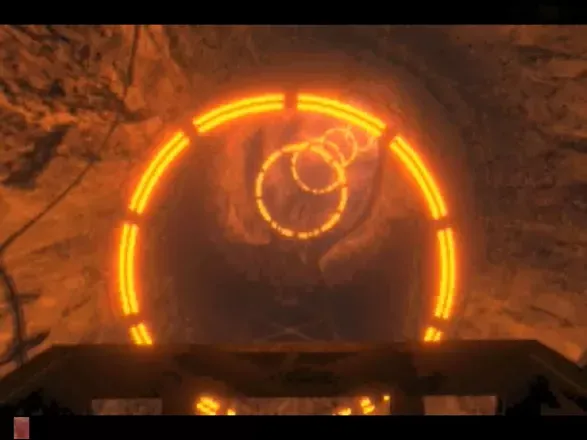
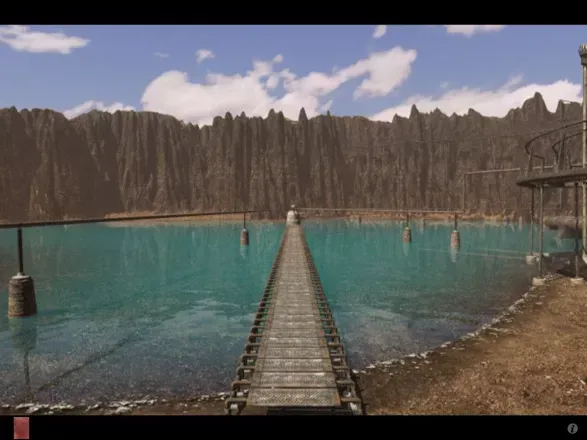
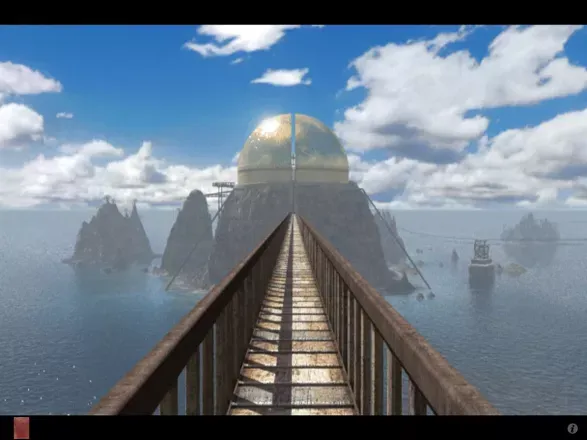
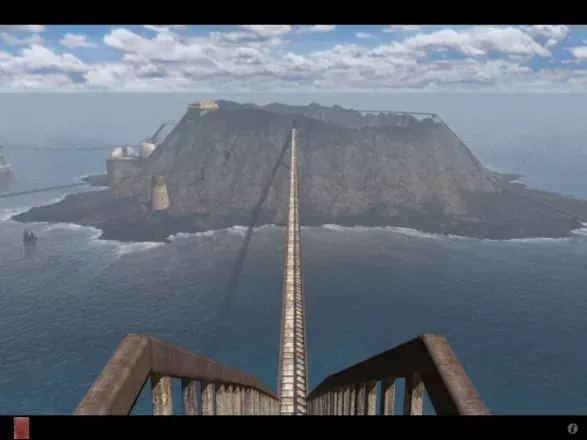
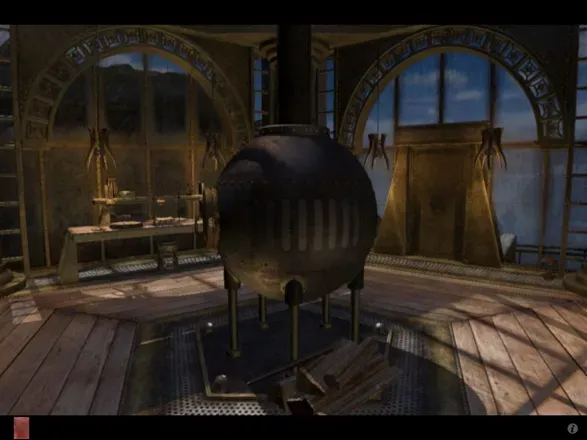
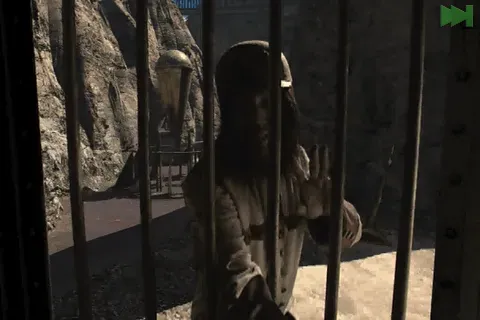
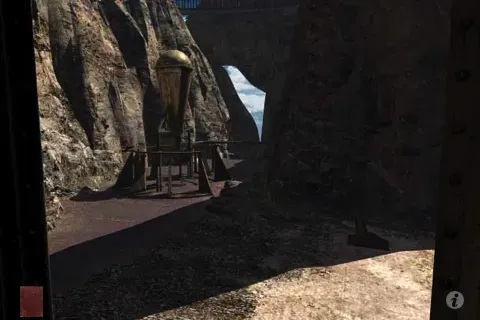
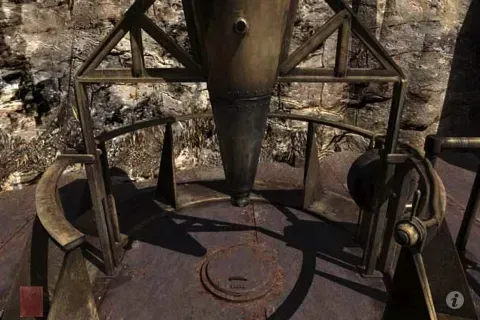
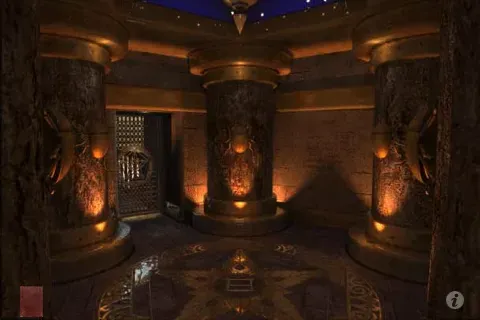
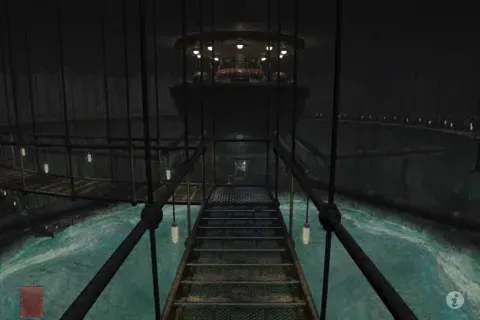
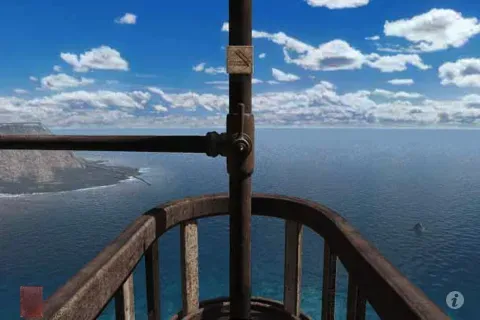
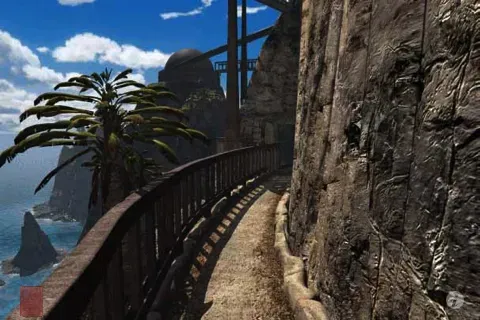
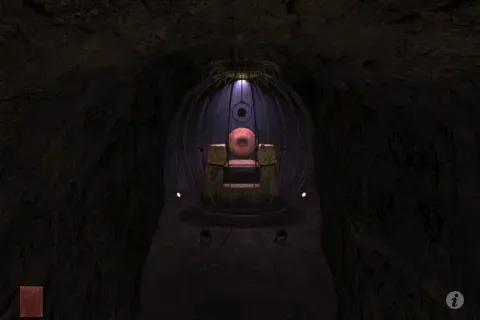
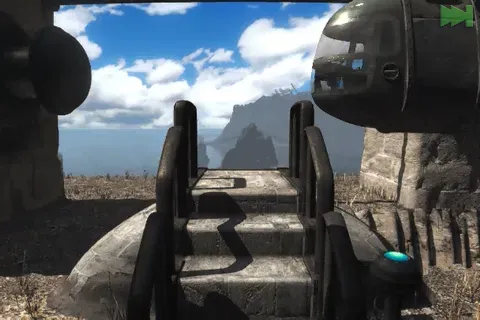
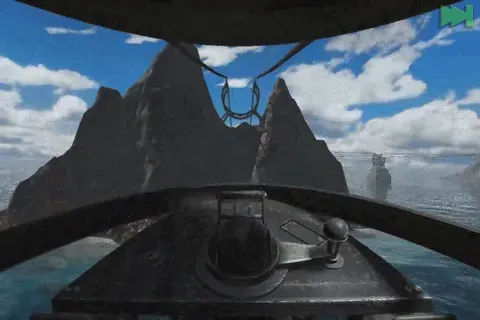
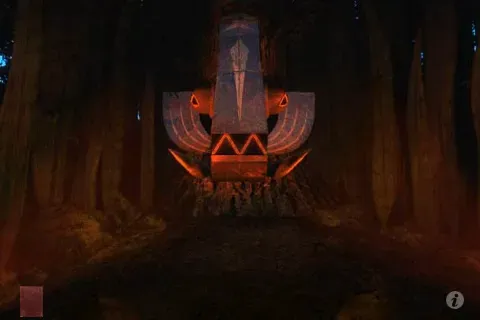
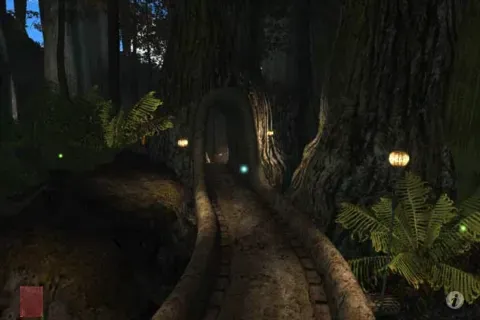
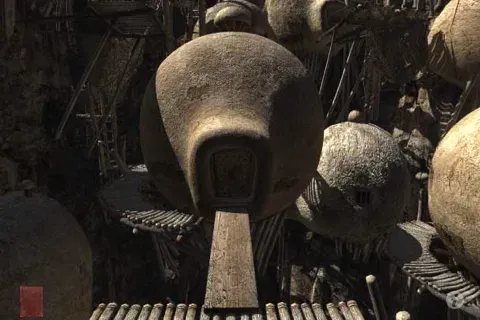
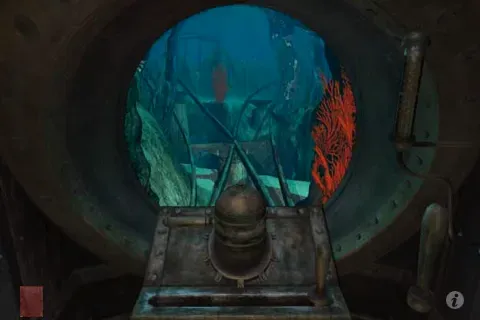
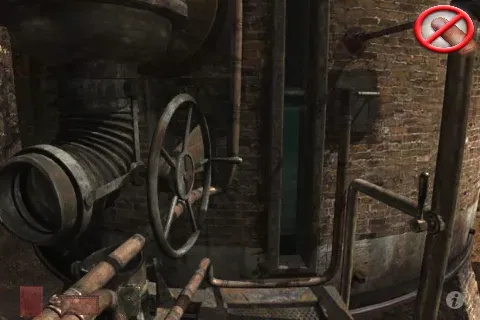
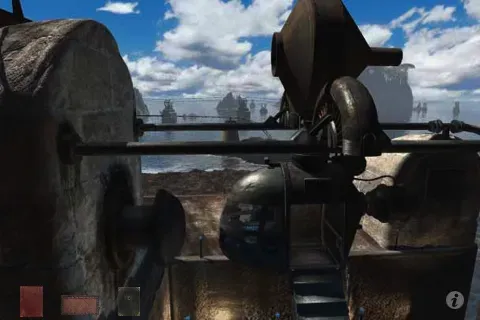
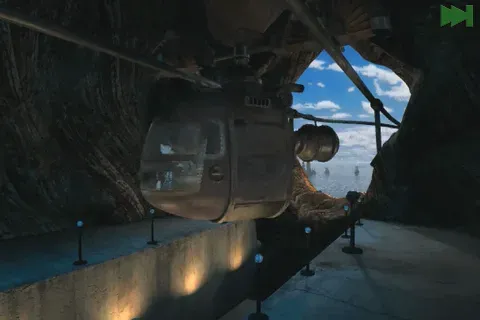
On Windows, the game used the era’s CD-ROM strengths to deliver high-resolution pre-rendered scenes, detailed art direction, and atmospheric audio that supported the world’s fantasy and steampunk aesthetic. The PC version fit the multimedia adventure standard of the late 1990s, with point-and-click style interaction, cinematic presentation, and a technical emphasis on immersive still-image environments rather than real-time 3D rendering.
Collector’s Value & Rarity
Riven remains a highly preserved and widely recognized PC classic rather than a niche rarity, so its collector value is driven more by condition, completeness, and edition than by extreme scarcity. Standard copies are not unusually rare, but clean boxed sets with intact discs and inserts remain desirable to collectors of 1990s adventure games and Myst-related material.
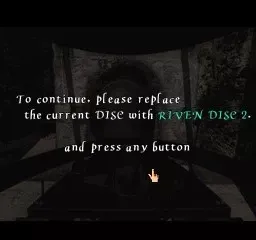
Physical versions are notable for their multi-disc packaging, and the later DVD-ROM release is especially important to collectors because it represented a more compact format with presentation refinements. Region-specific publisher variations also exist, reflecting the game’s broad international distribution and making complete, matching packaging sets more appealing to preservation-minded buyers.