







Historical Context & Trivia
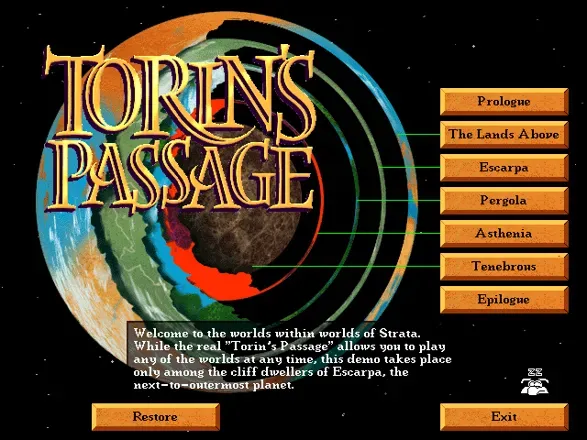
Torin’s Passage (1995) is a late-era Sierra On-Line fantasy adventure that sits within the company’s long tradition of story-driven point-and-click games, while also showing a more family-friendly tone than some of its better-known releases. It is widely associated with designer Al Lowe, whose name is strongly linked to Sierra’s adventure legacy and the broader 1990s PC adventure scene.
As a Windows adventure published by Sierra On-Line, Inc., the game reflects the studio’s mid-1990s pivot toward CD-ROM presentation, character animation, and accessible puzzle design. Its fairy-tale structure, humorous writing, and use of a youthful protagonist place it in the same general cultural lane as Sierra’s more whimsical adventure catalog rather than its harsher, parser-era roots.
Gameplay & Technical Features
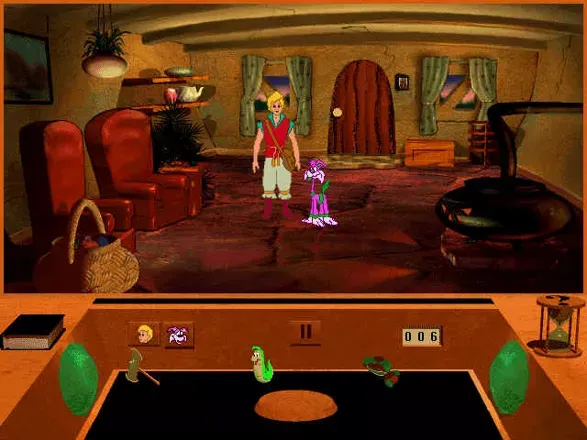
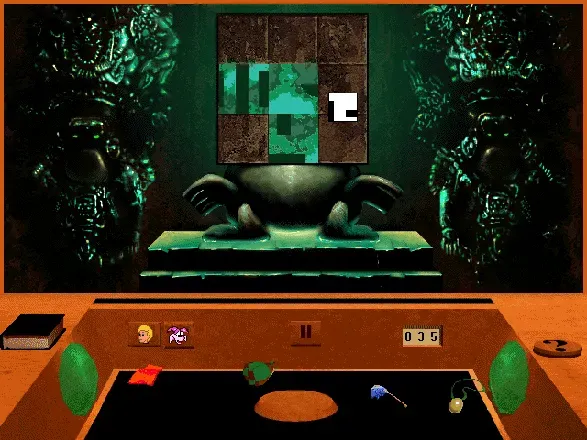
As an Adventure game, Torin’s Passage centers on exploration, dialogue, inventory logic, and environmental puzzle solving rather than action. The core loop follows a guided, point-and-click structure in which players advance by interacting with objects, solving scripted obstacles, and moving through fantasy locations tied to the rescue narrative.
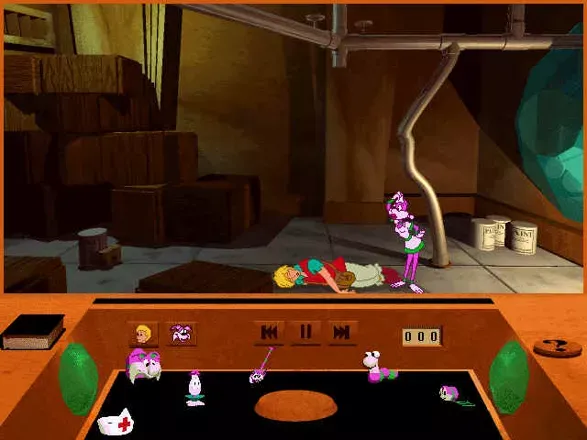
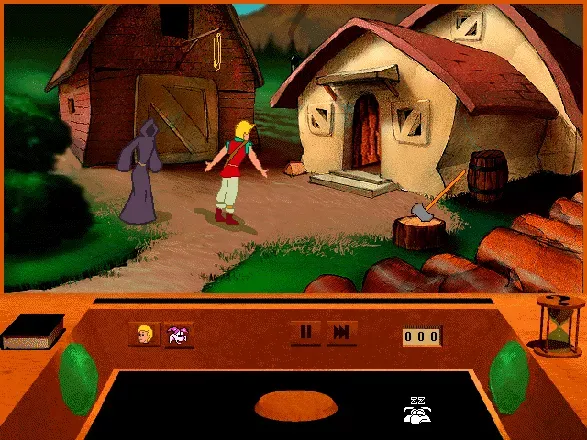
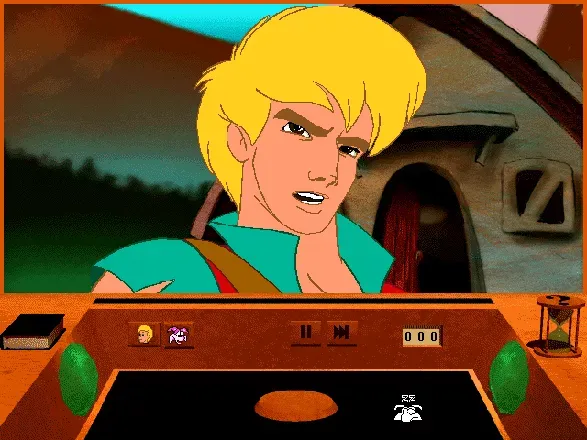
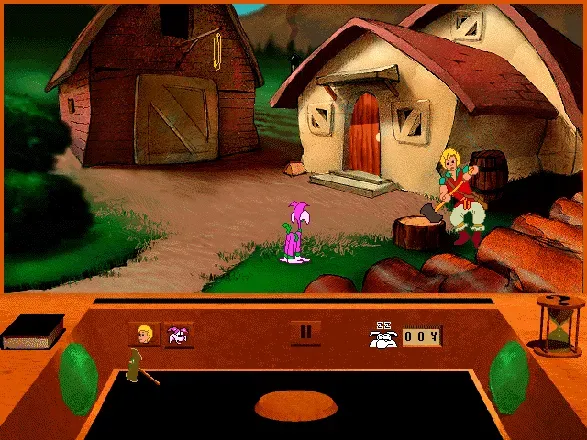
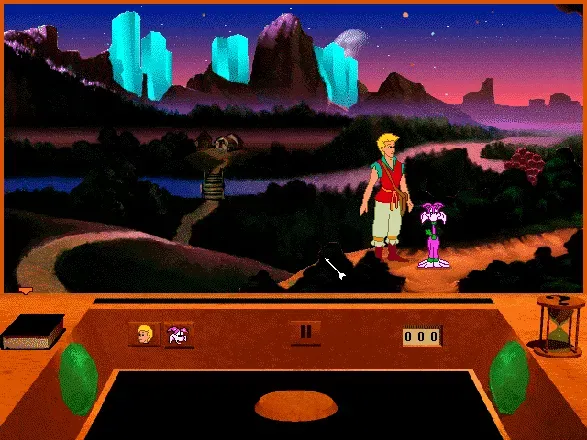
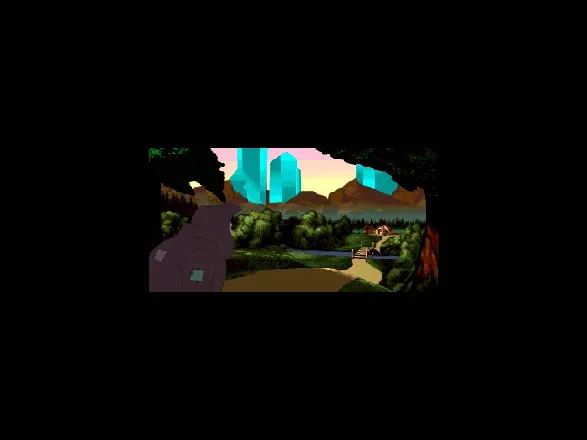
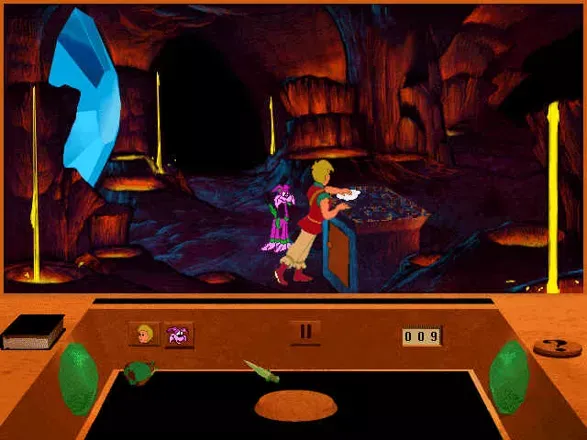
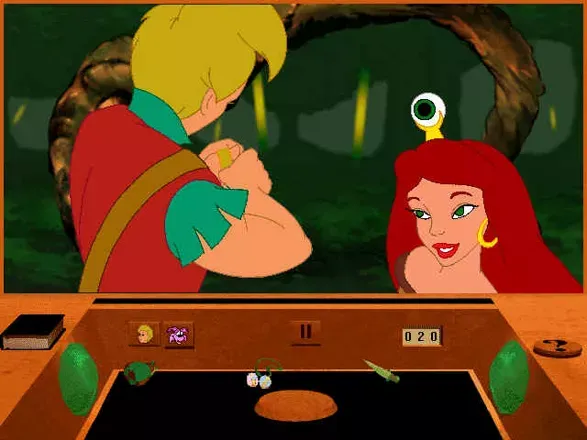
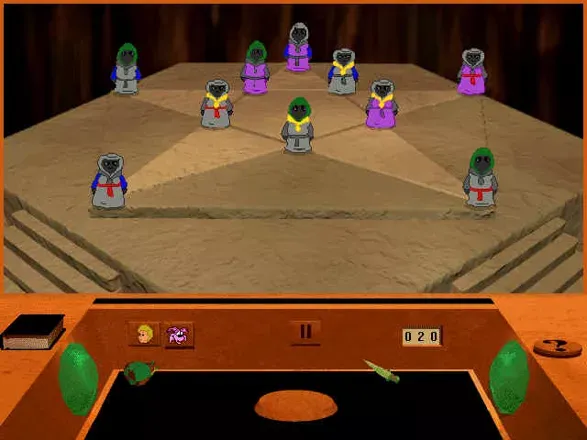
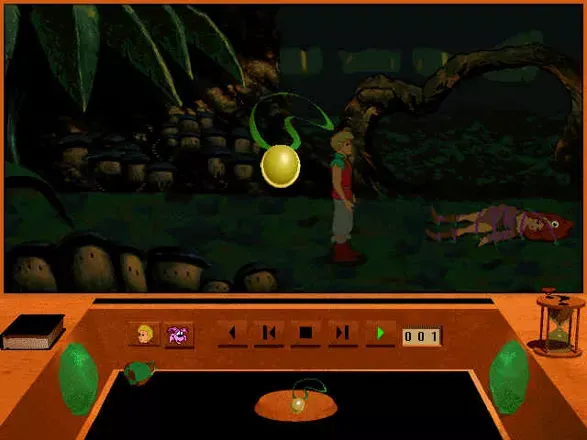
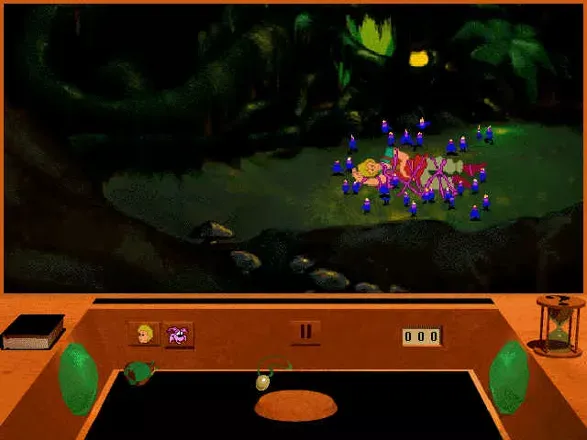
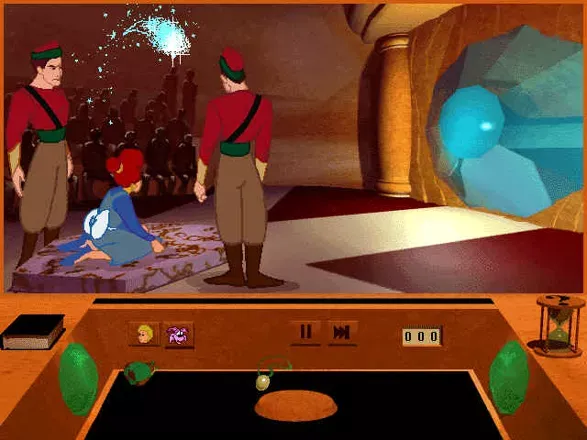
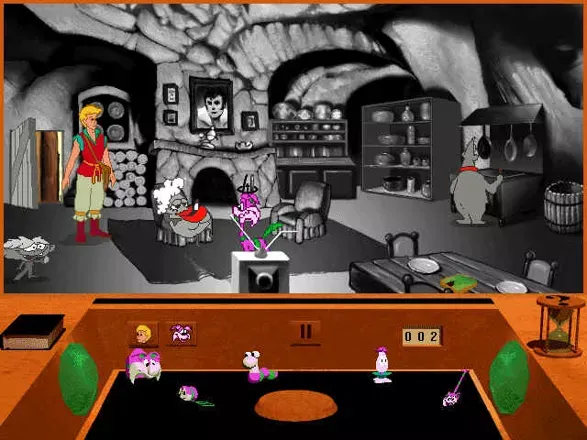
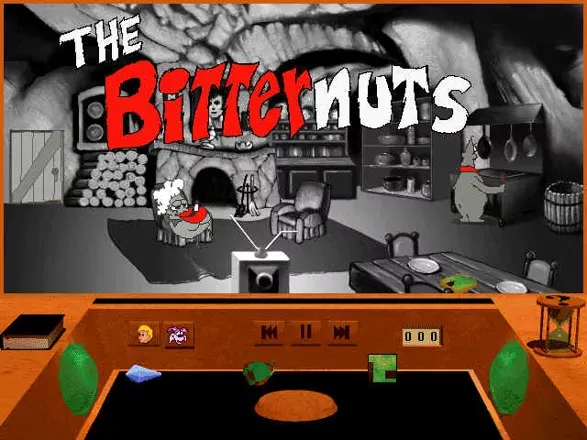
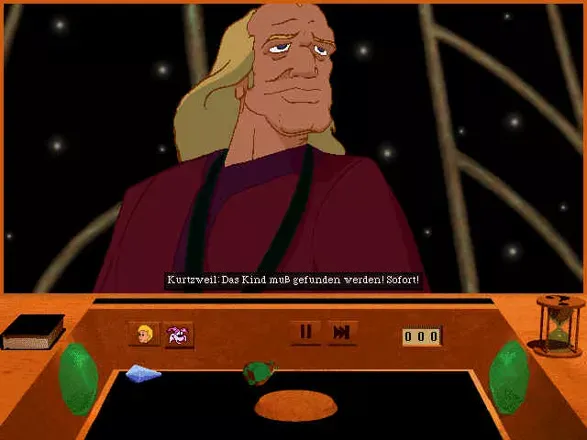
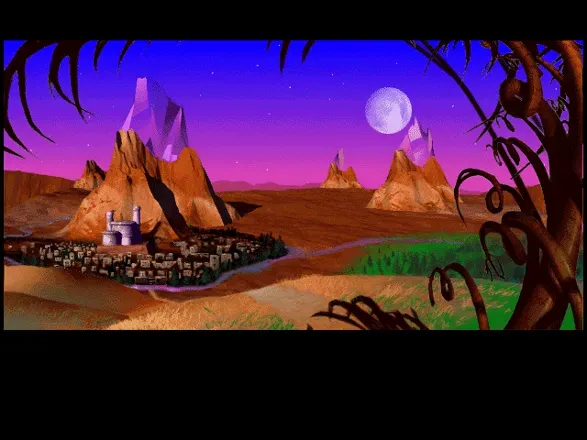
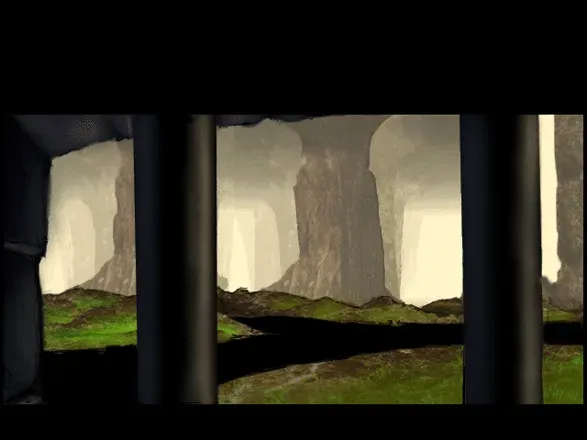
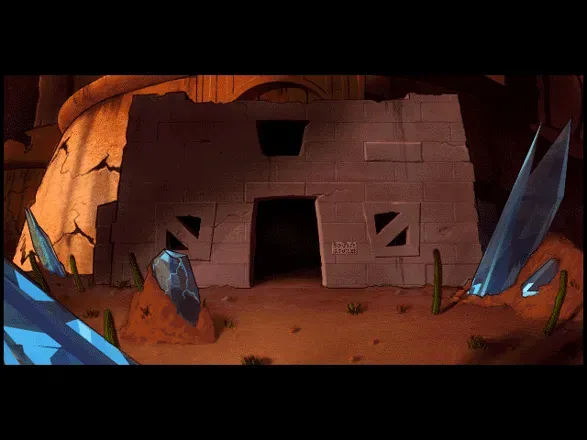
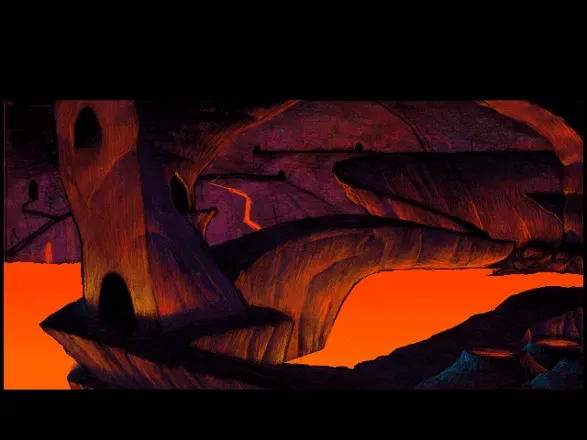
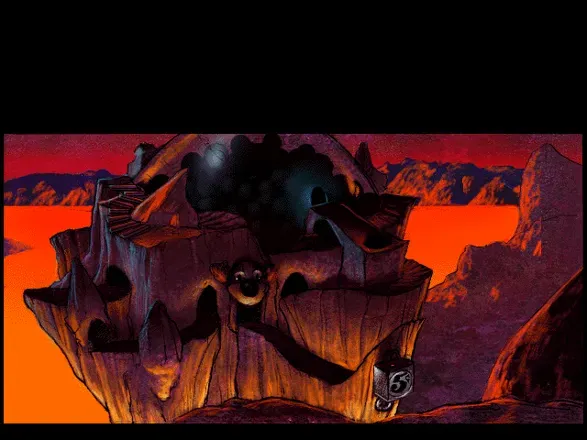
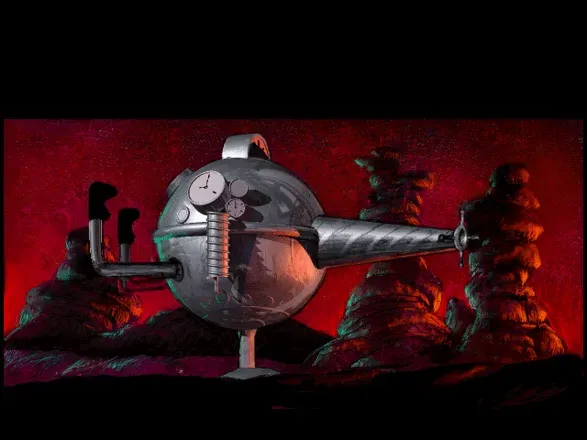
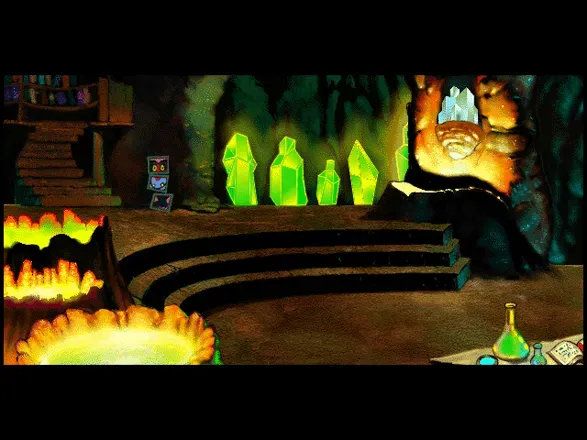
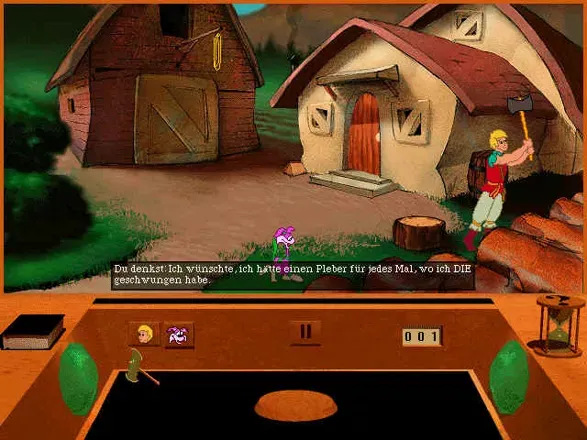
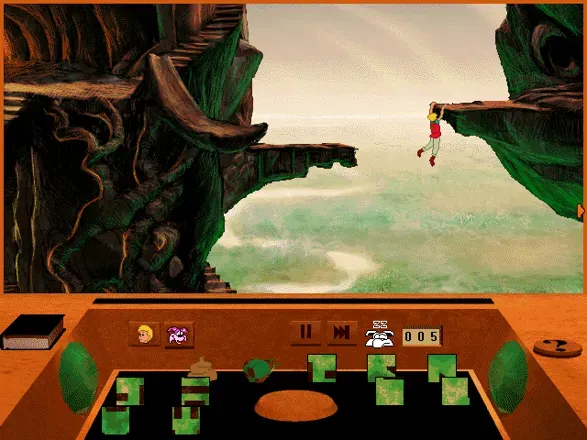
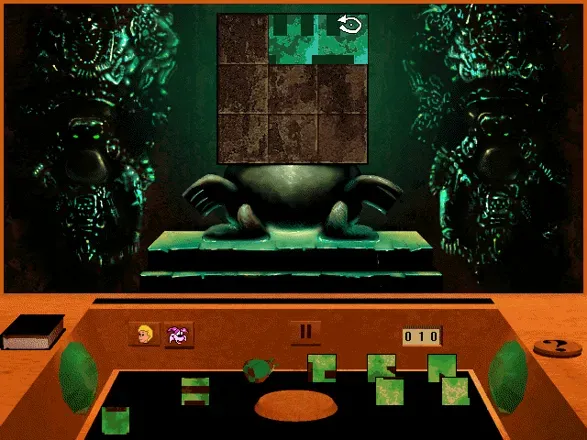
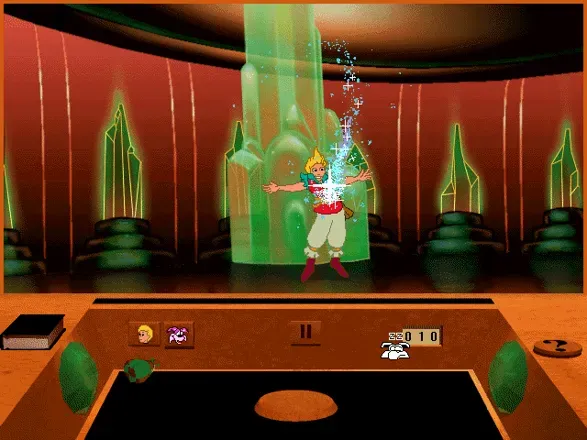
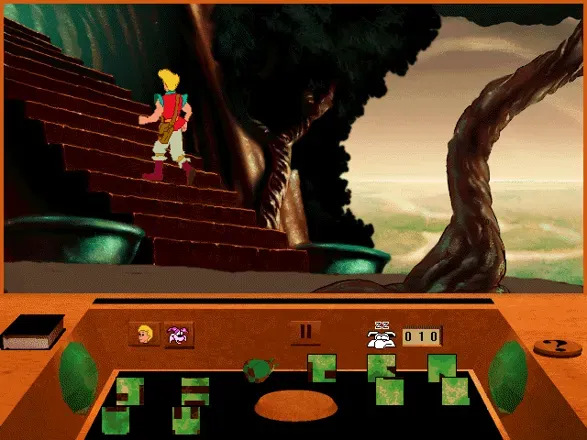
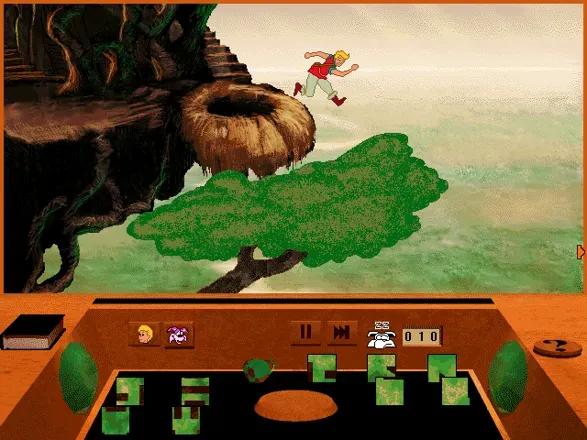
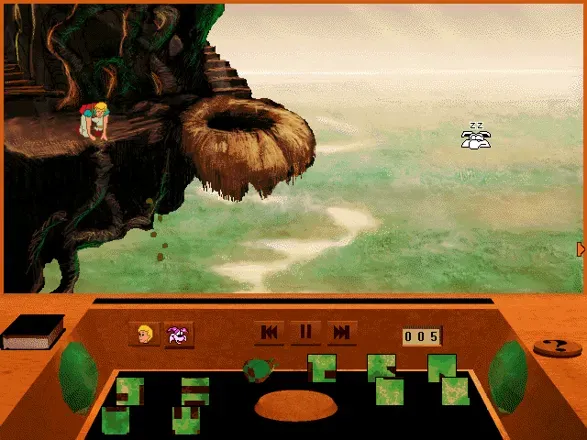
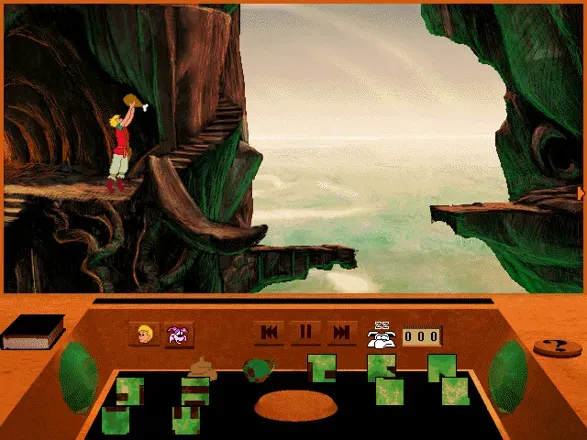
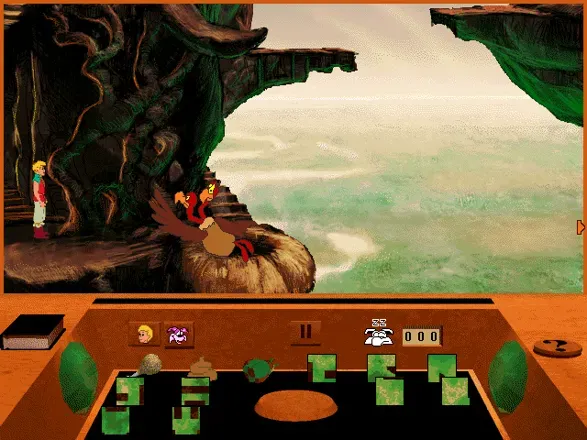
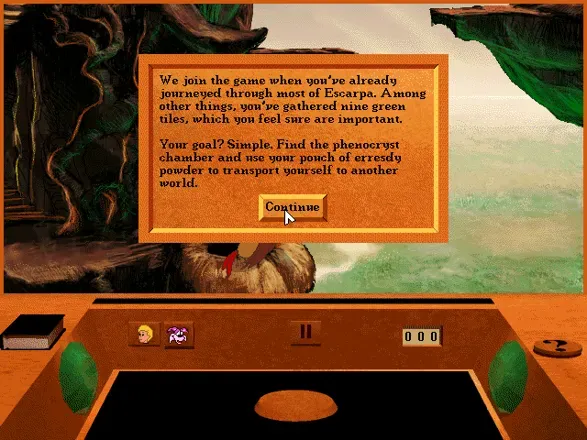
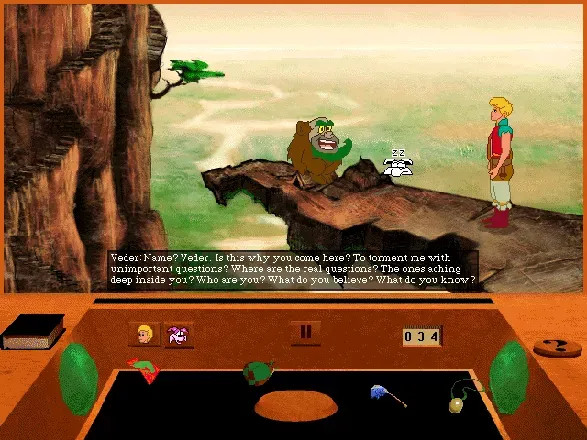
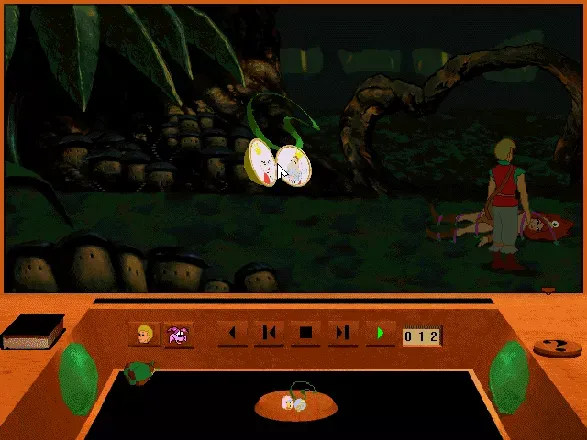
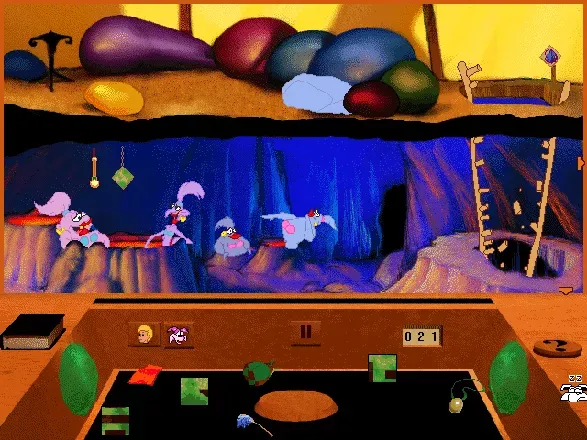
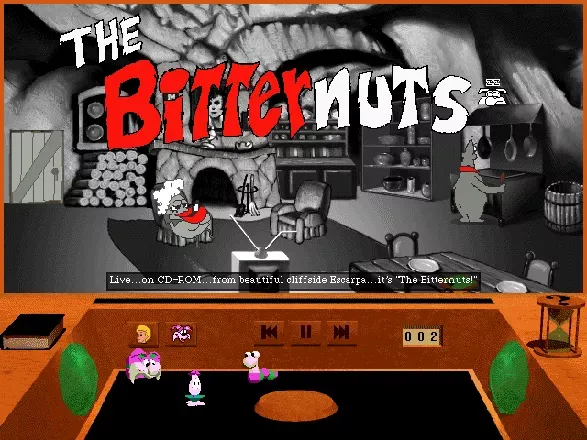
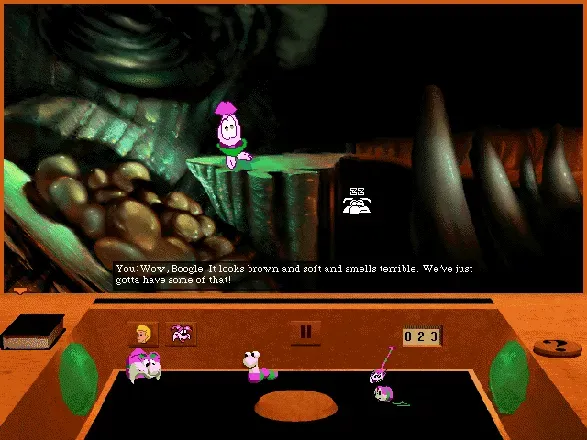
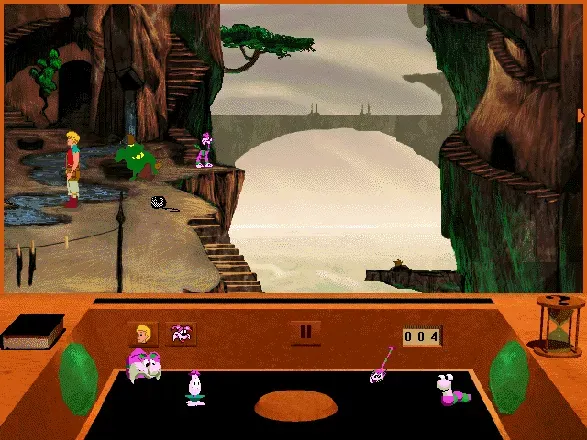
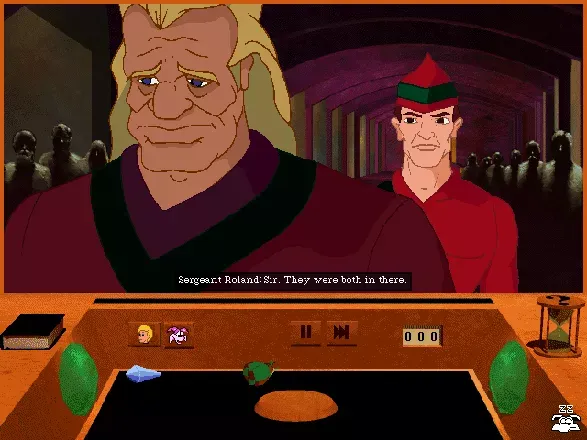
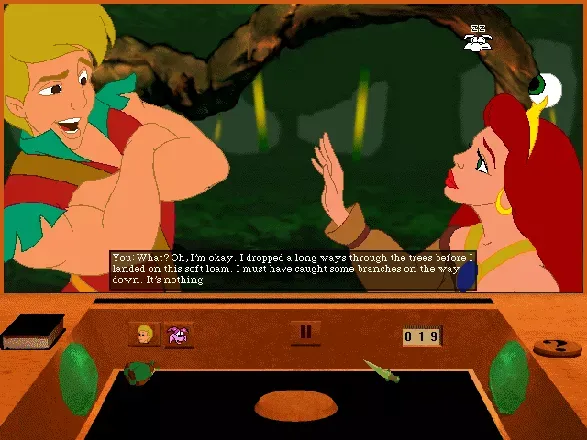
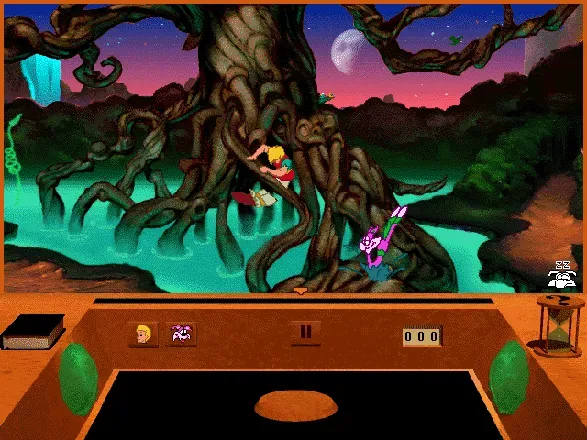
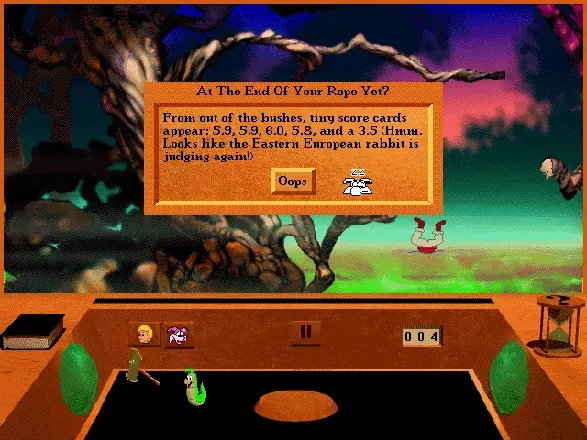
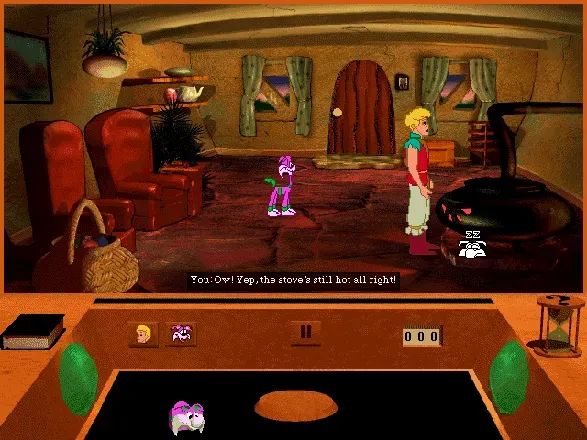
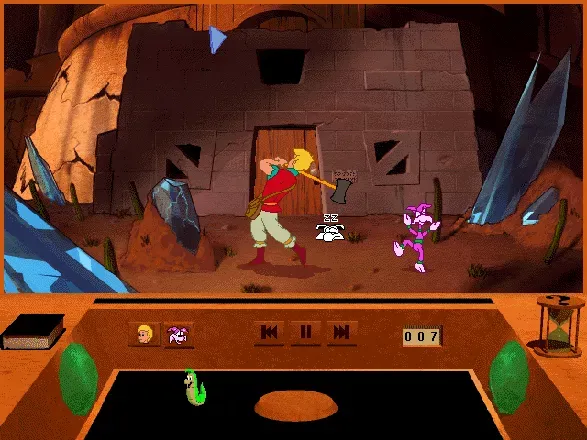
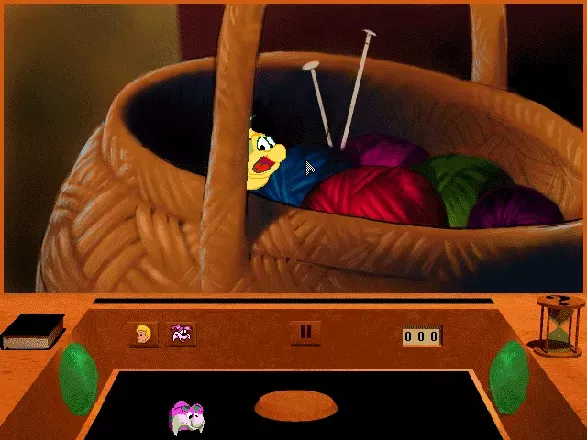
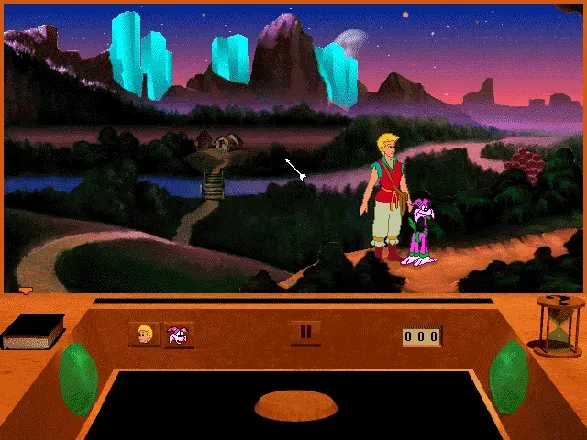
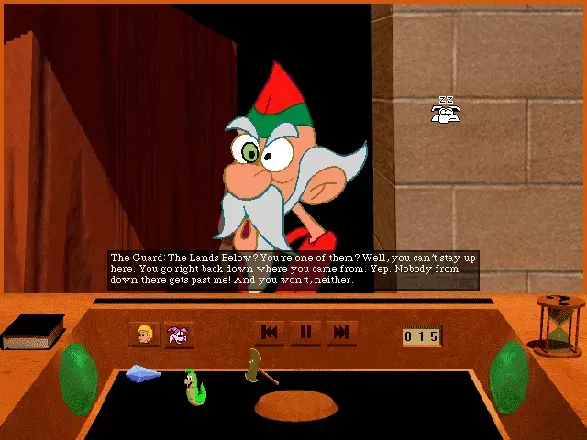
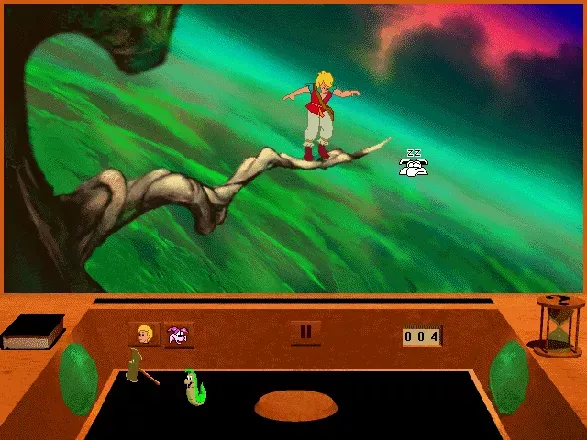
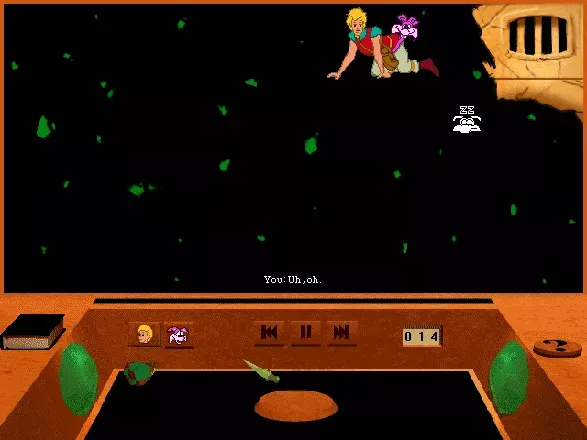
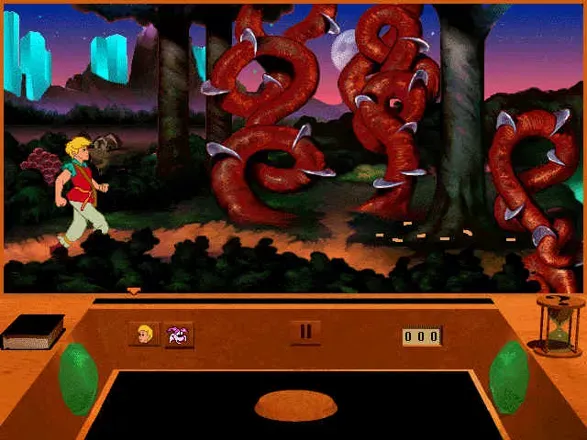
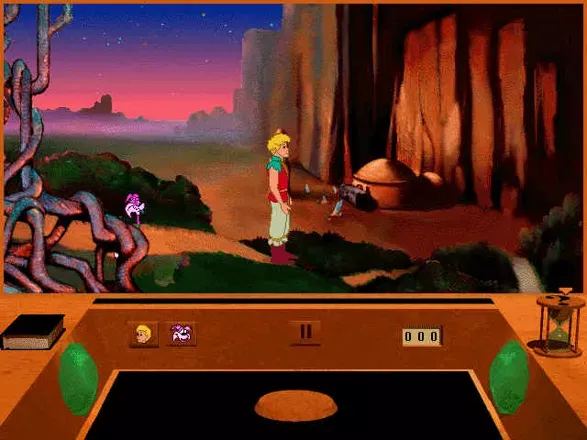
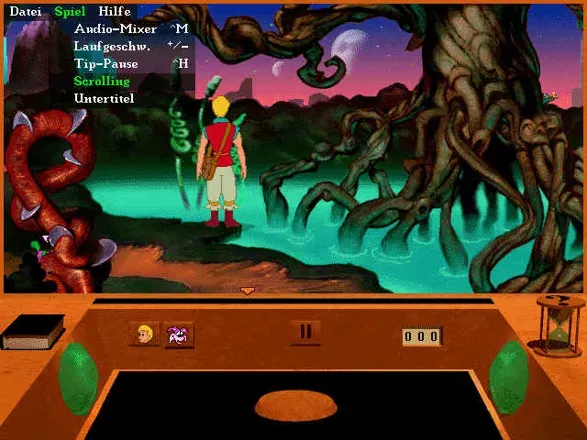
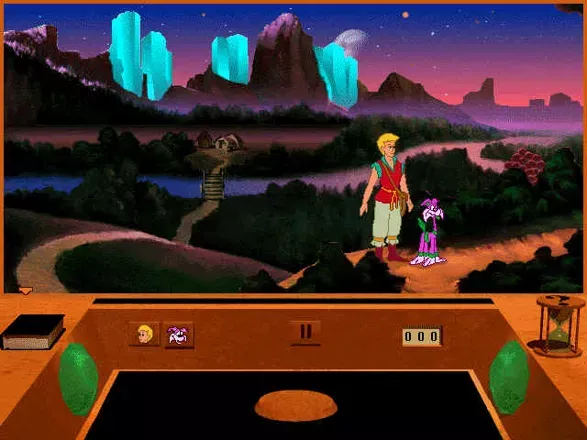
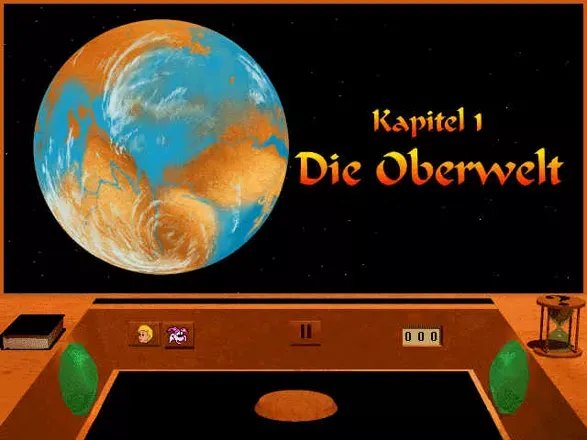
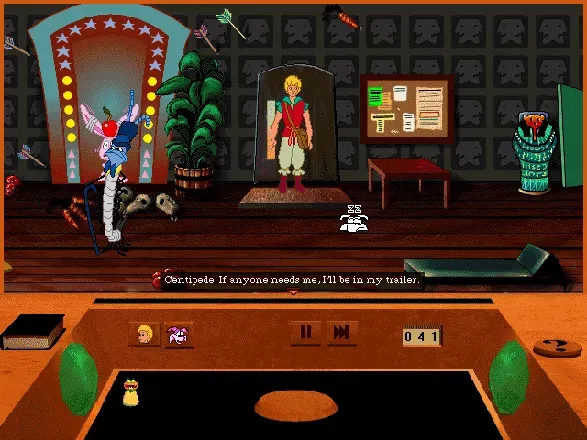
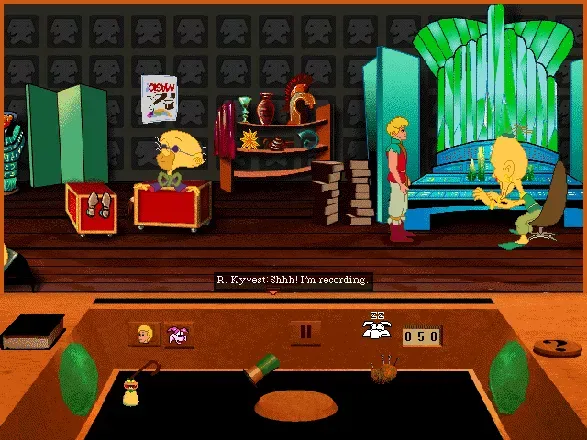
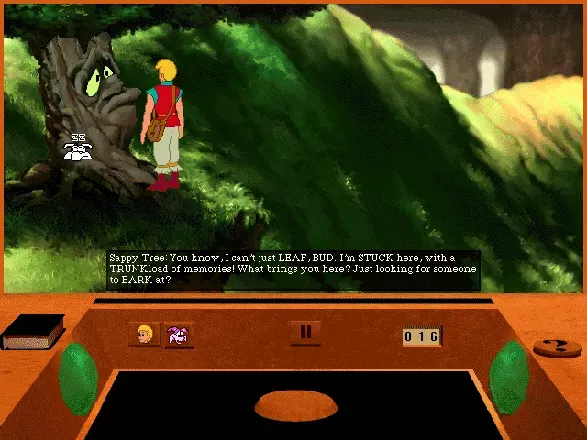
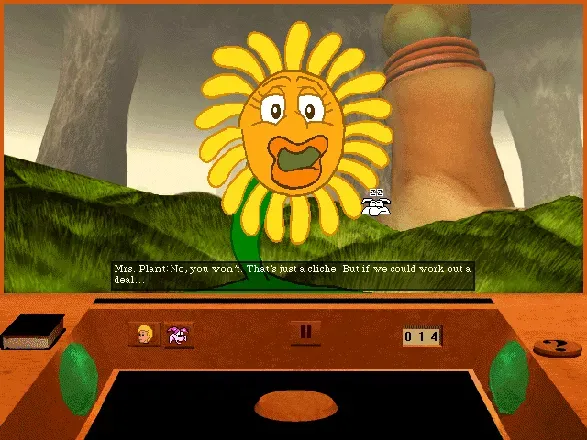
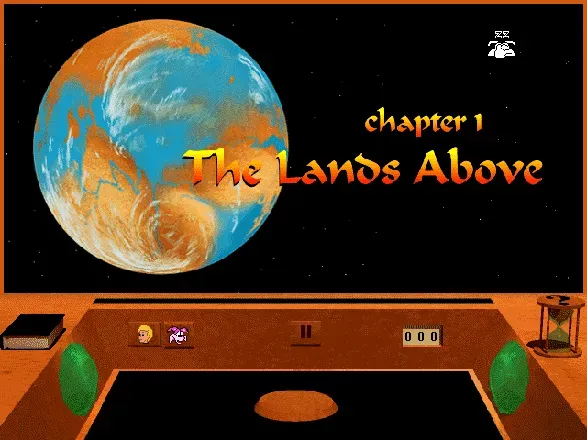
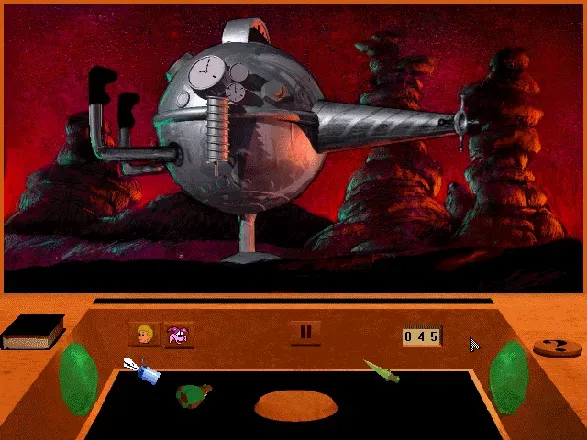
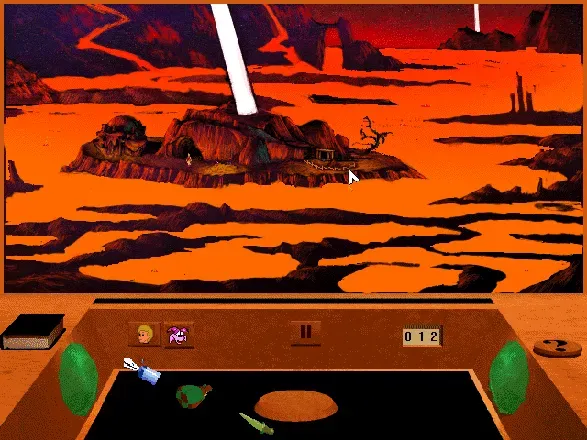
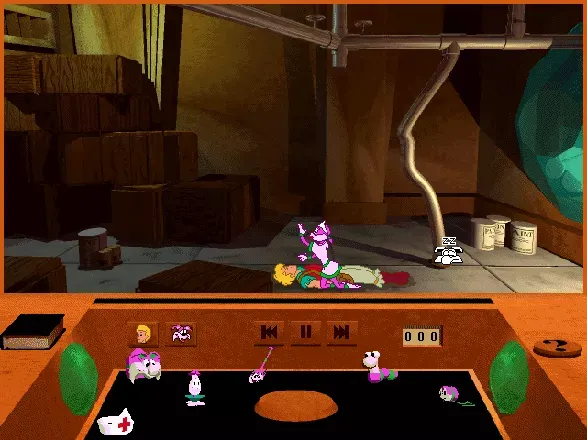
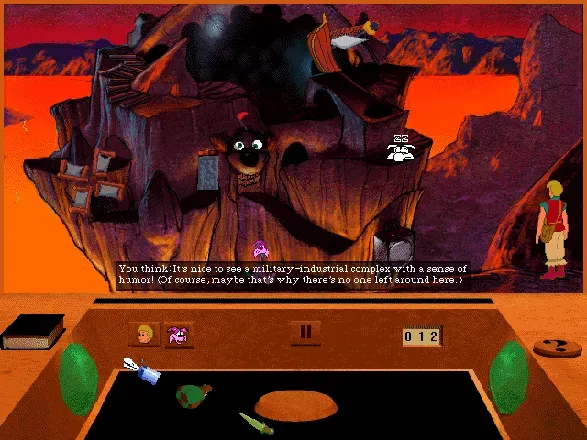
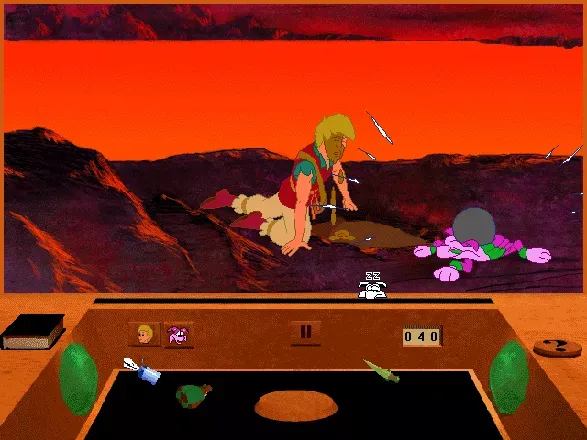
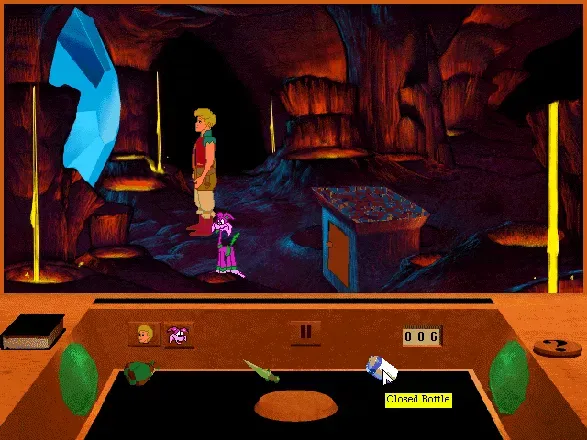
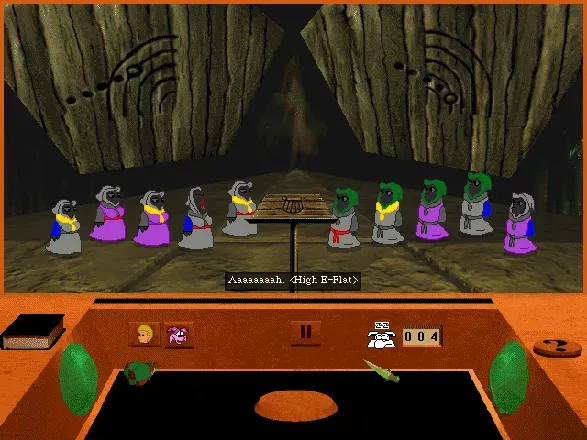
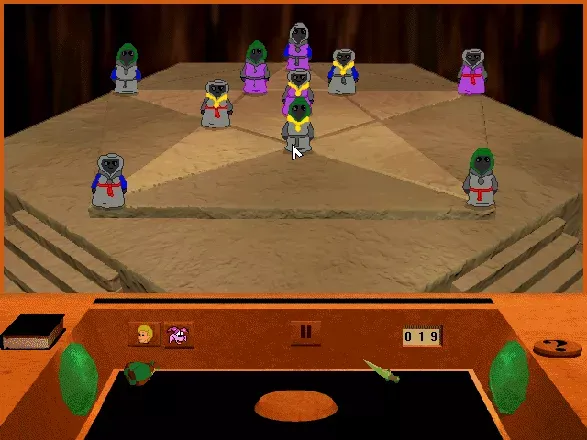
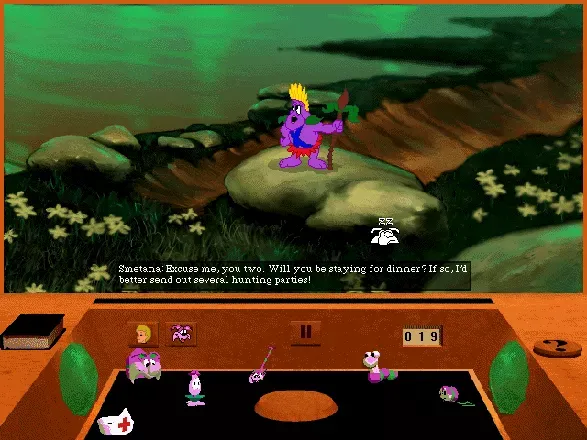
On Windows, the game was built for the CD-ROM adventure era and is known for cartoon-style visuals, animated scenes, and an interface suited to mouse-driven play. Its technical identity is shaped by Sierra’s PC adventure framework, with presentation elements designed to support readable character animation, voiced or text-led storytelling, and puzzle sequences that fit the platform’s multimedia expectations.
Collector’s Value & Rarity
Torin’s Passage is not generally treated as a high-end rarity, but complete copies remain collectible because it is a mid-1990s Sierra PC release with strong preservation interest among adventure-game fans. Market value is usually driven more by condition, completeness, and packaging than by extreme scarcity.
Collector interest is strongest when the original CD-ROM case, printed inserts, manuals, and any regional retail differences are intact. Variants tied to different distributors and international releases can matter to preservation-minded collectors, but the key physical draw is usually a complete big-box or jewel-case-era PC package rather than a rare limited edition.