




Historical Context & Trivia
Star Wars: Rebellion (1998) arrived as a large-scale strategy take on the Star Wars galaxy, set after the destruction of the first Death Star and built around the struggle between the Rebel Alliance and the Galactic Empire. It is best understood as a grand strategy interpretation of the franchise rather than an action game, with a scope that emphasizes galactic control, political pressure, and long-form campaign planning.
Coolhand Interactive developed the game, while LucasArts handled publishing for Windows. The title was released in the United States on February 28, 1998, and it is also known as Star Wars: Supremacy in some regions, reflecting the localized branding used for this early Star Wars strategy release.
Gameplay & Technical Features
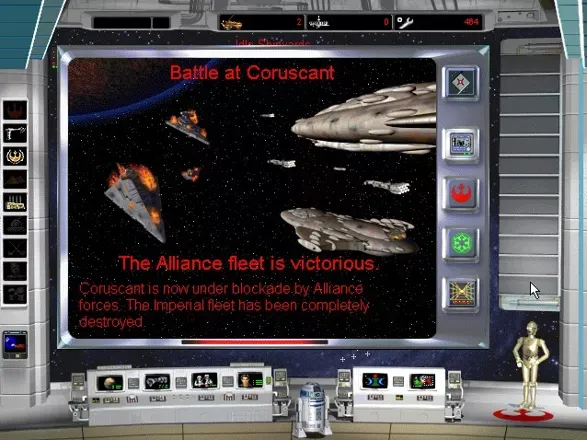
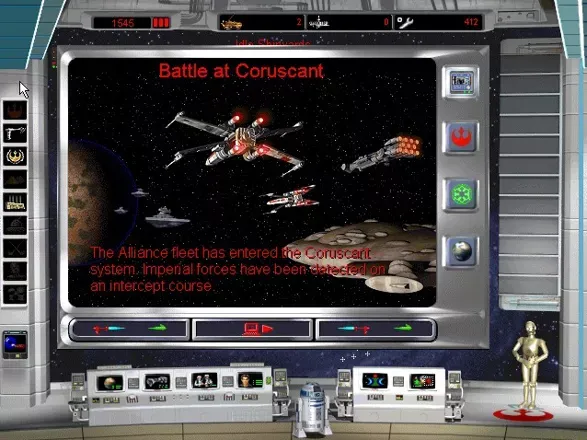
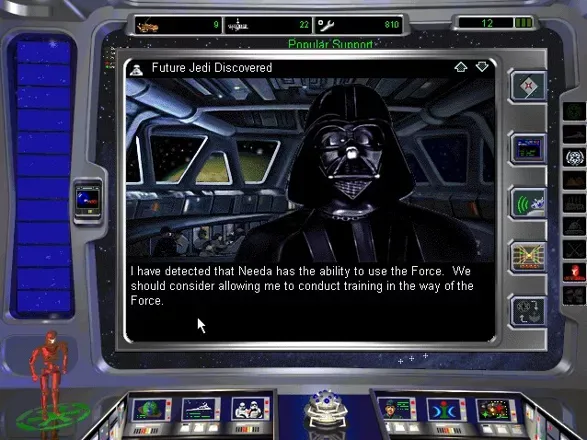
As a strategy title, Star Wars: Rebellion focuses on empire management, diplomacy, intelligence work, fleet movement, and planetary influence rather than twitch combat. Players choose either the Rebel Alliance or the Galactic Empire and work toward controlling the galaxy through military, covert, and political systems.
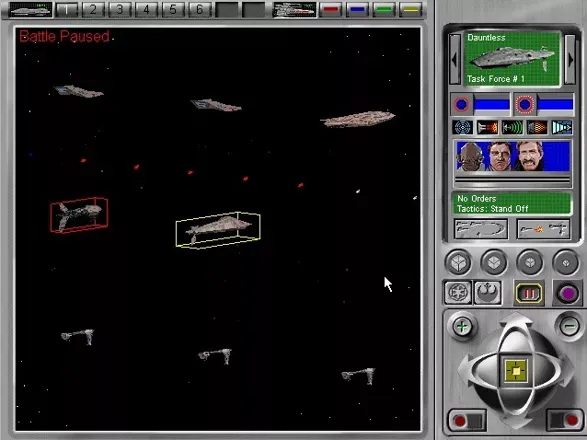
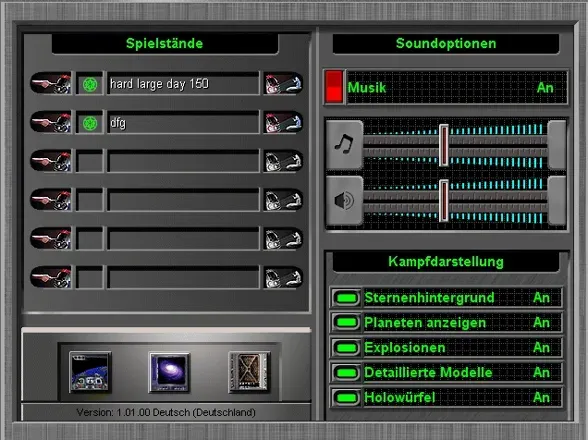
On Windows, the game used a PC-first interface designed for extensive management screens, map-driven planning, and the kind of dense command structure common to late-1990s strategy releases. Its presentation combines a broad galactic overview with Star Wars-themed audiovisual framing, and its scope is reinforced by the large number of worlds and faction assets available to command.
Collector’s Value & Rarity
Star Wars: Rebellion is not a truly obscure release, but it is a niche collectible within the PC strategy market, especially for boxed copies with intact inserts and original media. Interest is supported by the Star Wars license, the LucasArts catalog, and its status as an ambitious late-1990s strategy experiment rather than a mainstream blockbuster.
Collectors generally value complete packaging, including the original retail case, disc, manual, and any regional language or branding differences tied to the Star Wars: Supremacy naming. Variants tied to publisher branding and region-specific labeling can matter to preservation-focused buyers, particularly when the box art or documentation differs from the standard U.S. release.