

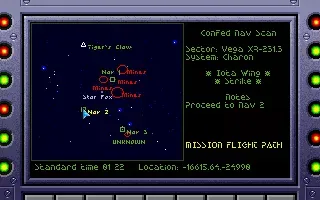
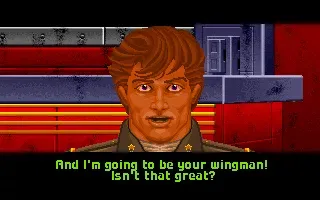
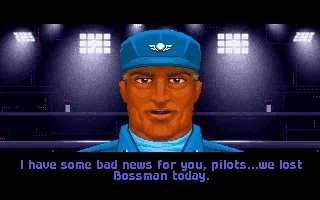
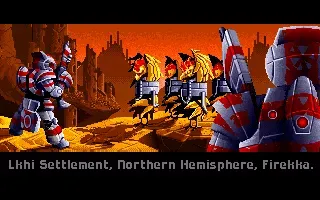

Historical Context & Trivia
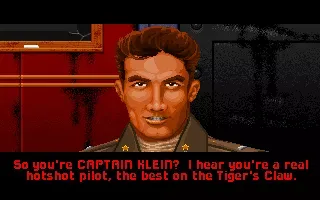
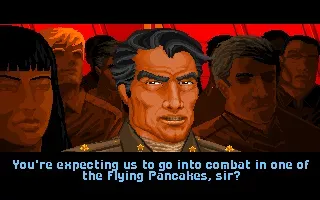
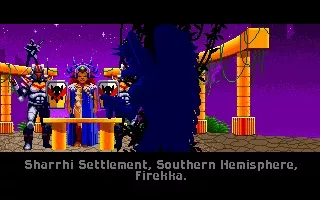
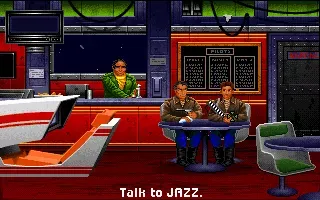
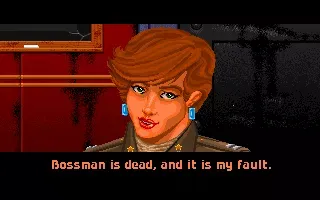
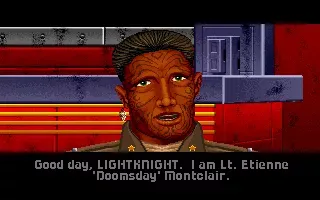
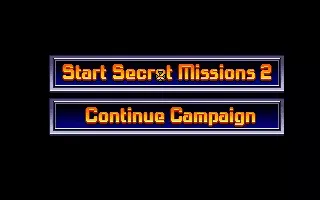
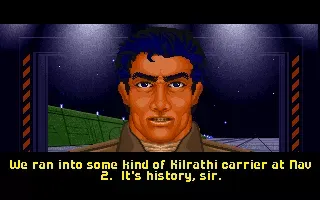
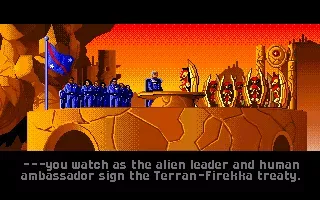
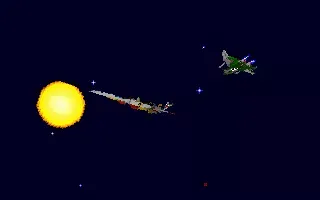
Wing Commander: The Secret Missions 2 – Crusade was released in 1991 as an expansion to Wing Commander, extending the original campaign with a new storyline set directly after the first game. Its place in the early Wing Commander timeline makes it part of one of the most influential space combat series of the DOS era, a franchise widely remembered for cinematic presentation, mission-driven structure, and a strong sense of war drama.
Origin Systems published and developed the expansion for MS-DOS, continuing the studio’s established approach of treating add-ons as substantial narrative continuations rather than simple bonus mission packs. The release added new ships, new wingmen, and a fresh combat arc, reinforcing the series’ reputation for ambitious expansion content during the early 1990s.
Gameplay & Technical Features
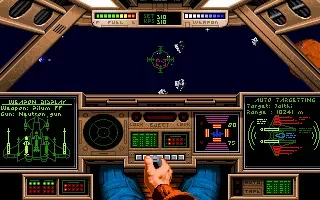
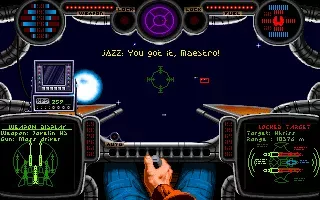
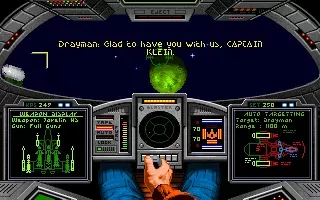
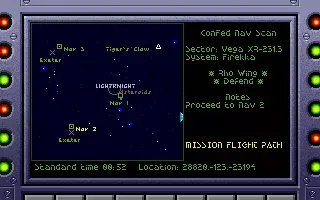
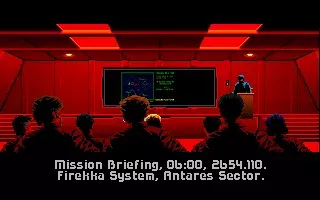
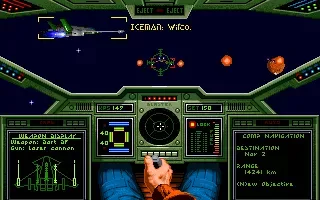
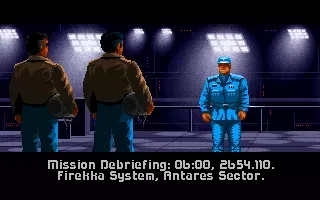
This space combat simulation centers on briefing-based sorties, dogfights, escort duties, and branching campaign pressure, with mission difficulty tuned higher than the base game. Players are expected to manage target prioritization, wingman coordination, and the tactical rhythm of high-speed space engagements.
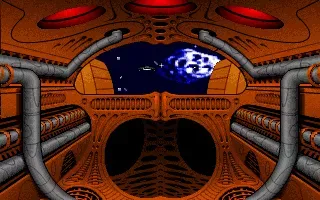
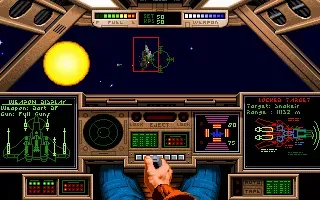
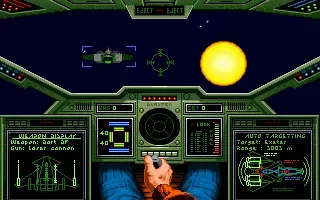
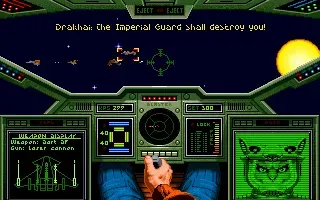
On the DOS platform, the expansion followed the original game’s cinematic PC design, using the same technical ecosystem of floppy-based distribution and period-appropriate graphics and sound support. Its presentation fits the early Wing Commander formula of immersive cockpit combat, with expanded content built to integrate cleanly into the existing engine and save structure.
Collector’s Value & Rarity
As an original DOS expansion from a major early-1990s franchise, it holds interest for preservation-focused collectors more than for extreme scarcity alone. Market value is typically influenced by completeness, condition, and whether the copy is an original boxed release rather than a loose disk-only package.
Physical versions were tied to period packaging and collateral associated with PC software releases, including the original media format and accompanying documentation needed to play the add-on. Regional variants are not strongly documented in mainstream collecting circles, so the most meaningful differences usually come from box condition, manual presence, and overall completeness rather than dramatic edition splits.