

Historical Context & Trivia
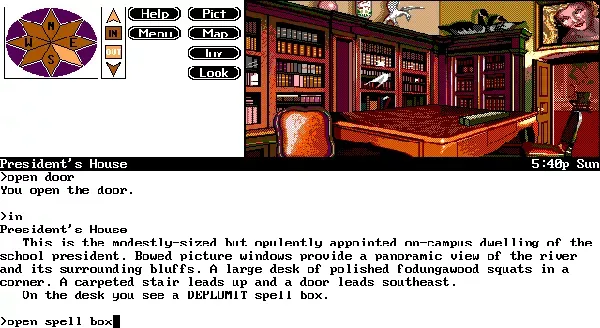
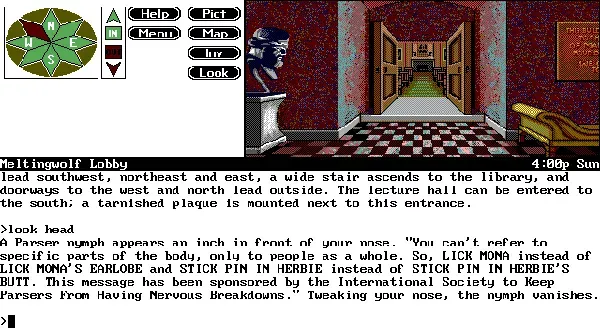
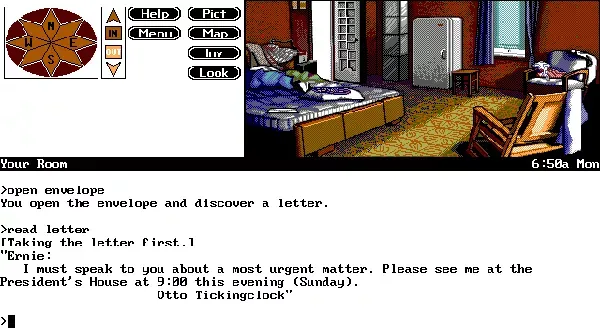
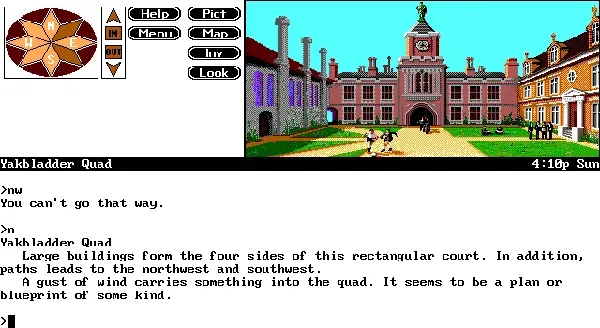
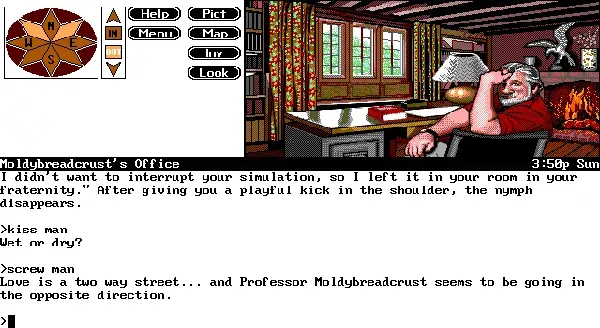
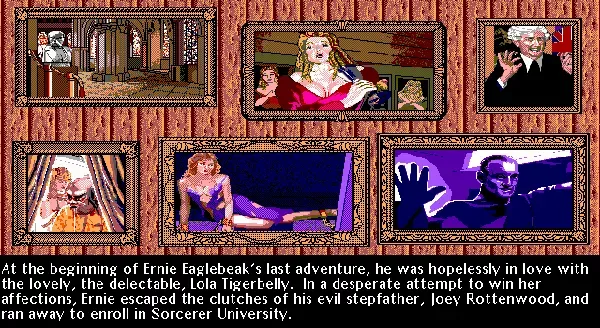
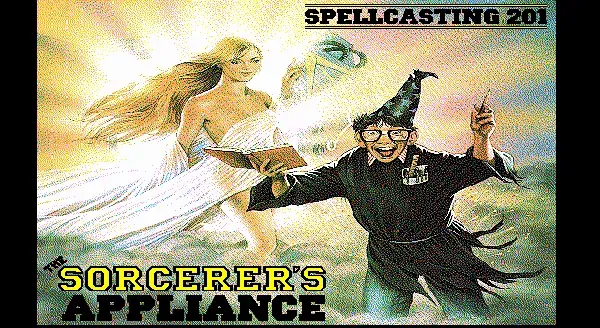
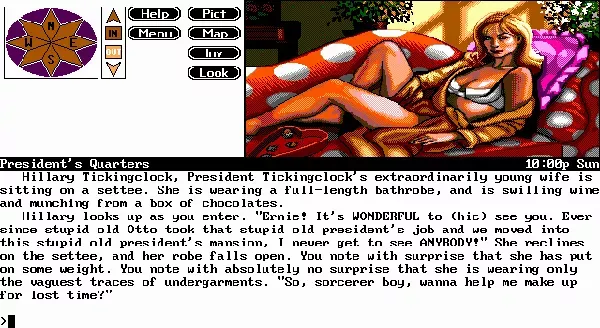
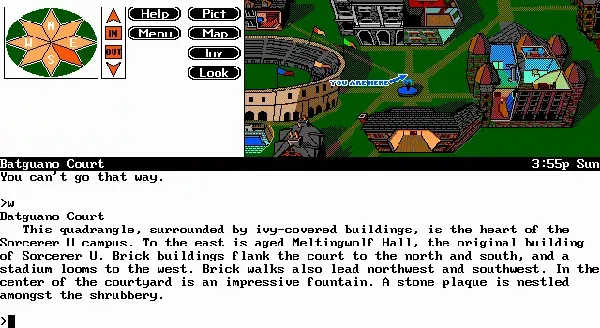
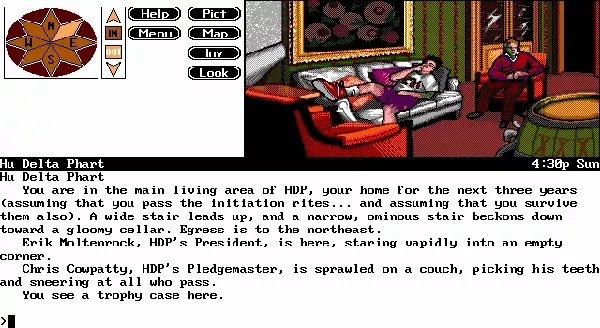
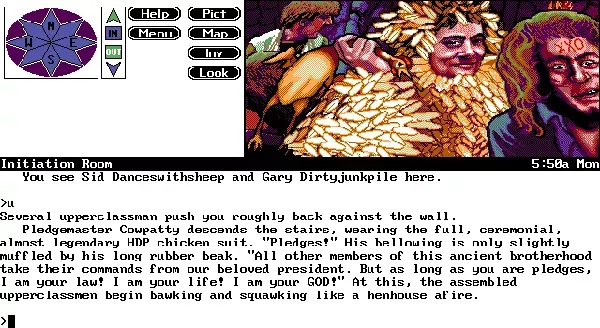
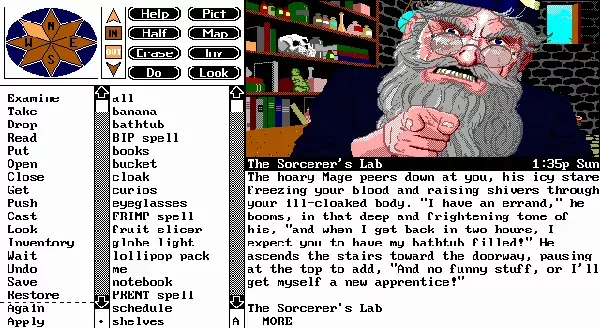
Spellcasting 201: The Sorcerer’s Appliance (1991) is the second entry in Legend Entertainment’s Spellcasting trilogy and a notable example of early-1990s illustrated interactive fiction on DOS. It follows the continuing misadventures of Ernie Eaglebeak at Sorcerer University, leaning into college satire, fantasy parody, and adult comedy while retaining the parser-based adventure structure that made Legend’s text adventures distinct.
Legend Entertainment Company both developed and published the game, and the title is closely associated with writer Steve Meretzky, whose work helped define the series’ tone. The game is documented as a 1991 release and is remembered as part of Legend’s effort to keep traditional interactive fiction commercially visible during a period when graphical adventures were rapidly changing the market.
Gameplay & Technical Features
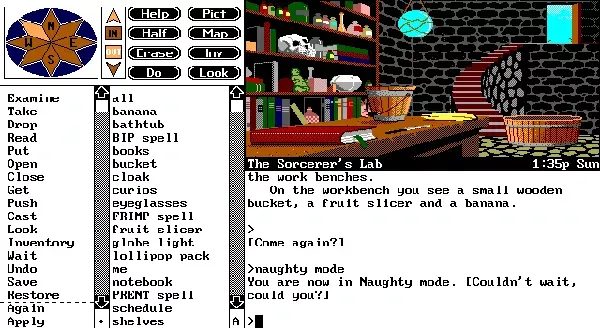
This adventure game combines text-driven puzzle solving with inventory management, conversation, and exploration across Sorcerer University. Its progression is structured around classic interactive fiction design, with player actions unlocking new areas, items, and story events through logical puzzle chains rather than real-time mechanics.
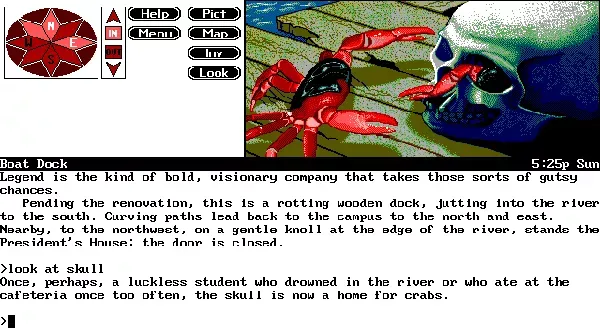
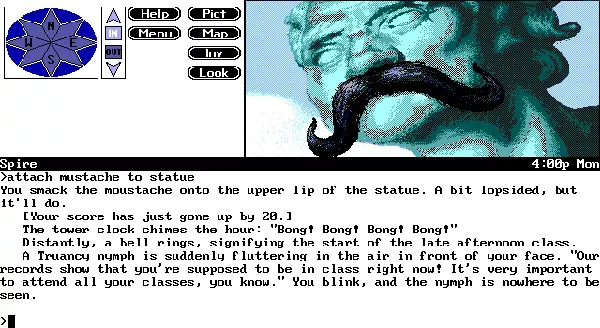
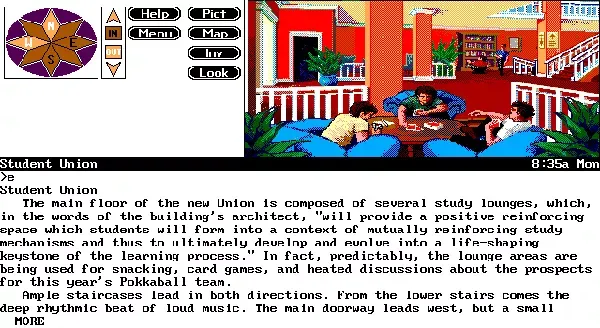
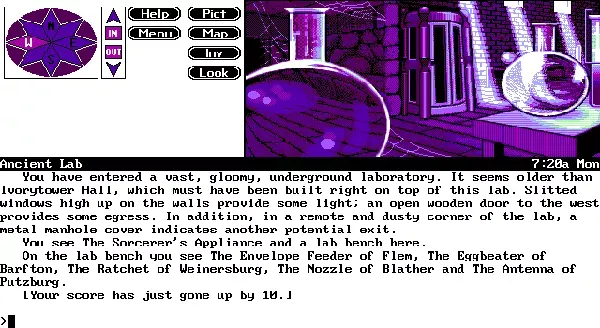
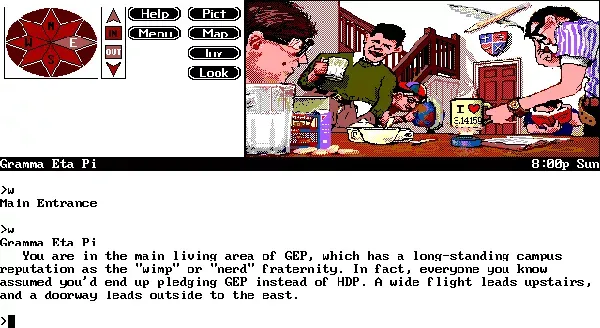
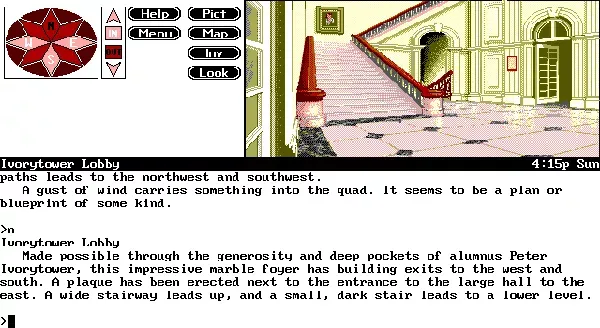
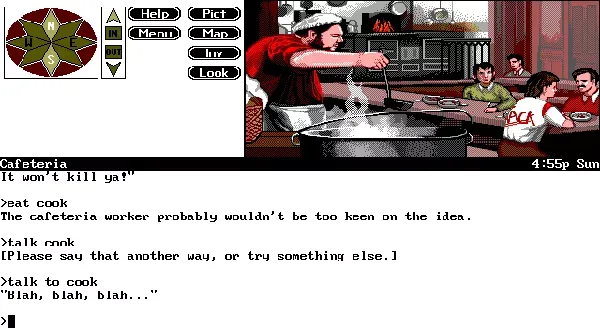
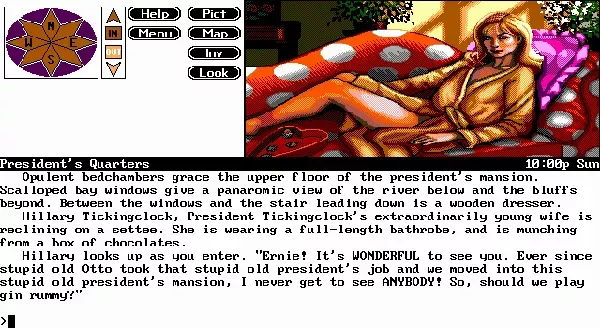
On DOS, the game uses Legend’s signature hybrid approach: parser-based interaction supported by graphics, interface aids, and audio elements designed to make text adventure play more accessible. The presentation reflects the strengths of early PC hardware, with a focus on readable text, illustrative scenes, and a polished desktop-style command experience rather than animation-heavy spectacle.
Collector’s Value & Rarity
From a preservation standpoint, Spellcasting 201: The Sorcerer’s Appliance is not usually treated as an ultra-rare lost artifact, but complete physical copies remain desirable to collectors of Legend Entertainment software and boxed DOS adventures. Value tends to depend on condition, completeness, and whether the original release media and printed materials are intact.
Physical copies are associated with period-specific collateral such as multiple disks, a manual, and supplemental paper items tied to the game’s university theme. Surviving boxed editions are most appealing when they include the original documentation and inserts, since those materials help preserve the game’s identity as a packaged interactive fiction release rather than a bare software disc.