

Historical Context & Trivia
Descent³ (1999) arrived as a late-era evolution of the Descent series, carrying forward the franchise’s distinctive six-degrees-of-freedom design into the Windows PC market. Developed by Outrage Entertainment and published by Interplay Entertainment, it was released in North America in June 1999 and is remembered as one of the series’ most ambitious commercial entries, blending tight indoor combat with large, industrial sci-fi environments.
The title reflects the broader late-1990s push to expand first-person action games beyond flat-plane movement, while still preserving the maze-like structure that made the series stand out. Its association with Interplay placed it inside a major PC publisher’s catalog at a time when ambitious technical shooters were a defining part of the genre’s identity.
Gameplay & Technical Features
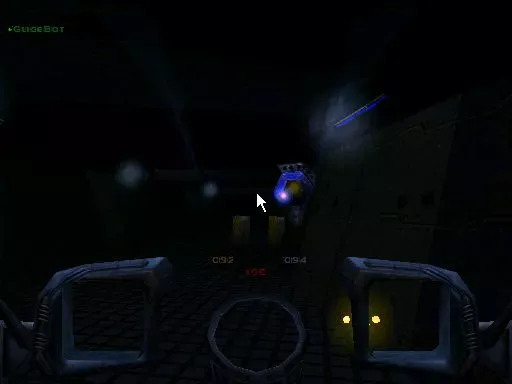
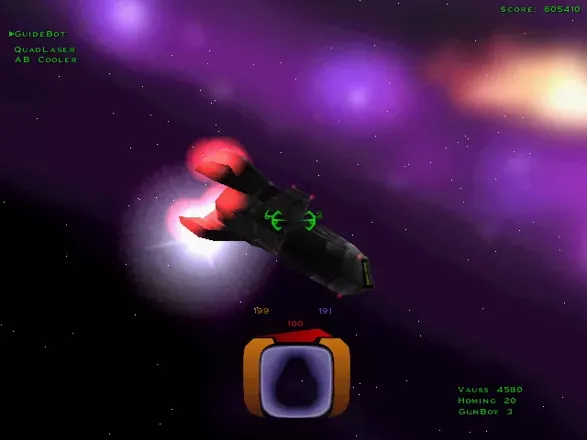
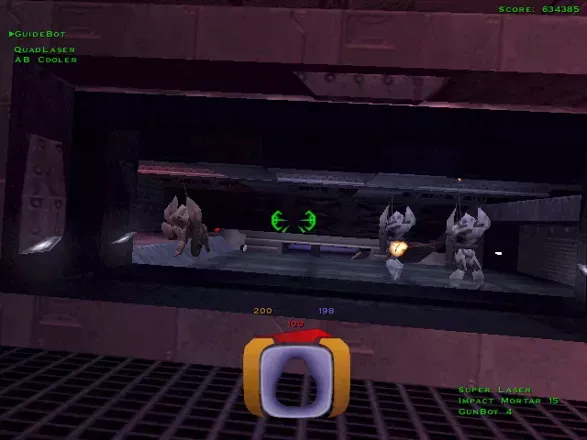
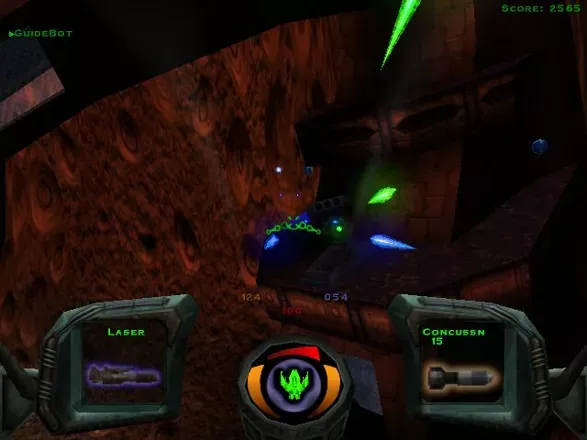
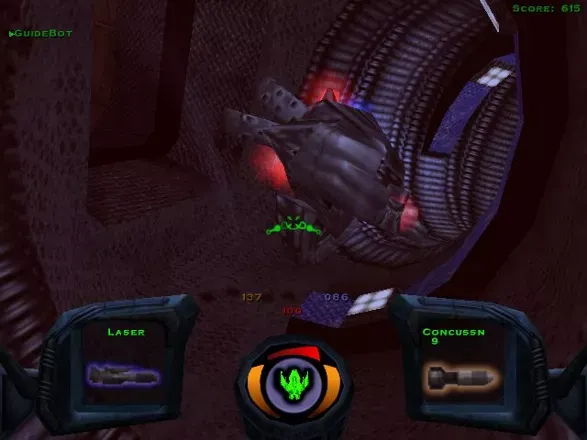
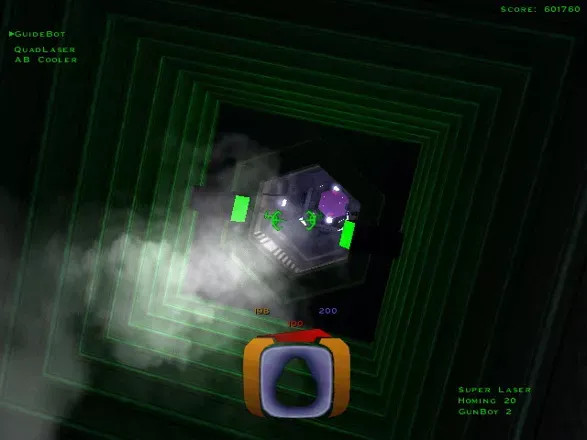
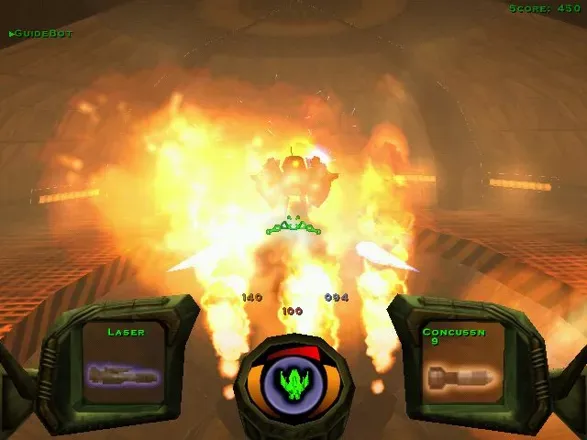
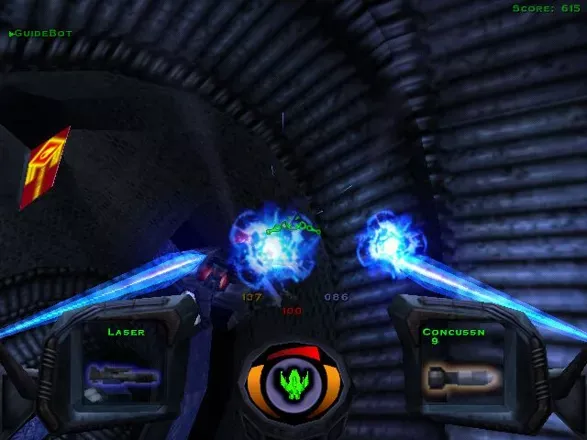
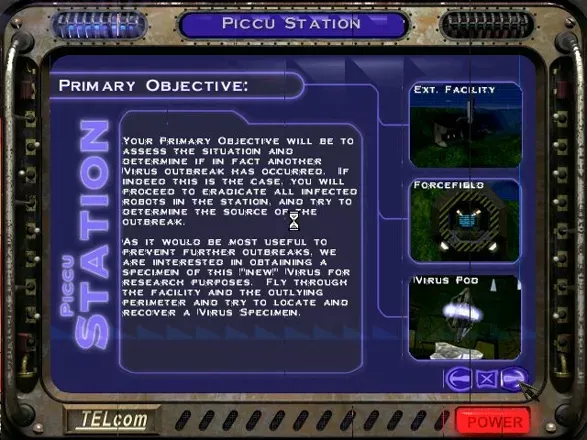
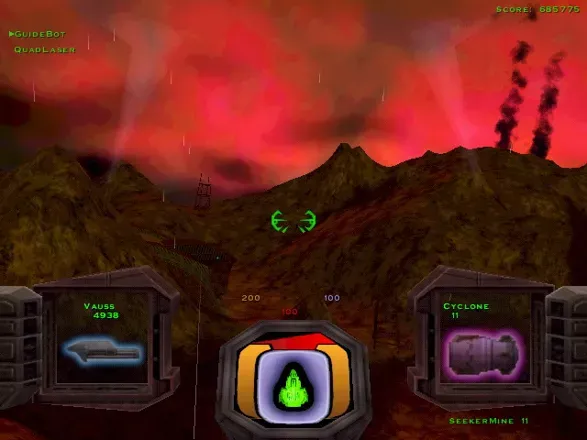
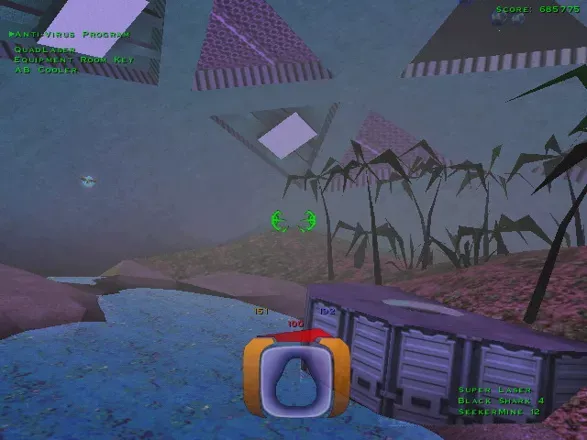
Descent³ is an Action game built around free-form movement in fully 3D tunnel and facility spaces, with the player piloting a ship rather than controlling a ground-based character. Its core loop centers on navigating enclosed environments, managing momentum, fighting hostile robots and opponents, and using a weapon loadout suited to fast, spatial combat.
On Windows, the game was shaped by late-1990s PC hardware expectations, with acceleration-oriented 3D rendering, configurable controls, and a visual presentation designed for the era’s high-end systems. Its sci-fi framework emphasizes metallic corridors, industrial interiors, and space-station style architecture, supported by an audio mix that reinforces the tension of enclosed combat and machinery-driven environments.
Collector’s Value & Rarity
As a retail Windows release from 1999, Descent³ is not generally considered an ultra-rare collectible, but complete boxed copies are still desirable among PC action-game collectors, especially when condition is strong and the software remains intact. Value is typically influenced by completeness, regional distribution, and whether the package includes original media and inserts.
Physical copies may appear in multiple publisher/distributor variants tied to different territories, including branding associated with Interplay Entertainment and other regional release partners. For collectors, the most important collateral elements are the original box, manual, disc set, registration materials, and any included reference sheets or promotional inserts tied to the retail edition.