

Historical Context & Trivia
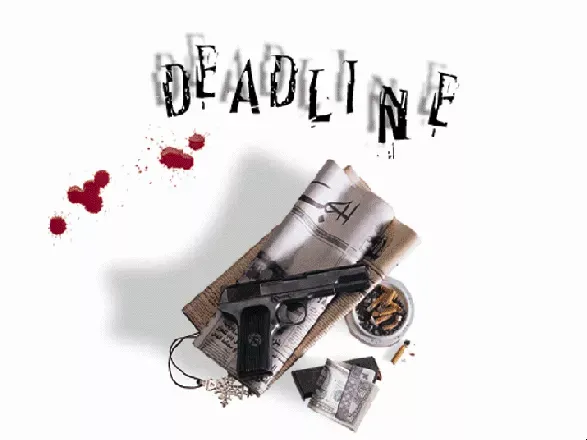
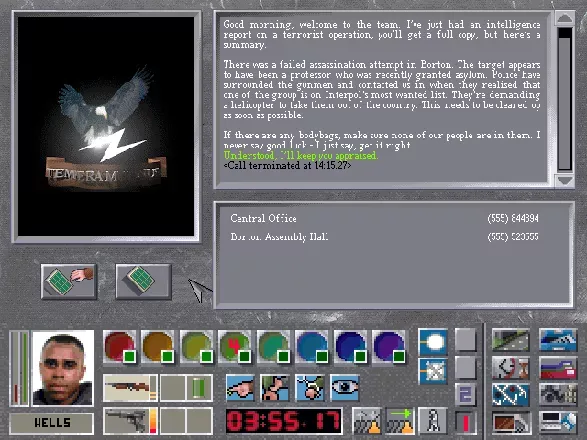
Deadline (1996) is a DOS tactical action game set around anti-terrorist operations, and it is not related to the earlier Infocom text adventure of the same name from 1982. The 1996 release is described as a real-time strategy/tactics title built around hostage rescue, squad command, and mission-based planning, with over 17 levels and a strong emphasis on careful execution.
The game was developed by Millennium Interactive Ltd. and published under the Psygnosis Limited label, with other regional publishing names also attached in database records. Secondary references identify it as one of Millennium’s later PC releases and note its connection to the studio’s work in mid-1990s action-strategy design.
Gameplay & Technical Features
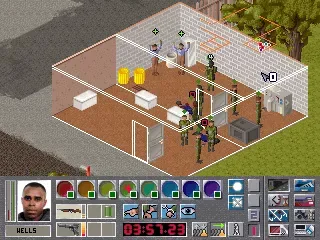
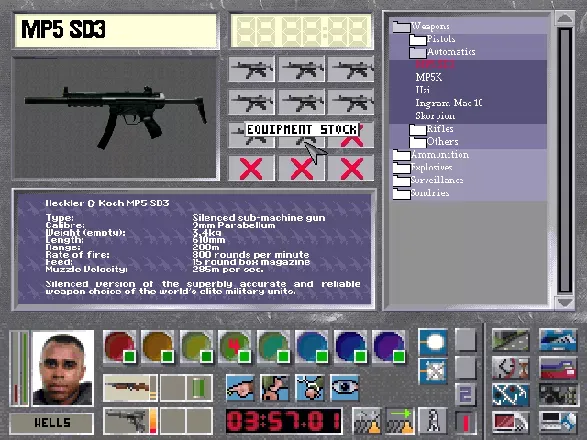
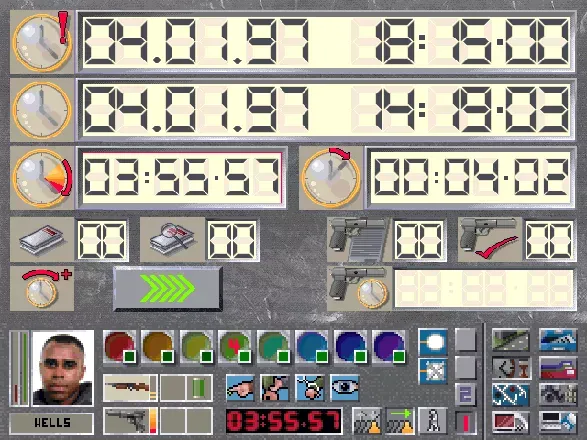
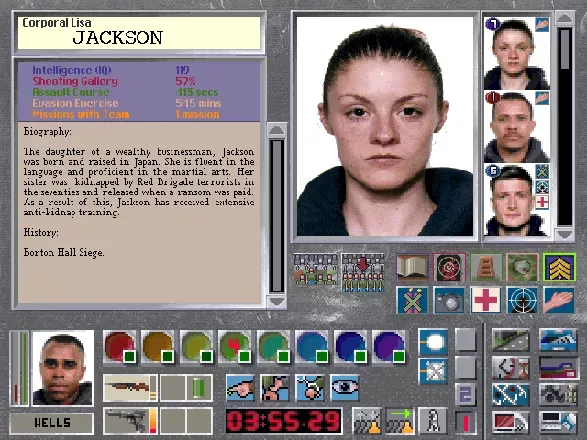
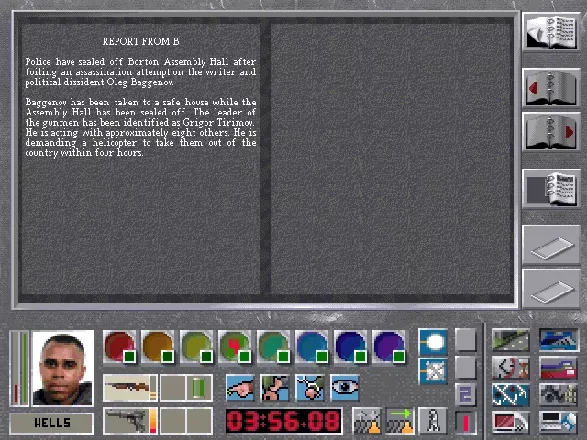
Deadline combines real-time tactics with strategic pre-planning, asking the player to control a squad, manage weapon selection, and respond to changing combat conditions while protecting hostages. The core loop is built around mission objectives that reward timing, positioning, and restraint rather than pure aggression.
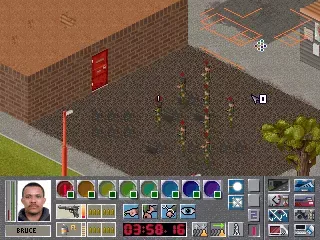
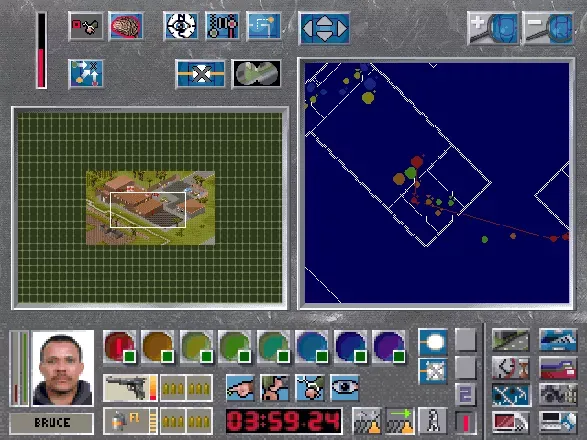
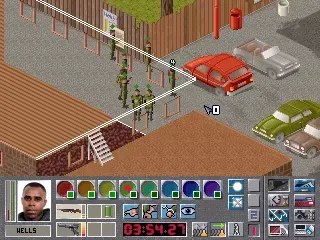
On DOS, the game uses an overhead or isometric-style tactical presentation typical of mid-1990s PC strategy titles, with real-time movement and scenario-driven combat. Video captures and database descriptions also indicate FMV-style presentation elements and PC audio-visual production consistent with the era’s MS-DOS releases.
Collector’s Value & Rarity
Deadline is an obscure, low-profile PC release rather than a mainstream retail staple, so surviving copies tend to be of interest mainly to specialists in Psygnosis, Millennium Interactive, and 1990s tactical PC games. Its collector value is shaped more by scarcity, genre curiosity, and publisher association than by broad commercial fame.
For preservation purposes, the most relevant physical details are the original DOS packaging, disc media, and any region-specific publisher labeling tied to Psygnosis Limited, Nova Spring, or Astron Publishing, Inc.. Because documentation is limited and conflicting publisher attributions appear in databases, boxed variants and surviving manuals matter more than any single standardized edition.