

Historical Context & Trivia
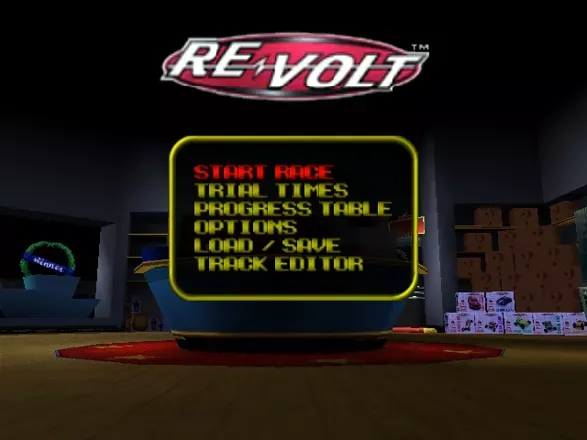
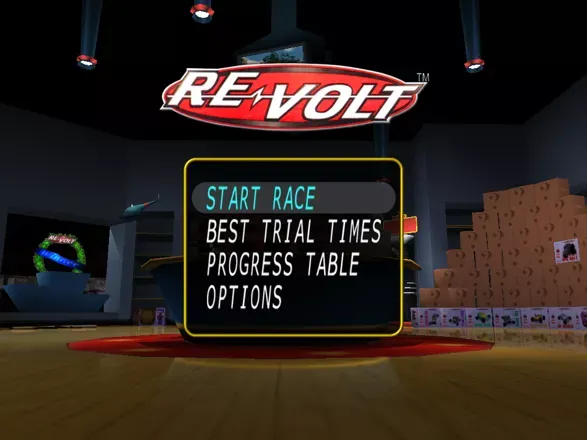
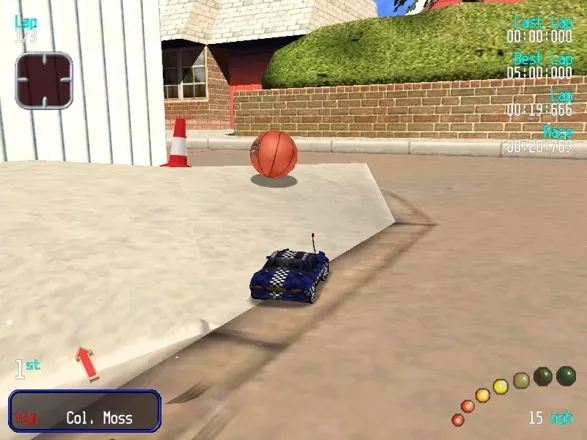
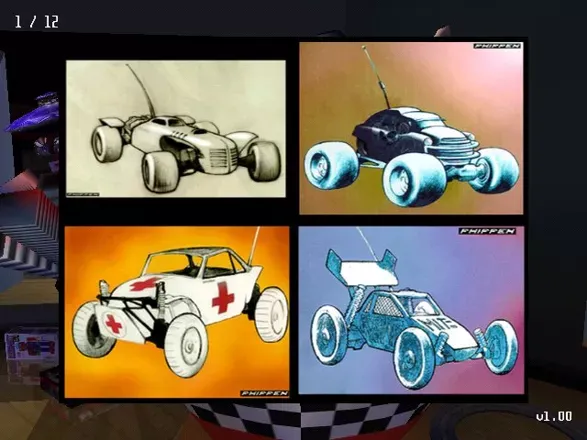
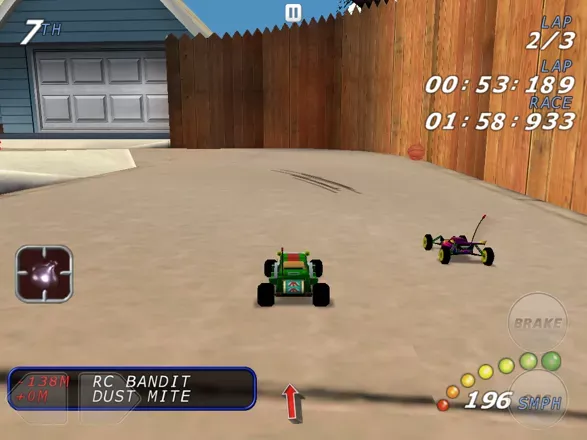
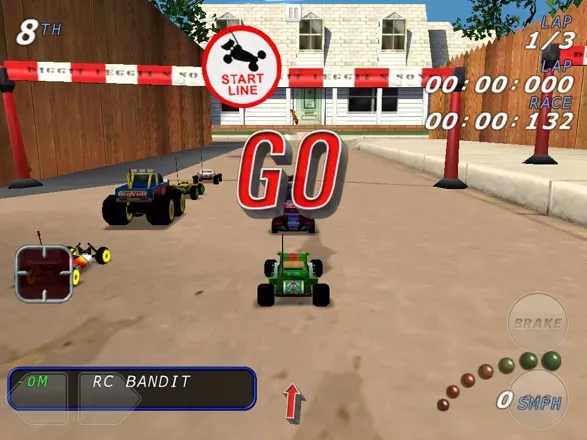
Re-Volt from 1999 is a remote-control racing game that stood out for turning everyday spaces into miniature driving arenas, a premise that gave it a distinct identity within the late-1990s arcade-racing boom. On Windows, it arrived as one of the more memorable examples of toy-scale racing, with a reputation for colorful presentation and physics-driven handling.
The game is credited to Acclaim Studios London and published by Acclaim Entertainment, with multiple regional publishing arrangements appearing later in the title’s commercial history. Documentary and database sources consistently place the original PC release in 1999, while later fan and preservation communities helped keep the game visible after Acclaim’s closure.
Gameplay & Technical Features
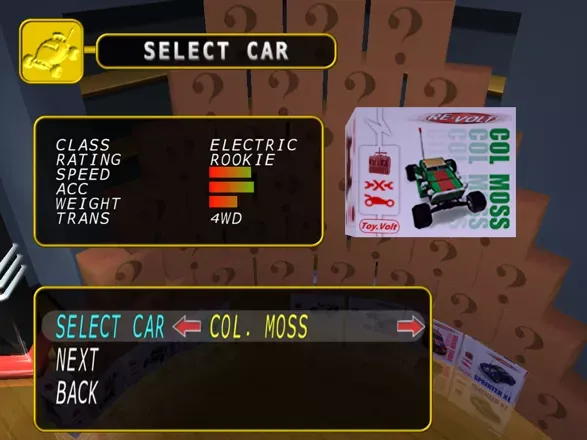
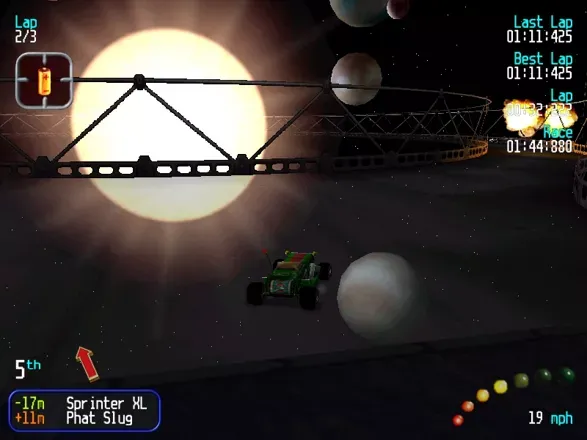
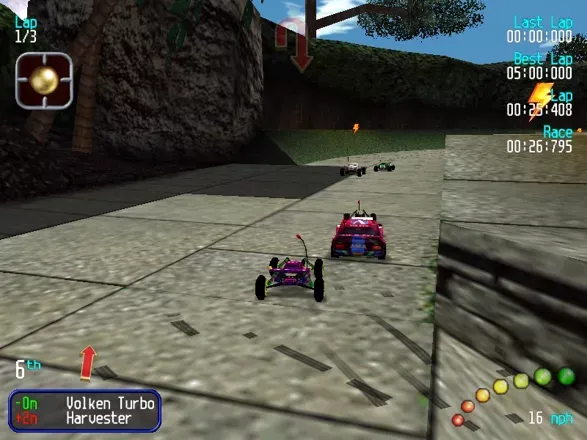
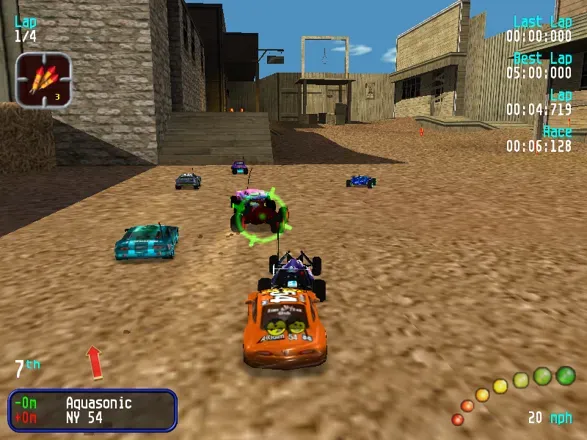
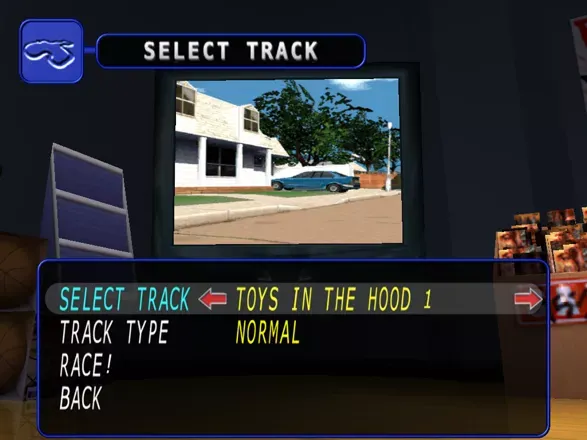
Re-Volt is an Action / Racing / Driving game built around remote-controlled cars, track racing, and weapon-based competition rather than pure simulation. Its core appeal comes from tight cornering, jump timing, and the contrast between small vehicles and oversized environments such as domestic and public locations.
On Windows, the game was designed for the Windows 95/98 era and is described as a third-person racing title with direct control, single-player and multiplayer modes, and a real-time arcade structure. Sources also note that it was intended to run on late-1990s PC hardware, with later compatibility quirks on newer versions of Windows.
Collector’s Value & Rarity
Re-Volt is generally preserved better than many late-1990s PC racers because it remained known through fan communities and later re-releases, but original retail PC copies still matter to collectors seeking period-correct software and packaging. Its value is driven more by condition, completeness, and regional edition details than by extreme rarity alone.
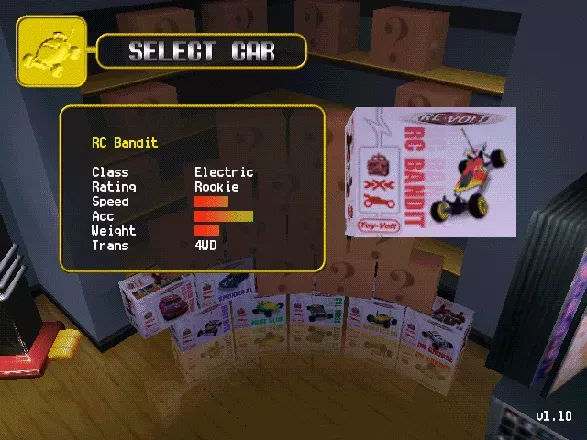
Physical sets from the era may include the original jewel case, manual, and region-specific publishing marks, with the Windows release sitting alongside versions for other platforms in the broader franchise history. Because the game had multiple publishers across territories and later licensing changes, matching the exact box art and manual to a specific region is often the key point for serious collectors.