


Historical Context & Trivia
Outcast was released in 1999 for Windows as an ambitious action game with a strong sci-fi presentation, and it is widely remembered for blending action-adventure structure with a large, explorable alien world. Its premise centers on Cutter Slade, an ex-Navy SEAL sent through a parallel-universe crisis that becomes a rescue mission for both Earth and the alien world of Adelpha.
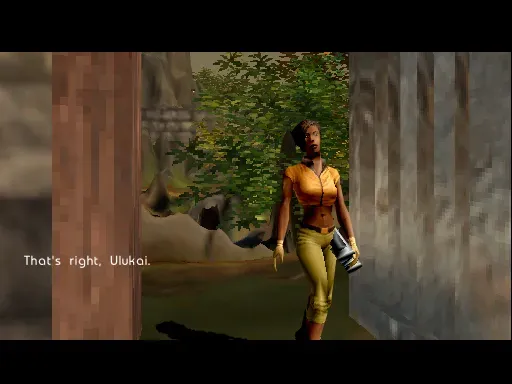
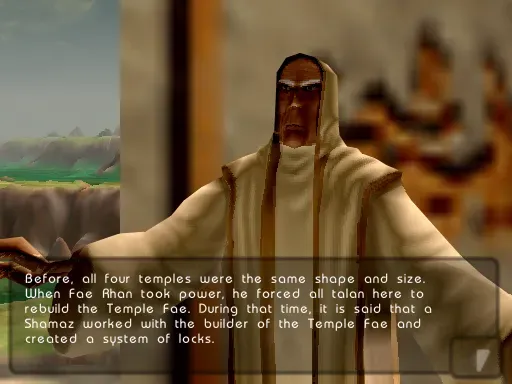
It was developed by Appeal S.A. and published by Infogrames, and contemporary coverage consistently framed it as an unusually open, story-driven PC release for its era. Reviews highlighted its lengthy FMV introduction, its world-building, and its attempt to combine action with adventure progression in a way that stood out from many late-1990s PC games.
Gameplay & Technical Features
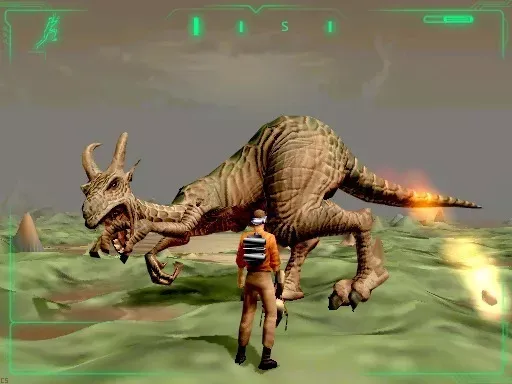
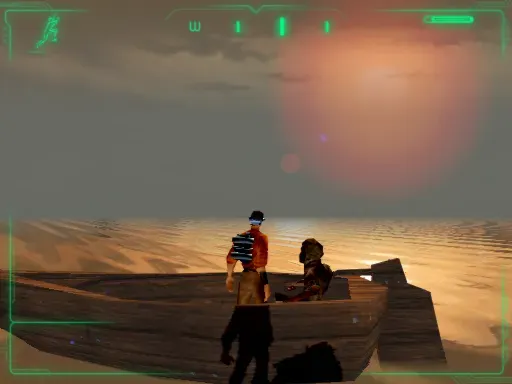
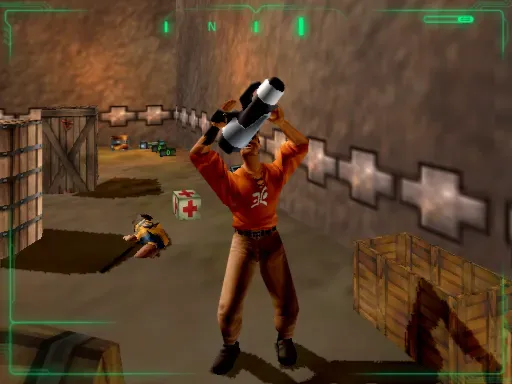
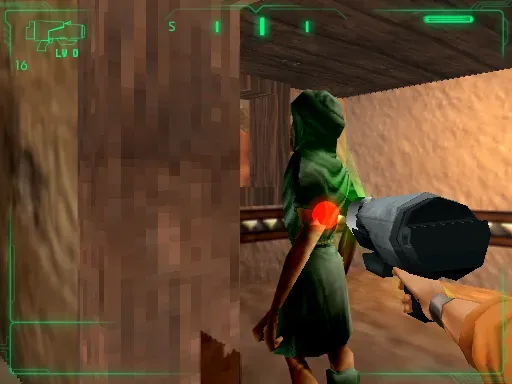
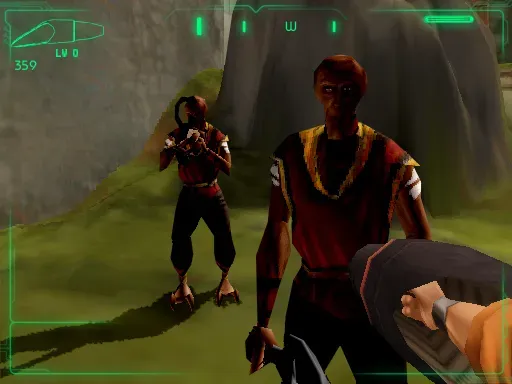
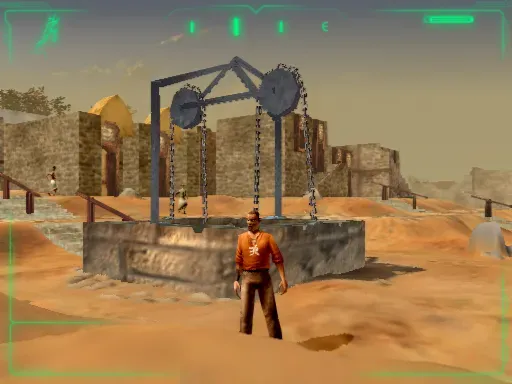
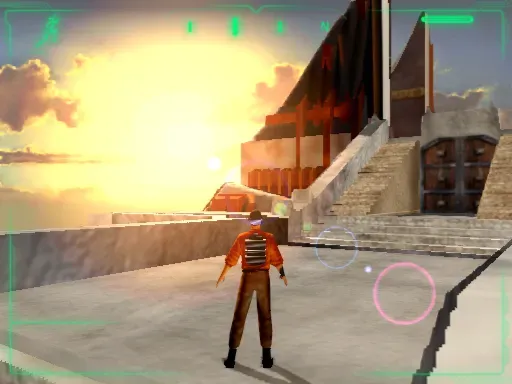
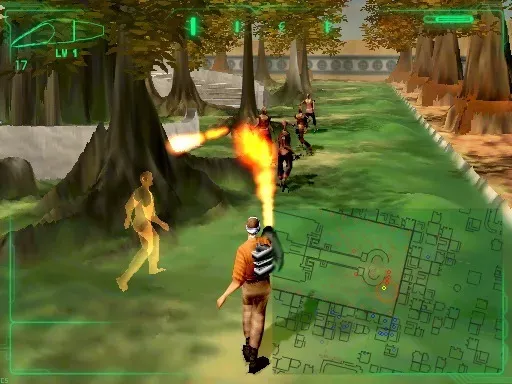
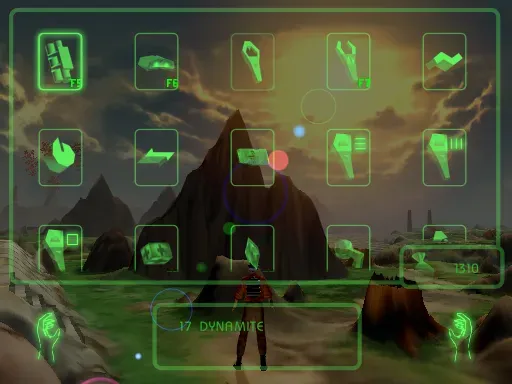
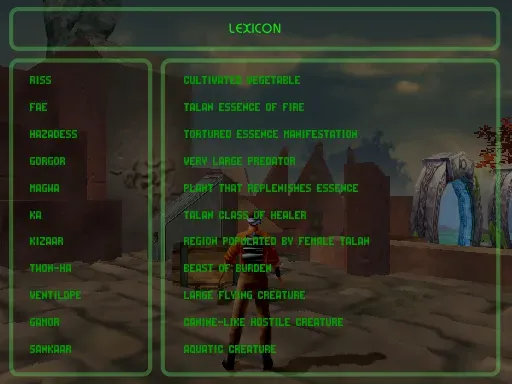
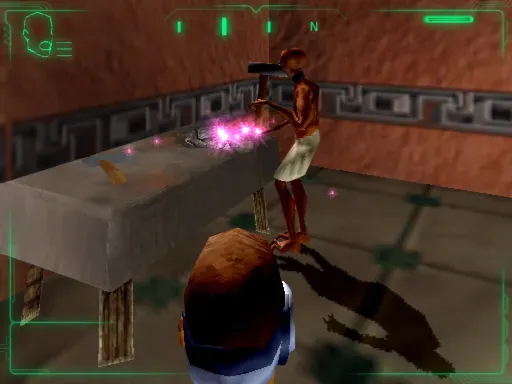
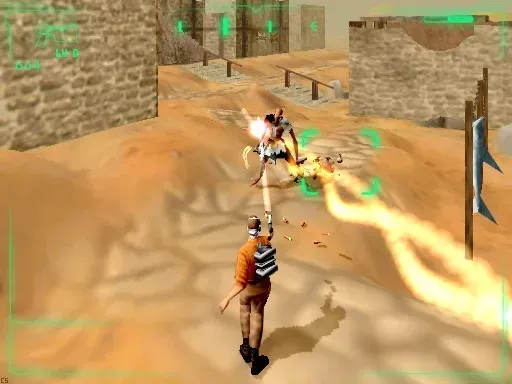
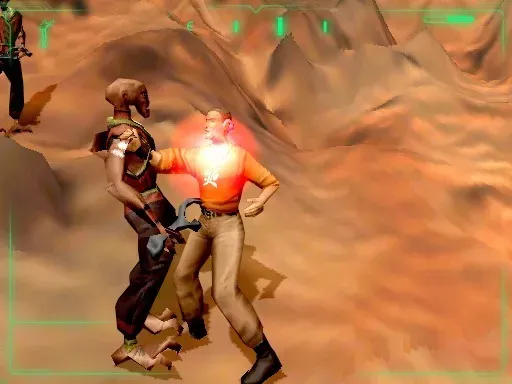
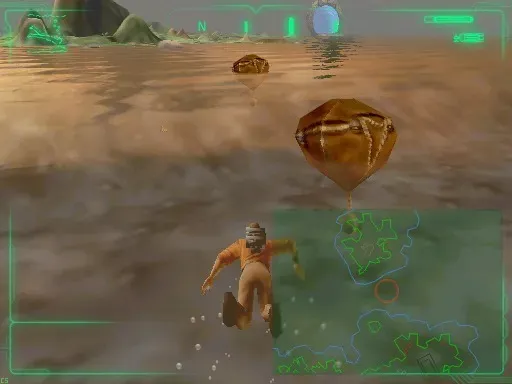
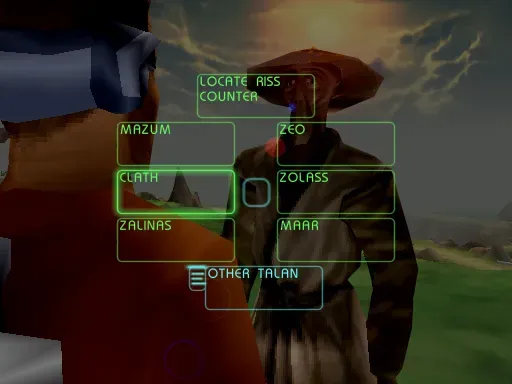
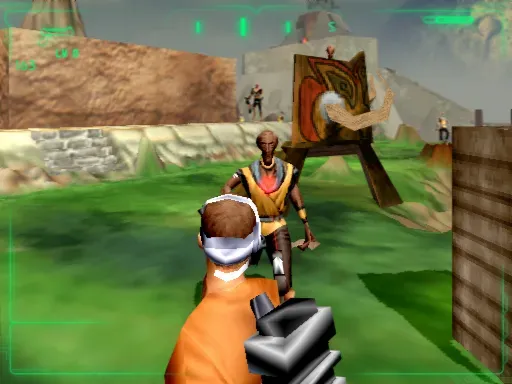
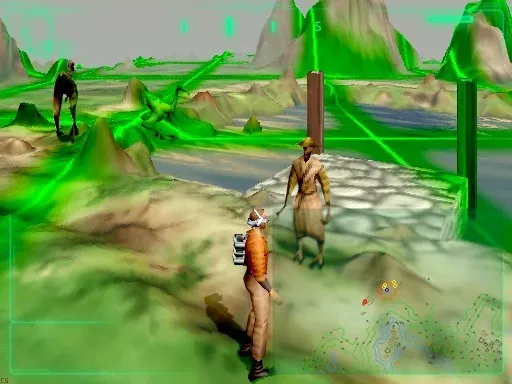
Outcast is built around third-person exploration, combat, and objective-driven progression, with the player traveling across different regions of Adelpha while gathering sacred objects and helping local factions. The structure mixes shooting, conversation, and quest solving rather than relying on pure combat alone, which is why it is often described as an action-adventure rather than a straightforward shooter.
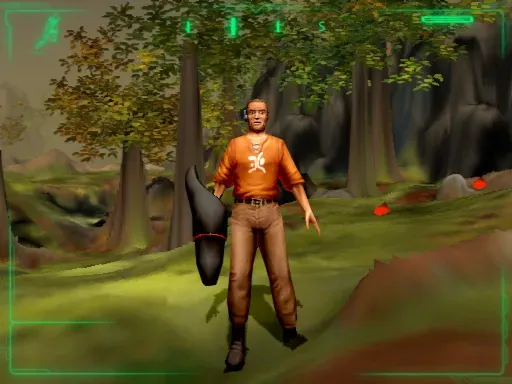
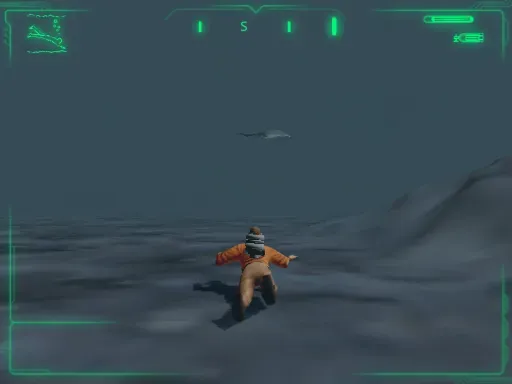
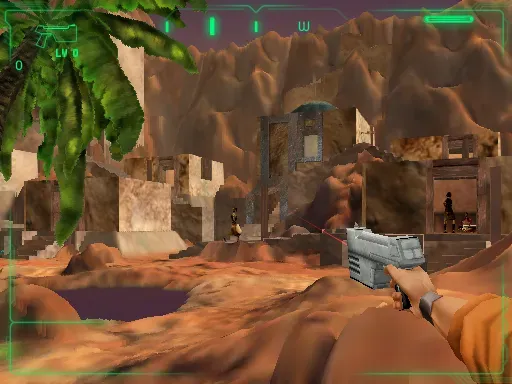
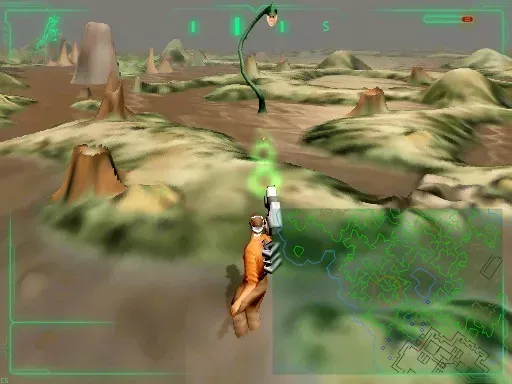
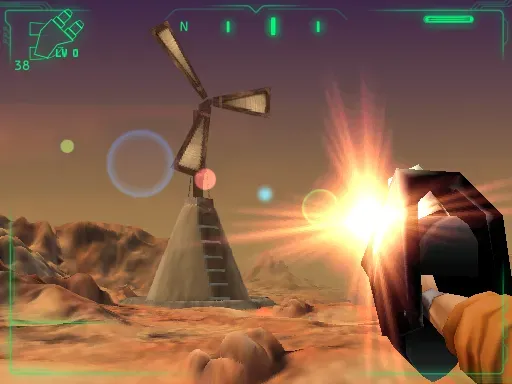
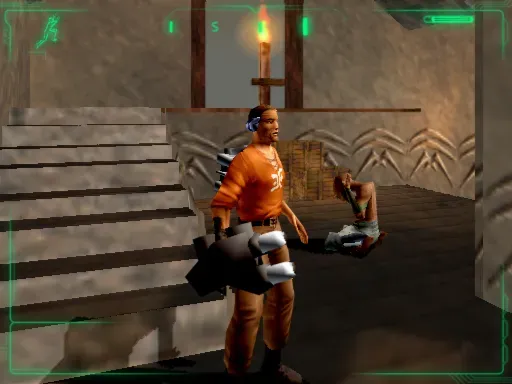
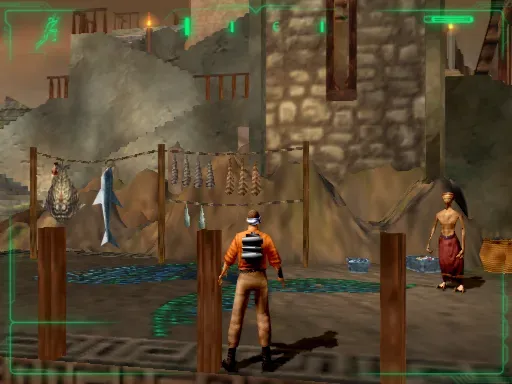
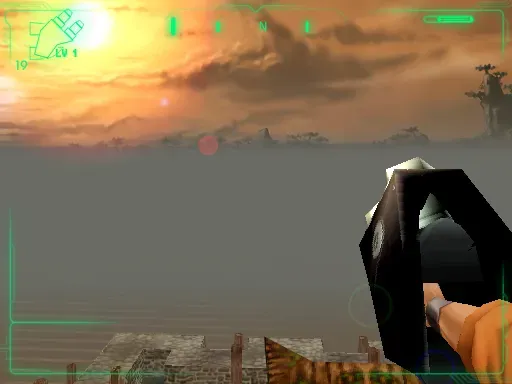
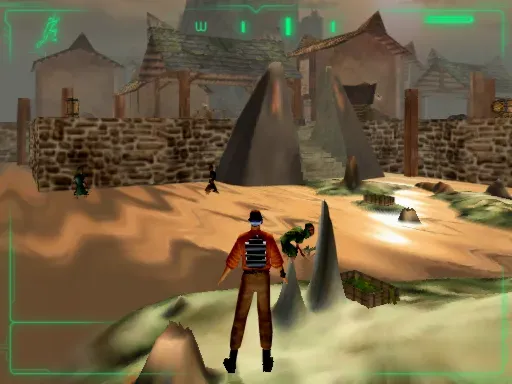
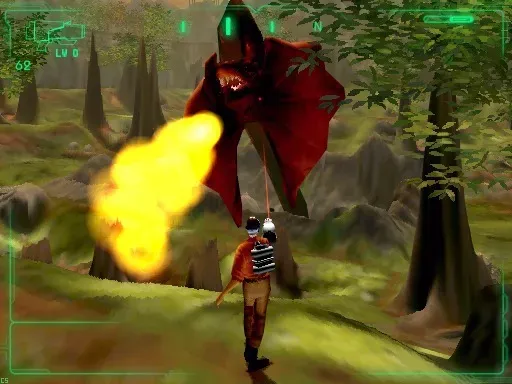
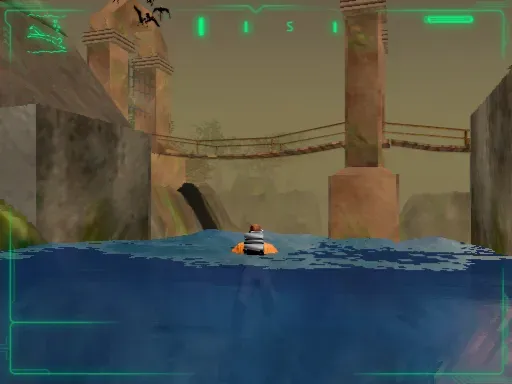
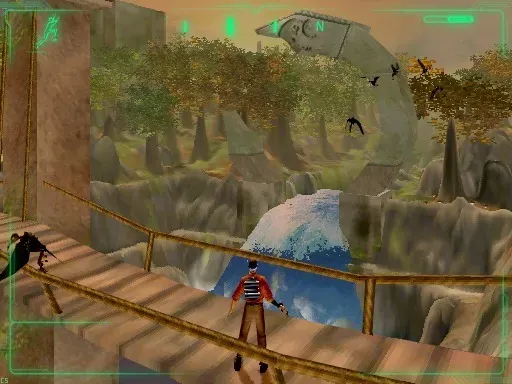
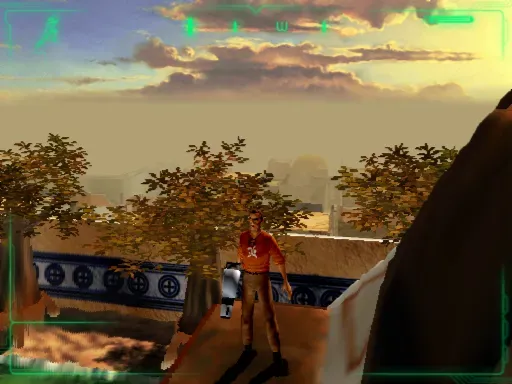
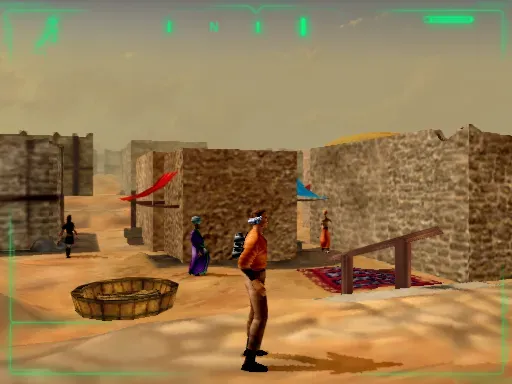
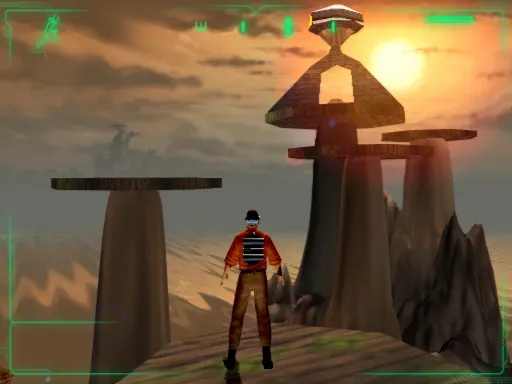
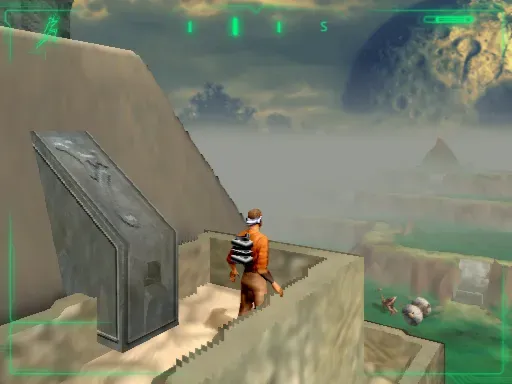
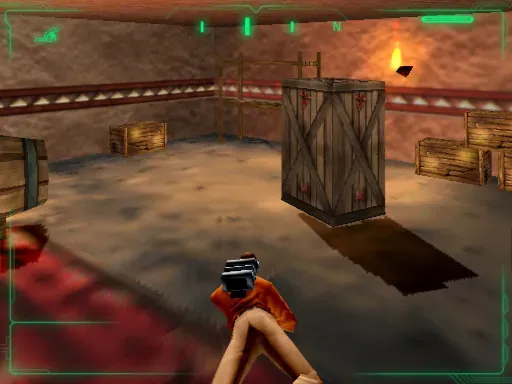
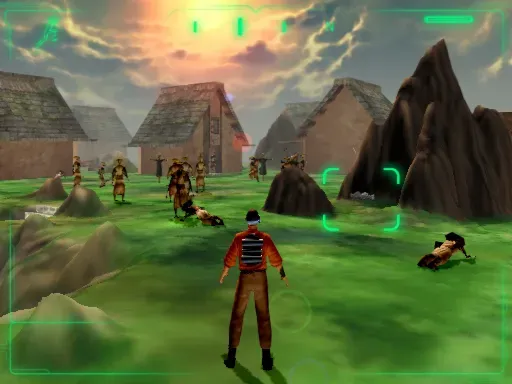
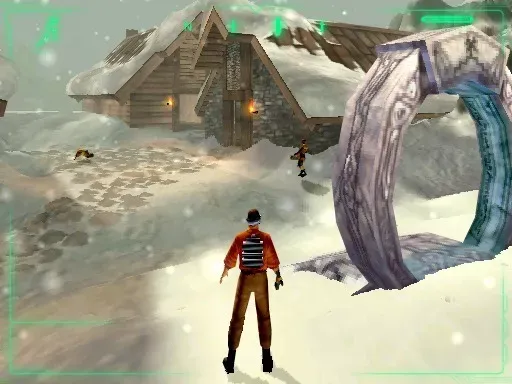
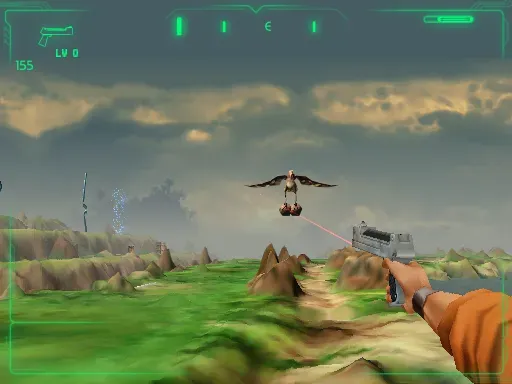
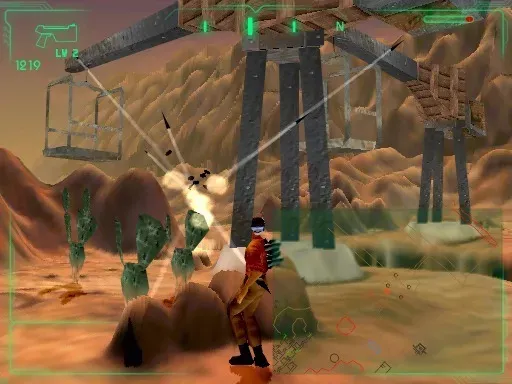
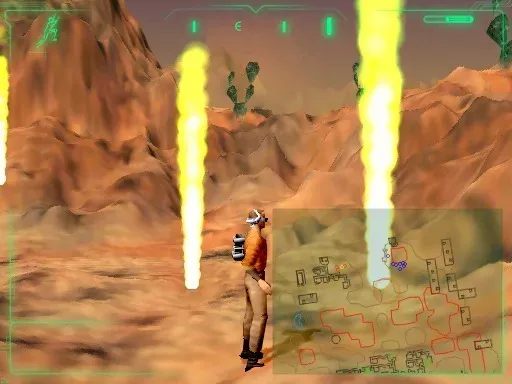
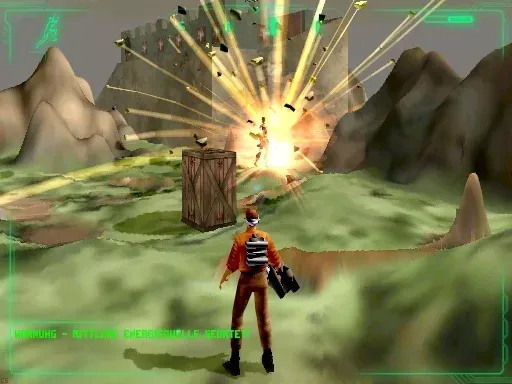
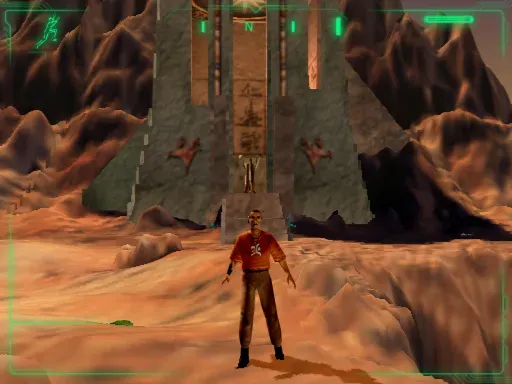
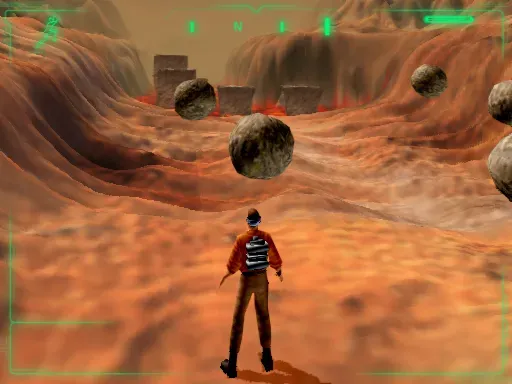
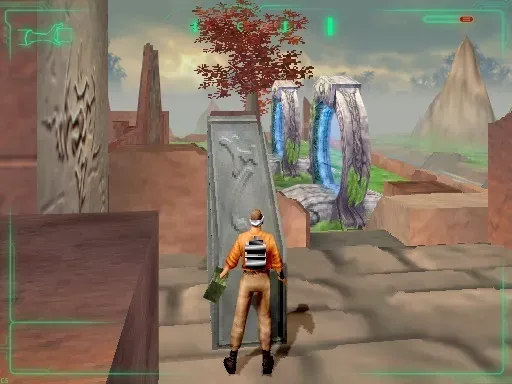
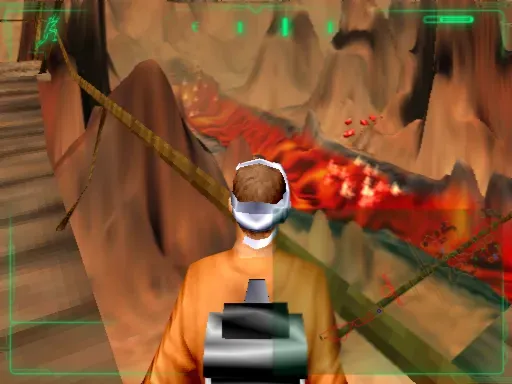
On Windows, the game’s technical identity was defined by its distinctive voxel-based presentation and unusually expansive environments for the time, giving it a look and sense of scale that reviewers found memorable. Its FMV intro, alien landscapes, and orchestral-style presentation helped reinforce the sci-fi mood, while later commentary noted that the original resolution and performance characteristics were unusually demanding for modern displays without later updates.
Collector’s Value & Rarity
Outcast is generally regarded as a cult title rather than a mass-market blockbuster, and its preservation profile reflects that status. Later retrospectives describe it as commercially disappointing but creatively influential, which typically increases interest among collectors who focus on landmark PC experiments and ambitious late-1990s European releases.
Physical interest is strongest when the original Windows release includes complete packaging, manuals, and any regional edition material from Infogrames. Because the game later received updates and remasters, collectors often distinguish the original 1999 release from later reissues and compatibility revisions, especially when preserving the first retail configuration and its printed collateral.