






Historical Context & Trivia
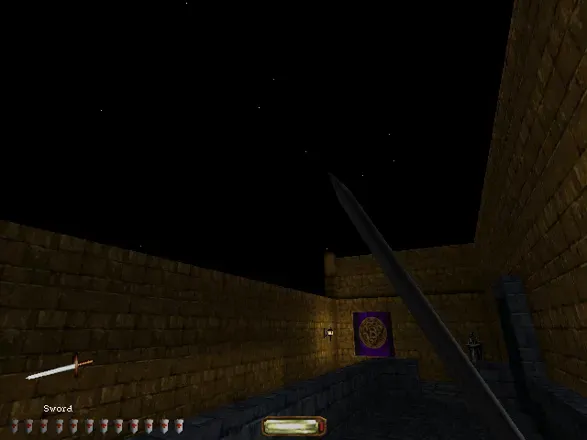
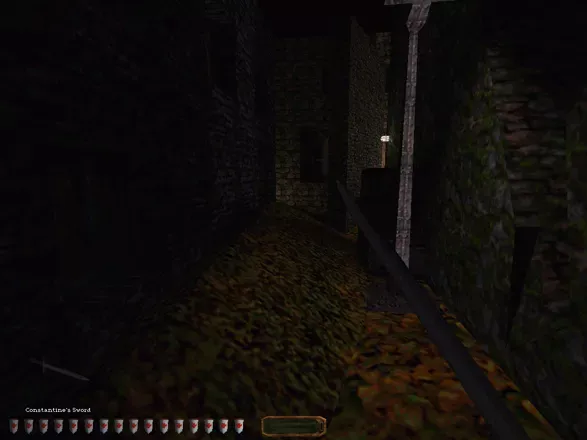
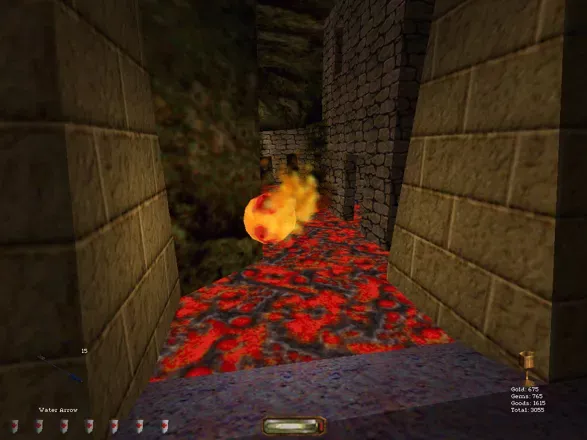
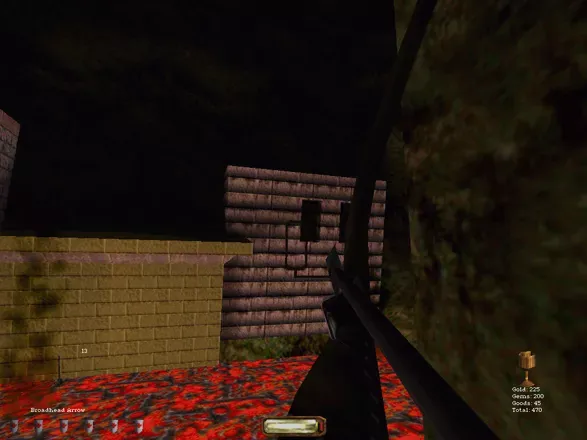
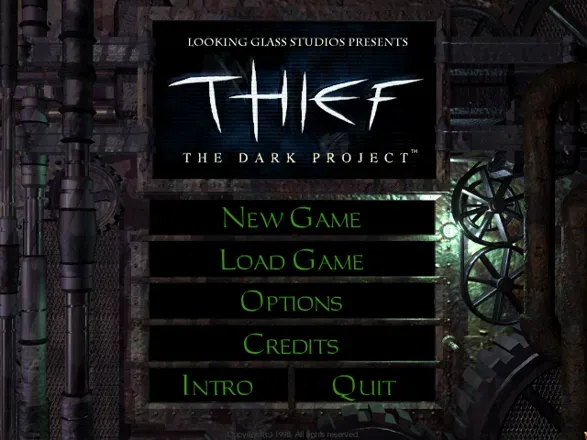
Thief: The Dark Project from 1998 is a landmark stealth game for Windows, developed by Looking Glass Studios and published by Eidos Interactive. It is widely recognized as an early, highly influential first-person stealth title that helped define the genre’s modern design language through its emphasis on shadow, noise, and avoidance rather than direct combat.
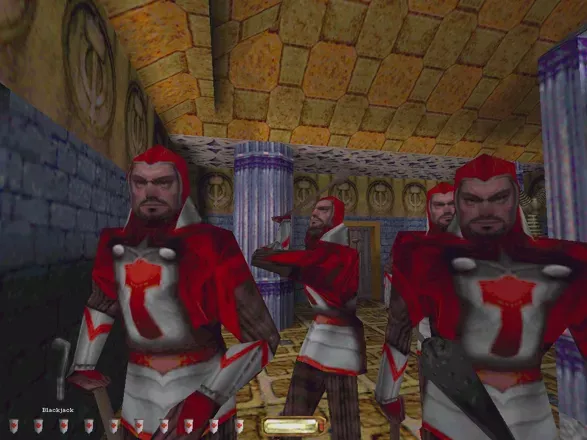
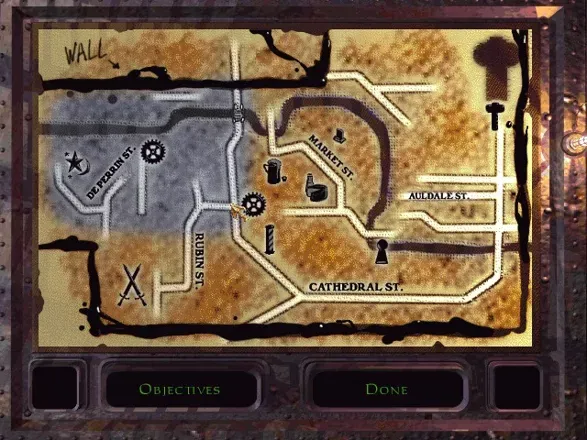
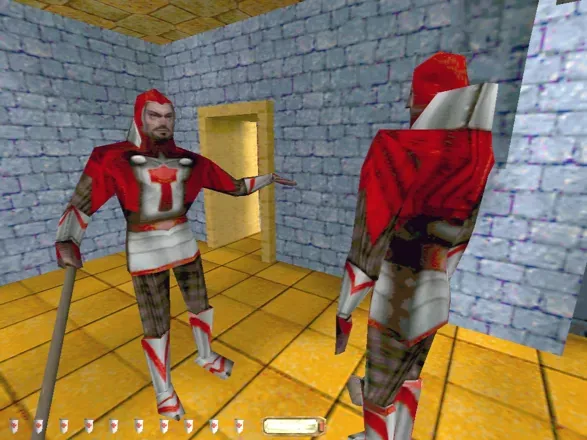
The game places Garrett in a fantasy city built around a steampunk and medieval atmosphere, and it is tied to the broader legacy of Looking Glass’s simulation-driven design philosophy. Sources describe it as using light and sound as core gameplay systems, with emergent interactions supported by complex AI and the Dark Engine.
Gameplay & Technical Features
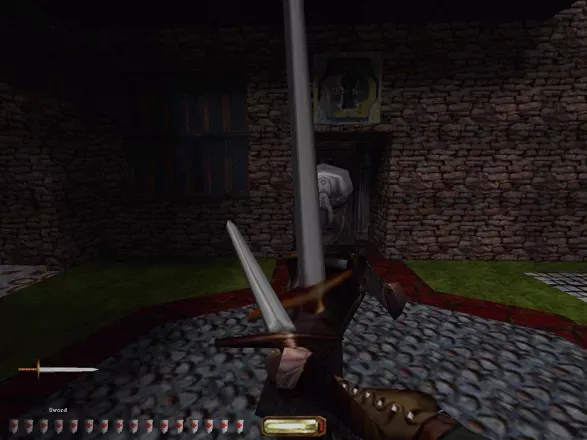
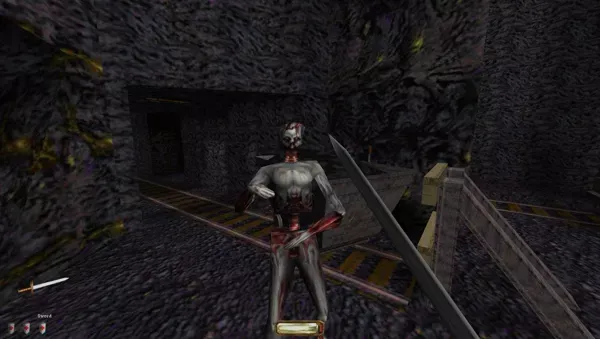
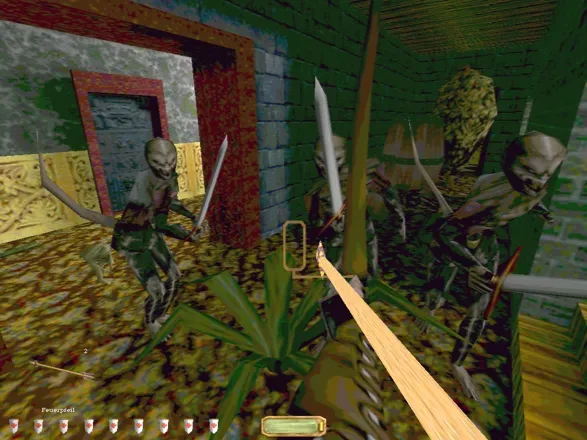
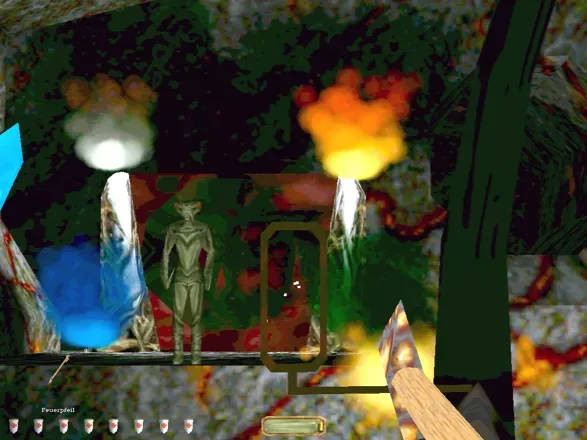
As an action title in practice, Thief: The Dark Project plays as a first-person stealth experience where success depends on staying concealed, reading patrol routes, and using tools to bypass or distract enemies. The core loop revolves around infiltration, theft, and mission objectives that reward patience and observation over open confrontation.
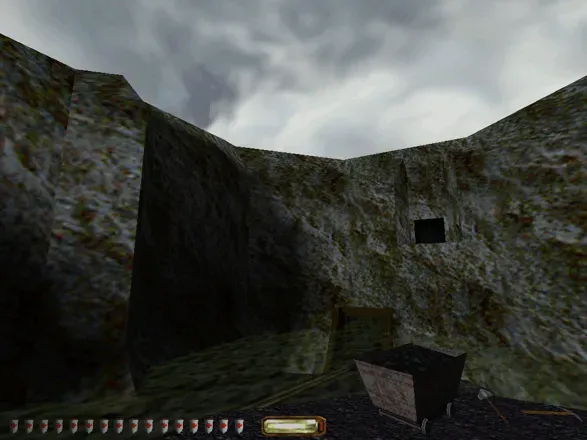
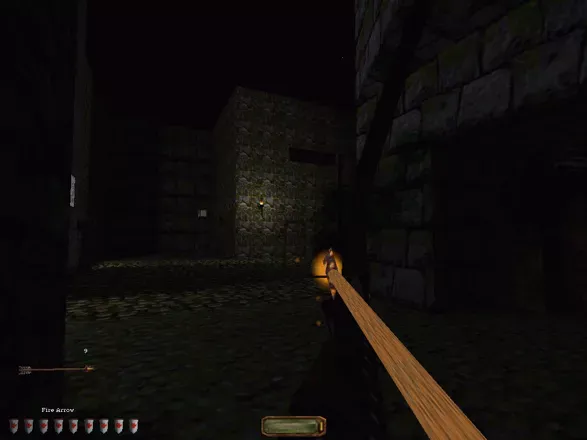
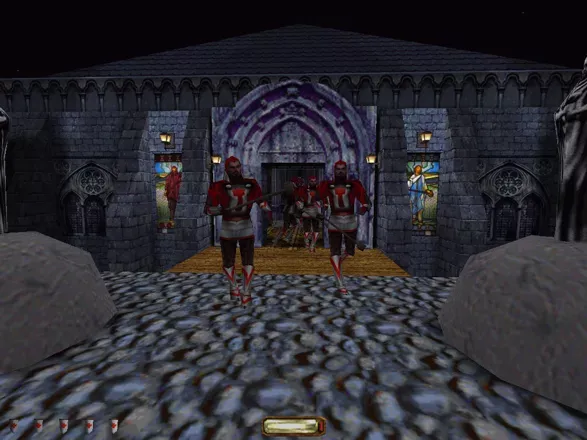
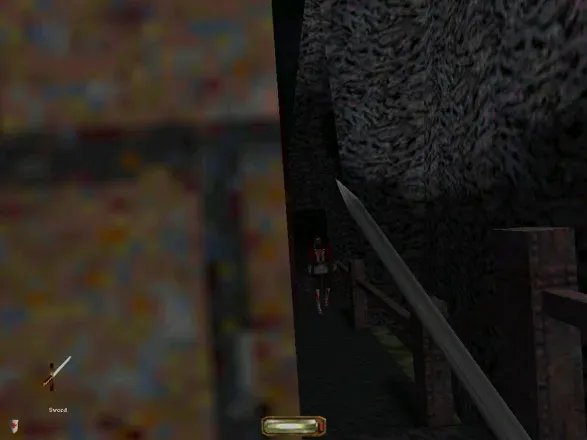
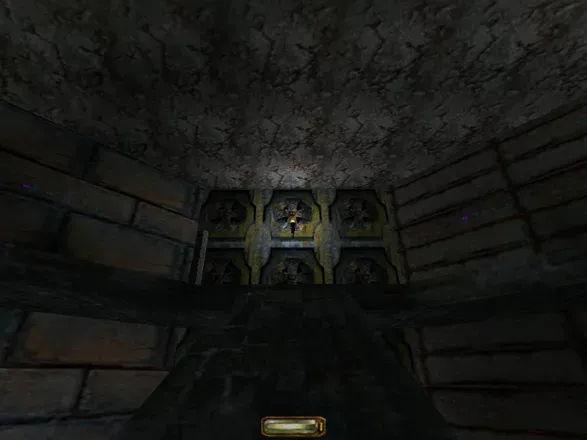
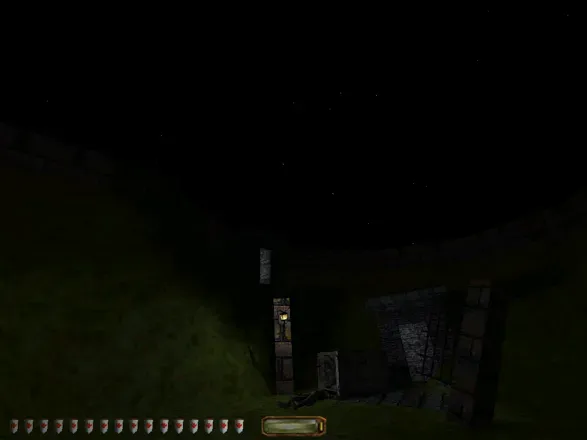
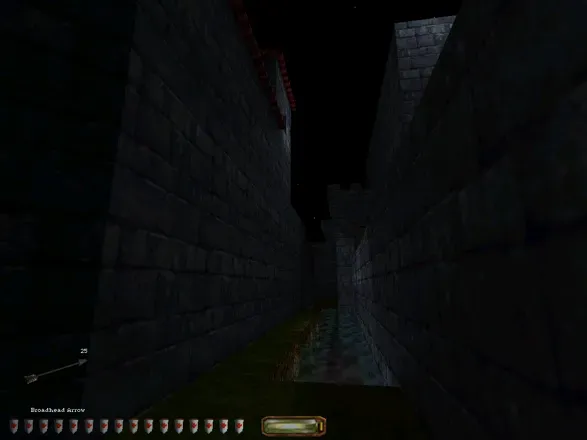
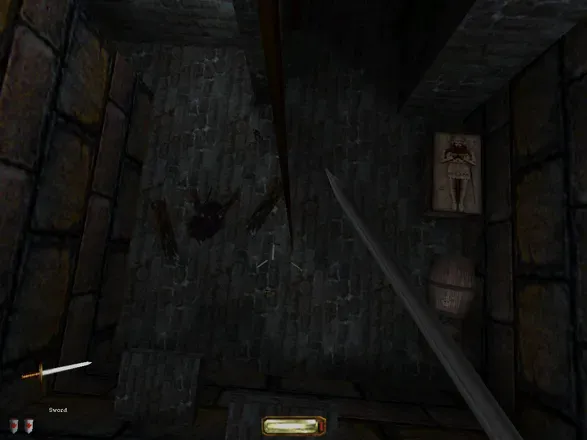
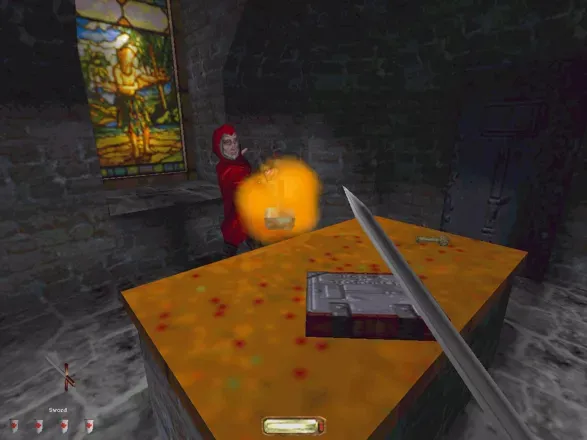
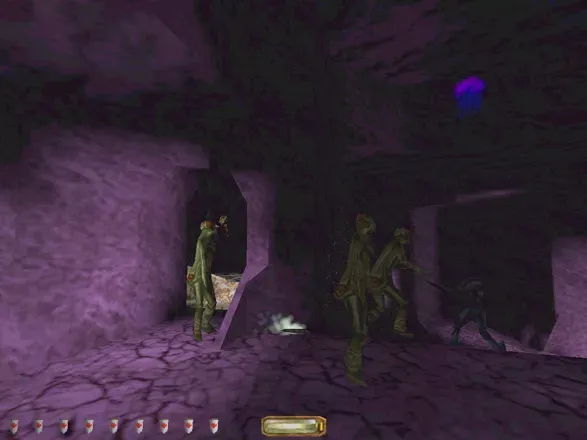
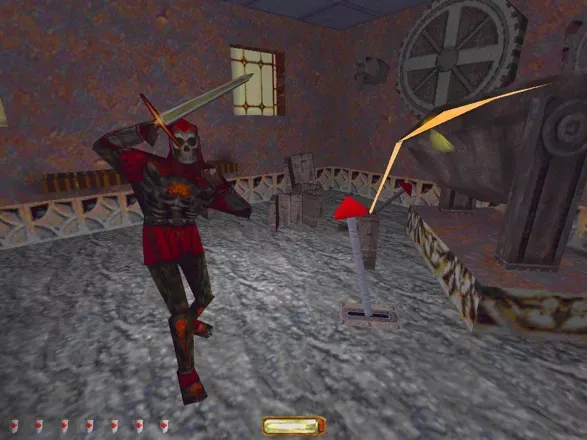
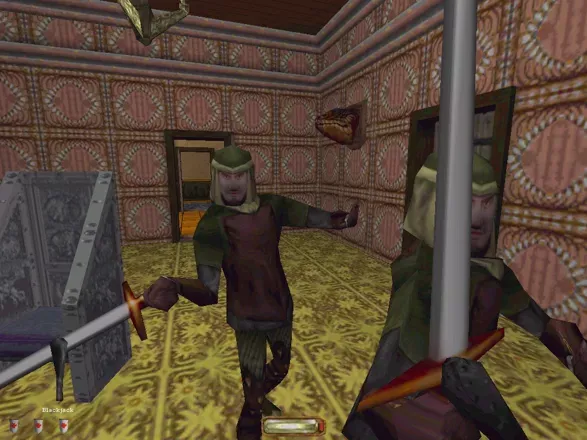
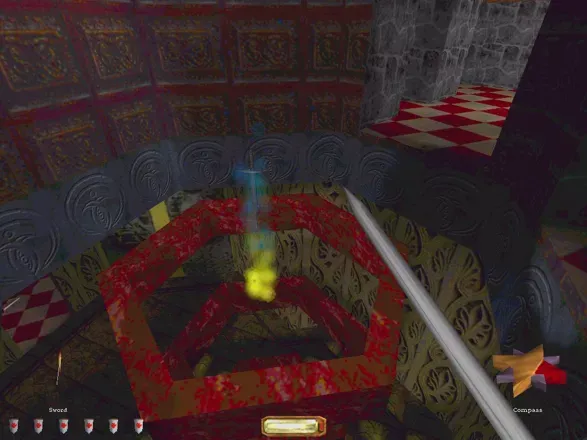
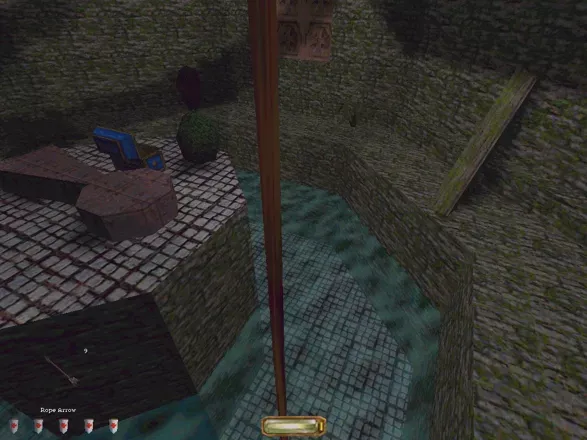
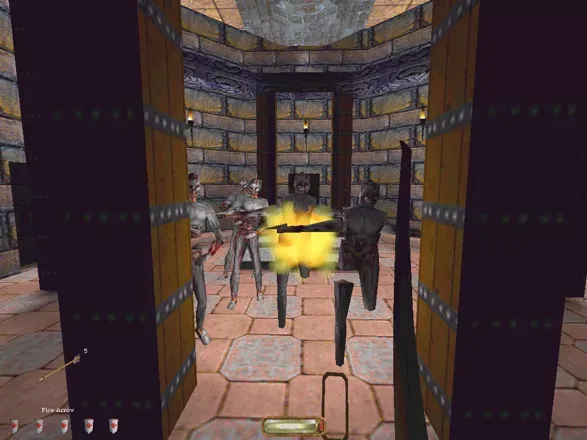
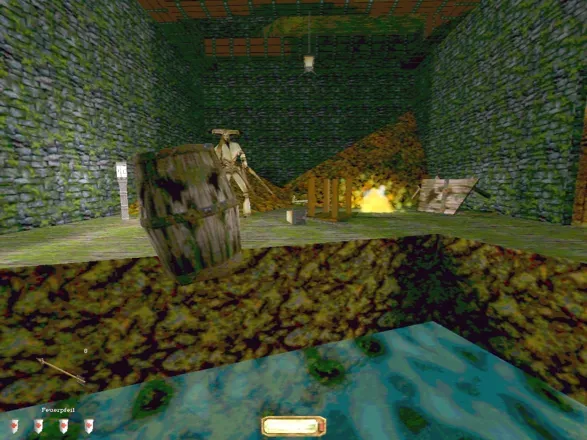
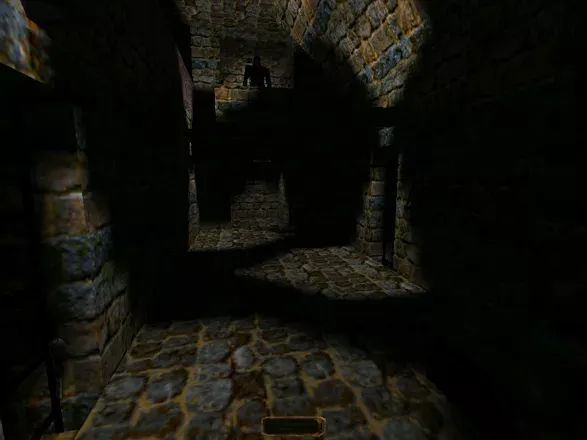
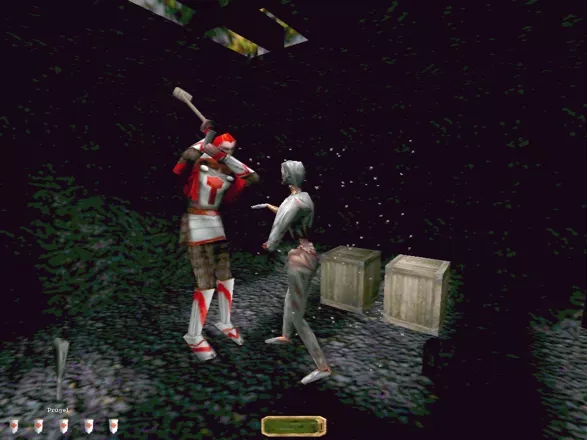
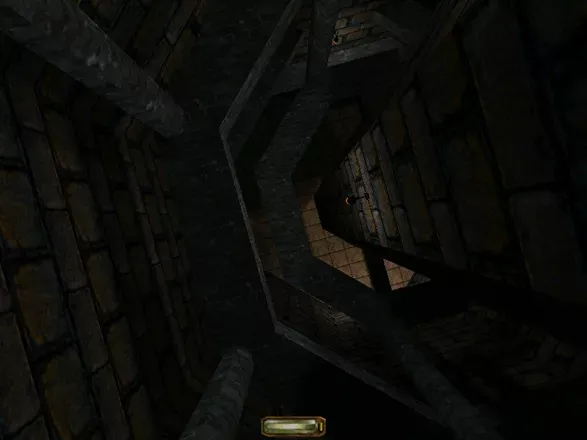
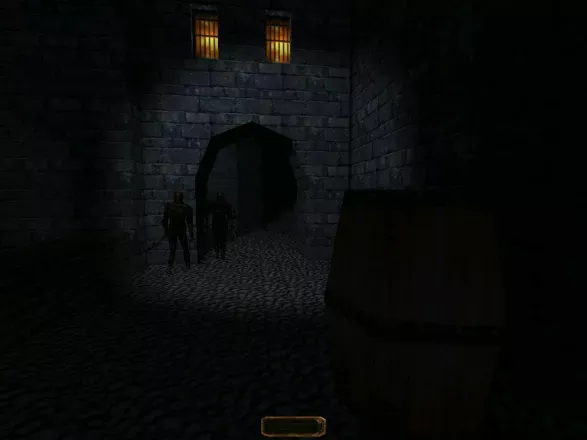
On Windows, the game was built for the Dark Engine and is known for combining atmospheric lighting, directional audio cues, and simulation-heavy systems to create tense stealth scenarios. Its visual identity blends dark interiors, candlelit spaces, and industrial-fantasy architecture, while the audio design makes footsteps, surfaces, and enemy awareness mechanically significant.
Collector’s Value & Rarity
From a preservation standpoint, the original 1998 release is less commonly encountered than the expanded Thief Gold edition, which is described as the more widely available version and the one sold on digital stores. That makes original retail copies of Thief: The Dark Project more notable to collectors, especially when complete and in good condition.
Because the game was released across multiple regional publishing arrangements, physical editions can vary by territory and distributor branding. Collectors typically pay close attention to original inserts, manuals, and box art, since later re-releases and localized editions may differ in packaging and included collateral.