

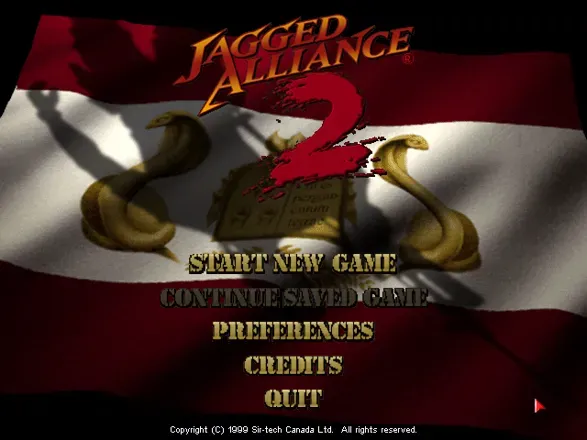
Historical Context & Trivia
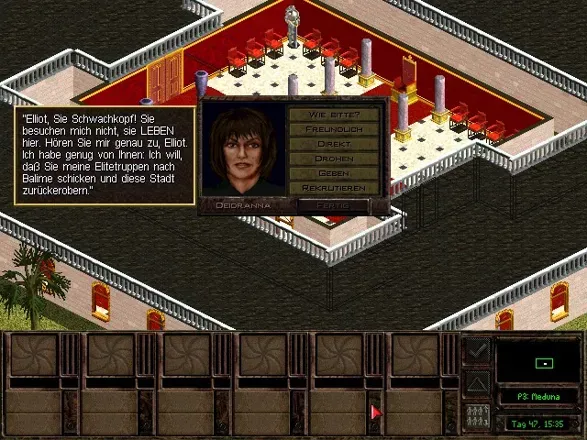
Jagged Alliance 2 (1999) is a widely recognized tactical role-playing and turn-based strategy classic set in the fictional country of Arulco, where a mercenary squad is hired to overthrow Queen Deidranna. It is the third entry in the Jagged Alliance series and became one of the most respected squad-level strategy games of its era.
The game was developed by Sir-Tech Canada Ltd. and released for Windows with TalonSoft as the primary publisher in the English market; other regional publishers handled distribution in Europe and elsewhere. Sources also note that the series continued with official add-ons such as Unfinished Business and the standalone expansion Wildfire, which reinforces JA2’s long-lived position within the franchise.
Gameplay & Technical Features
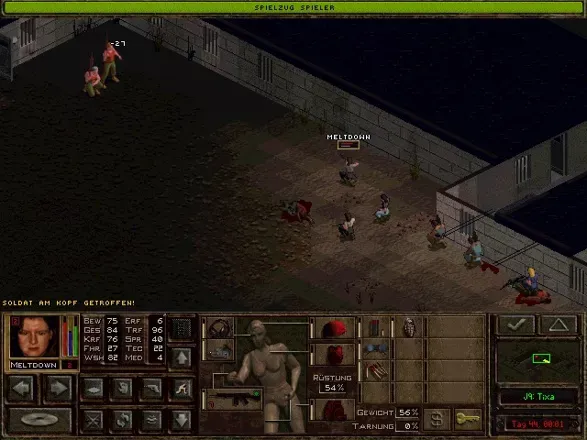
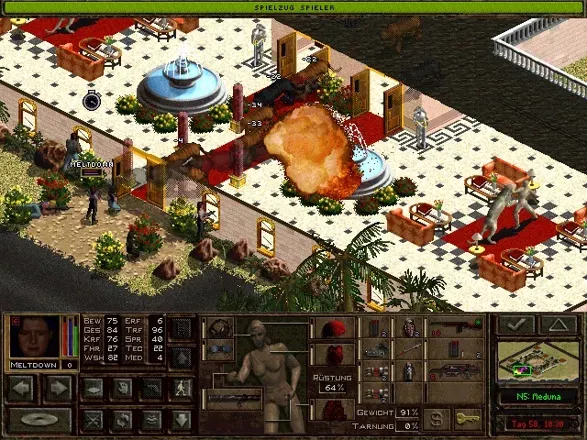
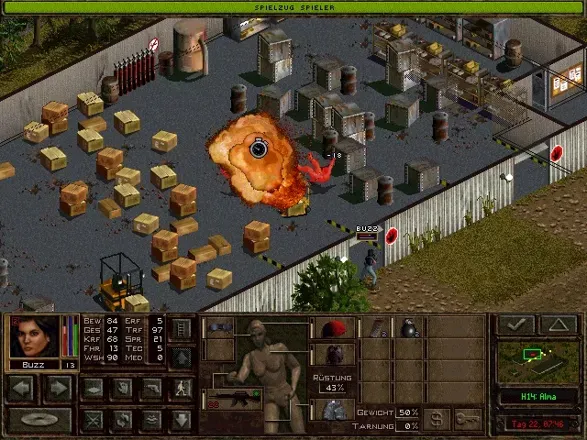
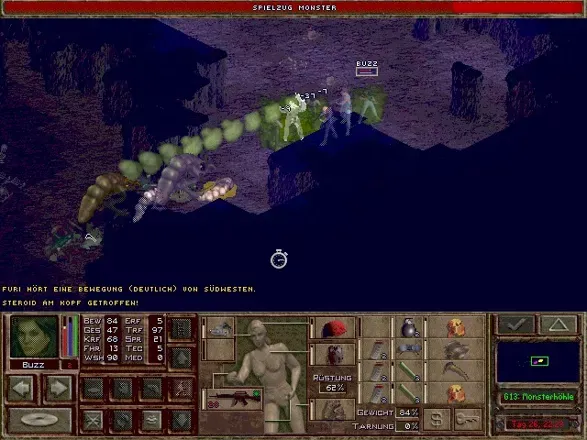
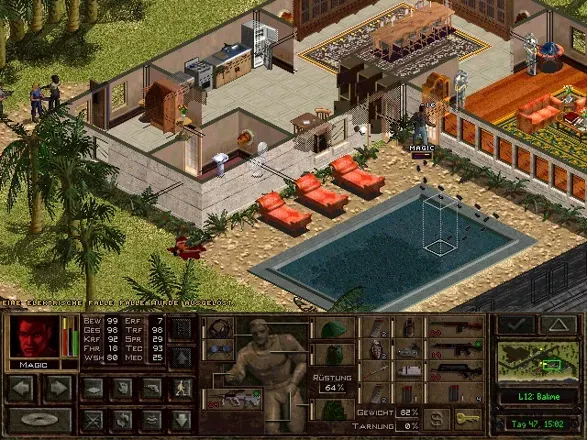
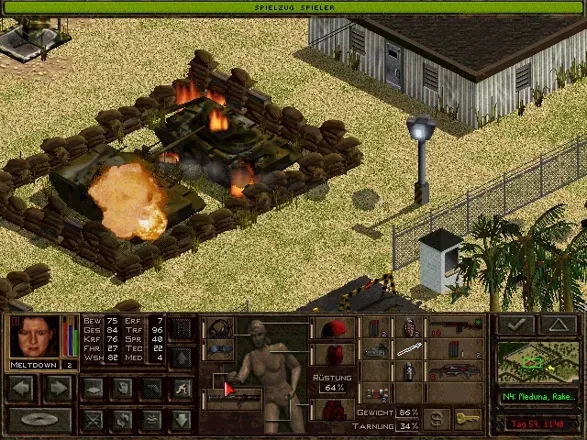
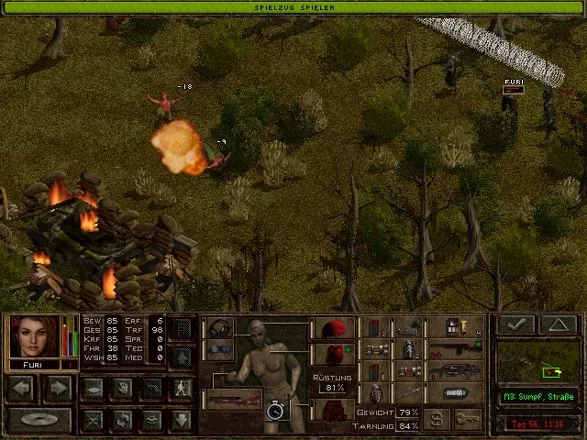
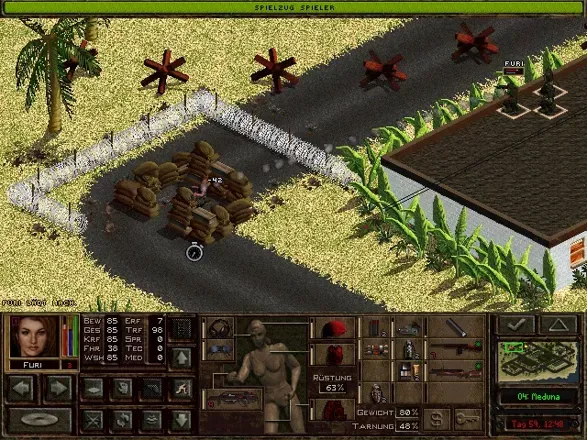
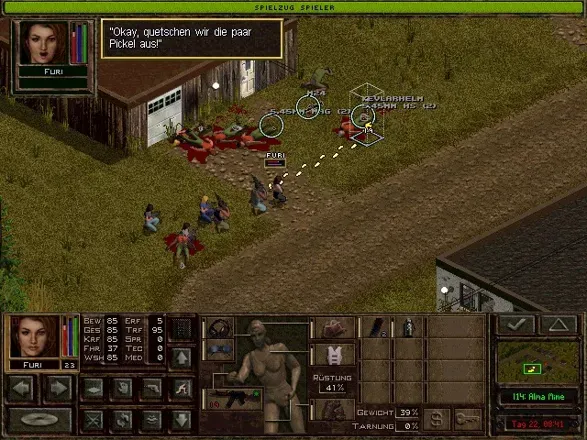
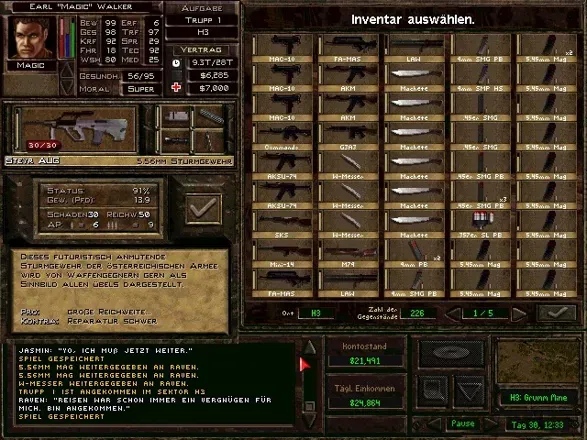
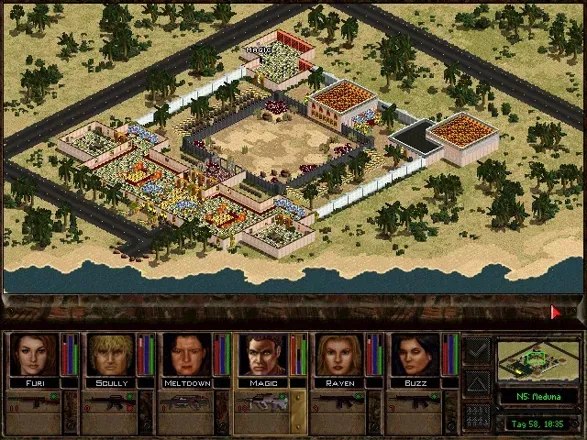
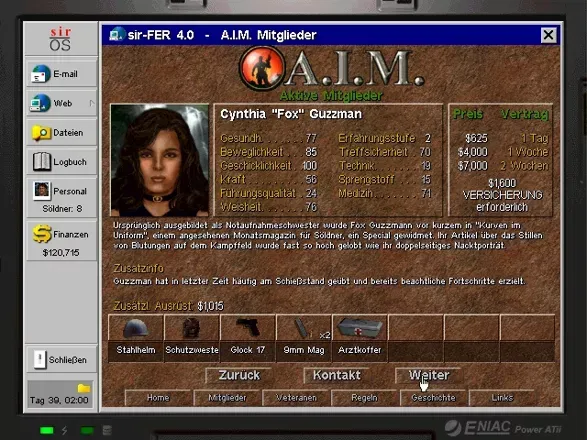
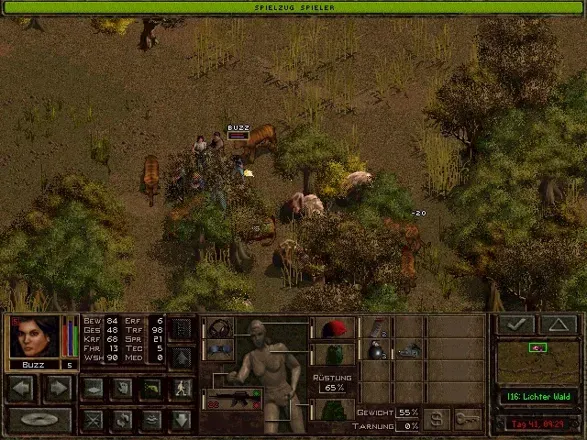
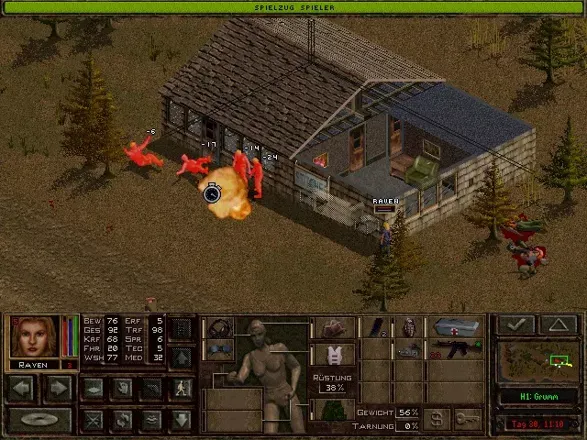
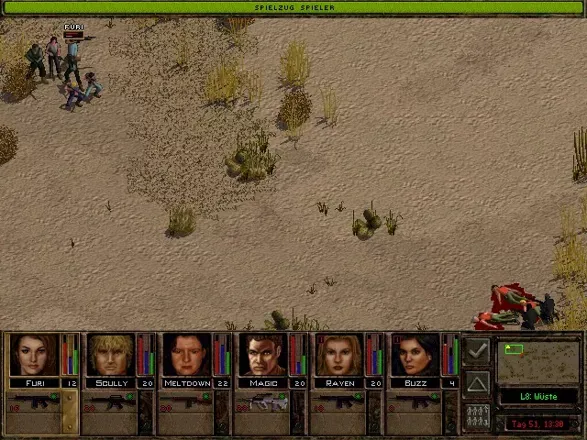
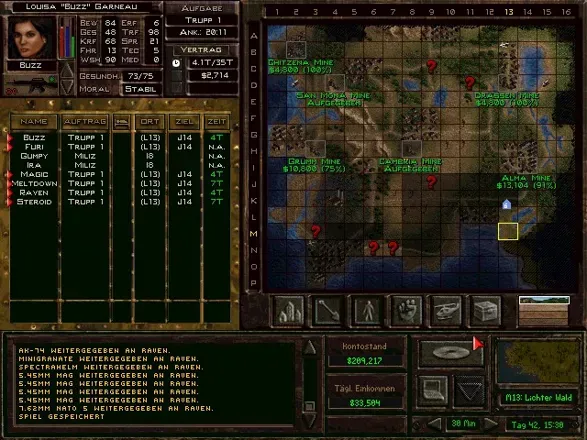
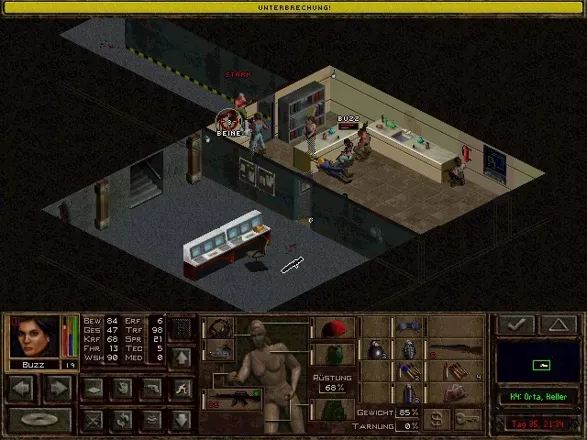
Jagged Alliance 2 blends squad-based tactical combat with RPG systems, centering on mercenary recruitment, money management, territory control, and turn-based mission planning. Its structure rewards careful positioning, character skills, and equipment management rather than simple run-and-gun play.
On Windows, the game used a native PC-oriented presentation with isometric visuals and a design built around mouse-driven interface management, fitting the late-1990s DirectX era of tactical PC gaming. The game’s audiovisual identity is supported by mature themes, a modern military setting, and a detailed mercenary cast rather than sci-fi spectacle, which matches its grounded contemporary-war tone.
Collector’s Value & Rarity
Jagged Alliance 2 is generally preserved as a sought-after PC tactical classic rather than an ultra-rare obscurity, and its market value is driven more by demand from strategy collectors than by extreme scarcity. The game’s lasting reputation, frequent re-releases, and enduring community attention have made it easier to preserve than many late-1990s PC releases.
Physical editions can vary by region and publisher, with documentation pointing to TalonSoft and regional distributors such as TopWare Interactive in Poland. Collectors often value complete boxed copies with manuals and original collateral because late-1990s PC releases commonly shipped with printed reference material and packaging variants tied to specific territories.