

Historical Context & Trivia
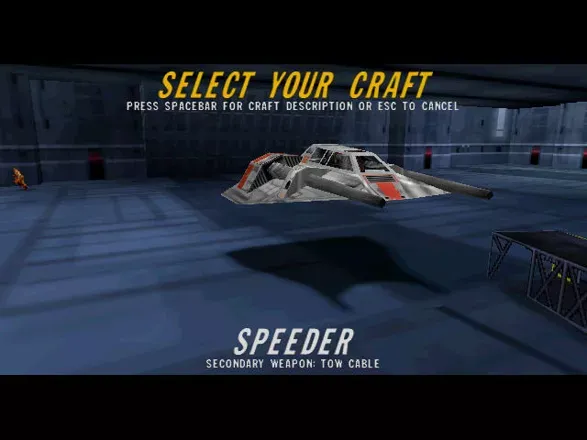
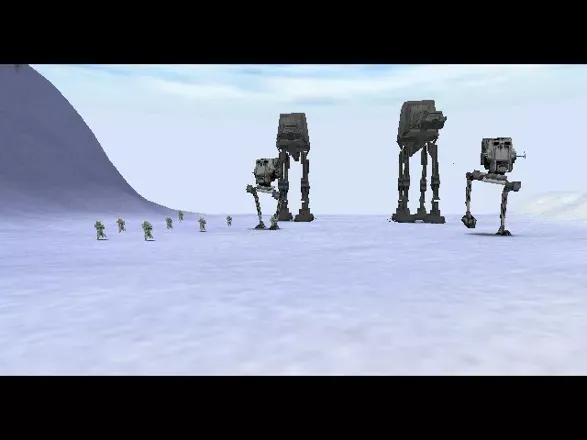
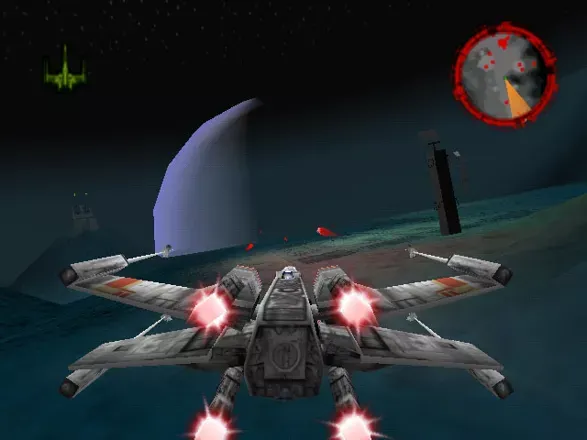
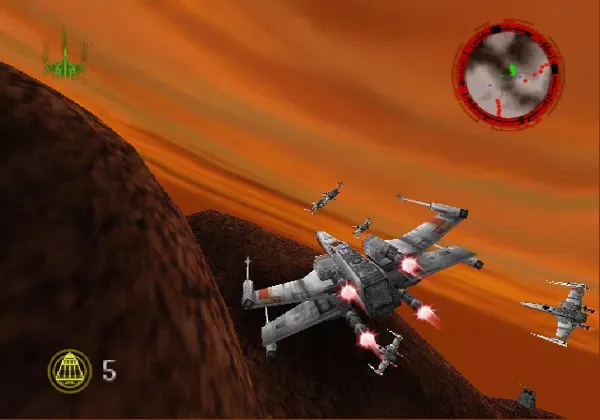
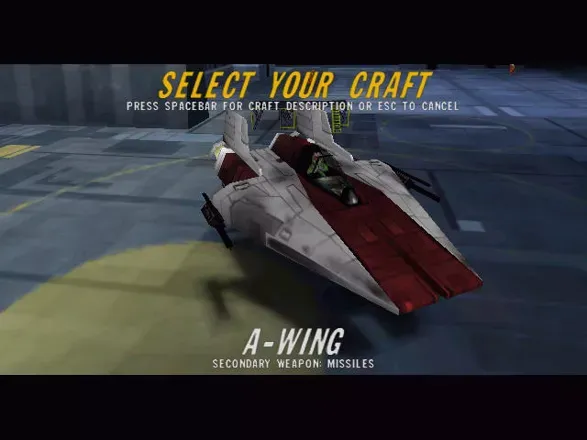
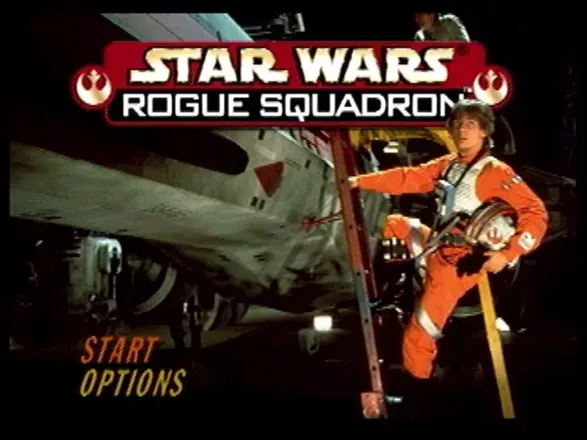
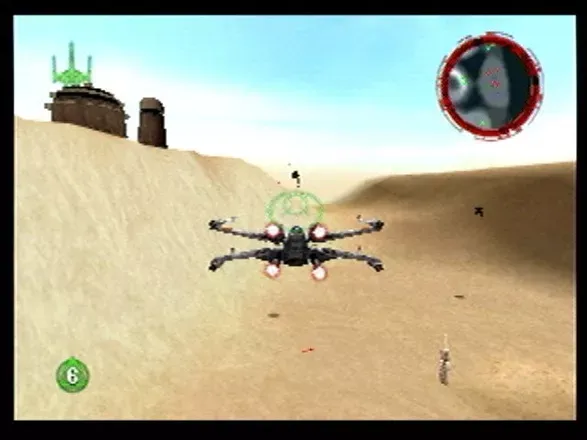
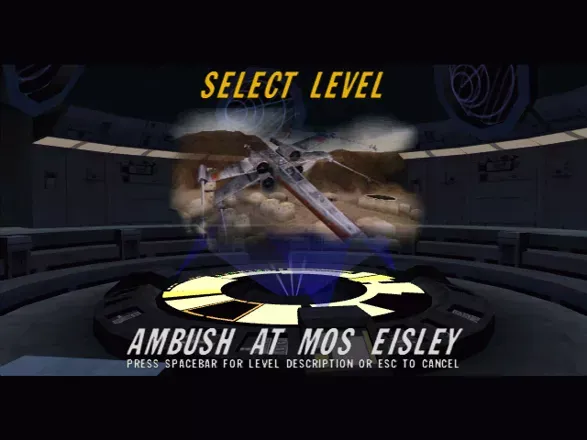
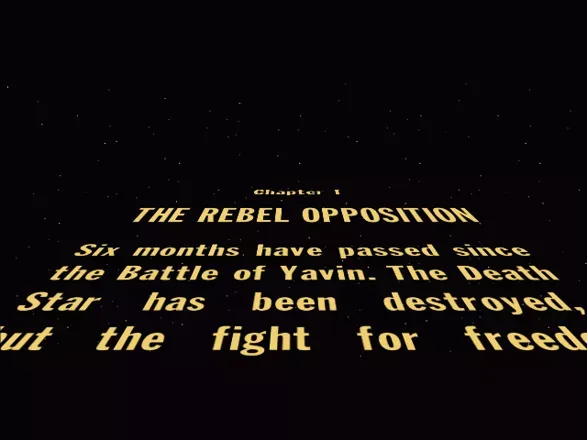
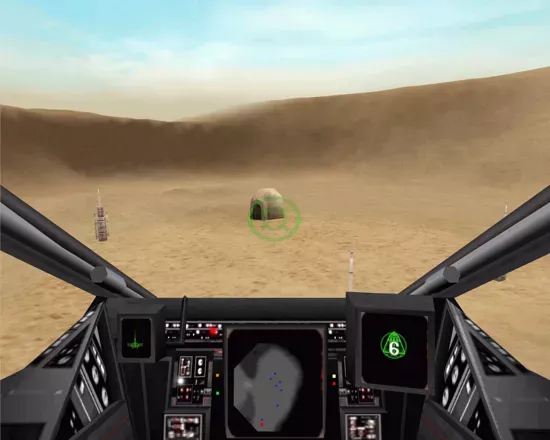
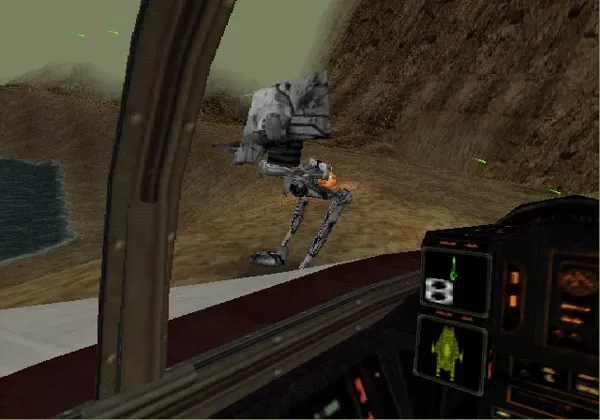
Star Wars: Rogue Squadron 3D is the PC-facing naming of Star Wars: Rogue Squadron, a 1998 arcade-style flight-action game set in the Star Wars universe and co-developed by Factor 5 and LucasArts; on Nintendo 64, it is the same core release rather than a separate game. It opened the Rogue Squadron trilogy and was positioned around the era between A New Hope and The Empire Strikes Back, which gave it a recognizable place in the franchise’s expanded game history.
The game was published by LucasArts on PC and by Nintendo on the Nintendo 64, reflecting a high-profile collaboration for the era. Reference listings also note multiple regional release dates in late 1998 and early 1999, which is consistent with its staggered launch across territories.
Gameplay & Technical Features
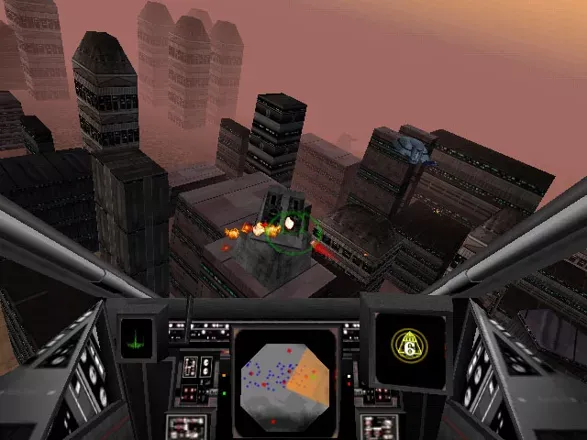
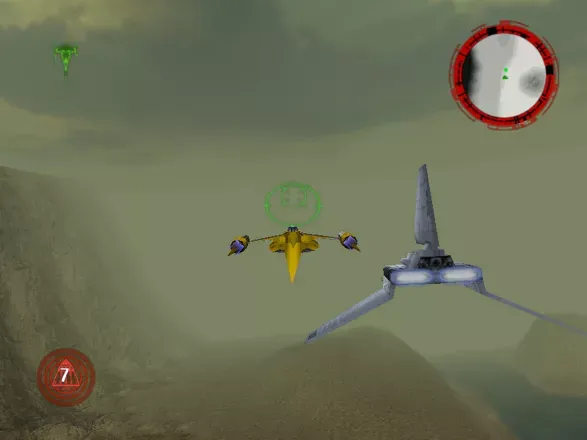
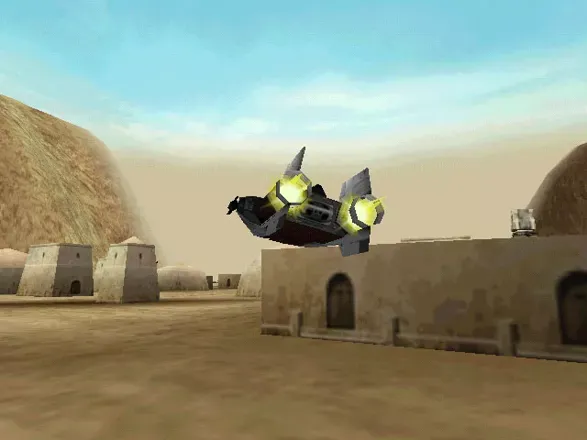
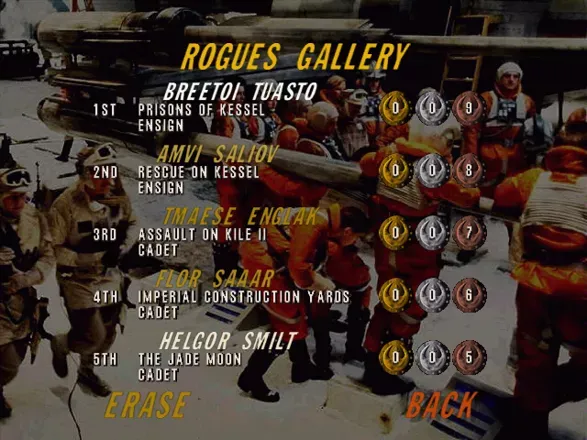
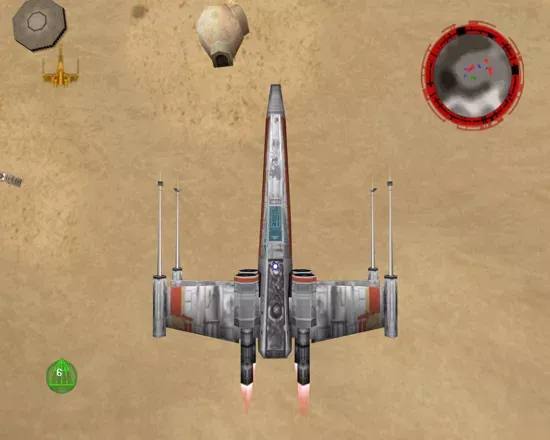
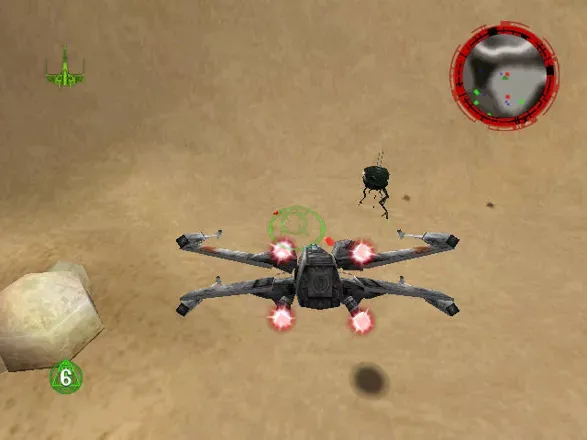
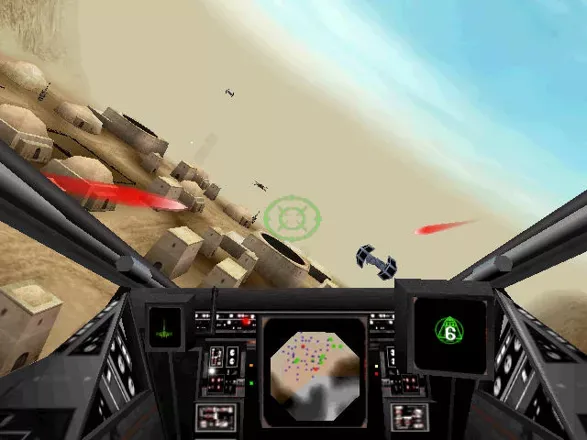
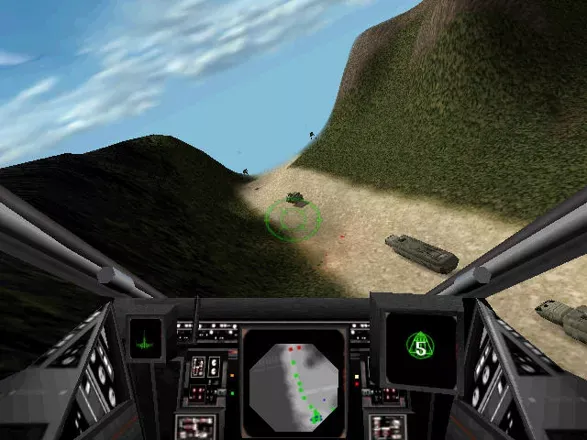
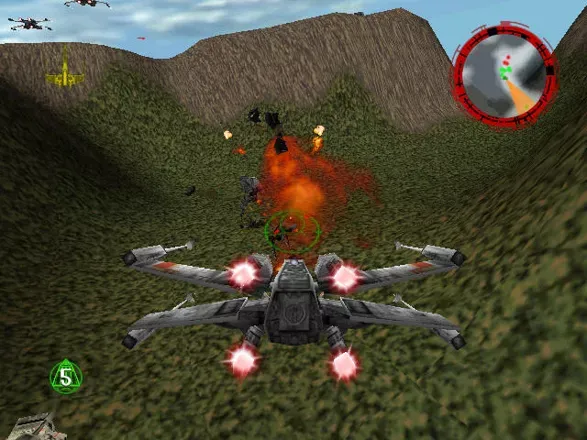
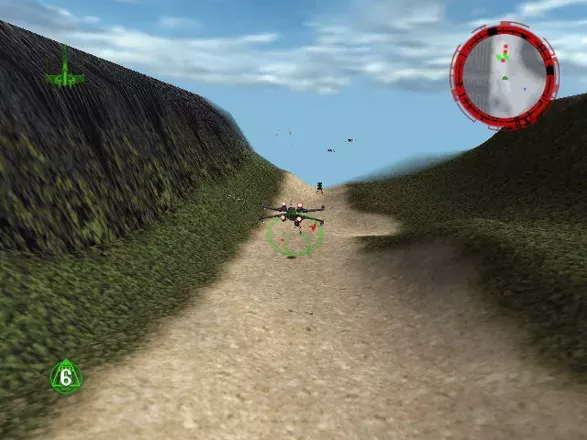
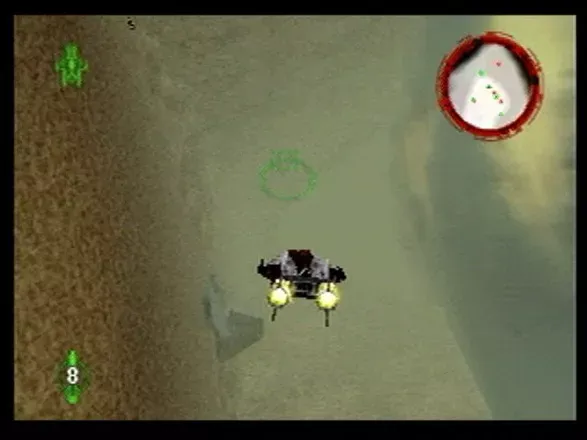
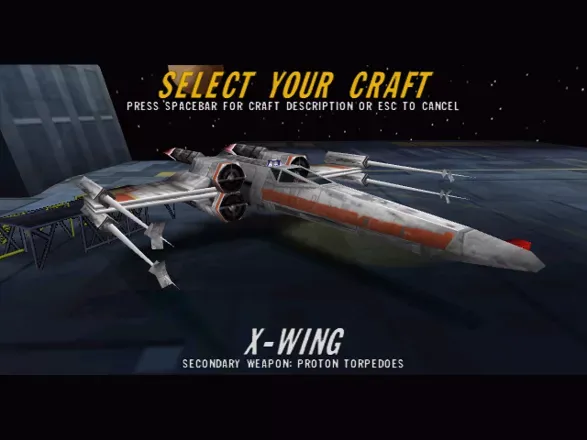
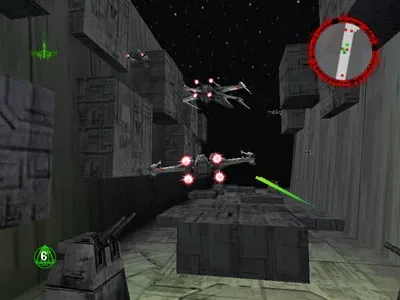
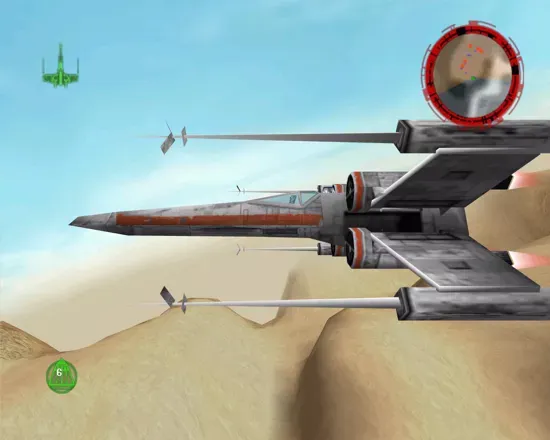
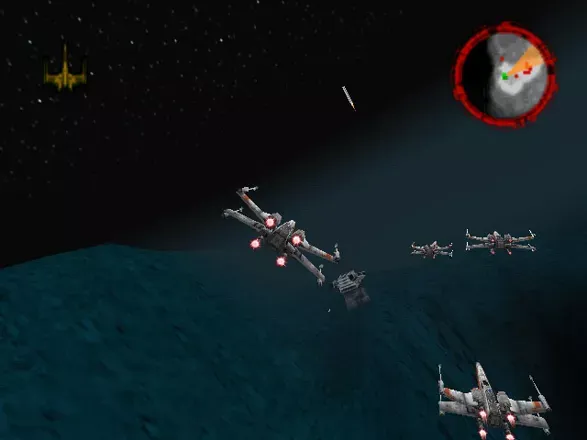
This is an action title built around fast aerial combat, mission-based objectives, and the direct control of iconic Star Wars craft in an arcade flight format. The core experience emphasizes combat rather than simulation depth, which is why many databases classify it as action, arcade flight, or space-combat oriented.
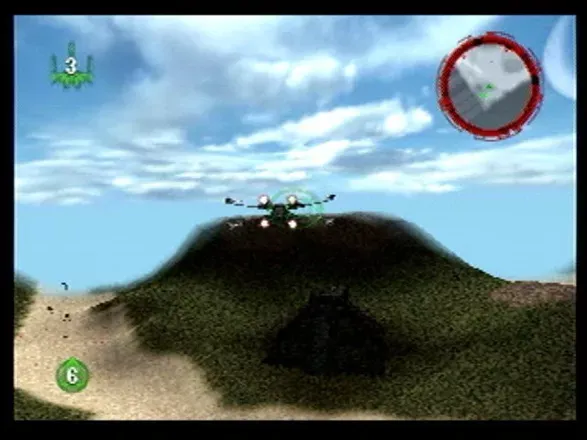
On Nintendo 64, the game is especially associated with support for the Expansion Pak, which enabled higher-resolution output and sharper visuals than the system’s standard mode. That technical upgrade was one of the title’s most discussed hardware features, and it helped the game stand out visually on the console; the release was also known for its strong single-player presentation and polished audiovisual production for the platform.
Collector’s Value & Rarity
As a mainstream licensed release for a major console, Star Wars: Rogue Squadron 3D is not generally considered rare in the strict preservation sense, but complete and clean Nintendo 64 copies still have collector interest because of the franchise branding and the game’s strong reputation. Market listings and database records show broad distribution rather than limited-run scarcity, so its value is driven more by condition, completeness, and platform demand than by true rarity.
Collectors typically care about the cartridge, original box, and manual, and regional variants can matter because release timing and publishers differed by territory. Some databases also record alternate naming and localized publishing arrangements, which can affect how copies are cataloged and sought after by set collectors.