

Historical Context & Trivia
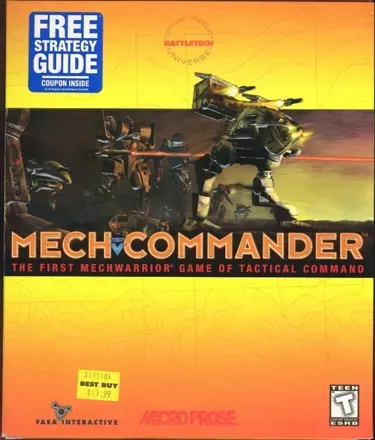
MechCommander (1998) is a well-known BattleTech-licensed real-time tactics game for Windows, published by MicroProse and developed by FASA Interactive under the same franchise lineage that powered MechWarrior and other FASA-derived science-fiction titles. Sources describe it as an isometric tactical command game rather than a traditional base-building RTS, which is a key part of its identity and long-term reputation among strategy fans.
The game was released in mid-1998, with multiple references placing the launch in June and some database listings recording later regional dates in August 1998. Later documentation also shows an expanded re-release, MechCommander Gold, which bundled additional content and helped preserve the game’s visibility beyond its original retail run.
Gameplay & Technical Features
MechCommander focuses on squad-level battlefield control in the strategy/tactics genre, emphasizing unit positioning, fire discipline, terrain use, and mission management over construction or resource-gathering systems. Its design centers on commanding BattleMechs and support units in tactical engagements, making it closer to real-time tactics than to economy-driven strategy.
On Windows, the game uses an isometric presentation suited to dense mission maps and mechanized combat readability. Available descriptions note features such as varied mech classes, vehicles, repair facilities, artillery strikes, minefields, destructible environmental elements, and damage persistence that affects movement and combat performance, all of which reinforce its heavy sci-fi warfare framework.
Collector’s Value & Rarity
As an original late-1990s PC release, MechCommander is typically valued more for preservation interest and franchise significance than for extreme rarity. The game’s market presence is strengthened by later availability through MechCommander Gold and freeware distribution references, which reduced scarcity compared with many short-lived boxed PC strategy titles.
For collectors, the most relevant physical distinctions are regional retail editions and the later Gold packaging, which may include the expanded content set associated with Desperate Measures. Boxed Windows copies, manuals, and any official strategy guide material are the most important collateral pieces for completeness, especially for buyers focused on authentic late-1990s PC strategy releases.