












Historical Context & Trivia
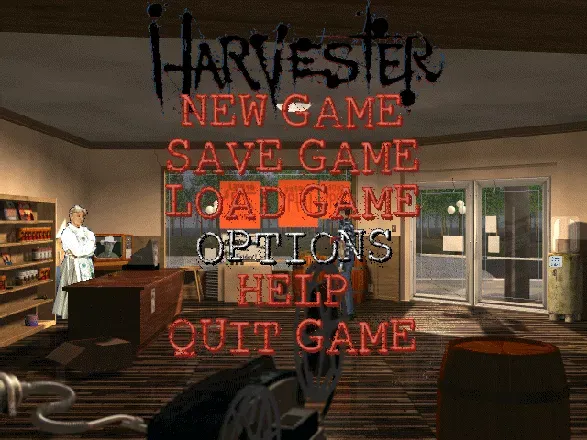
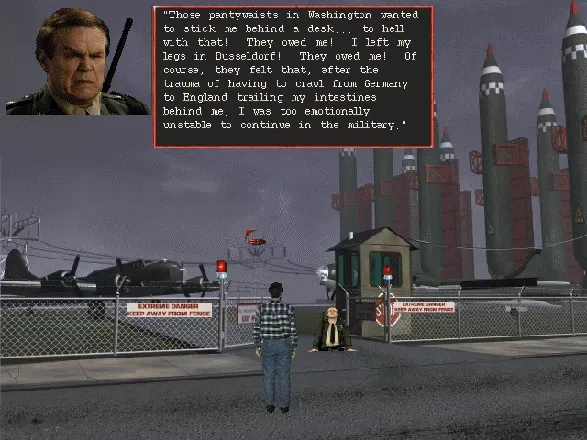
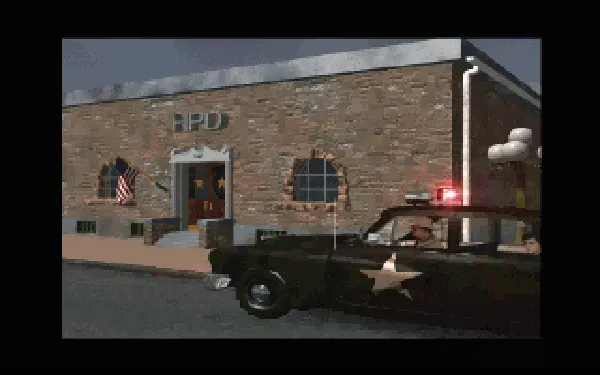
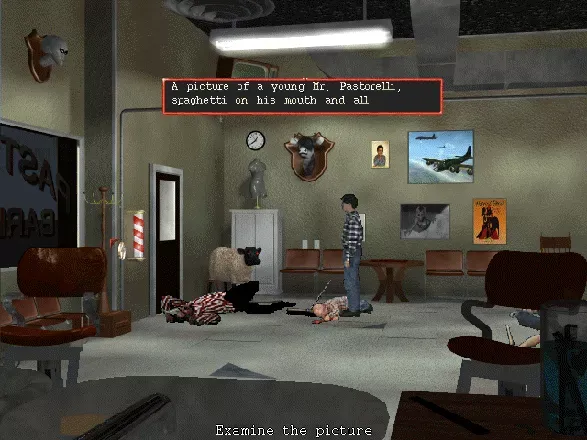
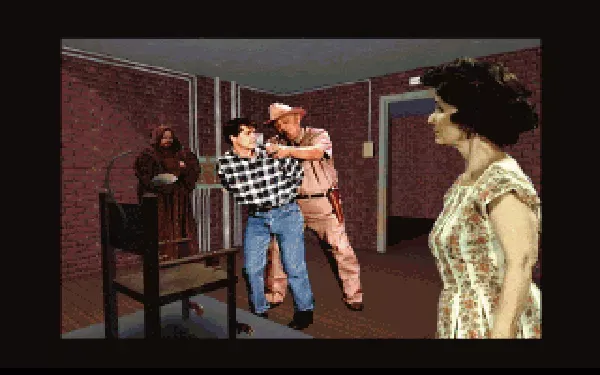
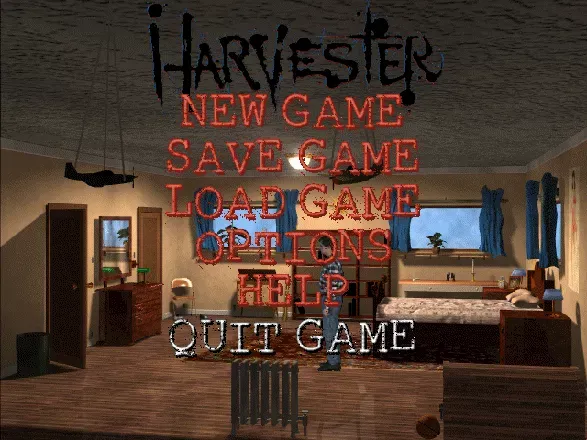
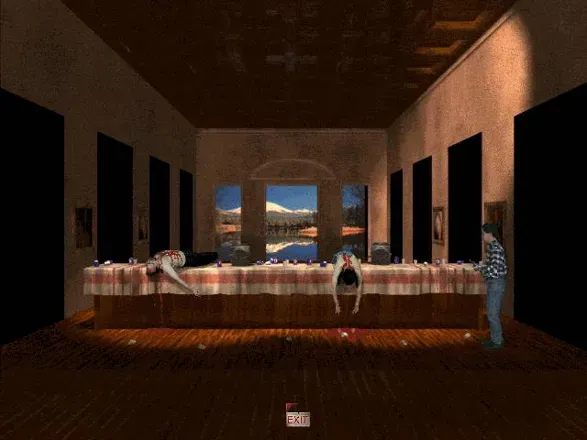
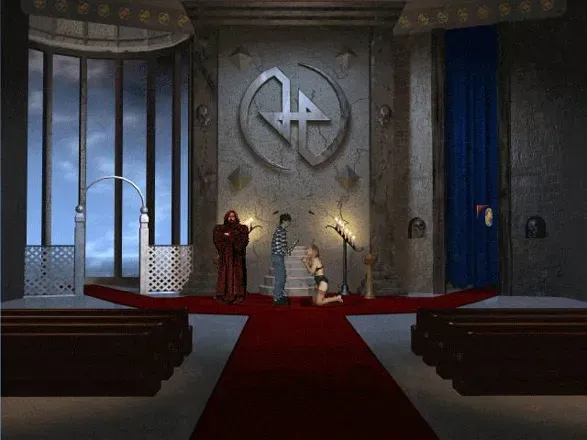
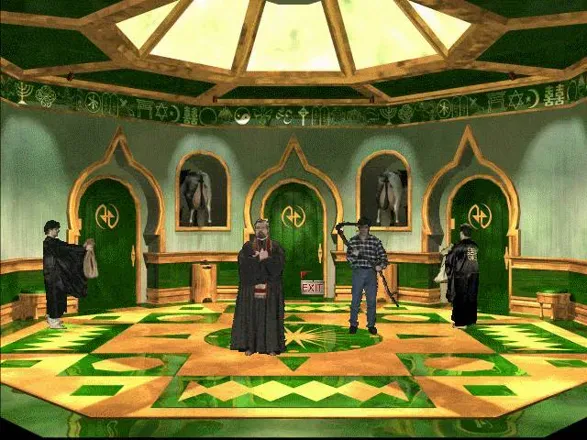
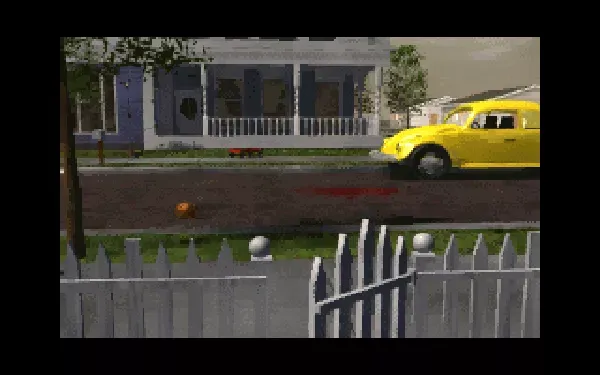
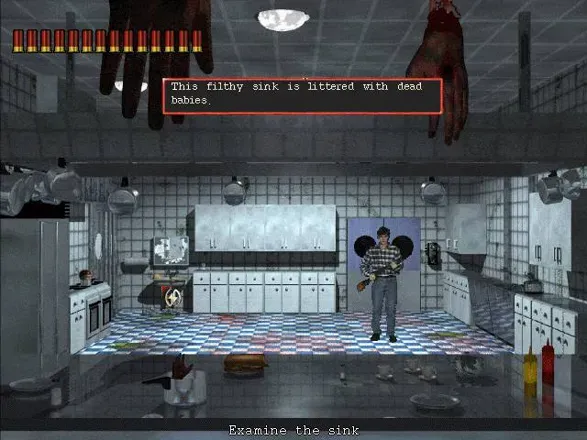
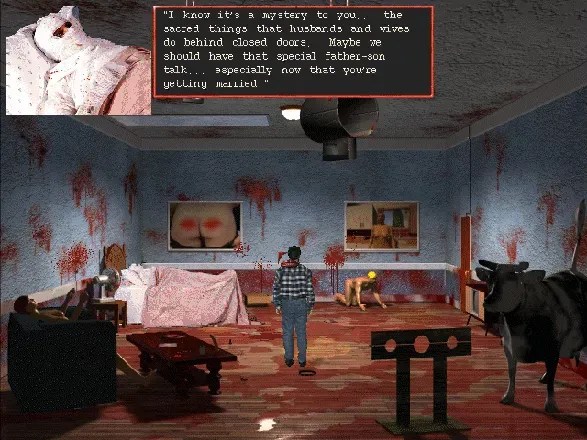
Harvester (1996) is a DOS adventure game from DigiFX Interactive that became a cult curiosity for its live-action presentation, violent imagery, and deliberately unsettling tone. It arrived during the mid-1990s wave of FMV-driven PC adventures, when publishers were experimenting with photographic realism and adult-themed storytelling on CD-ROM hardware.
The game was published in Europe by Virgin Interactive Entertainment and in North America by Merit Studios, with later digital re-releases handled by Night Dive Studios and Jordan Freeman Group according to the supplied data. It is widely described as a commercial failure that nonetheless earned lasting notoriety because of its taboo-breaking content and shock-value marketing.
Gameplay & Technical Features
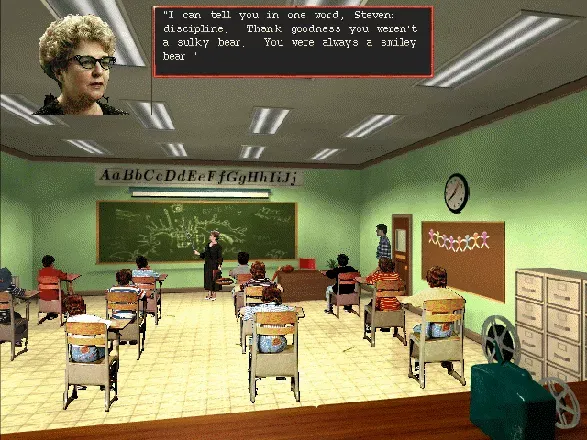
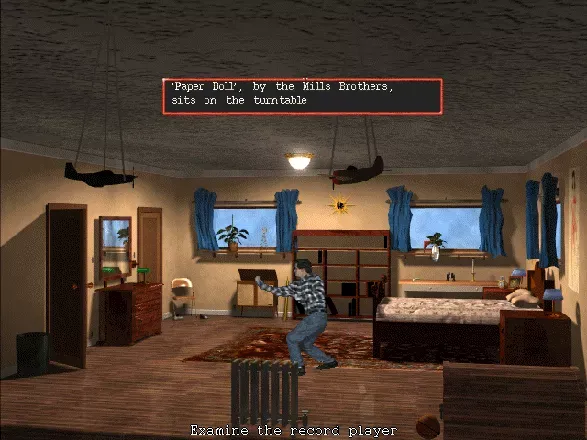
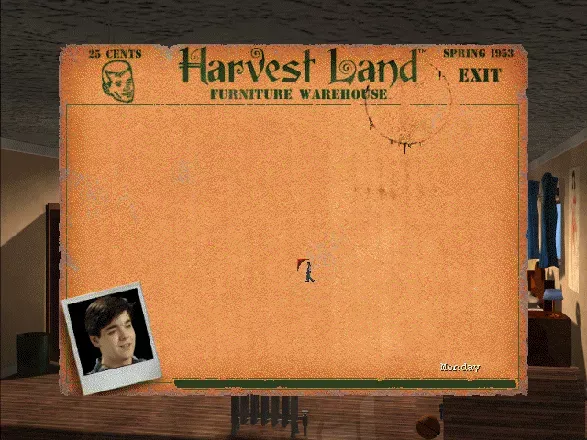
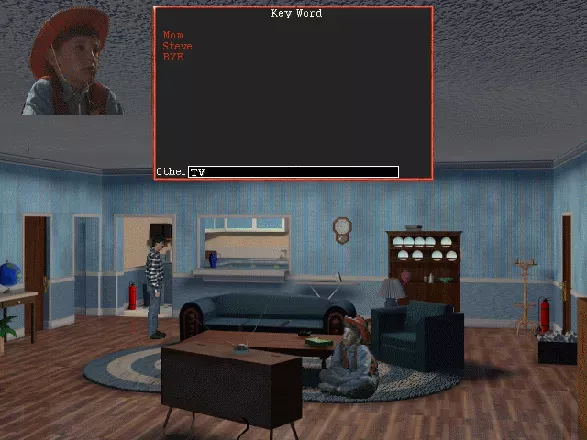
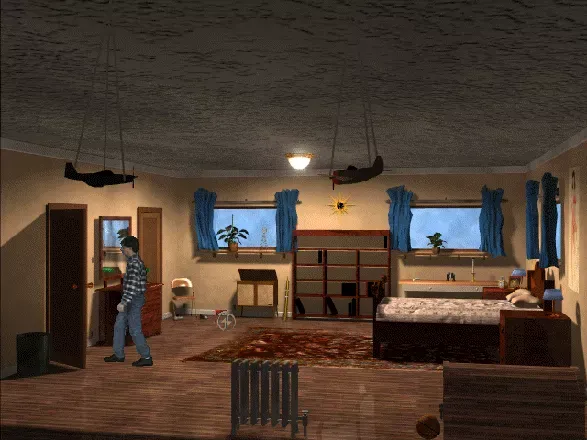
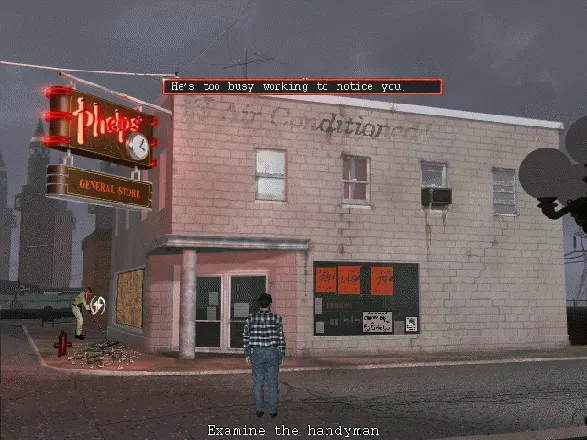
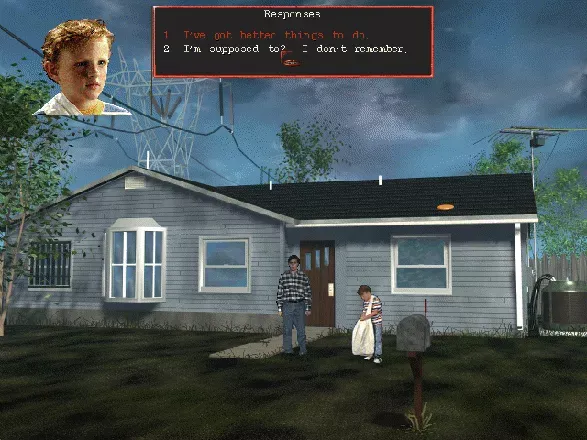
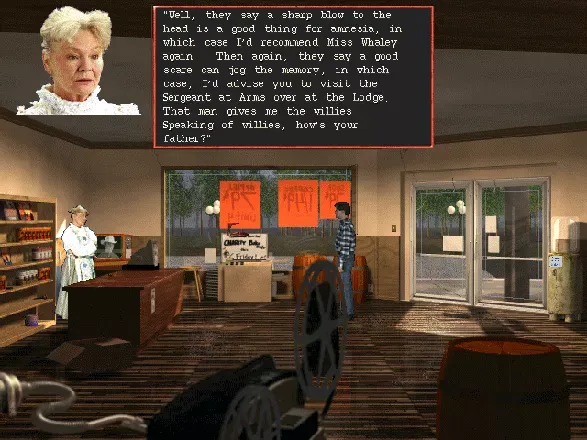
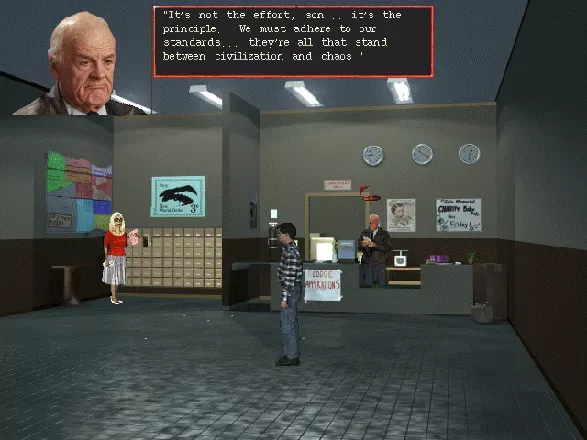
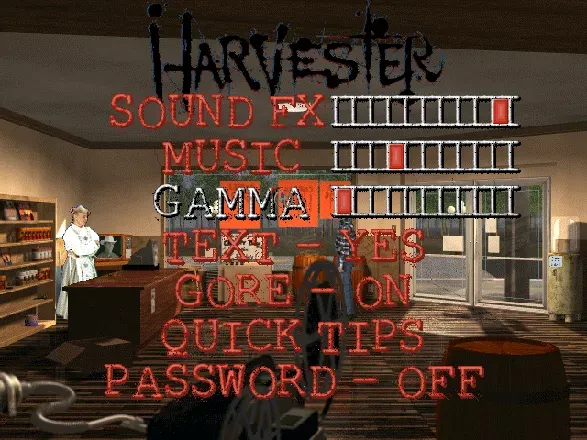
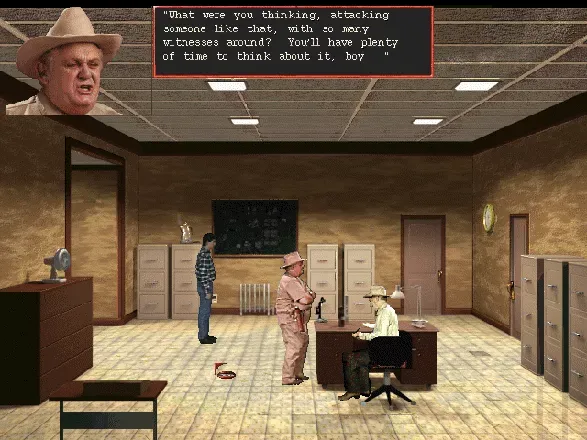
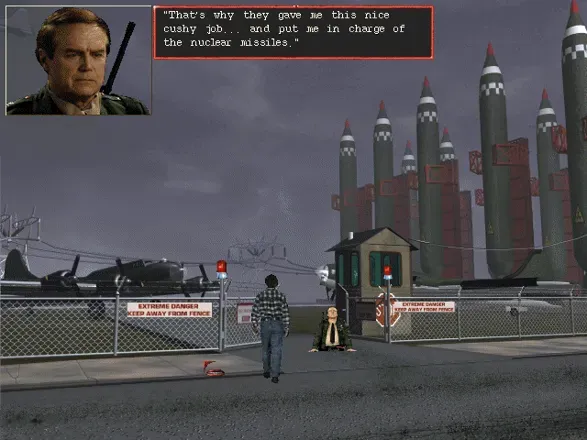
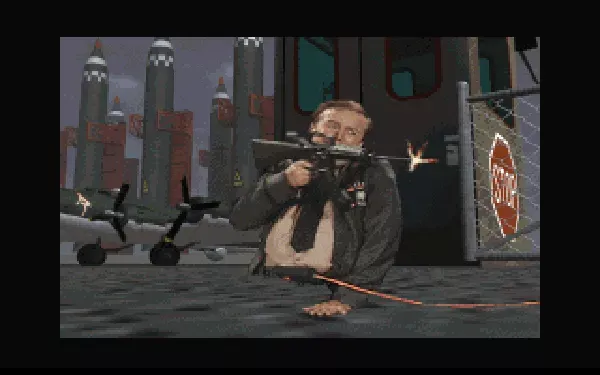
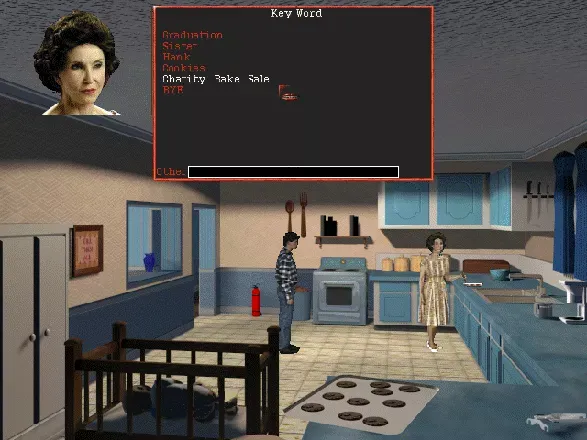
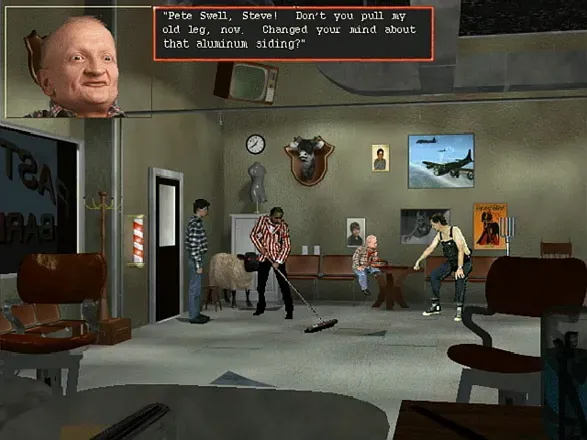
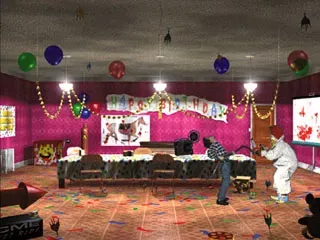
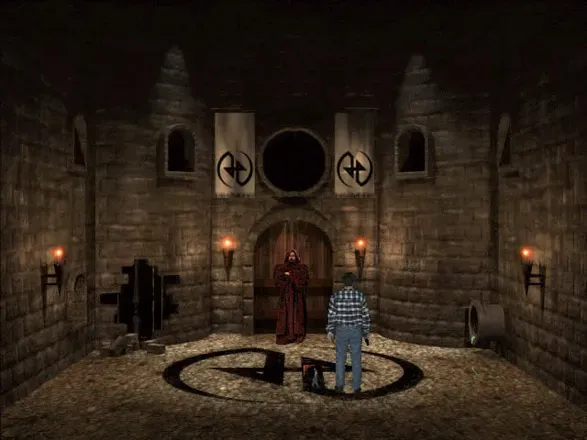
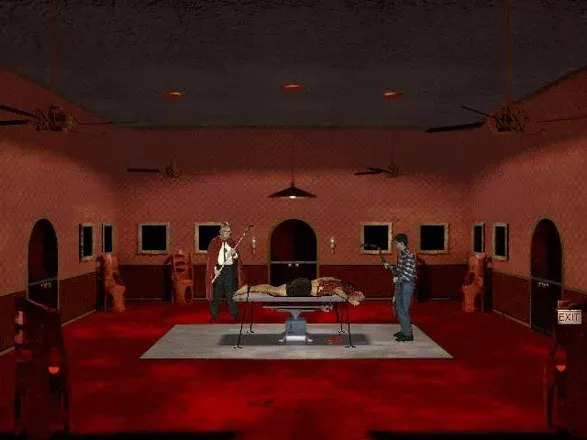
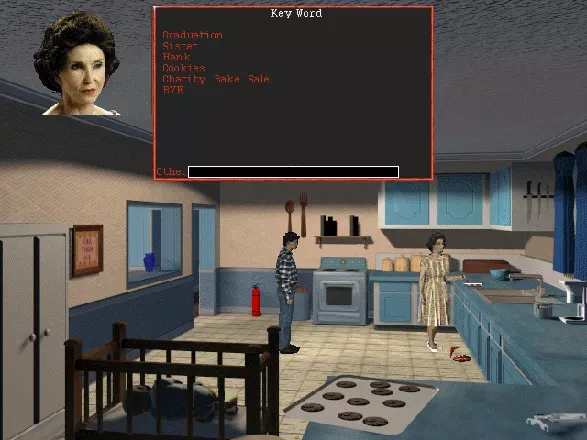
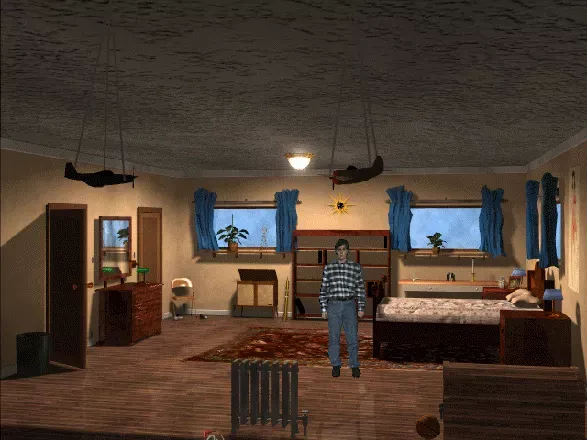
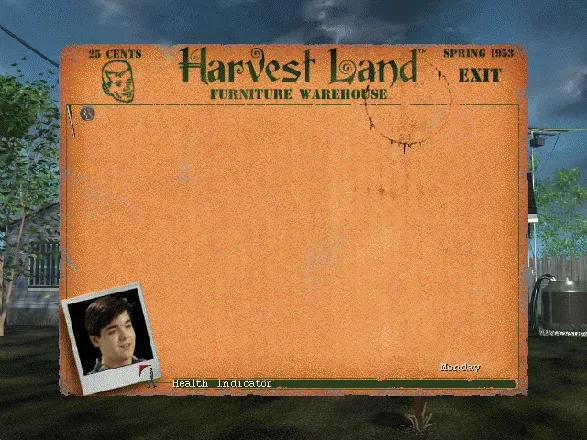
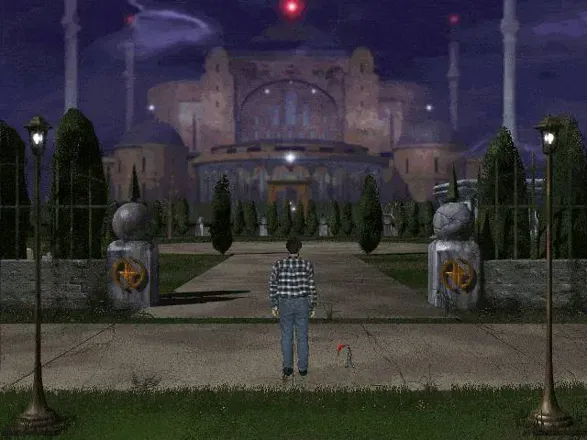
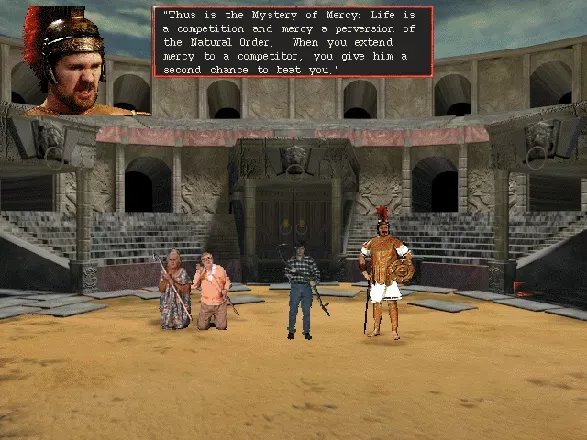
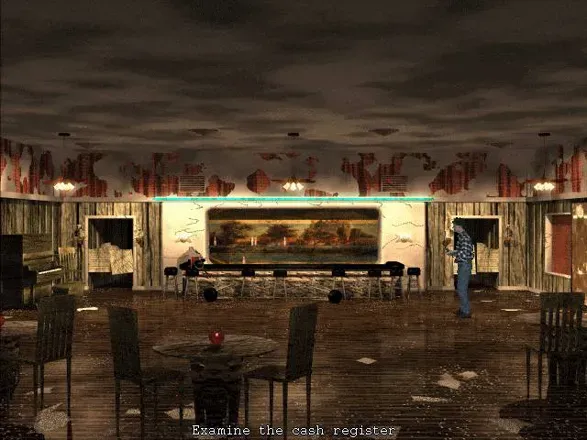
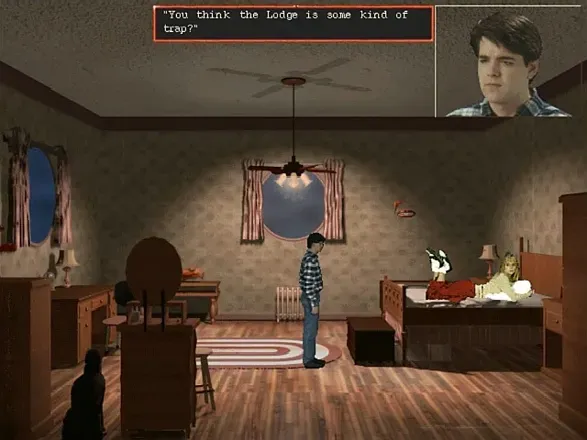
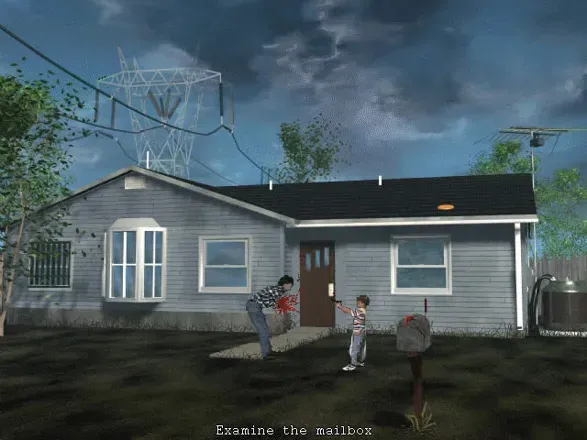
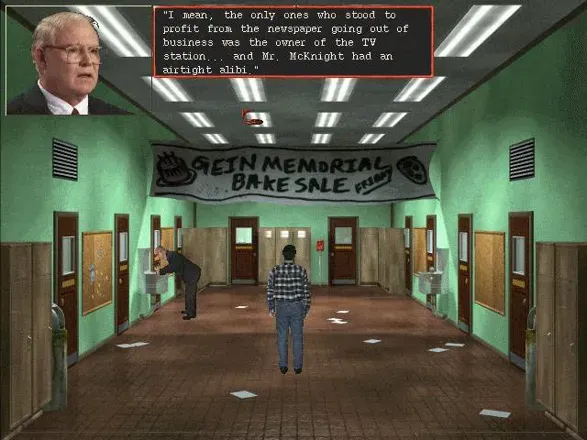
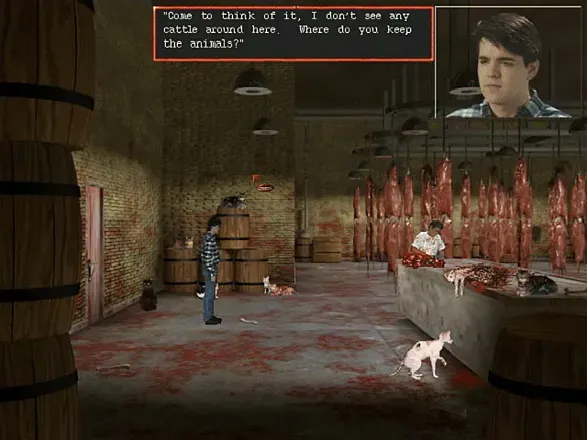
Harvester is a point-and-click adventure with puzzle-solving, dialogue interaction, and some arcade-style combat sequences layered into its narrative progression. Sources describing the game note that it uses a third-person perspective and blends graphic adventure structure with FMV presentation rather than relying on traditional sprite-based animation.
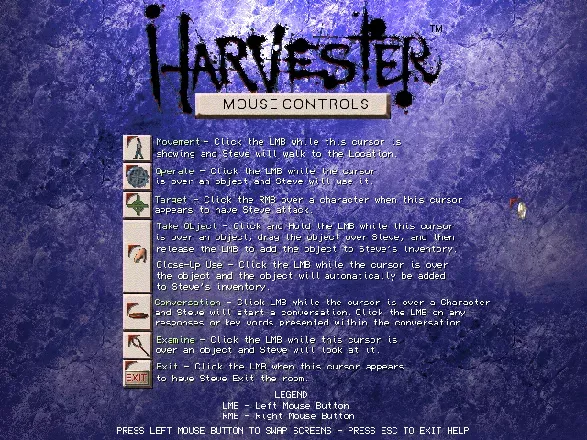
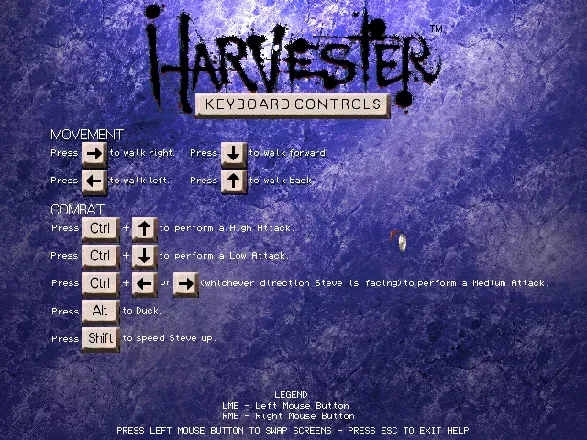
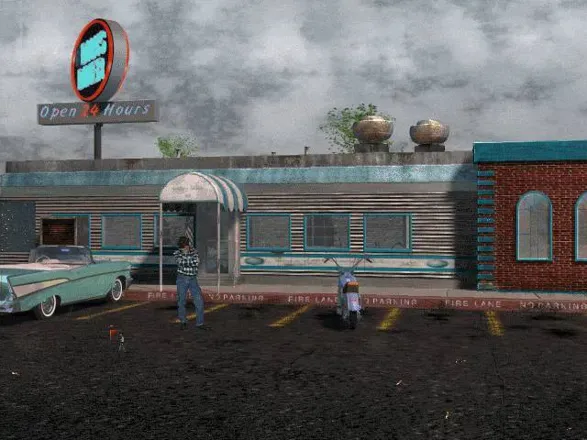
On DOS, the game was distributed on CD-ROM and built around live-action footage, photographic backgrounds, and recorded audio, which gave it a highly theatrical look for the platform. The release is commonly associated with mouse-and-keyboard input and the storage footprint expected of a mid-1990s multimedia adventure, reflecting the era’s push toward cinematic PC game production.
Collector’s Value & Rarity
Harvester is preserved today as a cult item rather than a mass-market rarity, and its collector appeal comes from its reputation, its controversial reputation, and its place in the FMV adventure boom. Because it was later made available through digital storefront re-releases, original big-box copies are more interesting to collectors than to preservationists seeking simple access.
Known physical traits include a three-CD-ROM package and region-specific publishing variants tied to different distributors, which can matter to box collectors and completionists. Surviving editions are often valued for their manuals, inserts, and original packaging more than for scarcity alone, since the game has remained accessible through modern rereleases.