


Historical Context & Trivia
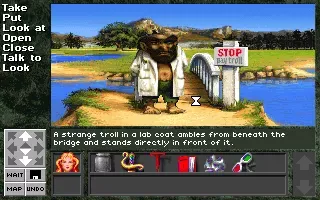
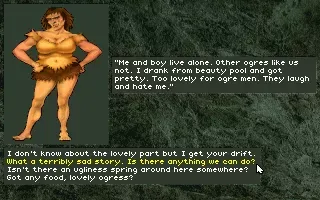
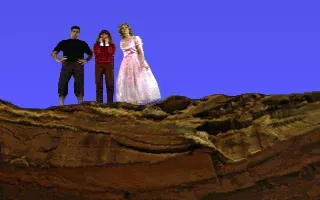
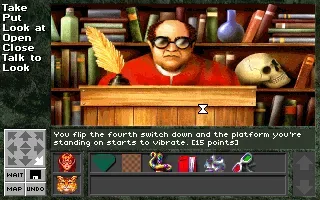
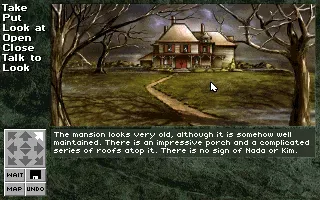
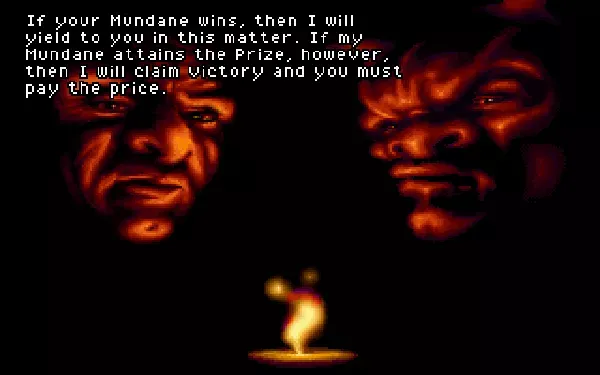
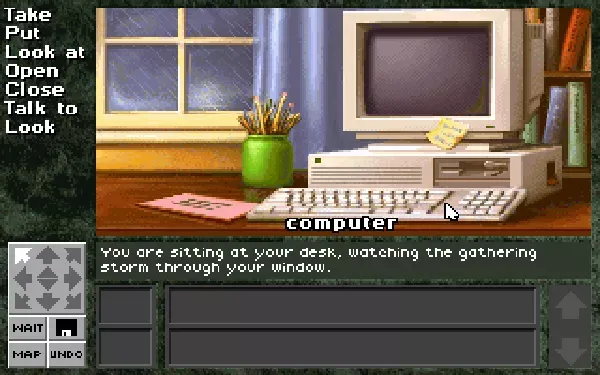
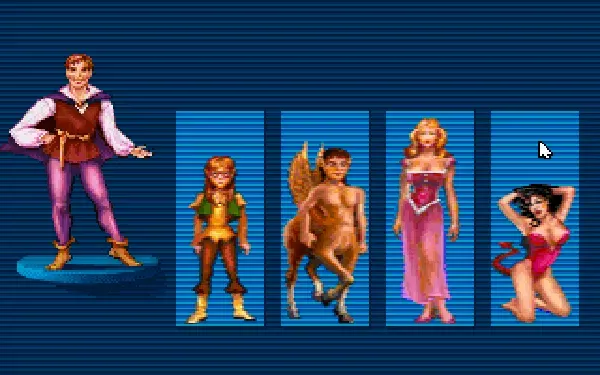
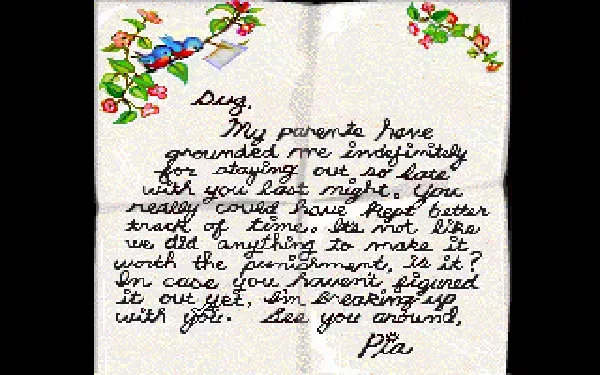
Companions of Xanth (1993) is a fantasy adventure from Legend Entertainment Company that adapts the pun-heavy world of Piers Anthony’s Xanth novels, with its story loosely following Demons Don’t Dream. The game places a mundane human player into Xanth through the premise of a computer game, making its meta-fictional setup one of the more distinctive licensed adventure concepts of the DOS era.
Legend Entertainment was known for moving between interactive fiction and graphic adventures, and this title is often described as one of the studio’s first fully graphical point-and-click adventures. That position in the company’s catalog gives it historical interest beyond its licensed source material, especially for players tracking Legend’s transition into more visual adventure design.
Gameplay & Technical Features
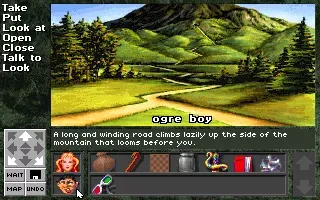
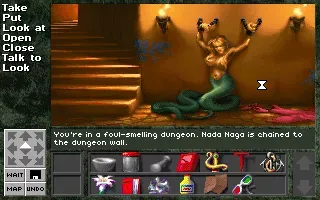
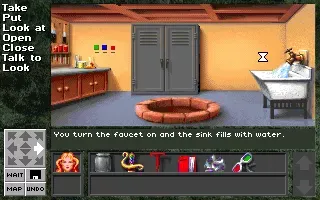
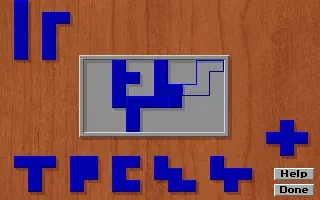
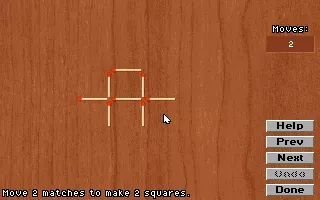
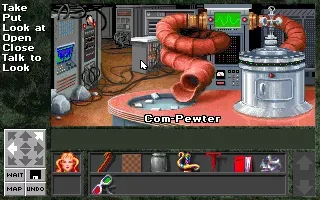
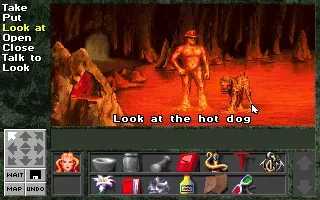
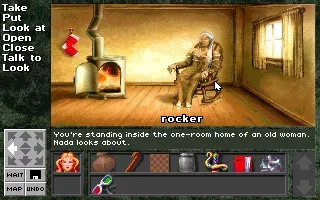
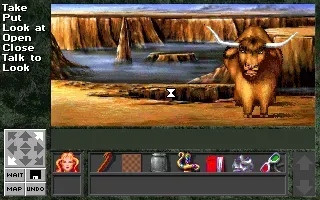
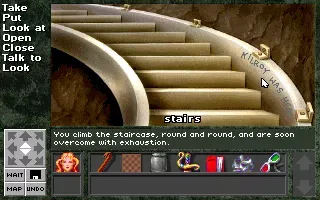
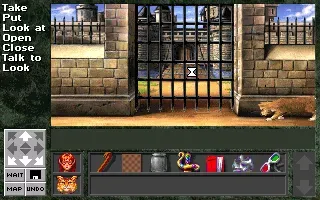
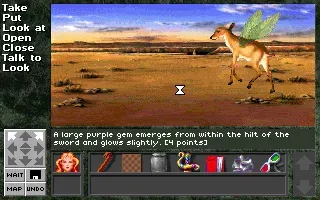
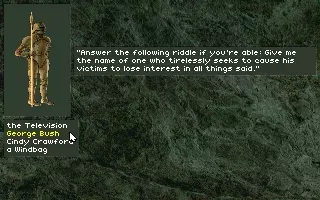
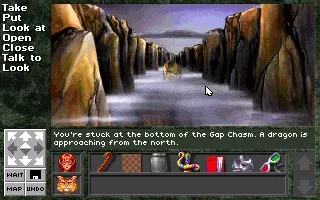
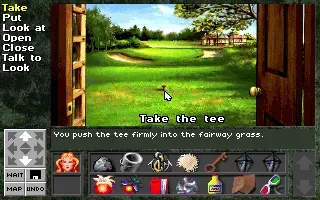
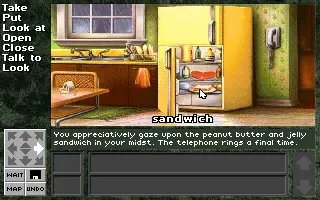
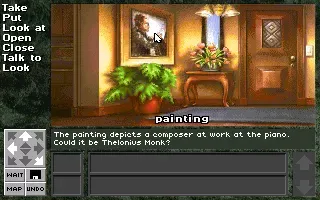
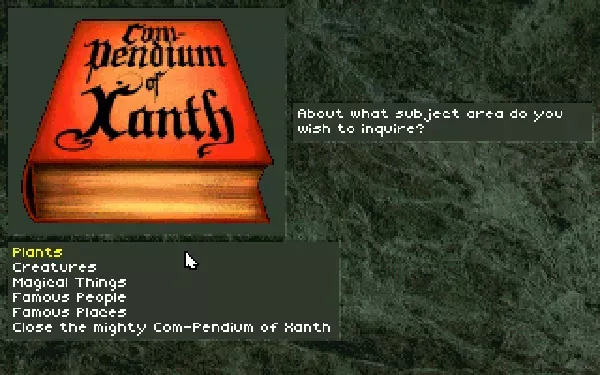
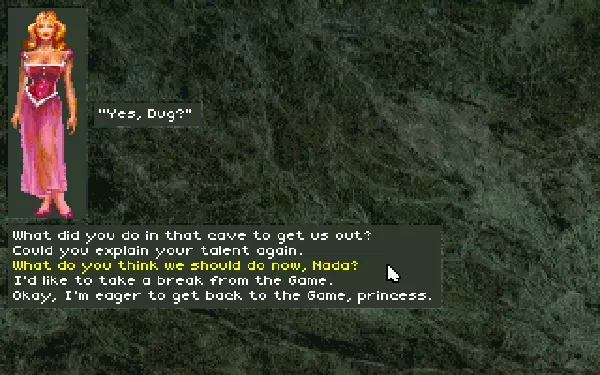
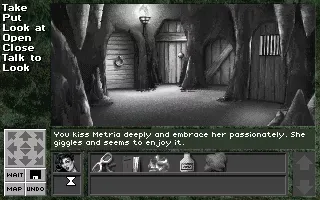
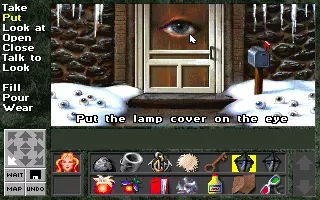
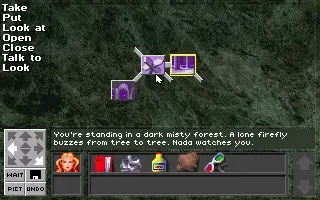
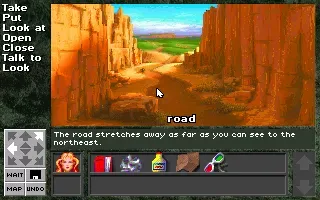
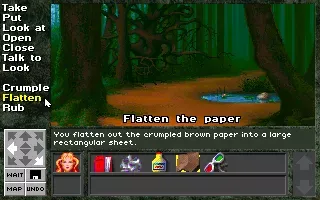
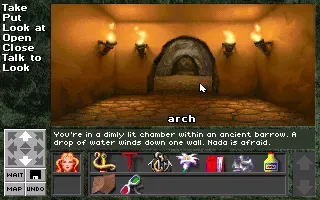
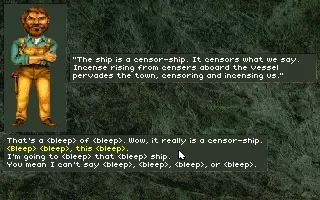
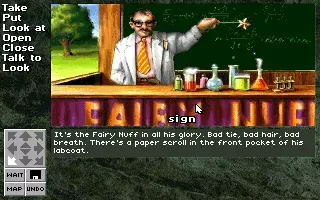
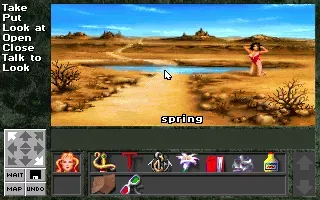
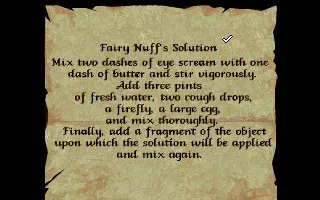
Companions of Xanth is a first-person adventure game built around exploration, puzzle-solving, and inventory-based progression. Its structure follows the standard logic of early-1990s graphic adventures, but the worldbuilding leans heavily into comedy, wordplay, and fantasy scenario design drawn from the source novels.
On DOS, the game used 2D graphics in 8-bit color and was released in both floppy disk and CD-ROM formats. The DOS release reflects the era’s transition from text-heavy adventure interfaces toward more visual presentation, while still retaining the slower, puzzle-driven rhythm associated with classic PC adventures.
Collector’s Value & Rarity
Companions of Xanth is not generally treated as a top-tier rarity, but it is a comparatively niche DOS adventure with modest preservation visibility outside enthusiast circles. Its collector interest comes mainly from its status as a Legend Entertainment title, its licensed Xanth connection, and its place in the studio’s graphical evolution rather than from extreme scarcity alone.
Known physical versions include floppy disk and CD-ROM releases, and surviving copies may vary by packaging format and included collateral depending on region and edition. For collectors, the most relevant factor is completeness of the original materials, especially because adventure-game preservation value often depends on box art, manual, and disc condition as much as the software itself.