

Historical Context & Trivia
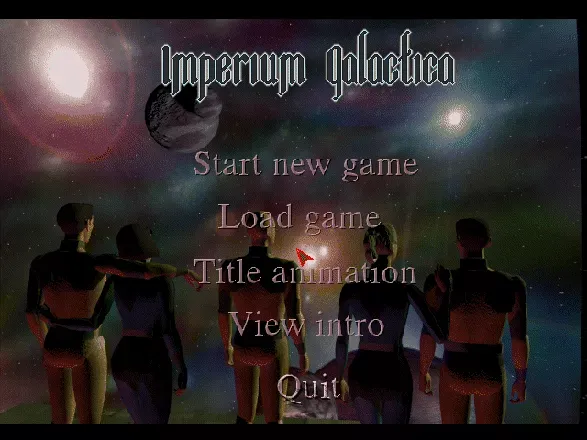
Imperium Galactica was released in 1997 for DOS and is widely described as an ambitious hybrid of real-time strategy, 4X empire management, colony building, and story-driven mission play. Its structure was unusual for the era because it blended galactic conquest with a more linear narrative progression, moving the player up through military ranks while expanding control over a sector of space.
Digital Reality, the Hungarian studio behind the game, developed it for GT Interactive, and later the title reappeared under THQ Nordic on modern storefronts. Contemporary and retrospective coverage consistently frames it as a distinctive sci-fi strategy experiment rather than a conventional turn-based 4X game.
Gameplay & Technical Features
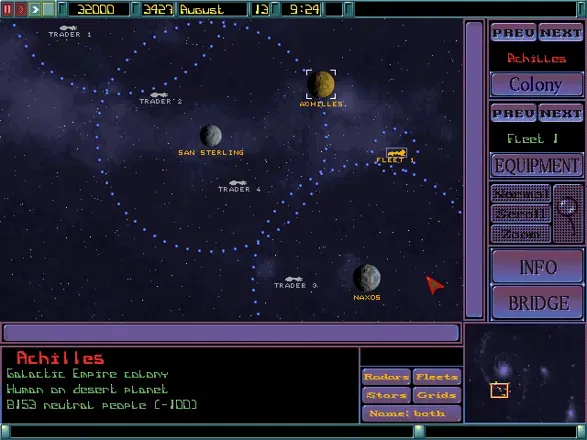
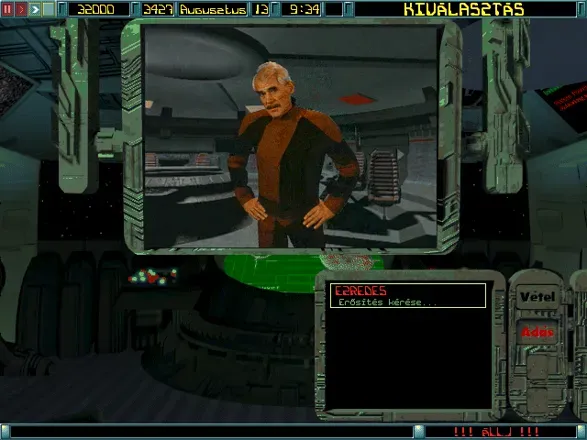
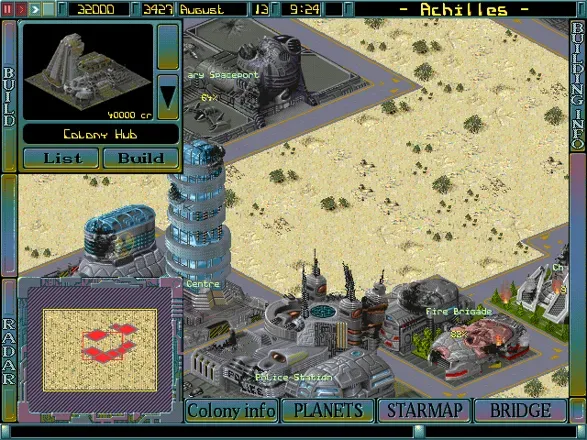
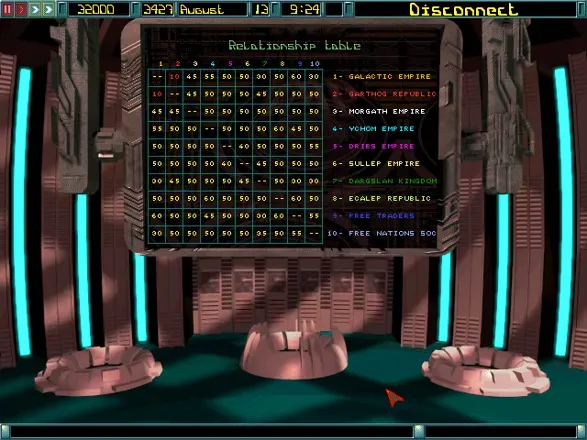
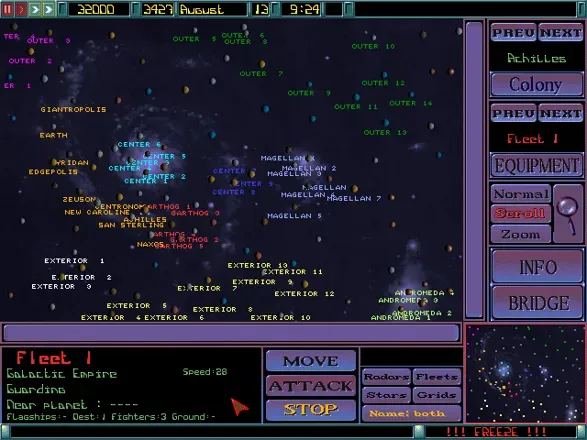
The core of Imperium Galactica is a strategy and tactics loop built around managing colonies, researching technologies, commanding fleets, and resolving conflicts in real time. Sources describe ship refitting, planetary administration, diplomacy, and both space and ground combat, with the player gradually unlocking more commands and territory as rank increases.
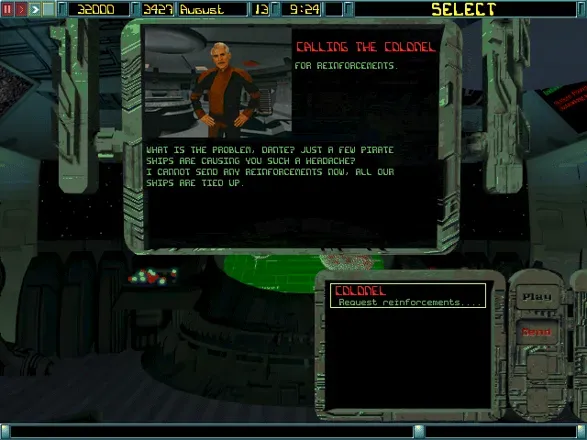
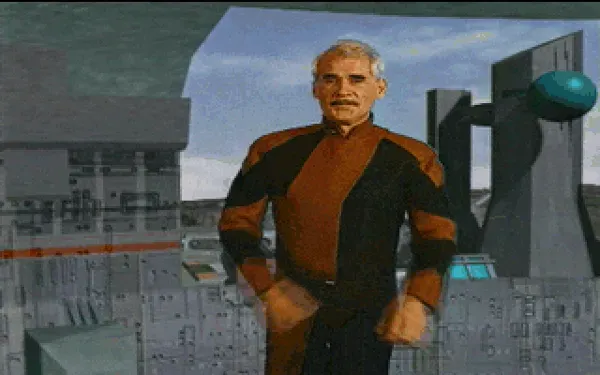
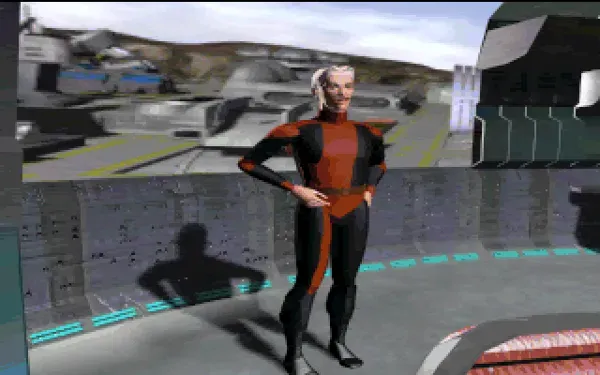
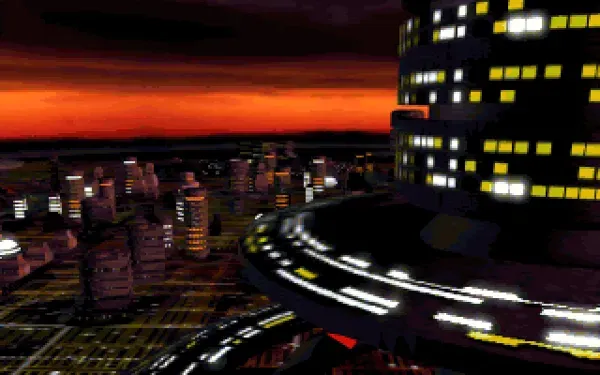
On DOS, the game used 2D presentation and a mission-based progression model that gave it a story-heavy, almost adventure-like structure for a sci-fi strategy title. Coverage also notes plot-driven cutscenes, computer-generated voices, and a soundtrack that was remembered favorably, all of which helped it stand out in the late-DOS era.
Collector’s Value & Rarity
Imperium Galactica is not generally treated as a high-scarcity collector’s prize, but it does have preservation value because it represents one of the more distinctive late-1990s DOS strategy releases. Its desirability is mainly driven by genre interest, historical curiosity, and the game’s hybrid design rather than extreme rarity.
For collectors, the most relevant physical considerations are the original PC/DOS packaging, manual, and any regional release details tied to GT Interactive distribution. Because later re-releases were handled by THQ Nordic, boxed originals and complete copies are the versions most often sought by archival-minded buyers.