

Historical Context & Trivia
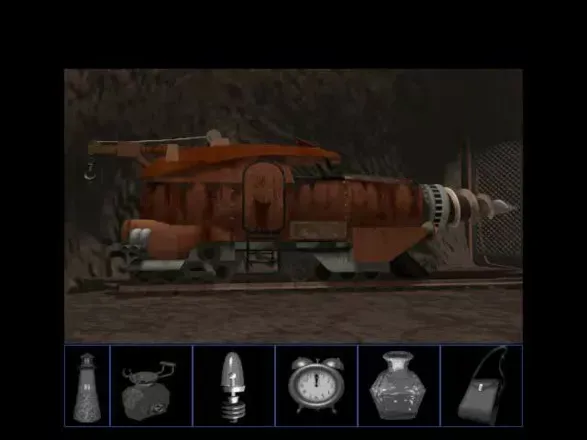
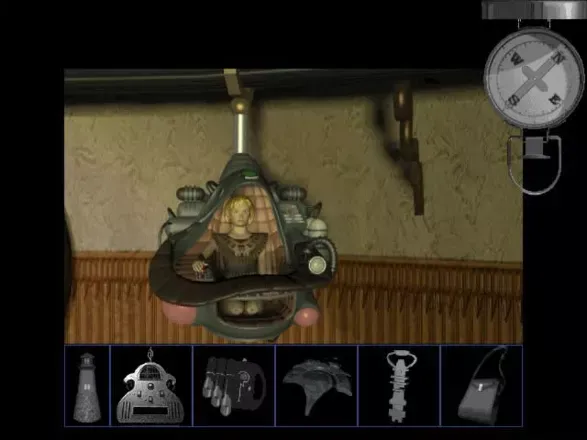
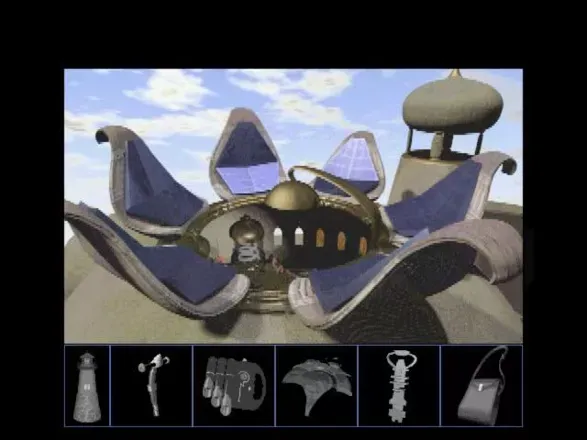
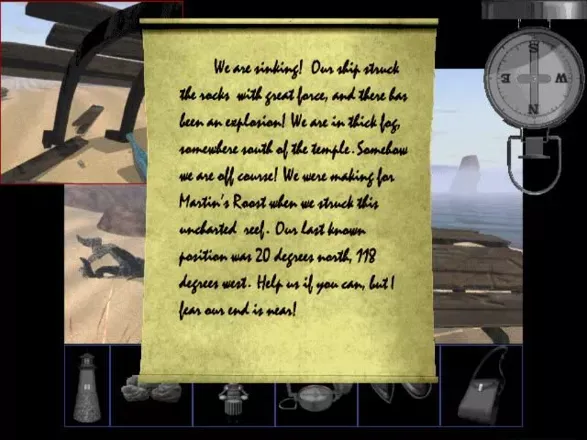
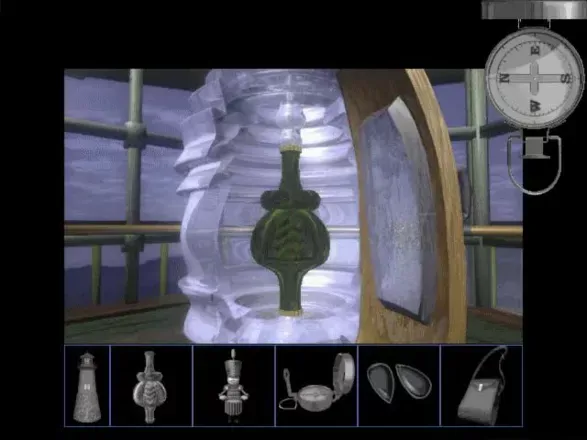
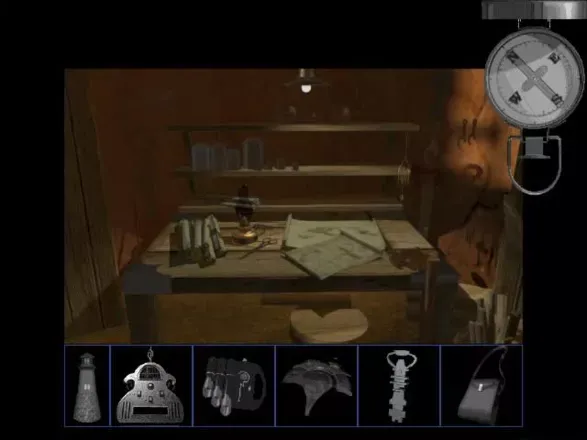
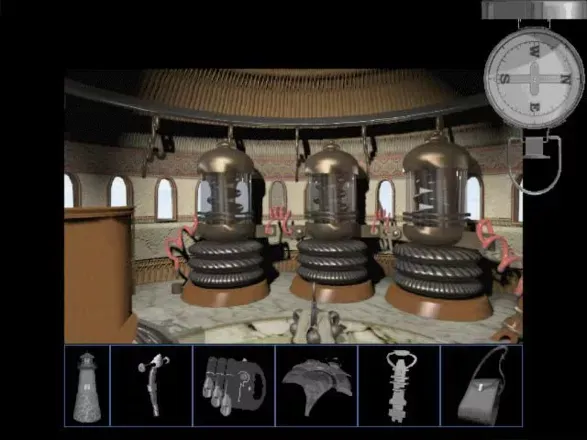
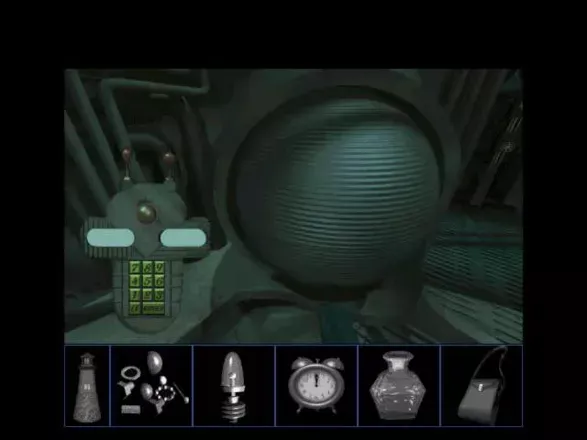
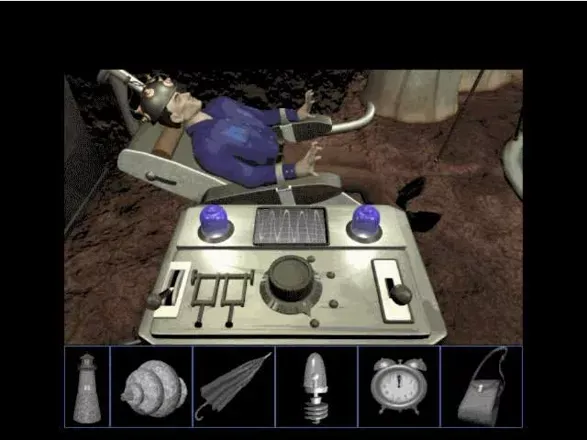
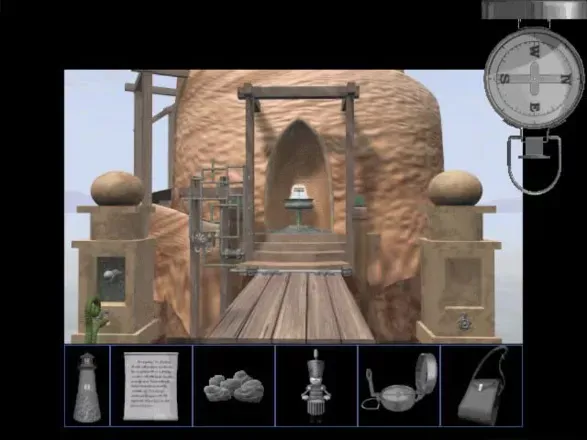
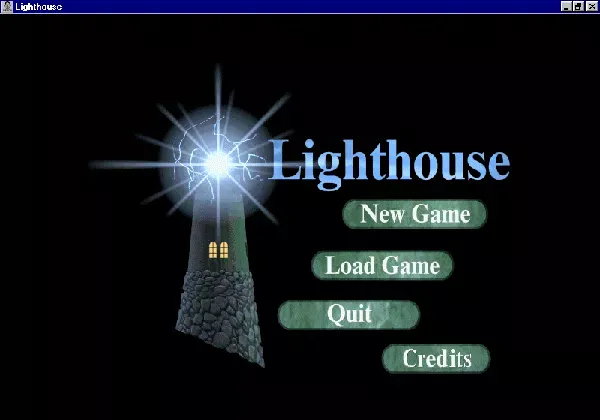
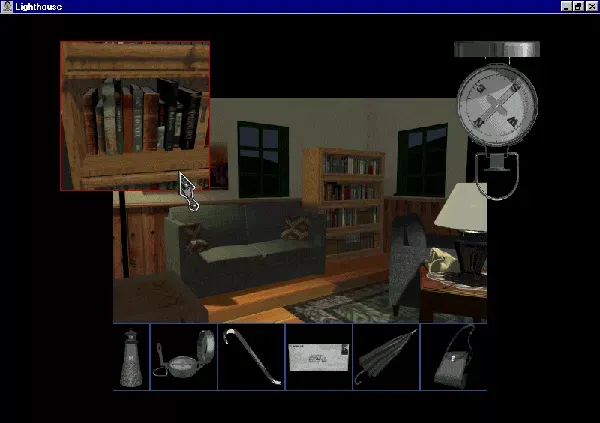
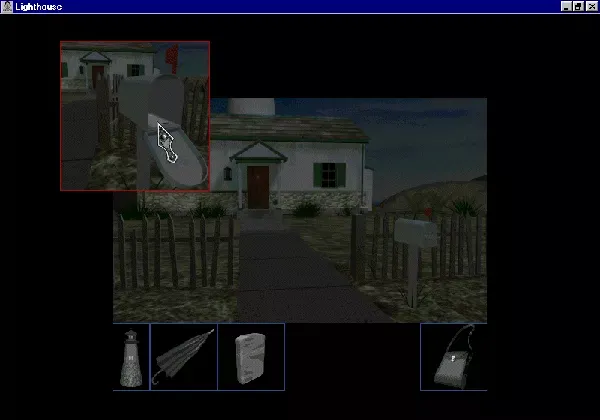
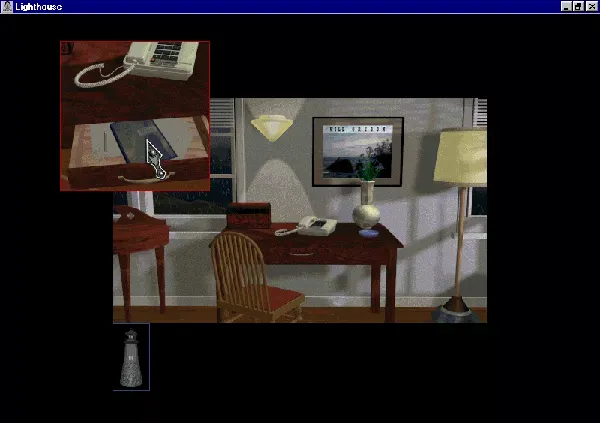
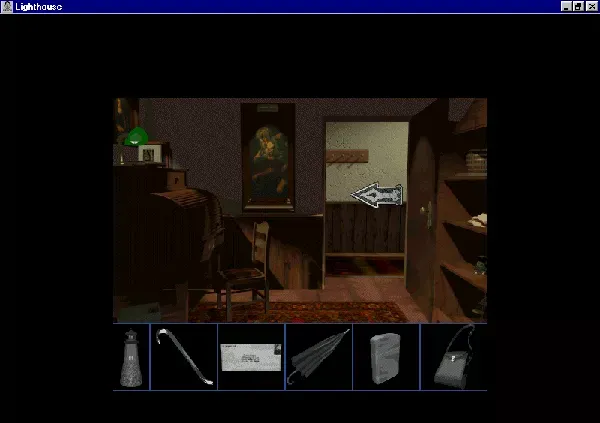
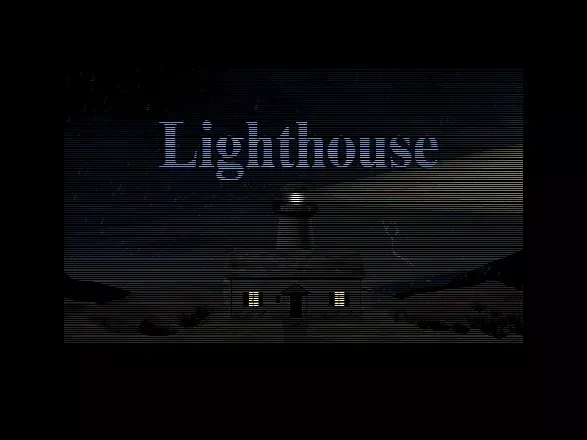
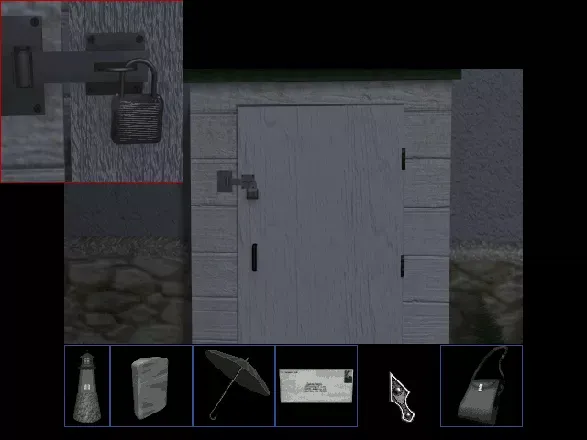
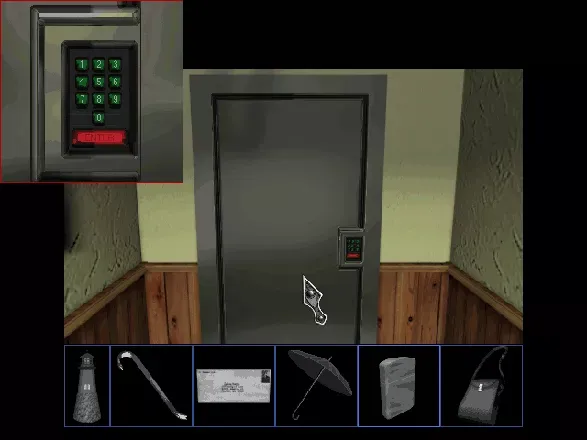
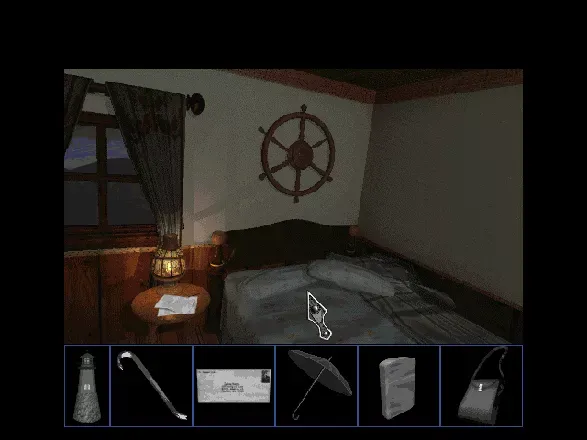
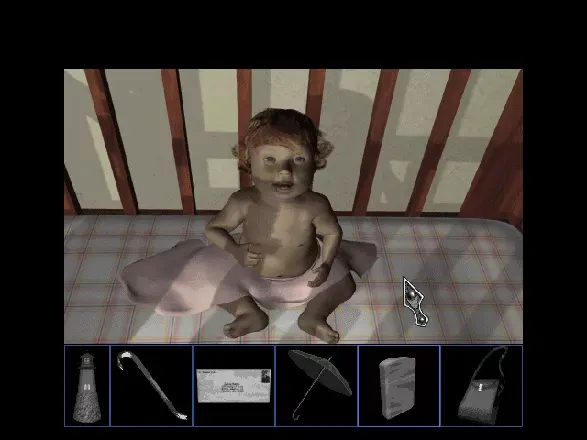
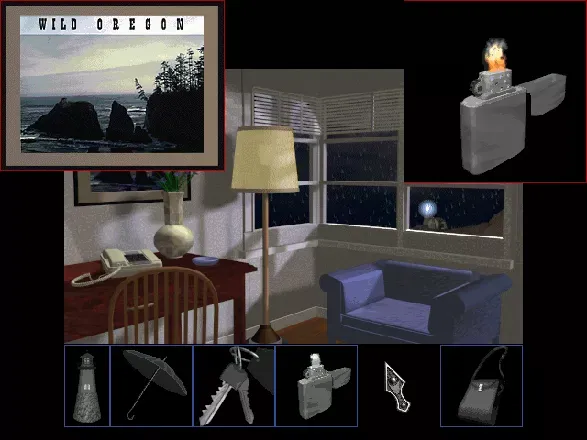
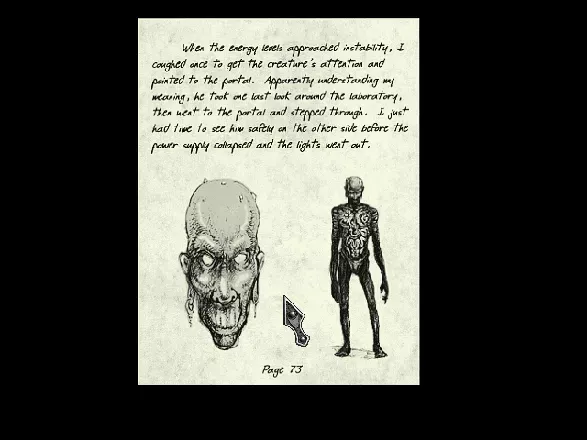
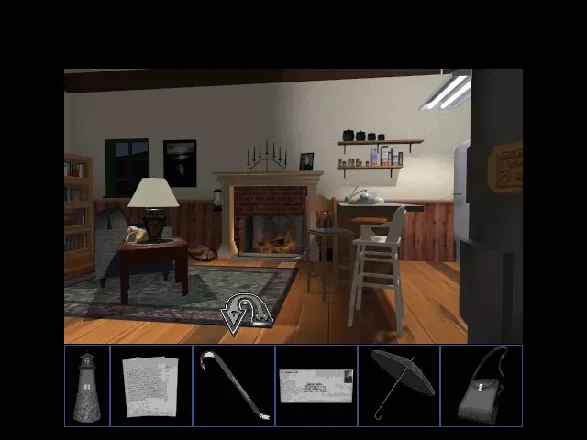
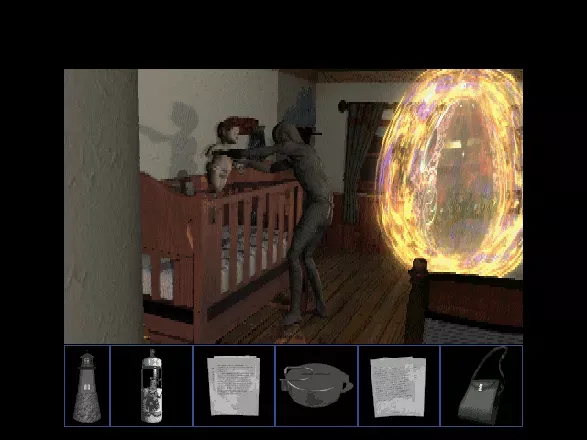
Lighthouse: The Dark Being (1996) is a first-person adventure from Sierra On-Line that arrived during the mid-1990s wave of pre-rendered, Myst-style exploration games. Its coastal setting, portal-driven premise, and emphasis on mood-heavy worldbuilding place it firmly within the era’s fascination with atmospheric puzzle adventures on CD-ROM.
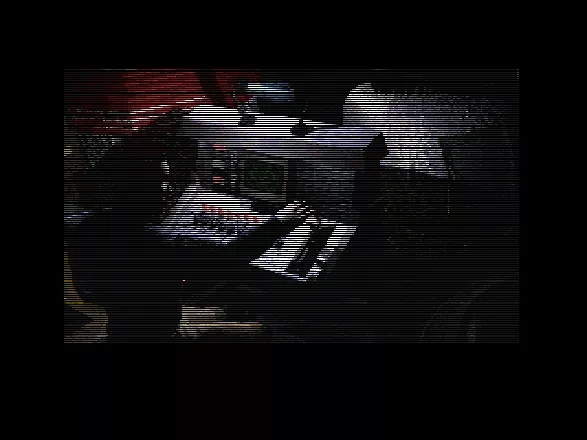
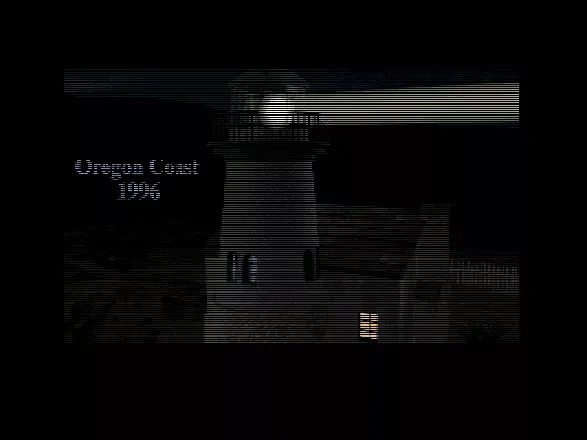
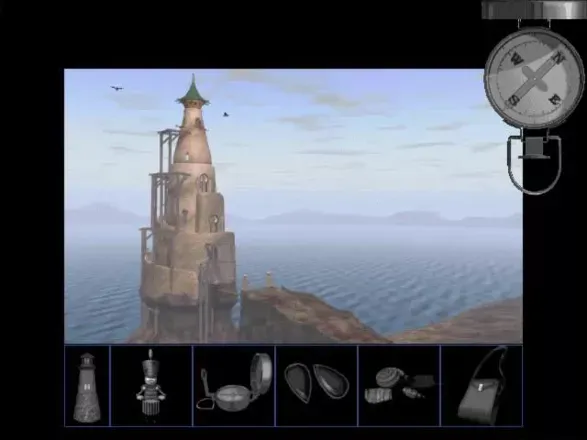
Verified references describe the player as a writer who relocates to an Oregon cottage near a lighthouse, where a lightning strike and a mysterious kidnapping pull the story into a parallel world. The game is credited to Jon Bock as designer in preservation and fan-reference sources, and it is also documented as a Sierra production released on both Windows and Macintosh platforms, with English, German, and French localizations noted in archival listings.
Gameplay & Technical Features
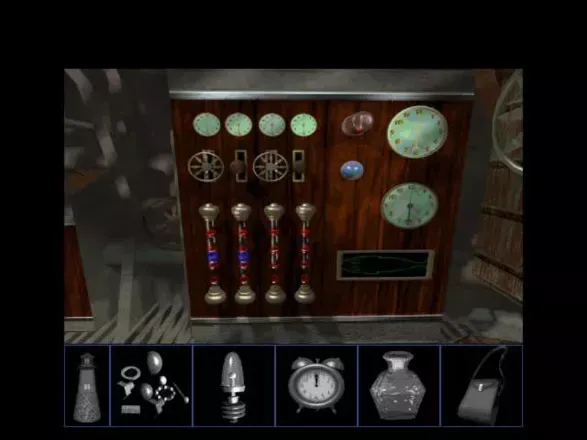
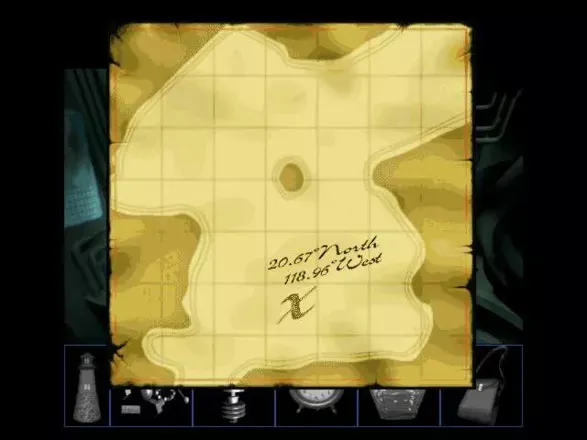
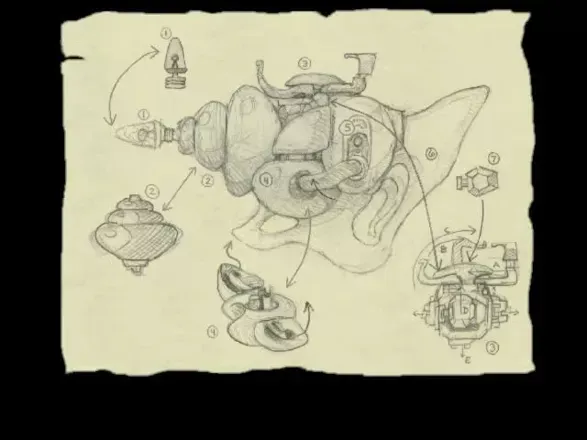
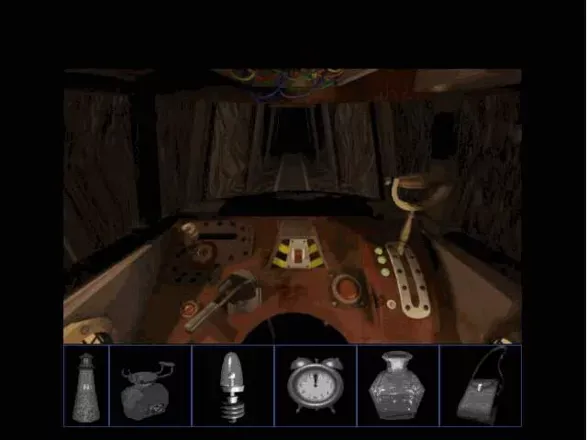
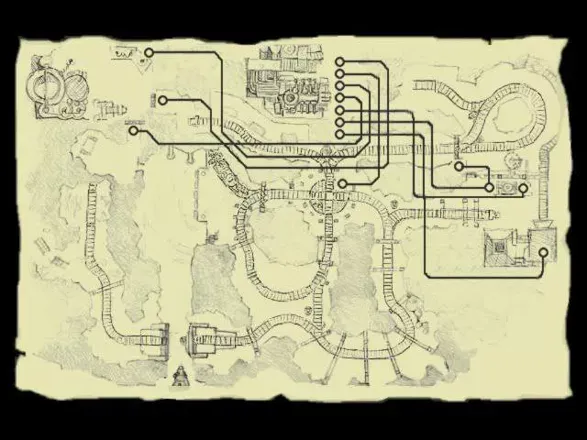
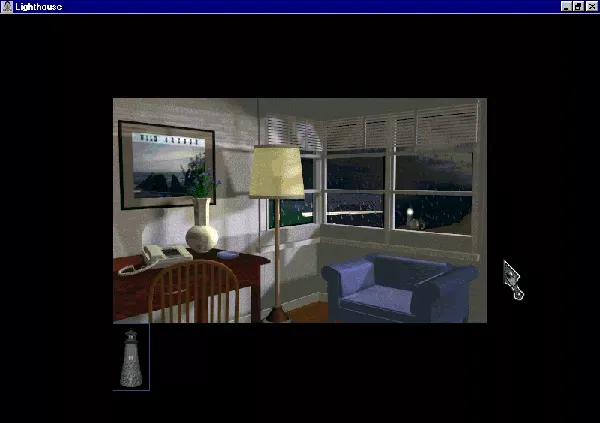
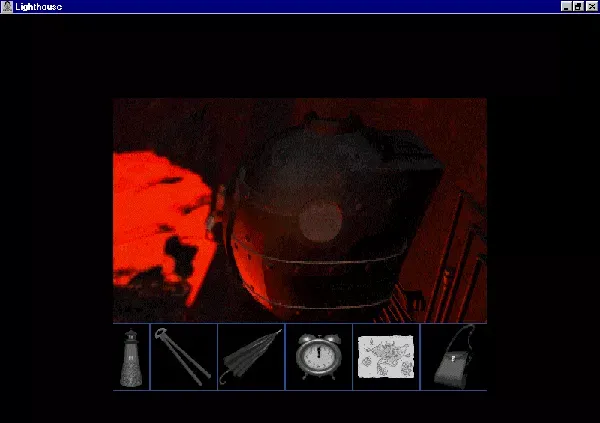
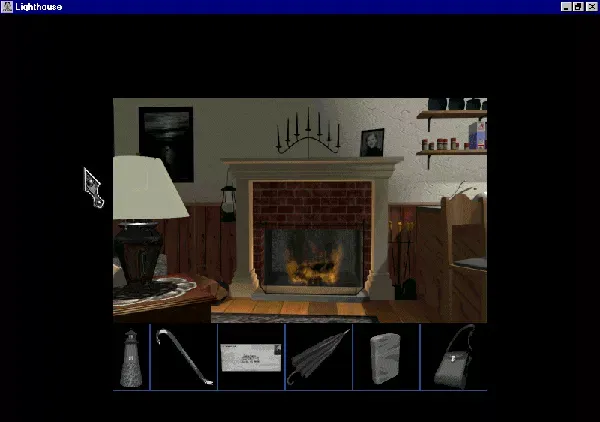
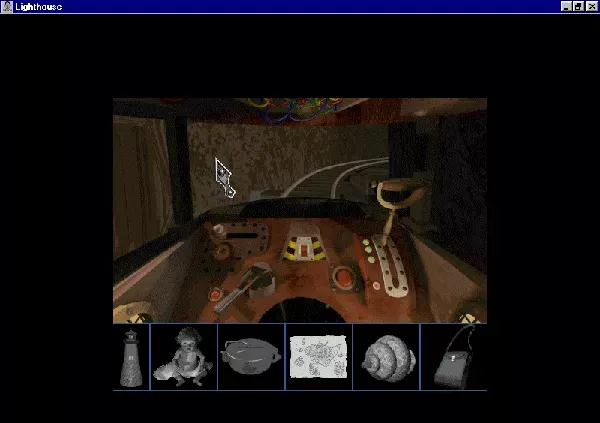
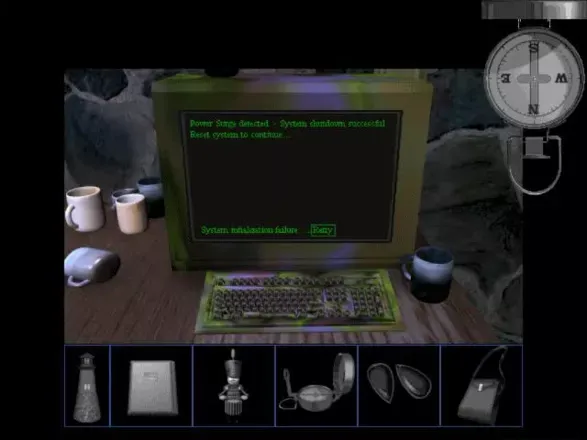
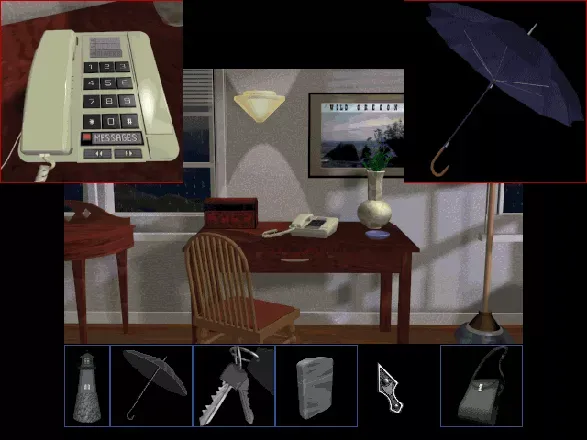
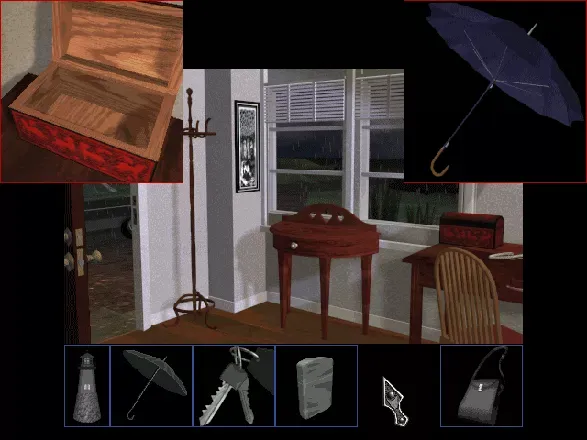
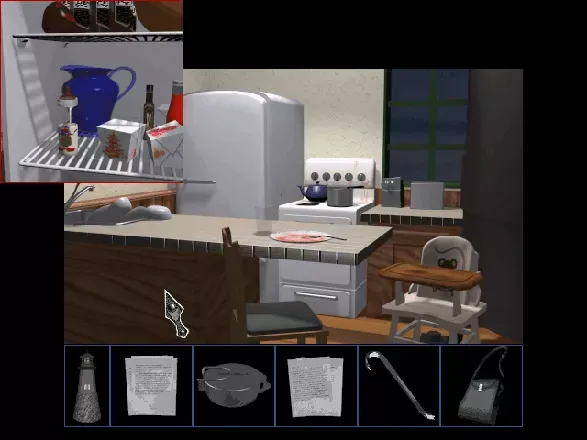
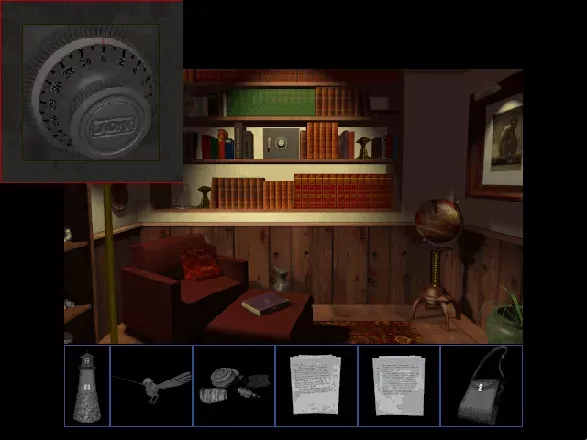
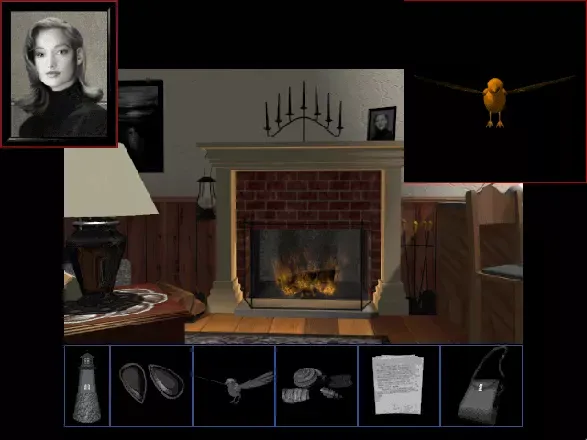
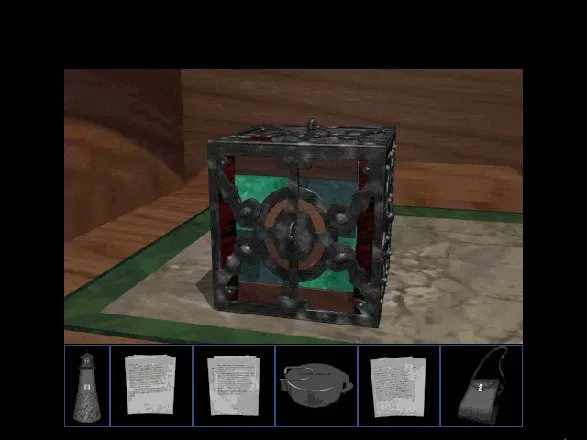
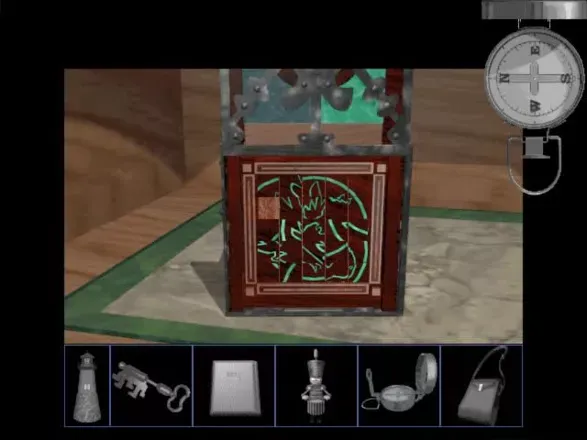
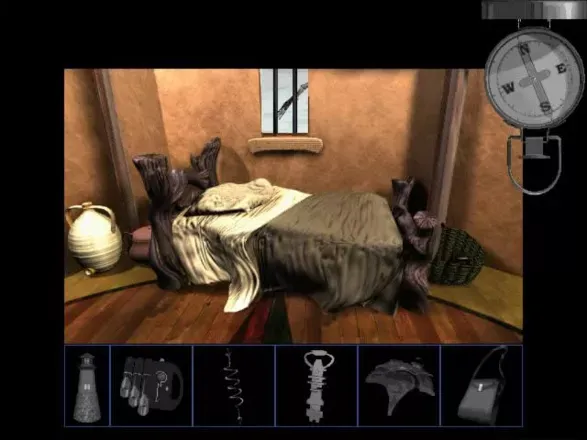
This is a first-person adventure built around exploration, observation, and logic-based puzzle solving rather than fast action. Sources consistently describe its interface as point-and-click with pre-rendered still locations, and note that its puzzles are often intentionally demanding in the style associated with Myst.
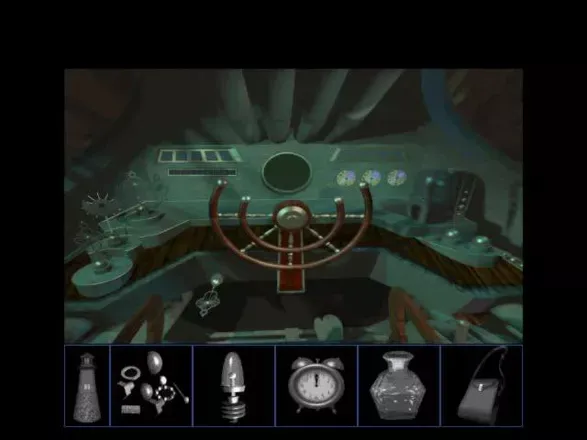
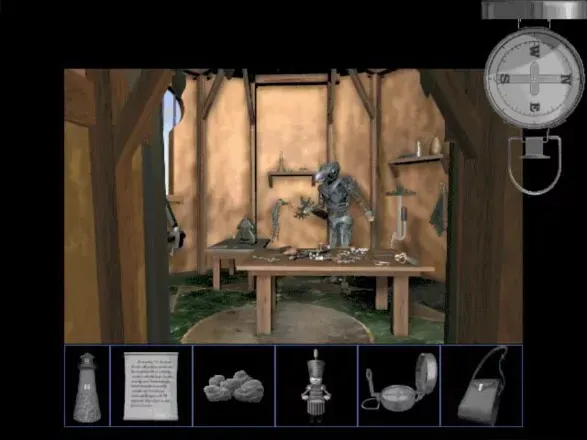
On Windows, the game used Sierra’s SCI3 engine and shipped on CD-ROM, with documentation citing support for Windows 3.1 and Windows 95-era systems. The presentation leans on illustrated realism, pre-rendered backgrounds, and ambient audio design to sell its steampunk-inflected alternate world, while the Macintosh release shared the same core structure and content.
Collector’s Value & Rarity
Lighthouse: The Dark Being is not generally regarded as a top-tier rarity, but it remains a notable collection piece for Sierra adventure fans because it represents a distinctive late-period CD-ROM production tied to the Myst phenomenon. Surviving copies are most often valued for completeness, condition, and whether the original multi-disc retail package is intact.
Archival records note that the game was distributed on two CD-ROM discs, and the preservation of its manual is documented separately in library scans. For collectors, original packaging, inserts, and platform-specific discs matter more than region-specific variants, since verified regional packaging differences are less prominently documented than the standard U.S. retail release.