

Historical Context & Trivia
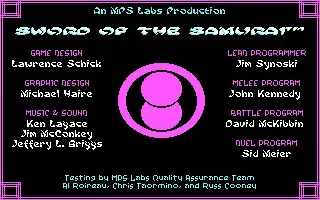
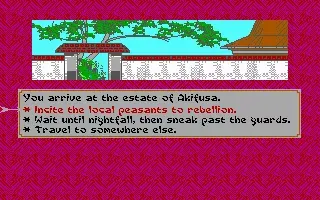
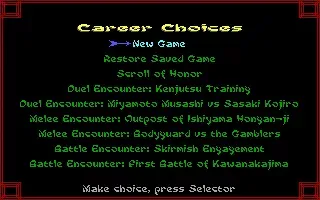
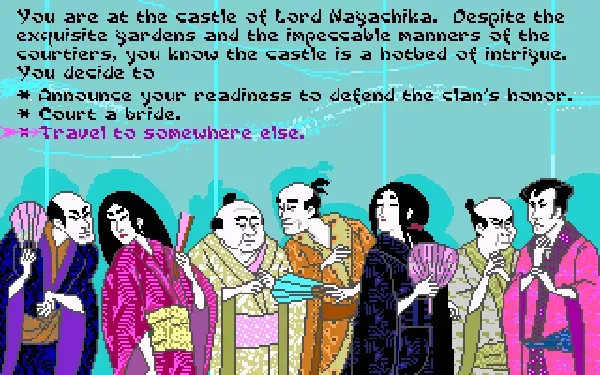
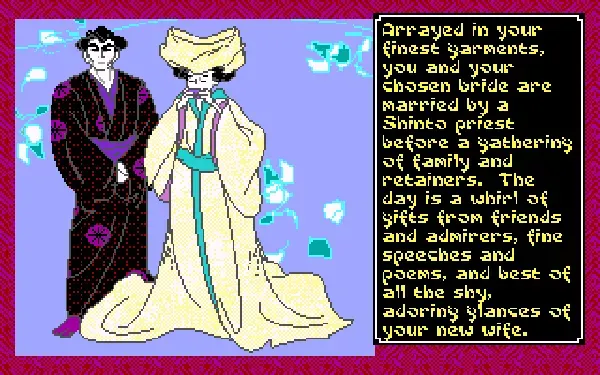
Sword of the Samurai was released in 1989 by MicroProse Software for MS-DOS, and it is widely documented as a hybrid of action, strategy, role-playing, and simulation elements set in feudal Japan during the Sengoku period.
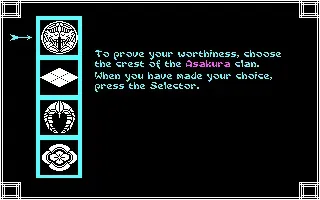
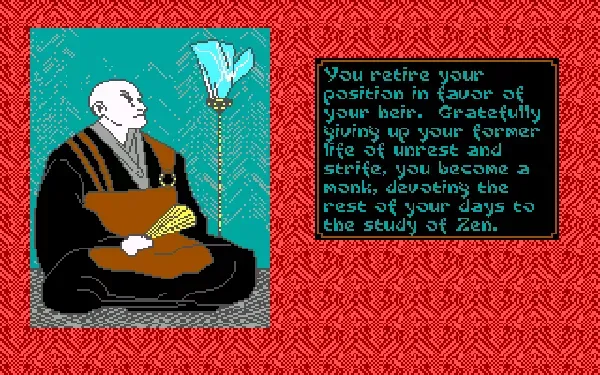
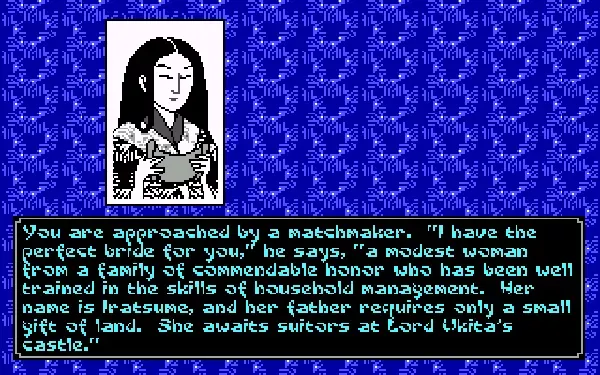
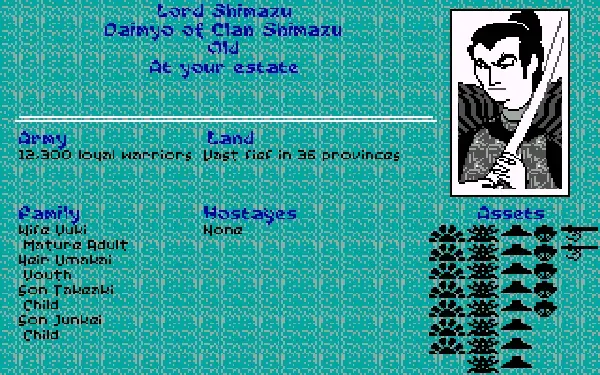
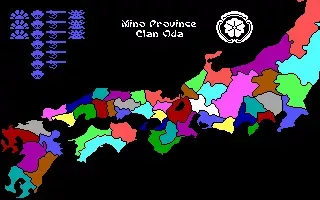
The game places the player in the role of a rising samurai within a political hierarchy, moving from local service to higher status and ultimately toward control of Japan, a structure confirmed by multiple descriptions of its progression and end goal. Several later preservation releases and catalog entries also show that the title remained notable enough for digital distribution years after its original DOS debut.
Gameplay & Technical Features
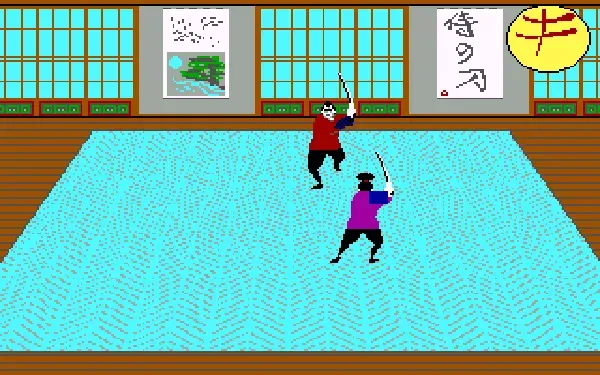
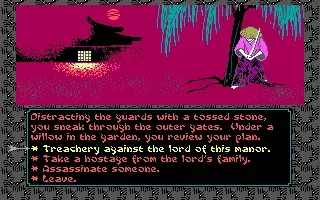
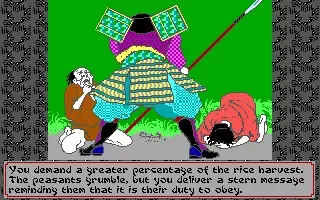
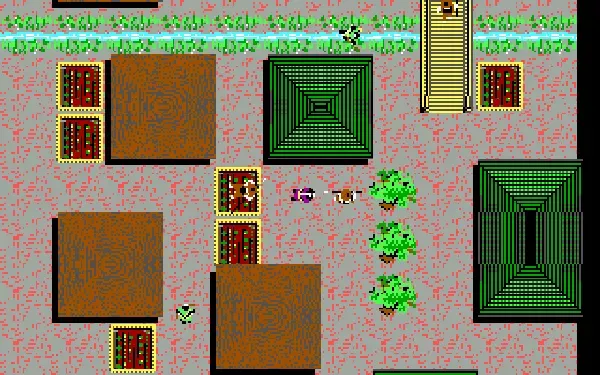
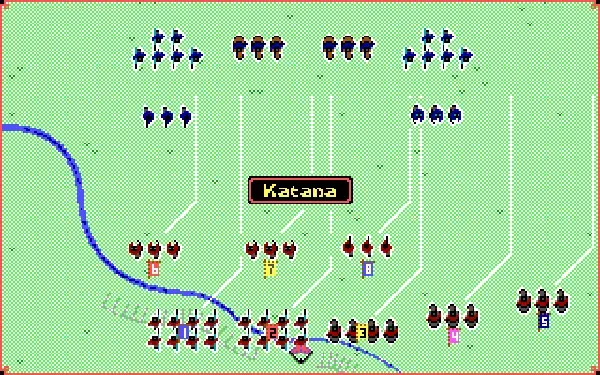
As an Action / Strategy / tactics title, Sword of the Samurai combines clan management, advancement through feudal ranks, and direct combat sequences, creating a multi-layered structure rather than a single-genre design.
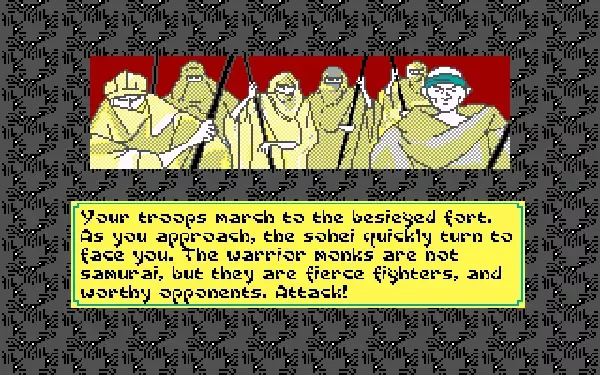
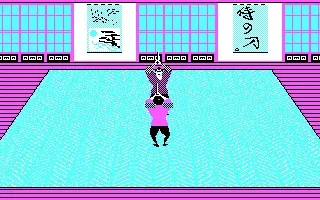
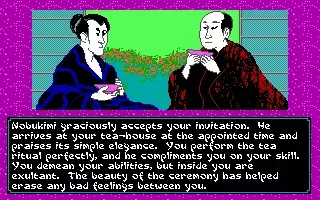
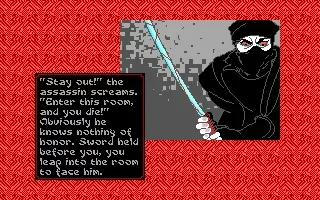
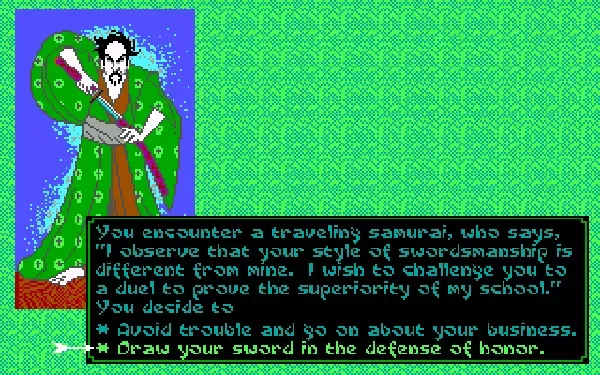
On the DOS platform, it is presented as an IBM PC-era hybrid that mixes overhead management and event-driven strategic play with arcade-style sword encounters, reflecting MicroProse’s tendency to blend simulation with interactive action. Sources consistently describe its Japanese setting as the Sengoku Jidai, with the player navigating honor, lord favor, and provincial conquest through a framework that uses both tactical decision-making and reflex-based battles.
Collector’s Value & Rarity
Sword of the Samurai is not generally treated as a ultra-rare lost title; instead, its preservation profile is strong because it has remained documented across abandonware, catalog, and modern digital storefront entries. That sustained visibility usually reduces extreme scarcity pressure for the software itself, although original boxed DOS copies can still be of interest to collectors of early MicroProse releases.
Available references indicate standard PC packaging and cover-art preservation, with later reissues through digital platforms and retro publishing channels tied to Tommo, Night Dive Studios, and related rights holders. For collectors, the most relevant physical-value factors are the completeness of the original DOS package, printed manuals, and any regional packaging differences, but the sources provided do not document a uniquely variant-heavy release history for this title.