

Historical Context & Trivia
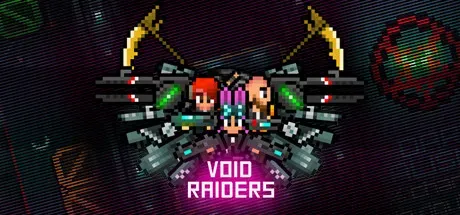
Void Raiders is a 2016 Windows action release from Tryzna83 that sits in the indie sci-fi lane rather than the mainstream retro canon. Steam describes it as a “radical” top-down rogue-lite shmup with permanent character progression and randomly generated environments, while the store listing and community materials place its release on June 14, 2016.
The game’s documented identity is tightly centered on its own Steam presence: Tryzna83 is credited as both developer and publisher, and the setting frames players as raiders fighting humans and aliens on Neptune while upgrading a base called the Lone Invader tavern. Available materials do not support deeper historical claims about studio background or development anecdotes, so the safest characterization is that it is a small-scale, self-published indie title with a clear arcade-shooter identity.
Gameplay & Technical Features
Void Raiders uses a top-down action structure built around fast shooting, character progression, and repeatable runs through procedurally generated spaces. Steam and secondary descriptions consistently emphasize twin-stick or top-down shooting, rogue-lite persistence, and combat against both human and alien enemies, with upgrading of characters, equipment, and relic-based power systems.
On Windows, the game is presented as a pixel-art indie shooter with a sci-fi and cyberpunk flavor, designed for rapid arcade-style play rather than cinematic presentation. The documented feature set points to randomized environments, permanent progression between runs, and a base-management hook through the tavern hub, but the available sources do not provide reliable technical specifics beyond that general framework.
Collector’s Value & Rarity
As a digital Steam release, Void Raiders has limited traditional collector value compared with boxed retro software, and its market profile appears modest rather than broadly sought after. The available evidence suggests a niche indie title with a small review footprint and no sign of rare physical editions, which typically keeps preservation interest focused on storefront records and playable builds rather than packaging.
No verified physical packaging, regional variants, manuals, or bonus materials are documented in the provided sources. For preservation purposes, the most relevant artifacts are the store listing, community review record, and contemporaneous gameplay captures, since those are the clearest surviving references to the game’s original release identity.