

Historical Context & Trivia
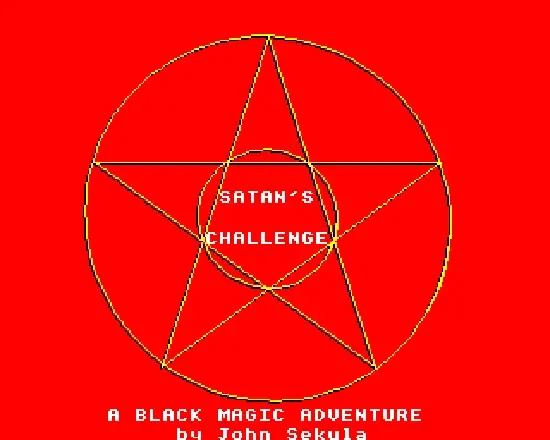
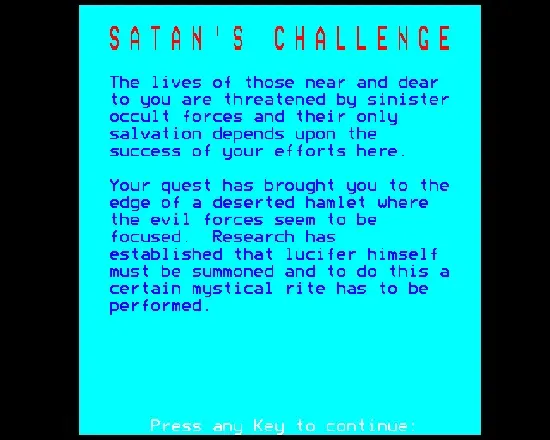
Satan’s Challenge (1984) is a BBC Micro text-adventure release that appeared during the platform’s busy early-1980s adventure boom, when home computers were becoming a major market for parser-driven fiction and puzzle solving. Contemporary advertising described it as a “black magic adventure” centered on recovering a Talisman and preparing a pentagram for a final rite, placing it firmly in the occult-flavored adventure tradition of the era.
The game is documented as a Microtest Ltd title, and archival cataloging identifies John Sekula as the author. Magazine-era promotion also emphasizes features that were considered premium for the time, including a save facility, quick response, and a command set designed to be simple but broad enough for logical and “friendish” problem solving.
Gameplay & Technical Features
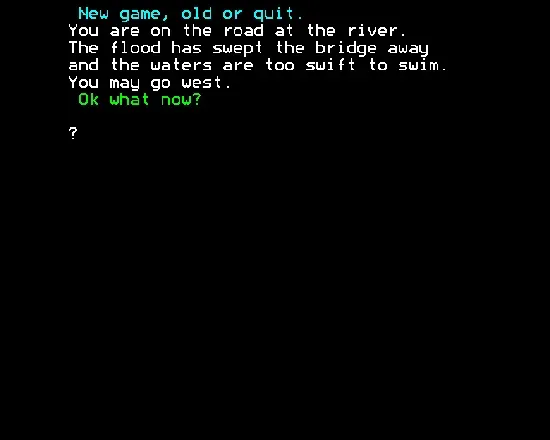
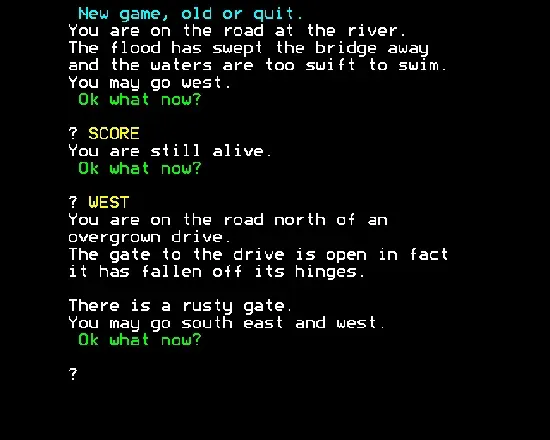
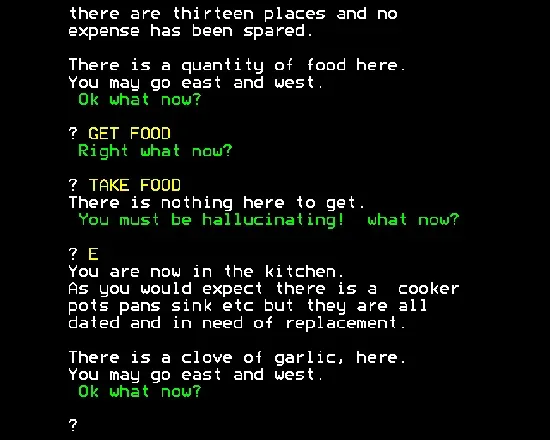
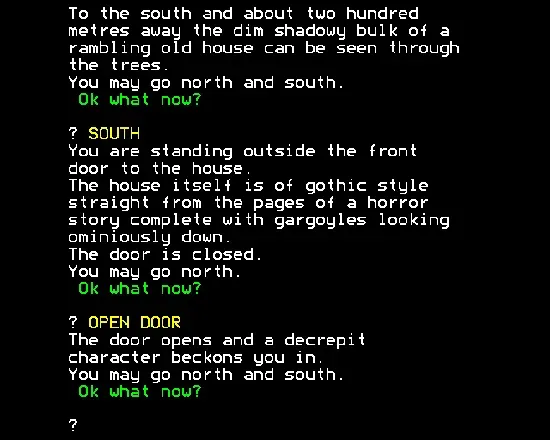
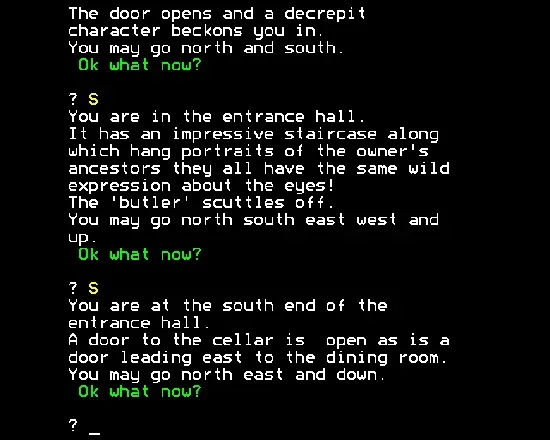
As an Adventure game, Satan’s Challenge would have centered on typed commands, exploration, inventory management, and puzzle resolution rather than action play. The surviving description points to a structure built around narrative progression, with hazards from “dark forces” and a chain of objectives that culminate in the ritual sequence.
On the BBC Micro, this kind of release typically relied on compact text parsing and efficient memory use, making responsive input and save support especially valuable. The advertised design suggests a parser-oriented implementation tuned for the machine’s home-computer audience, with the experience driven by text, atmosphere, and the constraints of early-1980s microcomputer software.
Collector’s Value & Rarity
Satan’s Challenge is best understood as a niche early BBC Micro adventure rather than a mass-market landmark, so its value is tied more to preservation interest than broad commercial fame. Surviving documentation places it in 1984 magazine and archive records, which helps verify its existence even when complete commercial package details are not widely documented.
At present, the most concrete physical evidence in the record is the period Microtest advertising and archival catalog listing; variant packaging, regional editions, and included extras are not clearly established in the available sources. For collectors, that usually means the game is primarily notable as an early text-adventure artifact with limited documentation rather than as a widely tracked boxed rarity.