

Historical Context & Trivia
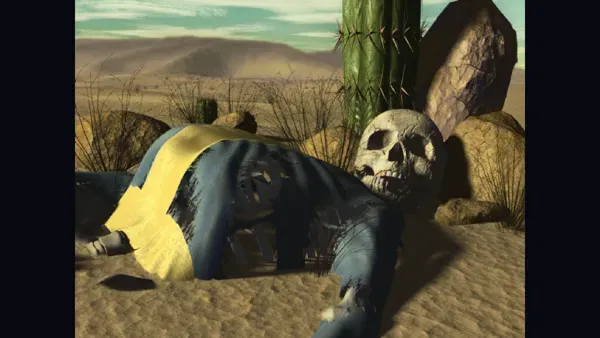
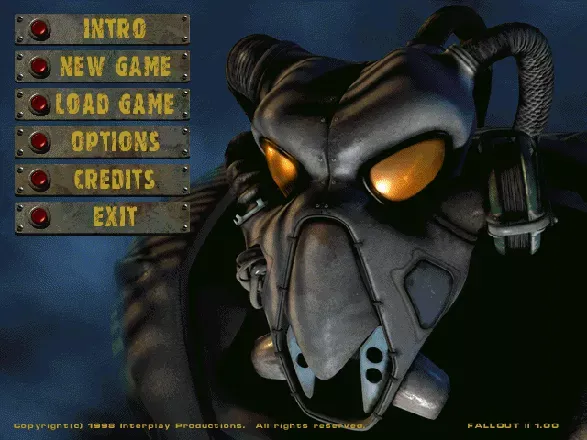
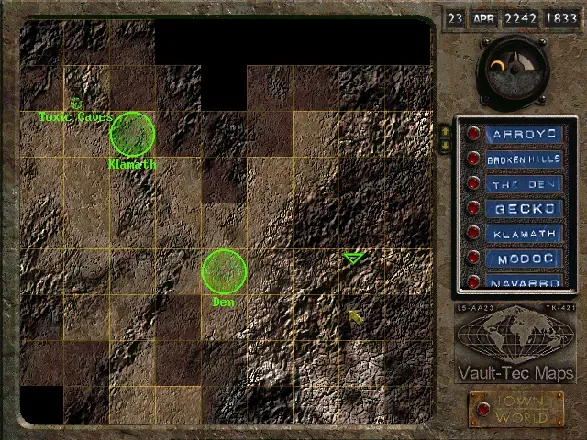
Fallout 2 (1998) is the sequel to Fallout and one of the defining Western RPGs of the late 1990s, extending the series’ retro-futuristic post-nuclear setting with a darker, broader, and more reactive world. It is set in 2241, roughly 80 years after the first game and 164 years after the nuclear war that devastated civilization.
The game was developed by Black Isle Studios and published by Interplay Productions, with later release and distribution activity tied to other companies in some regions and reissues. Contemporary materials and later store listings consistently identify Black Isle as developer and Interplay as original publisher.
Gameplay & Technical Features
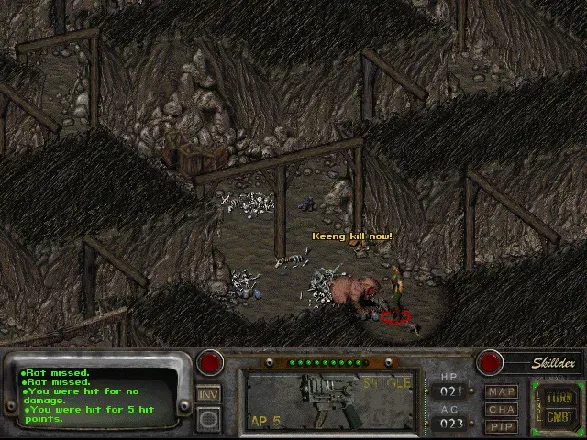
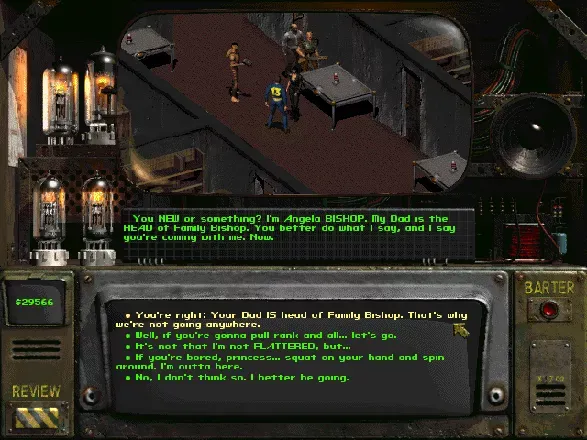
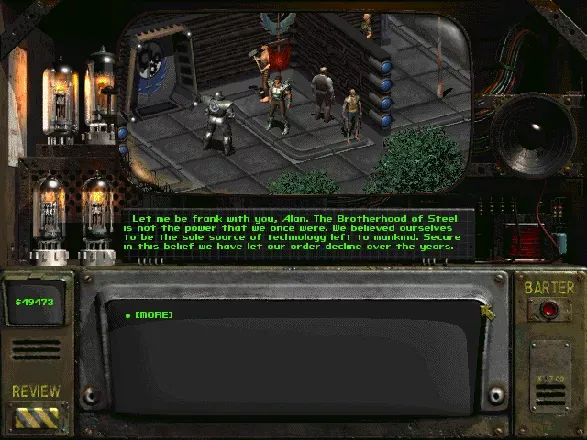
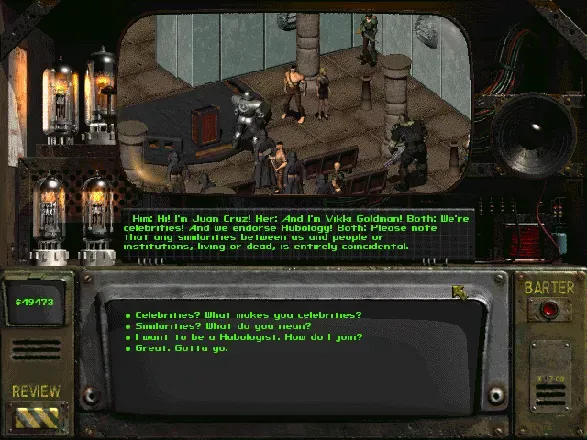
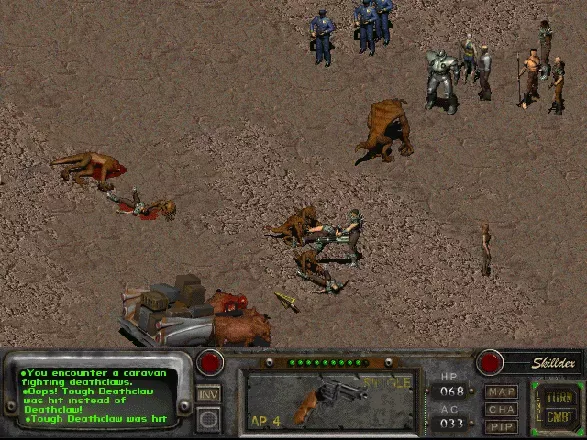
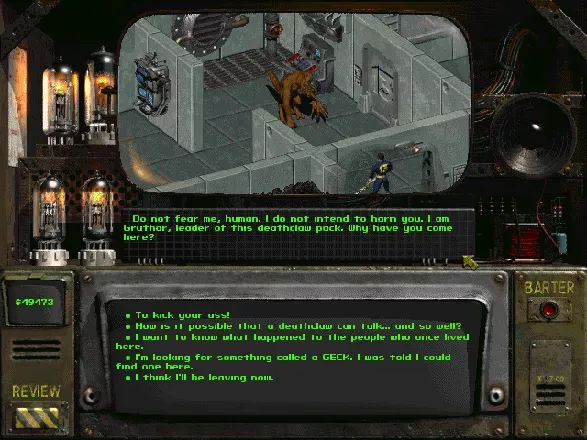
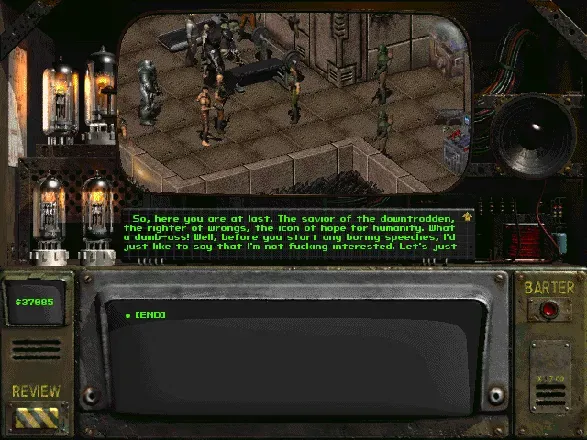
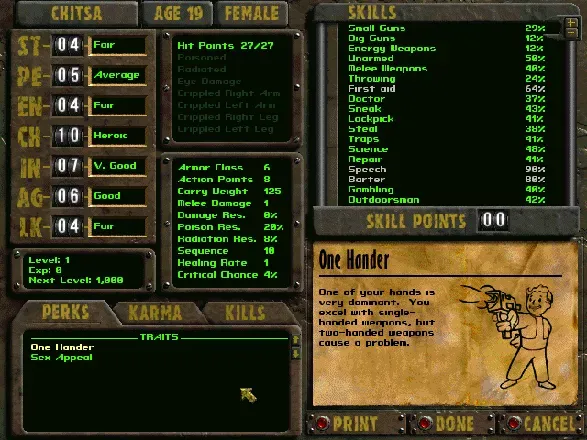
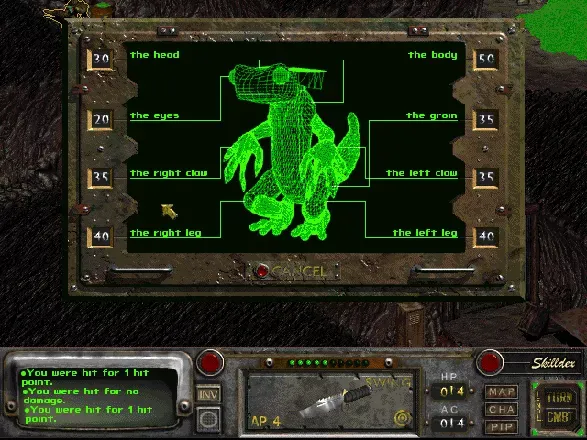
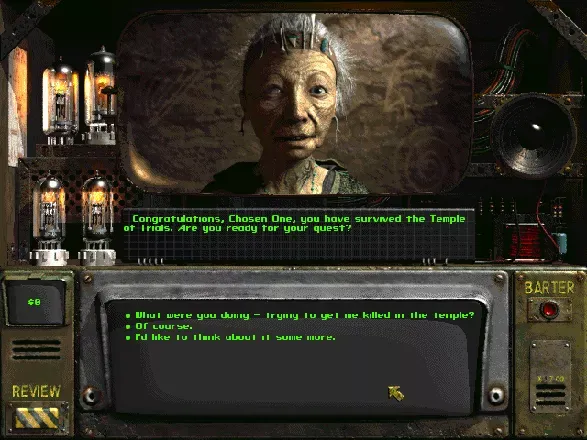
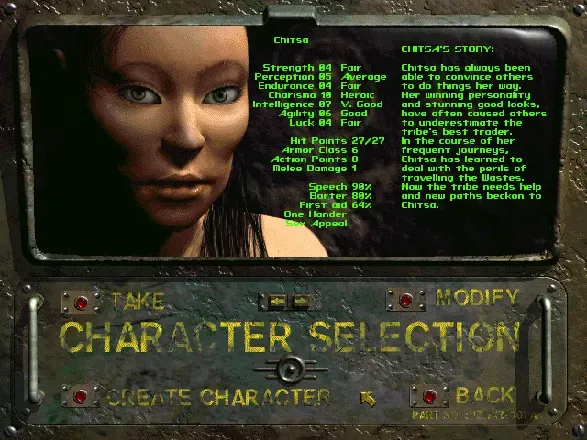
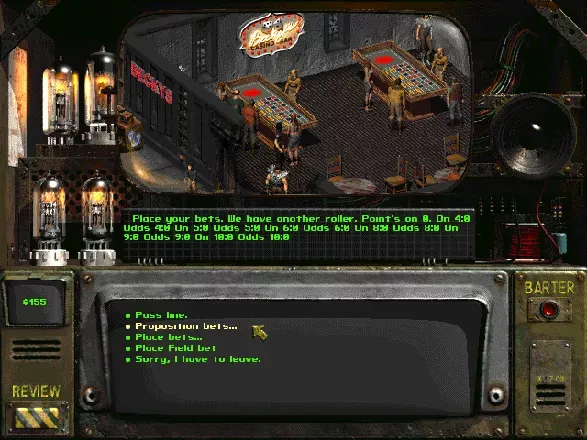
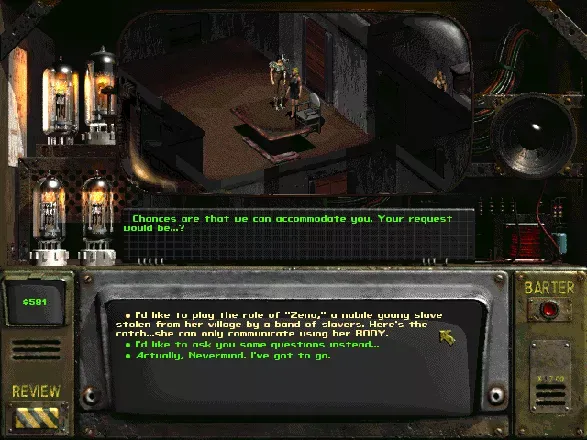
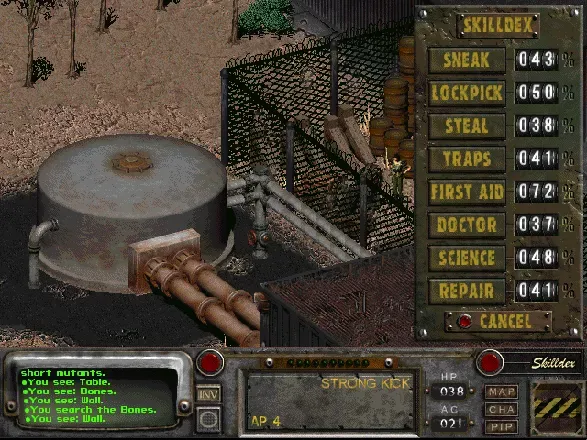
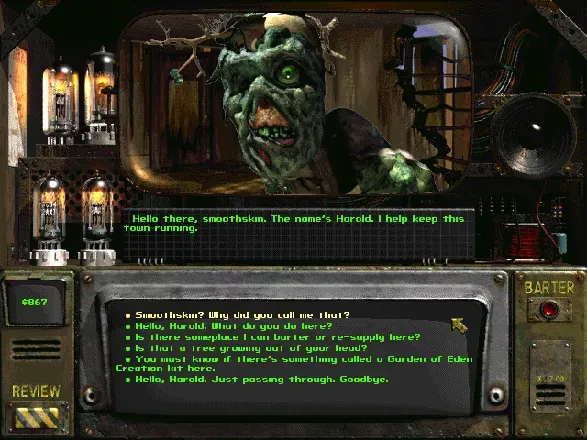
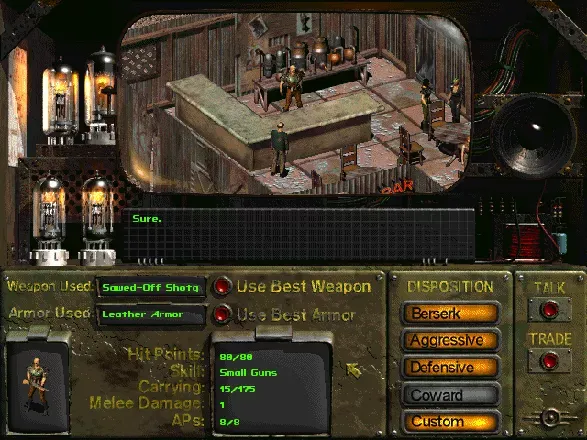
Fallout 2 is a single-player role-playing game built around character creation, turn-based combat, dialogue choices, and branching quest outcomes. Its structure emphasizes freedom of approach, with reputation, skills, and player decisions shaping how non-player characters and factions react.
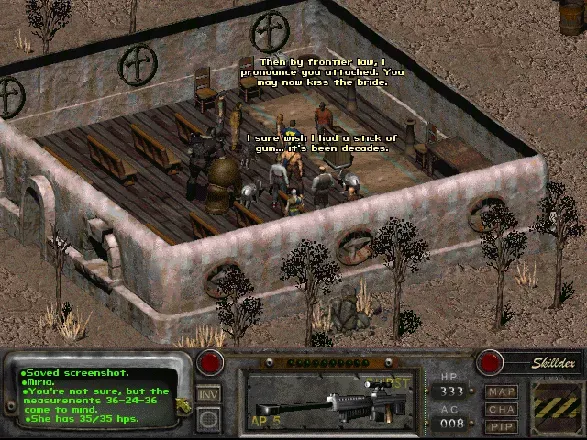
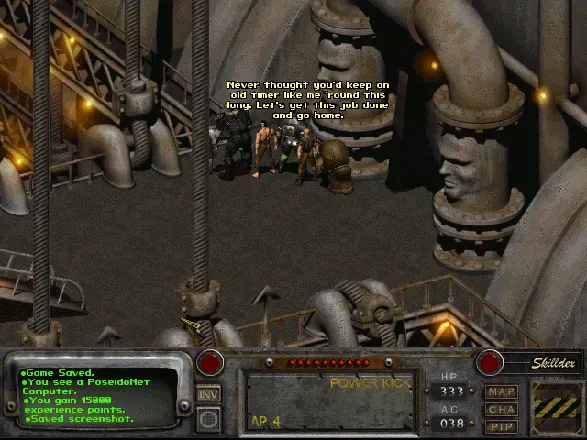
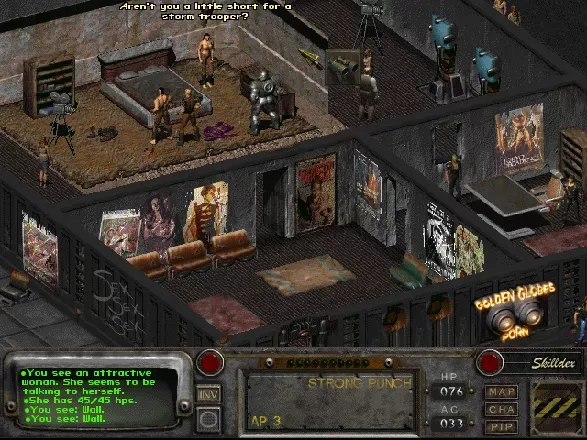
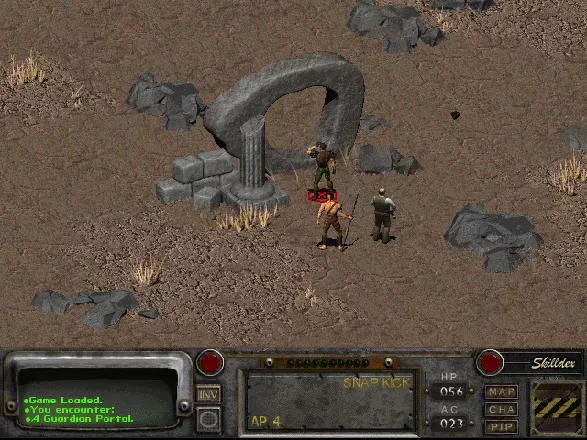
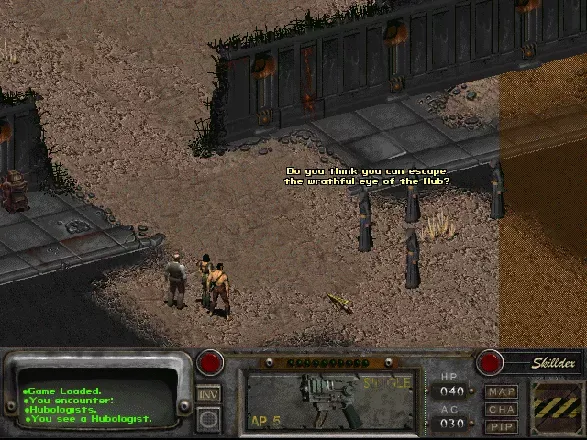
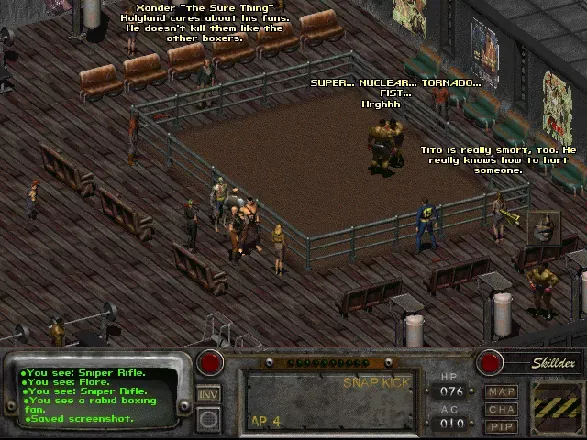
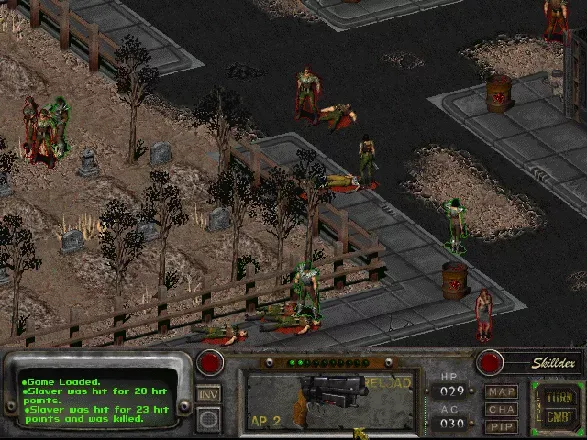
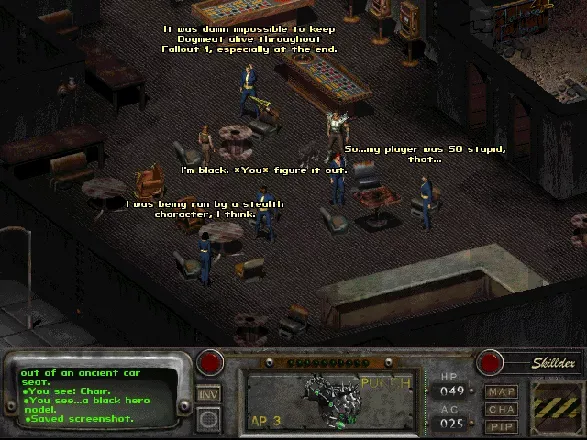
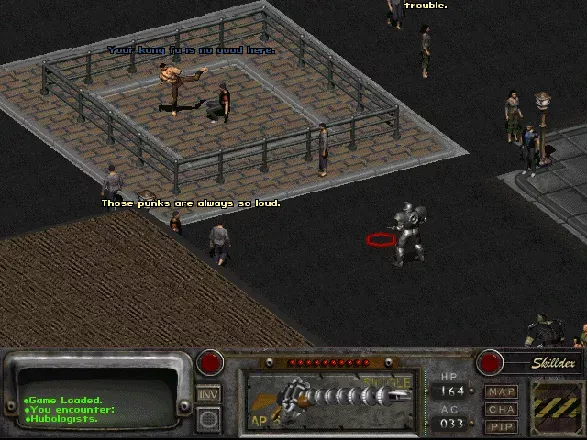
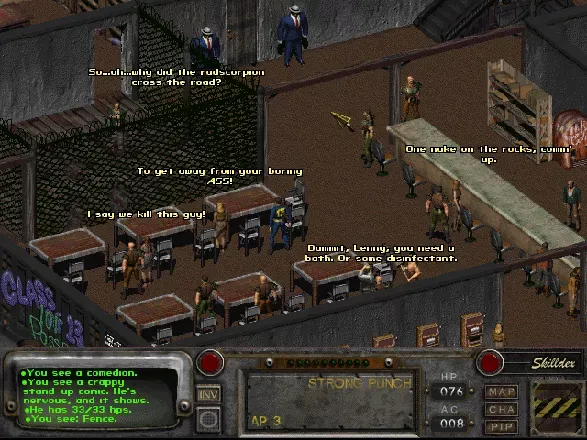
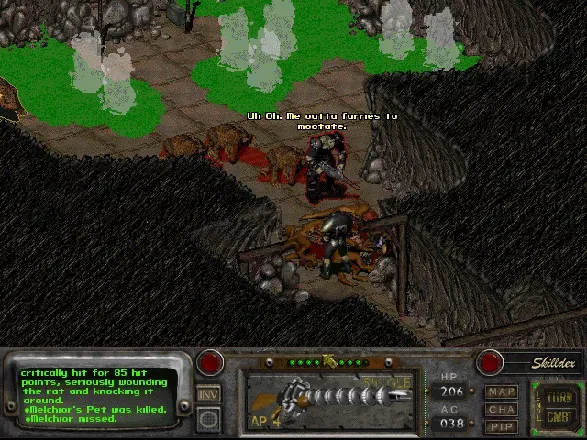
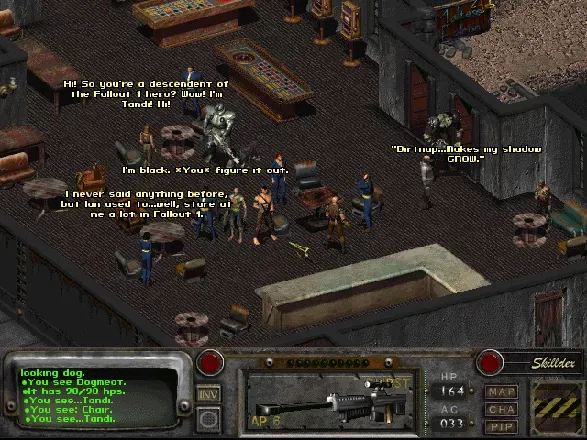
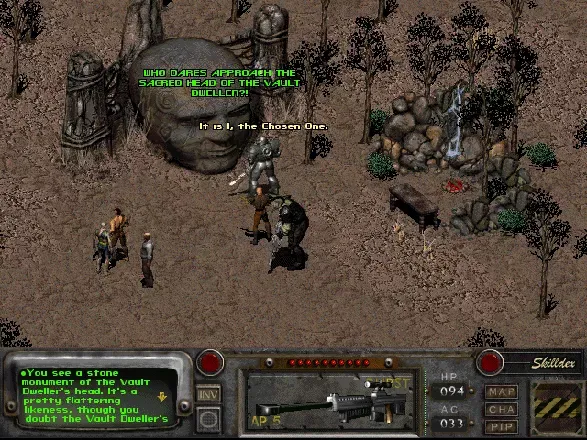
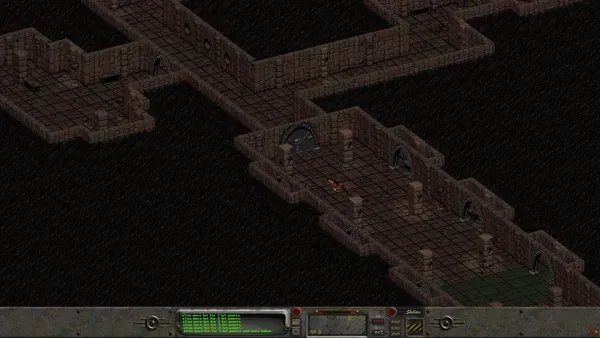
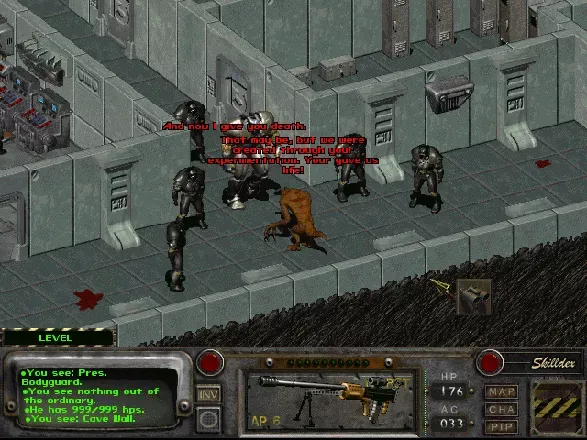
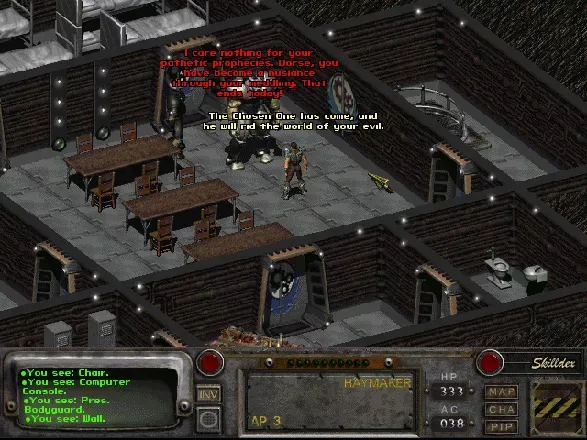
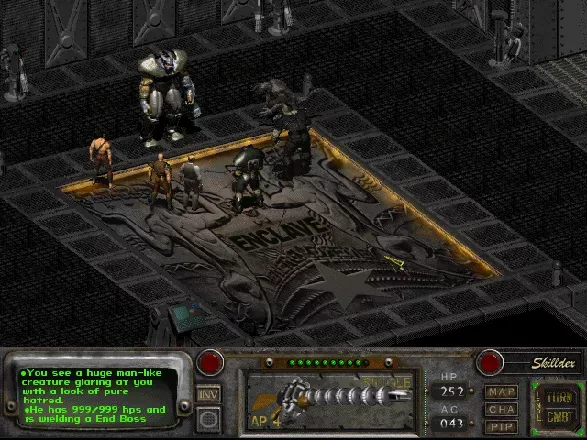
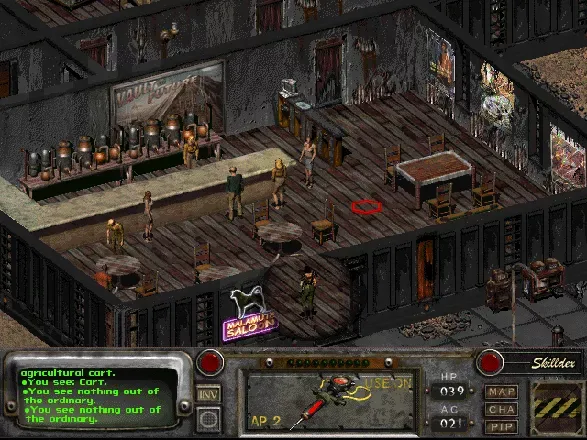
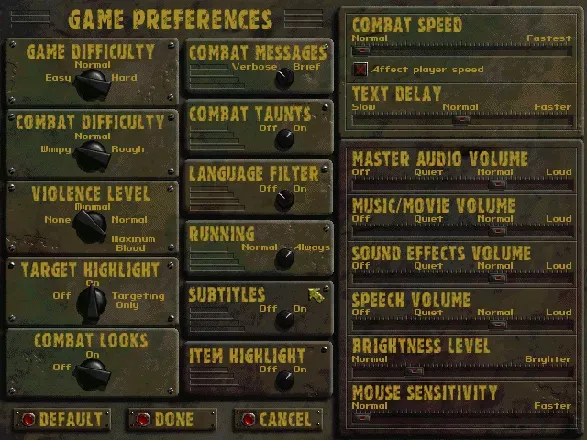
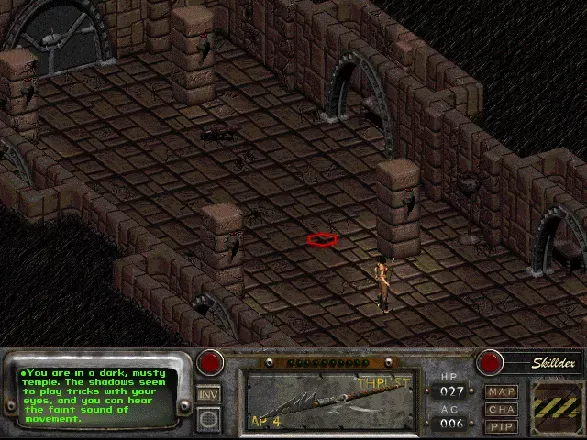
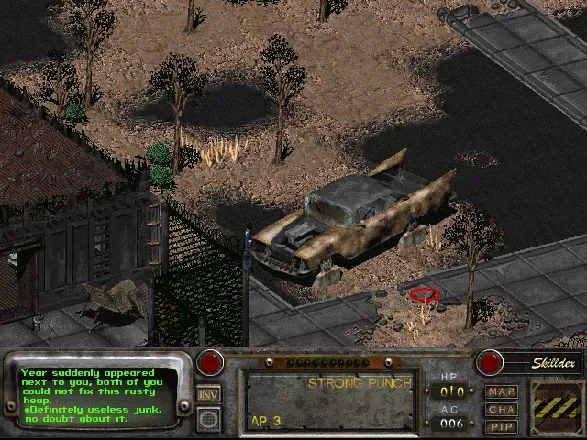
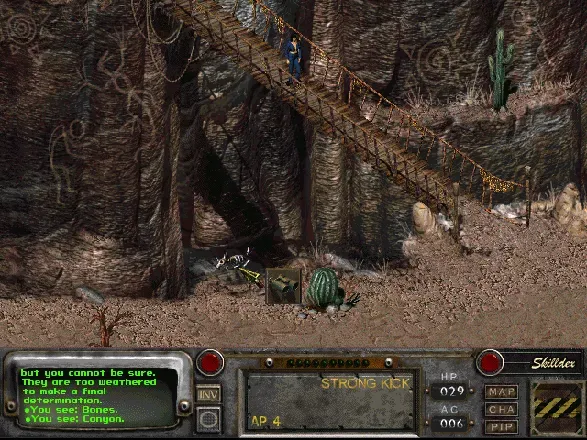
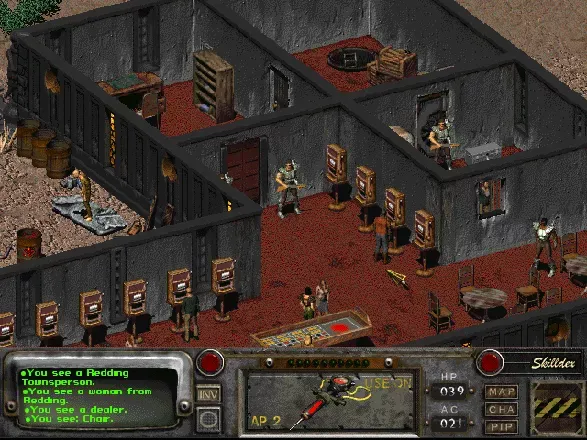
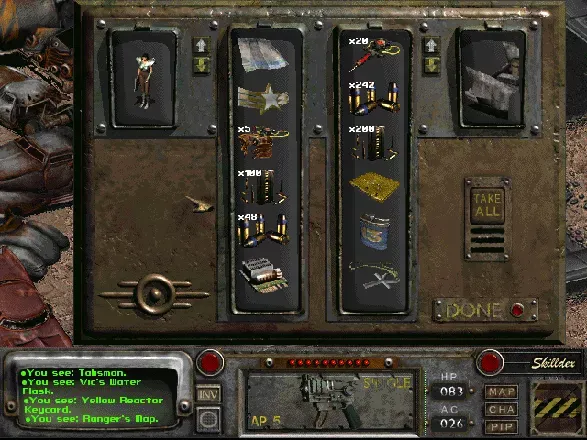
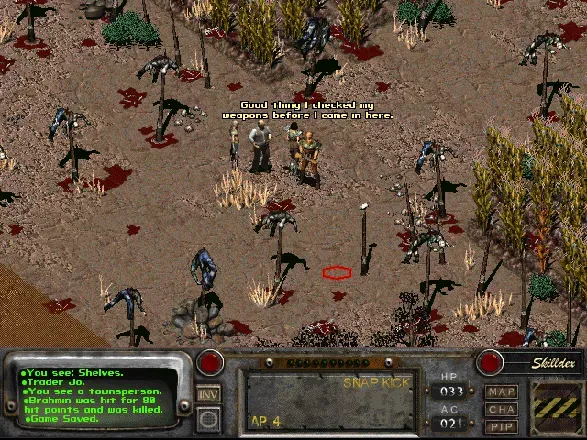
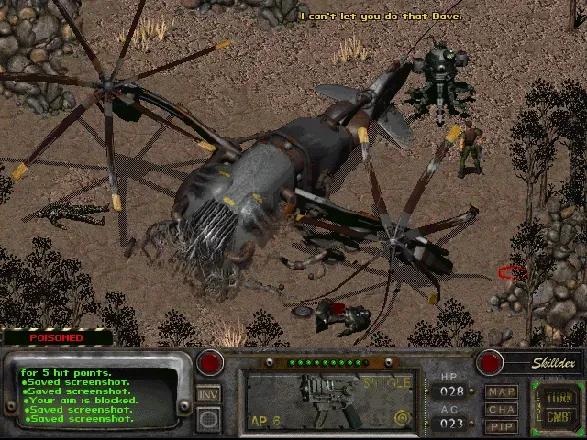
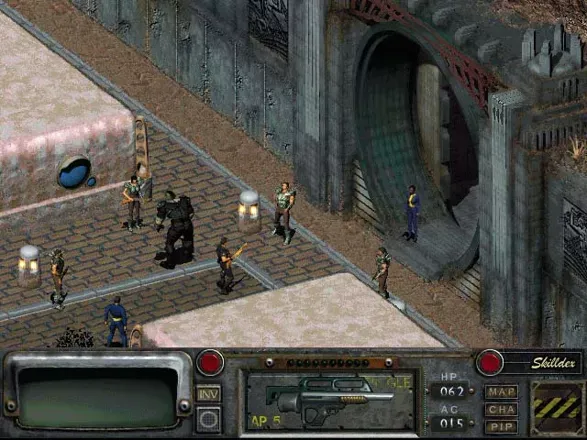
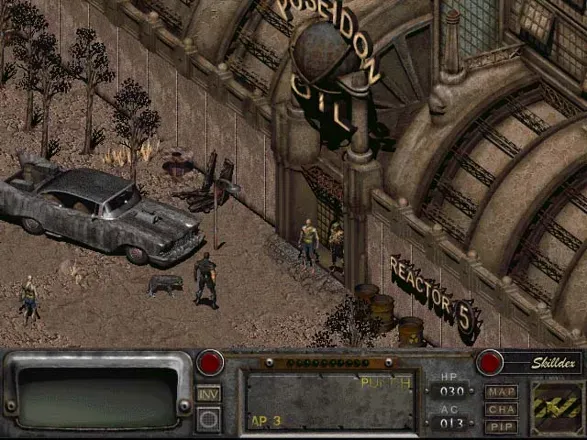
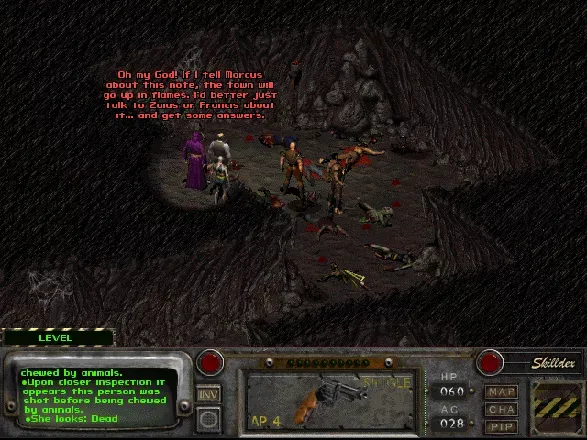
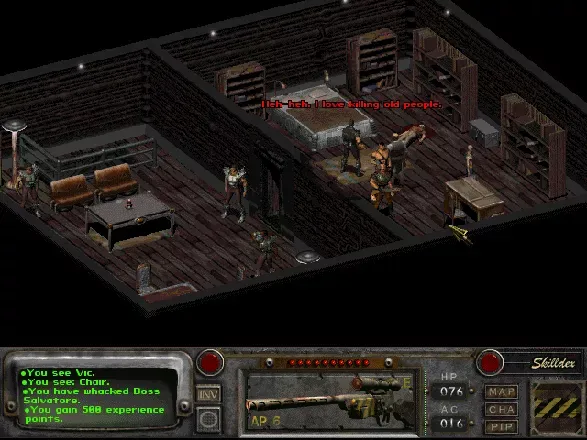
On Windows, the game uses the same isometric, pre-rendered presentation associated with the first Fallout, combining detailed sprite-based environments with spoken dialogue, ambient audio, and large packed data archives for artwork, scripts, speech, and other assets. Preservation and modding documentation confirms that the core installation centers on the game’s master.dat and critter.dat data files.
Collector’s Value & Rarity
As a widely recognized PC RPG rather than a niche regional oddity, Fallout 2 is generally preserved well through original CDs, later compilations, and digital re-releases, so its rarity is driven more by condition and completeness than by scarcity alone. Collector interest is strongest for original big-box-era copies and boxed retail releases associated with the 1998 launch window.
Physical completeness matters because boxed PC releases from this period often included manuals, inserts, and region-specific packaging, and secondary-market listings show multiple distribution variants across territories. Known release data also points to later European and reissue packaging differences, which makes matching the correct edition and contents important for collectors.